Posts

How Long Your Appliance Will Last

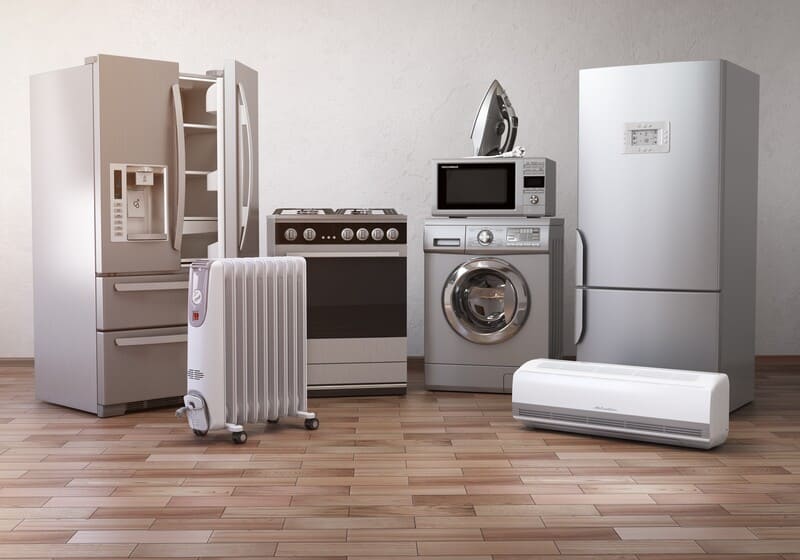
Whether you’re getting ready to move into your new home with its own set of aging appliances, or you’re just taking stock of the ones you already own, it’s helpful to know just how much life they have left in them. New homeowners typically forget to budget for the average of $9,000 in hidden expenses they’ll run into in the first months and years of home ownership, and appliances are a substantial part of that expense. Here’s a breakdown of how long your home appliances should last, and how you can lengthen their lifespans to save money in the long run. For All Appliances Before we get started, the numbers you’ll see below are averages. You can get a rough estimate of how long your appliances have left before they give up the ghost based solely on their age, but what’s more important is how much use they get. A washing machine that handles clothes for a family of 5 will see a lot more action than a bachelor’s, for example, which will shorten its lifespan accordingly. Oven Range: 13-15 Years Whether you have a gas, electric or induction range, they tend to have similar lifespans. The best way to


Read More »

8 Cleaning Tasks You Might Be Overlooking

Keeping a neat and tidy house is no easy task, and you’ll inevitably overlook a few much-needed cleaning duties from time to time. Here are eight oft forgotten jobs that are worth the extra effort for a healthier, happier home. Pet Supplies When’s the last time you cleaned your furry friend’s bowls? Their favorite blanket? Their toys? Odds are, these items don’t make your regular to-do list, but the good news is that they’re easy to take care of. Bowls and Hard Toys: Many pet bowls are dishwasher-safe, and you can place them in the top rack with your regular load of dishes. If you’re not sure, it’s best to wash them by hand with hot water and a drop of gentle dish soap. Hard dog toys can also be placed in the dishwasher or washed gently by hand. Blankets and Soft Toys: Blankets can be cleaned in the washer and dryer, and believe it or not, so can squeaker toys. For a load of pet items, you can use natural, or “free” laundry detergent, but our favorite is several capfuls of white vinegar. This should be added during the rinse cycle for the best results. Blankets and toys can

Read More »

Our 5 Best Yard Sale Tips

Holding a successful yard sale is fairly straightforward, but subtle differences in timing, signage and pricing can all have a big impact on how well-attended and lucrative your efforts are. Here are a few yard sale tips to help you stay organized, stay sane, and of course, make as much extra cash as you can. 1. Think outside the box when it comes to advertising. There’s nothing wrong with advertising your yard sale via classic hand-lettered signs—in fact, we encourage it. But you should also extend your reach to get the word out. Try advertising on your local Buy, Sell, Trade group on Facebook and on sites like garagesalefinder.com. You can also place an ad in your local newspaper and hit up bulletin boards at the local library, community center and other well-trafficked areas in your town. When you do go to make hand-lettered signs the day of your sale, be sure to use flashy poster board and large, bold lettering that can be read by someone 200 to 300 feet away. Be strategic about where you place signs and make it easy for anyone driving to be able to pull spot the news and find their way to your

Read More »

How to Paint a Room the Right Way

It’s no secret that a fresh coat of paint can transform any room of your home. Something that won’t add to the wow factor? A streaky, uneven job. Learn how to paint a room with these tried and true techniques to get the results you want every time you pick up a roller. Inspect your walls. If your walls have cracks, holes or other imperfections, they’ll need taken care of before you start priming and finally, painting. You can use a lightweight spackling compound and a putty knife to repair them, taking care to remove excess spackle with the putty knife. Allow the area to dry completely before going in with very fine grit sandpaper to smooth the surface over. Clean your walls, especially of dust and debris. Dirty walls can impair paint adhesion and cause uneven application. Once you’ve spackled over any imperfections, you’ll want to thoroughly clean your walls. First, use a floor duster to remove any dust, then wipe the walls with a damp cloth (be sure your cloth won’t leave behind fibers). Now is also a great time to remove everything from your walls, including electrical plates, registers and sconces. Tape everything off. The first thing

Read More »

How to Prepare Your Home for a Hurricane

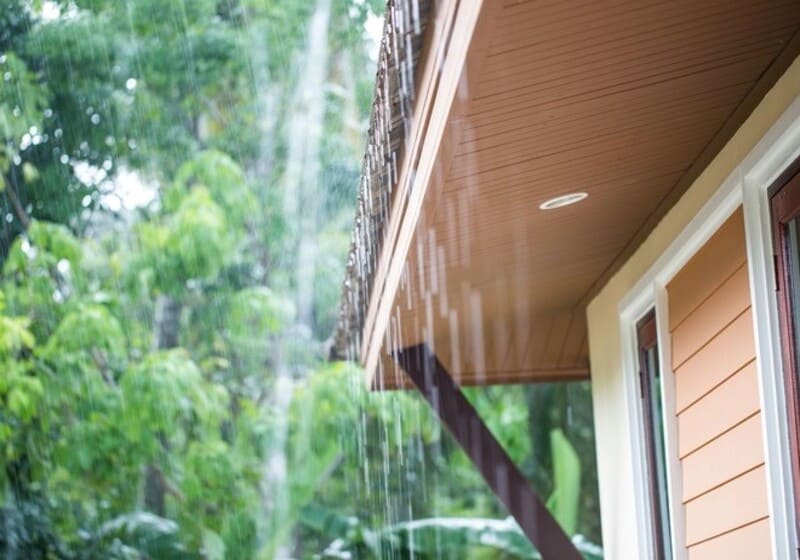
The peak of hurricane season is just around the corner, so what should you do to prepare? Besides taking every step necessary to make sure your family stays safe, there are also things you can do to protect your home and valuable property. Here are six things you can do right now to prep for the coming storms. 1. Strap down your roof. If you have access to your attic, you can provide extra strength and protection from high winds with hurricane straps. These come in the form of metal straps or clips that tie your roof to the frame of your house so the roof is less likely to suffer damage from hurricane-force winds. If you live in certain states like Florida, your roof may already have these straps as they’re required by law for new construction. If you don’t have them, you can add them for about $500. 2. Install storm shutters. It’s also a good idea to protect your windows as much as you can, because you never know what the wind will be blowing. Storm shutters close and lock over your windows, and they’re made of impact-resistant materials like steel or aluminum. There are many different

Read More »

Firework Safety 101: Stay Safe This Fourth of July

With the Fourth of July rapidly approaching, you’re probably busy stocking up on fireworks and finalizing plans with family and friends. While firework safety might be one of the last things on your mind in the midst of all the bustle, it’s worth looking into. An estimated 11,000 people were injured by fireworks-related incidents in 2016, and those were just the ones reported! The vast majority of those accidents? Entirely preventable. Take a moment to review these safety tips and keep your loved ones out of danger this Fourth of July. Know Your Local Laws Before you consider setting off fireworks at home, you’ll need to check up on your local laws. Certain states have banned fireworks outright or prohibit the use of certain kinds of fireworks. These regulations change all the time, so even if you think you know your city or state’s views on fireworks, it never hurts to review them. Don’t Give Fireworks to Your Kids Even though they’re considered a “kid’s” firework, you might be surprised to know that sparklers are the leading cause of injuries on the Fourth of July. Sparklers can reach up to 3,000 degrees Fahrenheit, hot enough to cause severe burns or

Read More »

Opening Your Pool for the Summer: A Definitive Checklist

Opening the pool for summer can certainly seem like a daunting task. After all, you just never know what you might find under that cover, and it’s easy to let your imagination run wild. But we promise it’s not so bad! We’re here to give you a quick refresher course and break down the process into manageable chunks. All you’ll need is a friend to help you, start-up chemicals and a list of items you should have on hand from your pool’s previous season: Get your start-up chemicals ready. Most pools will need their chemical makeup adjusted after being dormant all winter, so a trip to your local pool supply store is probably in order. You can buy a start-up kit for about $30 that contains everything you need, including algaecide, water clarifier, chlorine, pH increaser, pH decreaser, metal sequestrant, alkalinity increaser and calcium hardness increaser. Depending on your pool’s size and unique chemical composition, you may need to go back for an extra dose of one or more of the above. Clean off your pool cover. Chances are, your pool cover is holding standing water, leaves and other debris. This is where your pool cover pump and soft broom

Read More »

10 Barbecue Safety Tips That’ll Save Your Eyebrows

Grilling out is the quintessential summer pastime, up there with baseball and slip n’ slide. Outdoor grills have become a common appliance (61 percent of households own a gas grill and 41 percent have a charcoal grill), so it’s not surprising that we tend to take our safety for granted when we use them. When you think about it, though, grills can be dangerous—in fact, gas and charcoal grills cause over nine thousand home fires per year. The good news is, mishaps like these are easy to avoid if you follow a few simple barbecue safety tips! 1. Keep the grill away from your house. This may seem like it goes without saying, but seriously, keep your grill away from the house. At least 10 feet is a must, but even more if you can. The last thing you want is a gust of wind blowing stray embers at your siding or up into the gutters. Also, be aware of pergolas, trees or other things above your grill, and move it so you’re cooking out in the open. 2. Keep your grill stable. You’ll also want to make sure that your grill is placed on a level, hard and stable

Read More »

8 Ways to Allergy-Proof Your Home This Spring

Some of us are in the throes of it and some of us are just starting to experience the first twinges. For many, spring means allergy season and dealing with irritating symptoms for weeks on end. Today, we’ll let you in on our best tips for creating an allergy-proof home during pollen season and well beyond. 1. Find out what you’re allergic to. Don’t take a stab in the dark when it comes to allergies! For red, itchy eyes, sneezing, shortness of breath and other symptoms, you’ll need to consult with your physician about testing and treatment options. Not only can finding out exactly what you’re allergic to help you save significantly on medication and health care costs, it’ll let you know precisely where to start when it comes to making a more allergy-proof space for your family. 2. Allergy-proof your mattress. Dust and dust mites are a leading allergen for many individuals all year long. Dust and its mites are more likely to gather and multiply in and around your mattress, bedding and bed itself than almost anywhere else in your home. That’s because a dust mite’s favorite food happens to be skin flakes. As humans, we’re constantly shedding

Read More »

Your Simple Spring Lawn Care Guide

Everyone wants a lush, green lawn when springtime comes around, and luckily it’s easy to accomplish with some simple care and maintenance. Here’s your spring lawn care guide to help you get the best grass in the neighborhood! Clean Up Your Yard Your grass has been lying dormant all winter, so to give it the best environment possible for healthy growth in the spring, you need to do some simple cleanup. That means picking up branches and other fallen debris, raking up any leaves you may have missed last fall, and clearing any thatch that’s accumulated. Wait, what’s thatch? As individual blades of grass die, they fall and form a matted layer on the soil of your yard. If the thatch layer gets thick enough it can cause real problems for the health of your lawn, so it’s important to get rid of it periodically by giving your grass a deep, thorough raking. Address Bare Spots in Your Lawn Whether you’re dealing with dog pee spots, heavy traffic areas or insect larvae infestations, you want every square inch of your yard looking its best. This starts with overseeding your lawn, or applying grass seed to the bare spots. Spring isn’t

Read More »

How Long Your Appliance Will Last

Whether you’re getting ready to move into your new home with its own set of aging appliances, or you’re just taking stock of the ones you already own, it’s helpful to know just how much life they have left in them. New homeowners typically forget to budget for the average of $9,000 in hidden expenses they’ll run into in the first months and years of home ownership, and appliances are a substantial part of that expense. Here’s a breakdown of how long your home appliances should last, and how you can lengthen their lifespans to save money in the long run. For All Appliances Before we get started, the numbers you’ll see below are averages. You can get a rough estimate of how long your appliances have left before they give up the ghost based solely on their age, but what’s more important is how much use they get. A washing machine that handles clothes for a family of 5 will see a lot more action than a bachelor’s, for example, which will shorten its lifespan accordingly. Oven Range: 13-15 Years Whether you have a gas, electric or induction range, they tend to have similar lifespans. The best way to

Read More »

8 Cleaning Tasks You Might Be Overlooking

Keeping a neat and tidy house is no easy task, and you’ll inevitably overlook a few much-needed cleaning duties from time to time. Here are eight oft forgotten jobs that are worth the extra effort for a healthier, happier home. Pet Supplies When’s the last time you cleaned your furry friend’s bowls? Their favorite blanket? Their toys? Odds are, these items don’t make your regular to-do list, but the good news is that they’re easy to take care of. Bowls and Hard Toys: Many pet bowls are dishwasher-safe, and you can place them in the top rack with your regular load of dishes. If you’re not sure, it’s best to wash them by hand with hot water and a drop of gentle dish soap. Hard dog toys can also be placed in the dishwasher or washed gently by hand. Blankets and Soft Toys: Blankets can be cleaned in the washer and dryer, and believe it or not, so can squeaker toys. For a load of pet items, you can use natural, or “free” laundry detergent, but our favorite is several capfuls of white vinegar. This should be added during the rinse cycle for the best results. Blankets and toys can

Read More »

Our 5 Best Yard Sale Tips

Holding a successful yard sale is fairly straightforward, but subtle differences in timing, signage and pricing can all have a big impact on how well-attended and lucrative your efforts are. Here are a few yard sale tips to help you stay organized, stay sane, and of course, make as much extra cash as you can. 1. Think outside the box when it comes to advertising. There’s nothing wrong with advertising your yard sale via classic hand-lettered signs—in fact, we encourage it. But you should also extend your reach to get the word out. Try advertising on your local Buy, Sell, Trade group on Facebook and on sites like garagesalefinder.com. You can also place an ad in your local newspaper and hit up bulletin boards at the local library, community center and other well-trafficked areas in your town. When you do go to make hand-lettered signs the day of your sale, be sure to use flashy poster board and large, bold lettering that can be read by someone 200 to 300 feet away. Be strategic about where you place signs and make it easy for anyone driving to be able to pull spot the news and find their way to your

Read More »

How to Paint a Room the Right Way

It’s no secret that a fresh coat of paint can transform any room of your home. Something that won’t add to the wow factor? A streaky, uneven job. Learn how to paint a room with these tried and true techniques to get the results you want every time you pick up a roller. Inspect your walls. If your walls have cracks, holes or other imperfections, they’ll need taken care of before you start priming and finally, painting. You can use a lightweight spackling compound and a putty knife to repair them, taking care to remove excess spackle with the putty knife. Allow the area to dry completely before going in with very fine grit sandpaper to smooth the surface over. Clean your walls, especially of dust and debris. Dirty walls can impair paint adhesion and cause uneven application. Once you’ve spackled over any imperfections, you’ll want to thoroughly clean your walls. First, use a floor duster to remove any dust, then wipe the walls with a damp cloth (be sure your cloth won’t leave behind fibers). Now is also a great time to remove everything from your walls, including electrical plates, registers and sconces. Tape everything off. The first thing

Read More »

How to Prepare Your Home for a Hurricane

The peak of hurricane season is just around the corner, so what should you do to prepare? Besides taking every step necessary to make sure your family stays safe, there are also things you can do to protect your home and valuable property. Here are six things you can do right now to prep for the coming storms. 1. Strap down your roof. If you have access to your attic, you can provide extra strength and protection from high winds with hurricane straps. These come in the form of metal straps or clips that tie your roof to the frame of your house so the roof is less likely to suffer damage from hurricane-force winds. If you live in certain states like Florida, your roof may already have these straps as they’re required by law for new construction. If you don’t have them, you can add them for about $500. 2. Install storm shutters. It’s also a good idea to protect your windows as much as you can, because you never know what the wind will be blowing. Storm shutters close and lock over your windows, and they’re made of impact-resistant materials like steel or aluminum. There are many different

Read More »

Firework Safety 101: Stay Safe This Fourth of July

With the Fourth of July rapidly approaching, you’re probably busy stocking up on fireworks and finalizing plans with family and friends. While firework safety might be one of the last things on your mind in the midst of all the bustle, it’s worth looking into. An estimated 11,000 people were injured by fireworks-related incidents in 2016, and those were just the ones reported! The vast majority of those accidents? Entirely preventable. Take a moment to review these safety tips and keep your loved ones out of danger this Fourth of July. Know Your Local Laws Before you consider setting off fireworks at home, you’ll need to check up on your local laws. Certain states have banned fireworks outright or prohibit the use of certain kinds of fireworks. These regulations change all the time, so even if you think you know your city or state’s views on fireworks, it never hurts to review them. Don’t Give Fireworks to Your Kids Even though they’re considered a “kid’s” firework, you might be surprised to know that sparklers are the leading cause of injuries on the Fourth of July. Sparklers can reach up to 3,000 degrees Fahrenheit, hot enough to cause severe burns or

Read More »

Opening Your Pool for the Summer: A Definitive Checklist

Opening the pool for summer can certainly seem like a daunting task. After all, you just never know what you might find under that cover, and it’s easy to let your imagination run wild. But we promise it’s not so bad! We’re here to give you a quick refresher course and break down the process into manageable chunks. All you’ll need is a friend to help you, start-up chemicals and a list of items you should have on hand from your pool’s previous season: Get your start-up chemicals ready. Most pools will need their chemical makeup adjusted after being dormant all winter, so a trip to your local pool supply store is probably in order. You can buy a start-up kit for about $30 that contains everything you need, including algaecide, water clarifier, chlorine, pH increaser, pH decreaser, metal sequestrant, alkalinity increaser and calcium hardness increaser. Depending on your pool’s size and unique chemical composition, you may need to go back for an extra dose of one or more of the above. Clean off your pool cover. Chances are, your pool cover is holding standing water, leaves and other debris. This is where your pool cover pump and soft broom

Read More »

10 Barbecue Safety Tips That’ll Save Your Eyebrows

Grilling out is the quintessential summer pastime, up there with baseball and slip n’ slide. Outdoor grills have become a common appliance (61 percent of households own a gas grill and 41 percent have a charcoal grill), so it’s not surprising that we tend to take our safety for granted when we use them. When you think about it, though, grills can be dangerous—in fact, gas and charcoal grills cause over nine thousand home fires per year. The good news is, mishaps like these are easy to avoid if you follow a few simple barbecue safety tips! 1. Keep the grill away from your house. This may seem like it goes without saying, but seriously, keep your grill away from the house. At least 10 feet is a must, but even more if you can. The last thing you want is a gust of wind blowing stray embers at your siding or up into the gutters. Also, be aware of pergolas, trees or other things above your grill, and move it so you’re cooking out in the open. 2. Keep your grill stable. You’ll also want to make sure that your grill is placed on a level, hard and stable

Read More »

8 Ways to Allergy-Proof Your Home This Spring

Some of us are in the throes of it and some of us are just starting to experience the first twinges. For many, spring means allergy season and dealing with irritating symptoms for weeks on end. Today, we’ll let you in on our best tips for creating an allergy-proof home during pollen season and well beyond. 1. Find out what you’re allergic to. Don’t take a stab in the dark when it comes to allergies! For red, itchy eyes, sneezing, shortness of breath and other symptoms, you’ll need to consult with your physician about testing and treatment options. Not only can finding out exactly what you’re allergic to help you save significantly on medication and health care costs, it’ll let you know precisely where to start when it comes to making a more allergy-proof space for your family. 2. Allergy-proof your mattress. Dust and dust mites are a leading allergen for many individuals all year long. Dust and its mites are more likely to gather and multiply in and around your mattress, bedding and bed itself than almost anywhere else in your home. That’s because a dust mite’s favorite food happens to be skin flakes. As humans, we’re constantly shedding

Read More »

Your Simple Spring Lawn Care Guide

Everyone wants a lush, green lawn when springtime comes around, and luckily it’s easy to accomplish with some simple care and maintenance. Here’s your spring lawn care guide to help you get the best grass in the neighborhood! Clean Up Your Yard Your grass has been lying dormant all winter, so to give it the best environment possible for healthy growth in the spring, you need to do some simple cleanup. That means picking up branches and other fallen debris, raking up any leaves you may have missed last fall, and clearing any thatch that’s accumulated. Wait, what’s thatch? As individual blades of grass die, they fall and form a matted layer on the soil of your yard. If the thatch layer gets thick enough it can cause real problems for the health of your lawn, so it’s important to get rid of it periodically by giving your grass a deep, thorough raking. Address Bare Spots in Your Lawn Whether you’re dealing with dog pee spots, heavy traffic areas or insect larvae infestations, you want every square inch of your yard looking its best. This starts with overseeding your lawn, or applying grass seed to the bare spots. Spring isn’t

Read More »