
Posts

What is Paint Primer and Do I Need It?

When it comes to painting rooms in your home, you want the process to be as fast and easy as possible, which is why a lot of people tend to skip primer. Paint primer is actually one of the most important steps in getting a professional-looking job with less time and effort. We’ll break down what paint primer is, what’s it’s for, when you want to use it and when it’s okay to skip it. What is Paint Primer, Anyway? Paint primer is just what it sounds like—it’s a white-colored base coat that you apply first, before you start in with your expensive latex paint. It “primes” the surface you’re painting, so you get better adherence and coverage in fewer coats. Even though it adds an extra step, paint primer is a great time-saver in most instances and actually makes your paint job more durable, long-lasting and less likely to chip. When You Should Use Paint Primer There are some jobs where paint primer can be optional, but most of the time it’s a good idea. Before you break out the brushes and rollers, see if your job is on this list. When It’s Okay to Skip Paint Primer Call


Read More »

Folding Fitted Sheets Made Easy

Here’s a familiar sight—your sheets are fresh out of the dryer, and now everything needs to be folded. You take care of the flat sheet, no problem. Pillow cases, easy. Fitted sheet? Hold on a second. If you think the only way to fold fitted sheets is to crumple them into a messy ball and throw them in the closet, you’re not alone. Sure, fitted sheets are unruly, but there’s a better way to fold them that’s a snap to learn. Before We Get Started Why are we going through this in the first place? Isn’t it enough that your fitted sheets get sort of folded and stuffed in the linen closet? At least they’re not ending up in a pile on the floor, right? Well, there are a few good reasons to take the extra minute and do the job correctly. First, your sheets will stay wrinkle-free, which we all know deep down is better than the alternative. Second, folding your fitted sheets actually saves a ton of room in your linen closet, so if you’re one of those people who keeps more sheets, towels and other linen-closet-y things than you probably need, anything you can do to create

Read More »

How to Organize Your Garage in One Weekend

The garage is one of those spaces that often serves as a “dump” zone. Not only does it house bikes, tools and lawnmowers, anything that can’t be stored inside tends to get shuffled off there. And before you know it, you can’t see the floor! While we realize everyone’s storage space and belongings are different, we have a few tips to help you organize your garage in a stress-free way that makes sense. It’s Not Just You Before you go feeling ashamed at the state of your garage, know that up to 57 percent of people with a two-car can’t even park one vehicle inside due to the sheer volume of clutter. Whether you want to blame it on consumerism, the homeowner DIY movement, or something else entirely, Americans have a lot of stuff. And with our busy schedules, we don’t make a lot of time to think about how we store it. Because we’re betting on there being several years’ worth of clutter to sort through, we recommend setting aside one full weekend to conquer your garage with your undivided attention. It might not be the most fun you’ve ever had, but it’ll be worth it. Make it a

Read More »

Wet Bar vs. Dry Bar: Which One is Right for You?

If you’ve been thinking about updating your basement or patio by putting in a bar, you have a lot of options, starting with whether you want a wet bar or a dry bar. But what’s the difference? Both are great for entertaining your family and friends, but they’re each suited to specific purposes. Read on to learn the difference between wet bars and dry bars and which one will suit your home best! Wet Bar vs. Dry Bar: A Simple Difference In some ways, a bar is a bar is a bar. They all provide an additional place in your home for friends and family to gather, chat and have fun while they watch you mix up their favorite beverages. What type of bar you choose is going to depend largely on what kind of space you’re working with, and where you want to put it. The difference between a wet bar and a dry bar is simple—a wet bar has a sink built in, and a dry bar doesn’t, but this leads to some key differences in installation and usage. Wet Bar Pros and Cons First of all, wet bars are more versatile than their dry counterparts. For instance,

Read More »

How to Flush Your Hot Water Heater the Easy Way

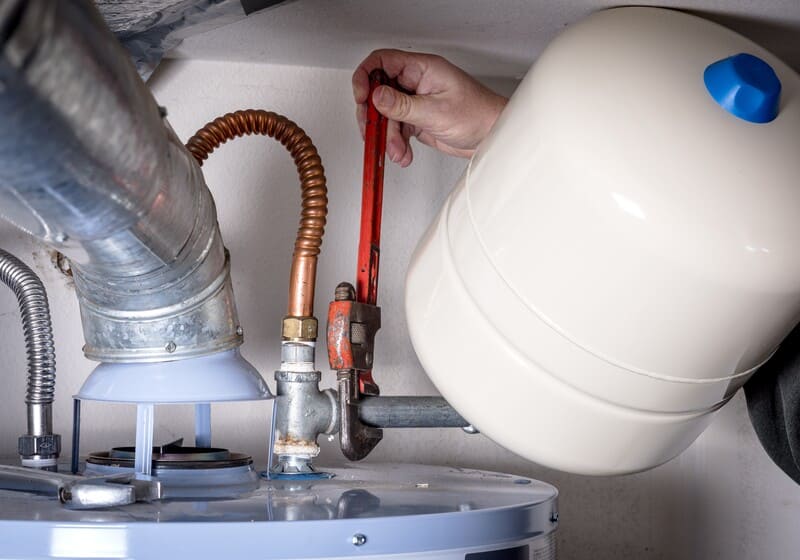
We’ll bet on the fact that you haven’t thought about flushing your hot water heater in awhile—if ever. But, while it’s one of those tasks that’s easy to forget, it’s necessary for maintaining an efficient system that lasts for the duration of its life expectancy (about eight to 12 years). Why is Flushing Your Hot Water Heater Important? Over time, hot water heaters collect sediment, or mineral deposits, at the bottom. These mineral deposits are typically the result of hard water. If your hot water heater doesn’t get flushed over the course of years, it can lead to a premature breakdown or even a burst tank. How often you’ll need to flush your hot water heater depends on how hard your water is. Coastal and southeastern states typically don’t experience hard water to the degree that Midwestern and western states do. For those living in states with softer water, once every three years is a good rule of thumb, and for those with harder water, flushing once a year is a good idea. How to Flush Your Hot Water Heater Hot water heaters generally fall into two types: gas and electric. How each type is flushed is similar except for

Read More »

Benefits of a Pre-Listing Home Inspection

When you’re trying to sell your home, should you hire your own home inspector? It’s a good question, and it’s one many homeowners ask their real estate agents before putting their houses on the market. As it turns out, there are a lot of great reasons to get a pre-listing home inspection before a buyer makes an offer. We’ll tell you everything you need to know below for a smooth, hassle-free sale process. 1. You won’t be surprised. There are certain flaws about your home you’re already well aware of, but what about the things you know nothing about? When you order a pre-listing inspection, you get a top-to-bottom report of hundreds of features and systems in your home. If any problems are revealed, you’ll have a chance to repair them or build repairs into your asking price. This is especially good for DIYers, who can save a lot of money by completing simple repairs themselves. 2. You can price your home more accurately. Pricing is one of the toughest parts of selling your home, but a pre-listing inspection makes it easier. Once you have a full picture of your home’s strengths and weaknesses, you can be a lot more

Read More »

Everything You Need to Know About Attic and Roof Ventilation

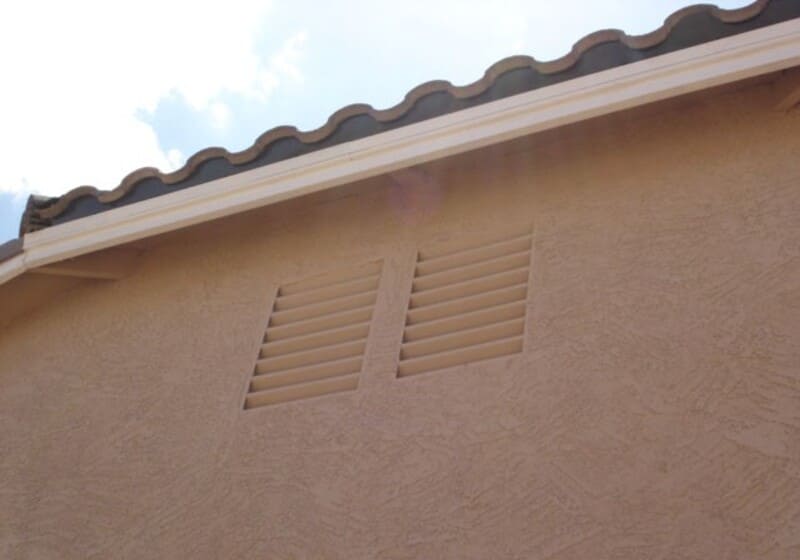
We all understand the importance of a healthy roof for keeping a home in great condition. But what’s one often overlooked area that plays a huge role in a roof’s performance and efficiency? Ventilation. Here, we’ll go over how to determine whether you need better roof and attic ventilation. Why is Good Ventilation So Important? When we refer to roof ventilation, we’re not talking about anything complicated or mysterious. We still mean airflow, or circulation. Roof ventilation requires consistent airflow to function properly. This is typically achieved mechanically, through a power source, or naturally, using the stack effect or the wind effect. The stack effect occurs when hot air rises and creates pressure in the attic. In order to avoid growing too hot, the hot air, known as exhaust, needs a means for escaping through the roof. Exhaust cannot escape an attic without cool, lower-pressure air entering the attic, air known as intake. Exhaust and intake work together to keep airflow steady and create a well-ventilated attic. If this circulatory system isn’t adequate, your roof could experience a number of problems. Attic Ventilation: Telltale Signs You Need More Ice dams Ice buildup on a roof is known as ice damming.

Read More »

What You Need to Know About Sandblasting

Sandblasting is the process of sanding a surface to remove rough edges or foreign materials. Sandblasting makes sanding much easier, as it is pressure-driven and easily reaches hard-to-sand areas like nooks and crannies. The “blasting” is done using compressed air to blow sand through a nozzle for a smooth, clean finish. Depending on the project, you can use abrasive materials other than sand to prepare a surface for repainting, staining or refinishing. What Materials Can Be Sandblasted? Costs for Sandblasting Sandblasting can be performed on a variety of material and is preferable when sandpaper or hand-held sanders are just not appropriate for the task at hand. Sandblasting can save you time, strenuous work and the demanding physical labor of bending, sitting, squatting and reaching. If you have never sandblasted before, you may want to contact a professional. Using a blaster without experience could potentially cause injury if correct measures are not taken or followed. In addition, keep the following in mind: Originally published November 2, 2015, updated August 23, 2018.

Read More »

How to Remove Paint from Wood

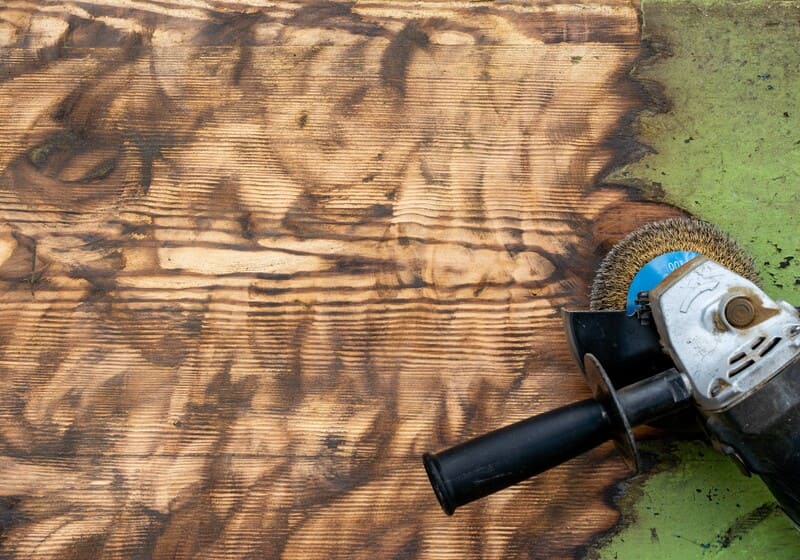
You found the perfect piece of wood furniture at your local flea market, but you can’t stand the paint job. It’s rough, splotchy and on top of that it’s an ugly color, but don’t give up on it just yet! Removing paint from wood can be painstaking, but it’s definitely worth it for the results. We’ll show you the best tools and techniques to make the process as easy as possible. The Tools You Need Every job is a little bit different, so depending on what item you’re trying to remove paint from, you’ll need a combination of some or all of these items. A Word on Lead Paint If you’re working on an older piece, know that the paint you’re removing may be lead-based, which means no sanding. There’s only one way to know for sure whether you’re dealing with lead paint, and that’s by testing it. You can use an at-home test kit (least expensive), mail a sample out to a lab (a bit more expensive), or hire a professional to come in and perform an X-ray fluorescence test (most expensive by far). If the paint you’re removing contains lead, there are a few things to keep in

Read More »

5 Signs You Might Have a Foundation Problem

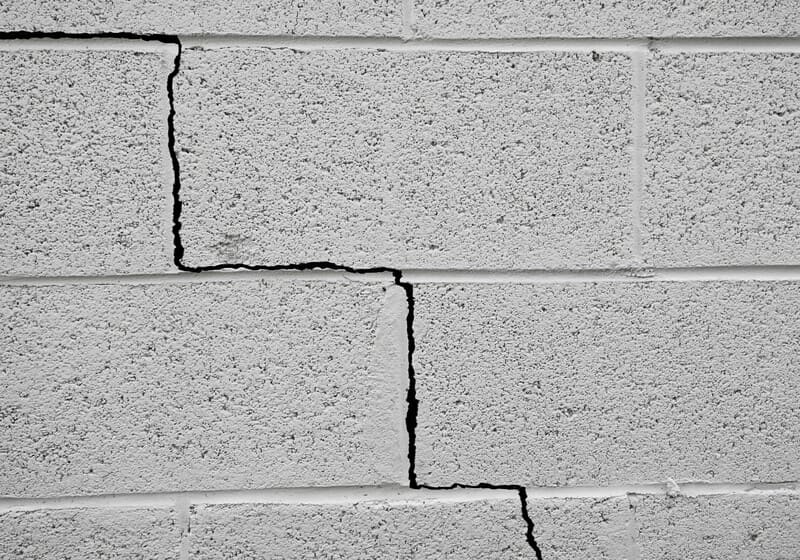
Foundation issues can easily be one of the most expensive things you’ll deal with as a homeowner. The thing is, most of the time it’s kind of hard to tell what a real foundation problem is and what isn’t. Since literally everything rests on your foundation, you can see subtle signs that might spell foundation trouble all over your house—you just have to know where to look. Before We Begin It’s important to note that the following warning signs of foundation problems don’t necessarily mean you have one. The truth is that all houses settle over time—there’s no way around it, and a little bit of settling is to be expected. However, if you’re noticing many of these occurring at once, it’s a good idea to bring in a professional to get their opinion. Also, keep in mind that the age of your home isn’t the only factor involved with foundation issues. Depending on the condition of the soil, the climate and more, even new houses can exhibit the problems below. 1. Doors and Windows are Tough to Close A substantial shift in your foundation often causes doors and windows throughout the home to misalign. Windows might be difficult or

Read More »

What is Paint Primer and Do I Need It?

When it comes to painting rooms in your home, you want the process to be as fast and easy as possible, which is why a lot of people tend to skip primer. Paint primer is actually one of the most important steps in getting a professional-looking job with less time and effort. We’ll break down what paint primer is, what’s it’s for, when you want to use it and when it’s okay to skip it. What is Paint Primer, Anyway? Paint primer is just what it sounds like—it’s a white-colored base coat that you apply first, before you start in with your expensive latex paint. It “primes” the surface you’re painting, so you get better adherence and coverage in fewer coats. Even though it adds an extra step, paint primer is a great time-saver in most instances and actually makes your paint job more durable, long-lasting and less likely to chip. When You Should Use Paint Primer There are some jobs where paint primer can be optional, but most of the time it’s a good idea. Before you break out the brushes and rollers, see if your job is on this list. When It’s Okay to Skip Paint Primer Call

Read More »

Folding Fitted Sheets Made Easy

Here’s a familiar sight—your sheets are fresh out of the dryer, and now everything needs to be folded. You take care of the flat sheet, no problem. Pillow cases, easy. Fitted sheet? Hold on a second. If you think the only way to fold fitted sheets is to crumple them into a messy ball and throw them in the closet, you’re not alone. Sure, fitted sheets are unruly, but there’s a better way to fold them that’s a snap to learn. Before We Get Started Why are we going through this in the first place? Isn’t it enough that your fitted sheets get sort of folded and stuffed in the linen closet? At least they’re not ending up in a pile on the floor, right? Well, there are a few good reasons to take the extra minute and do the job correctly. First, your sheets will stay wrinkle-free, which we all know deep down is better than the alternative. Second, folding your fitted sheets actually saves a ton of room in your linen closet, so if you’re one of those people who keeps more sheets, towels and other linen-closet-y things than you probably need, anything you can do to create

Read More »

How to Organize Your Garage in One Weekend

The garage is one of those spaces that often serves as a “dump” zone. Not only does it house bikes, tools and lawnmowers, anything that can’t be stored inside tends to get shuffled off there. And before you know it, you can’t see the floor! While we realize everyone’s storage space and belongings are different, we have a few tips to help you organize your garage in a stress-free way that makes sense. It’s Not Just You Before you go feeling ashamed at the state of your garage, know that up to 57 percent of people with a two-car can’t even park one vehicle inside due to the sheer volume of clutter. Whether you want to blame it on consumerism, the homeowner DIY movement, or something else entirely, Americans have a lot of stuff. And with our busy schedules, we don’t make a lot of time to think about how we store it. Because we’re betting on there being several years’ worth of clutter to sort through, we recommend setting aside one full weekend to conquer your garage with your undivided attention. It might not be the most fun you’ve ever had, but it’ll be worth it. Make it a

Read More »

Wet Bar vs. Dry Bar: Which One is Right for You?

If you’ve been thinking about updating your basement or patio by putting in a bar, you have a lot of options, starting with whether you want a wet bar or a dry bar. But what’s the difference? Both are great for entertaining your family and friends, but they’re each suited to specific purposes. Read on to learn the difference between wet bars and dry bars and which one will suit your home best! Wet Bar vs. Dry Bar: A Simple Difference In some ways, a bar is a bar is a bar. They all provide an additional place in your home for friends and family to gather, chat and have fun while they watch you mix up their favorite beverages. What type of bar you choose is going to depend largely on what kind of space you’re working with, and where you want to put it. The difference between a wet bar and a dry bar is simple—a wet bar has a sink built in, and a dry bar doesn’t, but this leads to some key differences in installation and usage. Wet Bar Pros and Cons First of all, wet bars are more versatile than their dry counterparts. For instance,

Read More »

How to Flush Your Hot Water Heater the Easy Way

We’ll bet on the fact that you haven’t thought about flushing your hot water heater in awhile—if ever. But, while it’s one of those tasks that’s easy to forget, it’s necessary for maintaining an efficient system that lasts for the duration of its life expectancy (about eight to 12 years). Why is Flushing Your Hot Water Heater Important? Over time, hot water heaters collect sediment, or mineral deposits, at the bottom. These mineral deposits are typically the result of hard water. If your hot water heater doesn’t get flushed over the course of years, it can lead to a premature breakdown or even a burst tank. How often you’ll need to flush your hot water heater depends on how hard your water is. Coastal and southeastern states typically don’t experience hard water to the degree that Midwestern and western states do. For those living in states with softer water, once every three years is a good rule of thumb, and for those with harder water, flushing once a year is a good idea. How to Flush Your Hot Water Heater Hot water heaters generally fall into two types: gas and electric. How each type is flushed is similar except for

Read More »

Benefits of a Pre-Listing Home Inspection

When you’re trying to sell your home, should you hire your own home inspector? It’s a good question, and it’s one many homeowners ask their real estate agents before putting their houses on the market. As it turns out, there are a lot of great reasons to get a pre-listing home inspection before a buyer makes an offer. We’ll tell you everything you need to know below for a smooth, hassle-free sale process. 1. You won’t be surprised. There are certain flaws about your home you’re already well aware of, but what about the things you know nothing about? When you order a pre-listing inspection, you get a top-to-bottom report of hundreds of features and systems in your home. If any problems are revealed, you’ll have a chance to repair them or build repairs into your asking price. This is especially good for DIYers, who can save a lot of money by completing simple repairs themselves. 2. You can price your home more accurately. Pricing is one of the toughest parts of selling your home, but a pre-listing inspection makes it easier. Once you have a full picture of your home’s strengths and weaknesses, you can be a lot more

Read More »

Everything You Need to Know About Attic and Roof Ventilation

We all understand the importance of a healthy roof for keeping a home in great condition. But what’s one often overlooked area that plays a huge role in a roof’s performance and efficiency? Ventilation. Here, we’ll go over how to determine whether you need better roof and attic ventilation. Why is Good Ventilation So Important? When we refer to roof ventilation, we’re not talking about anything complicated or mysterious. We still mean airflow, or circulation. Roof ventilation requires consistent airflow to function properly. This is typically achieved mechanically, through a power source, or naturally, using the stack effect or the wind effect. The stack effect occurs when hot air rises and creates pressure in the attic. In order to avoid growing too hot, the hot air, known as exhaust, needs a means for escaping through the roof. Exhaust cannot escape an attic without cool, lower-pressure air entering the attic, air known as intake. Exhaust and intake work together to keep airflow steady and create a well-ventilated attic. If this circulatory system isn’t adequate, your roof could experience a number of problems. Attic Ventilation: Telltale Signs You Need More Ice dams Ice buildup on a roof is known as ice damming.

Read More »

What You Need to Know About Sandblasting

Sandblasting is the process of sanding a surface to remove rough edges or foreign materials. Sandblasting makes sanding much easier, as it is pressure-driven and easily reaches hard-to-sand areas like nooks and crannies. The “blasting” is done using compressed air to blow sand through a nozzle for a smooth, clean finish. Depending on the project, you can use abrasive materials other than sand to prepare a surface for repainting, staining or refinishing. What Materials Can Be Sandblasted? Costs for Sandblasting Sandblasting can be performed on a variety of material and is preferable when sandpaper or hand-held sanders are just not appropriate for the task at hand. Sandblasting can save you time, strenuous work and the demanding physical labor of bending, sitting, squatting and reaching. If you have never sandblasted before, you may want to contact a professional. Using a blaster without experience could potentially cause injury if correct measures are not taken or followed. In addition, keep the following in mind: Originally published November 2, 2015, updated August 23, 2018.

Read More »

How to Remove Paint from Wood

You found the perfect piece of wood furniture at your local flea market, but you can’t stand the paint job. It’s rough, splotchy and on top of that it’s an ugly color, but don’t give up on it just yet! Removing paint from wood can be painstaking, but it’s definitely worth it for the results. We’ll show you the best tools and techniques to make the process as easy as possible. The Tools You Need Every job is a little bit different, so depending on what item you’re trying to remove paint from, you’ll need a combination of some or all of these items. A Word on Lead Paint If you’re working on an older piece, know that the paint you’re removing may be lead-based, which means no sanding. There’s only one way to know for sure whether you’re dealing with lead paint, and that’s by testing it. You can use an at-home test kit (least expensive), mail a sample out to a lab (a bit more expensive), or hire a professional to come in and perform an X-ray fluorescence test (most expensive by far). If the paint you’re removing contains lead, there are a few things to keep in

Read More »

5 Signs You Might Have a Foundation Problem

Foundation issues can easily be one of the most expensive things you’ll deal with as a homeowner. The thing is, most of the time it’s kind of hard to tell what a real foundation problem is and what isn’t. Since literally everything rests on your foundation, you can see subtle signs that might spell foundation trouble all over your house—you just have to know where to look. Before We Begin It’s important to note that the following warning signs of foundation problems don’t necessarily mean you have one. The truth is that all houses settle over time—there’s no way around it, and a little bit of settling is to be expected. However, if you’re noticing many of these occurring at once, it’s a good idea to bring in a professional to get their opinion. Also, keep in mind that the age of your home isn’t the only factor involved with foundation issues. Depending on the condition of the soil, the climate and more, even new houses can exhibit the problems below. 1. Doors and Windows are Tough to Close A substantial shift in your foundation often causes doors and windows throughout the home to misalign. Windows might be difficult or

Read More »