Posts

Maintaining Your Sprinkler System

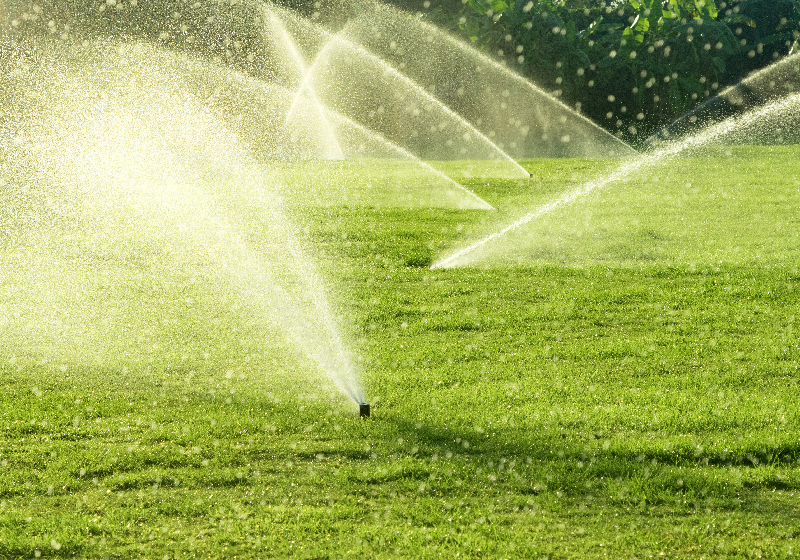
A sprinkler system is a great and easy way to keep your lawn looking fresh through the hot summer months. They also require continual maintenance to ensure you don’t turn your beautiful lawn into a pond. Here are some common issues that can come with a sprinkler system and how to fix them. Sunken Heads Over time, the composition of your lawn’s soil can change and shift around. This causes your irrigation system to sink and settle deeper into the ground, shortening the sprinkler heads. Sunken heads don’t have as much clearance above surrounding plants, and therefore don’t cover their intended area. If you notice lots of brown spots or pooled water, the culprit might be a sunken head. Simply digging around the head and adjusting the pipe and filling the space back in will straighten it out. Be careful as you dig to not hit and break the water pipe. Low Water Pressure Inefficient water pressure going through your system is another reason that the heads aren’t popping up all the way. It can also be the sign of a larger issue with your system. Low pressure could mean that there is a break or a leak somewhere along
Read More »

Choosing the Right Home Inspector

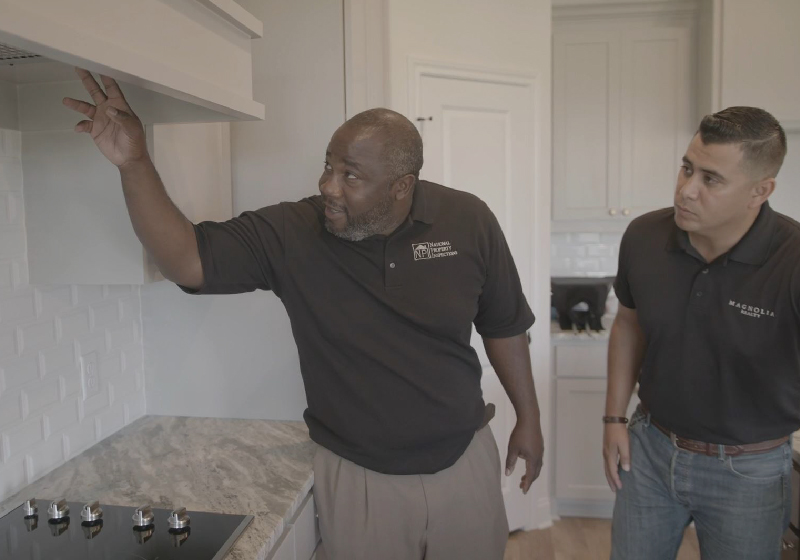
Being a homeowner is a major accomplishment! Everyone dreams of getting their own place, and landing your first home is a great feeling. It’s also a big investment to both buy and maintain it. One way you can protect yourself is by having a home inspection performed at the time of the transaction. With different choices for inspection companies, how do you choose the best one? Where to Look When you Google home inspectors in your area, you’re likely to be returned dozens of results. Narrowing down your choices will take a little digging and diligence, but you should get a clear idea of what to expect from each company by perusing websites and reviews. You can also look for a company through inspector databases at the local or national level. Check Their Licenses Along with being part of a verified inspector database, look at what other licensing the inspector has. Are they part of accredited associations like ASHI or InterNACHI? What about certifications for extra services like drones or radon? Even just ensuring they’re licensed properly with the state (if required) will show that the inspector is following all necessary regulations. You’ll know that they’re being held to certain

Read More »

Should You Get a Builder’s Warranty Inspection?

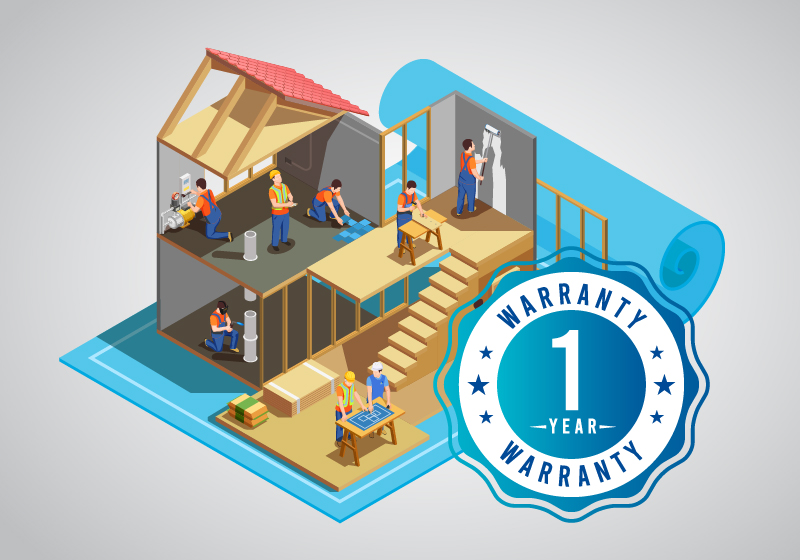
There’s no feeling quite like moving into your dream home, especially if you’ve watched with anticipation as it was being built from the ground up. If it’s your first home, then there’s double the cause for celebration! There can be a lot to learn about your home, from the foundation to the water heater, and you want to be sure that everything is functioning properly before your one-year warranty expires. That’s why it’s always a smart decision to get a builder’s warranty inspection. What’s a builder’s warranty and what does it do? After your home is finished, your builder will likely offer you a one-year warranty. This warranty is intended to cover any needed repairs up to one year after you’ve moved in. You protect yourself from any damage to your home, and it helps keep the builder accountable for their work. Getting a home inspection before your builder’s warranty expires will help catch potential issues early on, and could potentially save you thousands of dollars down the road. Aren’t you fine with just a municipal inspection? Your new home was likely assessed by municipal inspectors from the city or county to ensure it was safe to live in before

Read More »

Caring for Your Stucco Siding

Stucco is one of the most durable siding materials. Because of this, homes that use stucco can be some of the oldest, as they’re highly resistant to fire, rot, and insects. This makes upkeep easier than other forms of siding like vinyl or traditional wood. While you don’t, for the most part, need to do intensive maintenance, it’s still good to schedule in regular cleanings to keep your stucco in top shape. What Goes Into Stucco Stucco, sometimes called “plaster siding,” is a mix of different substances that hasn’t changed very much since it was first used. It’s common for stucco to only be on the outside of the home, but it’s also possible to have a stucco interior. The exterior portion traditionally has four layers, but newer methods only need two at the most. Builder’s sand, Portland cement, hydrated lime, water, and fiber are all mixed together to create the coating. For places where the earth shifts more, polymers are added to increase the siding’s flexibility. Use Water on Dirt Spots Because it’s so porous, stucco tends to collect dirt and grime fairly easily. Luckily, you don’t need more than a bucket of water and a brush to clean

Read More »

What to Know About Removing Wood Paneling

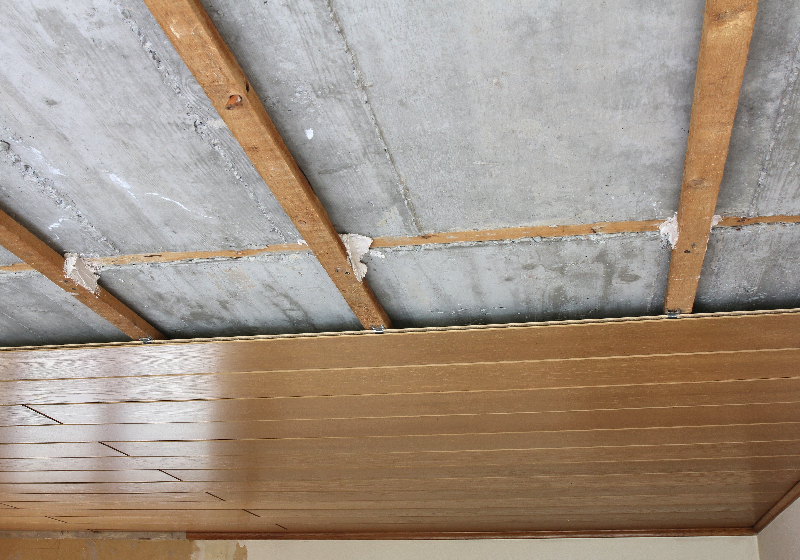
Homes of the past can be time capsules of design styles from long ago. From shag carpeting to floral wallpaper, these features can take you back in a house’s history. But you might feel as if your home looks a bit outdated for your liking. Wood paneling is a common style used in homes built from the 1950s through the 1970s whose heyday has certainly come and gone. The good news is that it doesn’t take much to do a quick update! Tools for the Job Removing wood paneling is relatively quick and easy, making it a great weekend project! As you get ready to demo, make sure that you have: You can also get the materials you need to hang drywall to replace the paneling. Depending on how big of an area you’re remodeling, it might be worth it to rent a dumpster so that everything gets disposed of properly. Set Up the Room As with any project, you want to protect the spots you aren’t going to be working on. Before you start ripping off any paneling, lay down plastic sheeting. This will prevent dust from getting everywhere and also catch loose nails. Take off any outlet covers

Read More »

How to Patch Up a Hole in Your Drywall

Holes and dents in your drywall can be one of the more aggravating things you have to deal with as a homeowner. Maybe you accidentally slammed a piece of furniture into the wall, a door handle left a puncture mark, or your kids got too rowdy playing ball in the house. Whatever the reason, you might be wondering about the best way to patch things up. Before You Begin There are a couple of things you need to do before you start cutting into your wall. First, check that the area is free from pipes or wiring. You don’t want to turn a small, fixable problem into a larger and more costly one. Also if you realize that it’s a bigger project than what you feel comfortable with, it’s best to call for backup. If you decide to tackle things yourself, you’ll need some tools: As you gather everything you need, get a pair of safety goggles and a dust mask to keep bits of paint and drywall out of your eyes and respiratory system. Square Off the Hole Holes that are larger than four inches in diameter have to be squared off and covered with new drywall. Using a

Read More »

Simple Tips to Keep Your Plumbing Flowing

Your home’s plumbing requires continual maintenance in order to function properly. However, that can be easier said than done. It doesn’t take much to clog or damage your pipes, and you could find yourself paying for expensive repairs. Luckily, a little bit of preventative action on your part can help you avoid a larger issue. A lot can happen to your plumbing. There’s a multitude of reasons that your plumbing is struggling. From a child’s toy lodged in the toilet to a crack somewhere down the line, it could take a bit of work to correctly identify and treat the cause. Some of the most common problems are: Roots are also a top cause for your pipes to become broken. Trees, bushes, and other vegetation are attracted to the water from a leaky pipe and can grow in small cracks. Since most plants grow relatively slow, it could take years before you notice. Don’t rely on your garbage disposal. If your sink has a garbage disposal, don’t rely on it to chop up everything. Not all the food gets ground up completely and certain foods can clump together in your drain. Dump your leftovers into a trashcan, and when you

Read More »

Ensure Your Pool is Safe for Summer Fun

As you get your pool in shape for the season, take a moment to go over your safety checklist. While a fun way to take a break from the summertime heat, pools also can be dangerous areas for young children and pets. Here’s what you need to do to keep everyone safe and cool. “I don’t have kids or pets, do I still need to take precautions?” Even if you don’t have young kids or pets, you should still make a safe swimming environment for them. It’s been shown that curious children and animals can wander into a pool area and find themselves in drowning danger. In fact, some states may even require you to implement security systems to prevent this. Florida for example requires you to have an approved pool cover and surrounding barrier at least four feet tall. Even individual counties could have requirements to post signage around residential pools. In this case, it’s always best to check local, state, and also federal laws to see what you need to do. Clean your pool of toys and floats. Kids are easily enticed by fun objects like pool floats and other toys that they see in the water. This

Read More »

How to Handle Mold in Your Attic

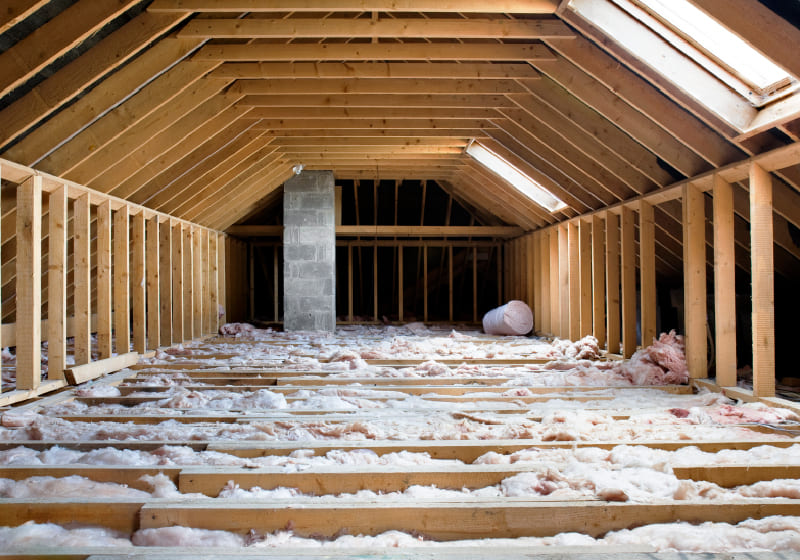
Attic mold is one of the most common maintenance issues, with thousands of homes each year requiring an infestation removal. Attics are notorious for producing the right conditions for a mold outbreak, as there can be an excess of moisture if your roof isn’t properly sealed. Unless you consistently check your attic for mold and other issues, the problem can quickly grow out of control and turn into an expensive repair. Luckily, there are ways for you to stop mold before it appears. What Causes Mold?The main reason that mold forms in your home is a large amount of moisture accumulation. If you live in an area that has humid summers, the chances of mold growth increase. Attics that aren’t well ventilated trap moisture and don’t allow for the wooden beams to properly dry out. Ventilation is also important when it comes to your kitchen stove, bathroom fans, and even your dryer. Appliances that don’t correctly exit through your roof can deposit water droplets in your attic as well. Even a small hole in your shingles or a gap between your roof and gutters creates an opening for water intrusion. How to Spot MoldThere are several ways you can tell

Read More »

Should You Get a Storm Door?

A storm door can be a nice finishing touch to your home’s entryway. The storm doors of today have long evolved from the old screen style that your grandparents might’ve owned. They come in a variety of styles and colors to make finding the right fit easier. But aside from looks, what other purpose do storm doors serve? Are they a worthwhile purchase, or simply something you can go on without? Customization You have a ton of options when it comes to choosing a storm door. They can come in vinyl, wood, aluminum, or fiberglass material depending on which you prefer. Storm doors feature either a full-length window, or some models have a half or three-quarters window that can slide down into a screen. Privacy screens can even be placed in between the glass, and handles and hinges can all be designed to match the rest of your home’s facade. More Than Looks Storm doors offer more than just a quick spruce-up for your home. Just as their name implies, they add an extra layer of protection from extreme weather like rain and snow. A locked storm door can also deter burglars from trying to break in. Along with keeping

Read More »

Maintaining Your Sprinkler System

A sprinkler system is a great and easy way to keep your lawn looking fresh through the hot summer months. They also require continual maintenance to ensure you don’t turn your beautiful lawn into a pond. Here are some common issues that can come with a sprinkler system and how to fix them. Sunken Heads Over time, the composition of your lawn’s soil can change and shift around. This causes your irrigation system to sink and settle deeper into the ground, shortening the sprinkler heads. Sunken heads don’t have as much clearance above surrounding plants, and therefore don’t cover their intended area. If you notice lots of brown spots or pooled water, the culprit might be a sunken head. Simply digging around the head and adjusting the pipe and filling the space back in will straighten it out. Be careful as you dig to not hit and break the water pipe. Low Water Pressure Inefficient water pressure going through your system is another reason that the heads aren’t popping up all the way. It can also be the sign of a larger issue with your system. Low pressure could mean that there is a break or a leak somewhere along

Read More »

Choosing the Right Home Inspector

Being a homeowner is a major accomplishment! Everyone dreams of getting their own place, and landing your first home is a great feeling. It’s also a big investment to both buy and maintain it. One way you can protect yourself is by having a home inspection performed at the time of the transaction. With different choices for inspection companies, how do you choose the best one? Where to Look When you Google home inspectors in your area, you’re likely to be returned dozens of results. Narrowing down your choices will take a little digging and diligence, but you should get a clear idea of what to expect from each company by perusing websites and reviews. You can also look for a company through inspector databases at the local or national level. Check Their Licenses Along with being part of a verified inspector database, look at what other licensing the inspector has. Are they part of accredited associations like ASHI or InterNACHI? What about certifications for extra services like drones or radon? Even just ensuring they’re licensed properly with the state (if required) will show that the inspector is following all necessary regulations. You’ll know that they’re being held to certain

Read More »

Should You Get a Builder’s Warranty Inspection?

There’s no feeling quite like moving into your dream home, especially if you’ve watched with anticipation as it was being built from the ground up. If it’s your first home, then there’s double the cause for celebration! There can be a lot to learn about your home, from the foundation to the water heater, and you want to be sure that everything is functioning properly before your one-year warranty expires. That’s why it’s always a smart decision to get a builder’s warranty inspection. What’s a builder’s warranty and what does it do? After your home is finished, your builder will likely offer you a one-year warranty. This warranty is intended to cover any needed repairs up to one year after you’ve moved in. You protect yourself from any damage to your home, and it helps keep the builder accountable for their work. Getting a home inspection before your builder’s warranty expires will help catch potential issues early on, and could potentially save you thousands of dollars down the road. Aren’t you fine with just a municipal inspection? Your new home was likely assessed by municipal inspectors from the city or county to ensure it was safe to live in before

Read More »

Caring for Your Stucco Siding

Stucco is one of the most durable siding materials. Because of this, homes that use stucco can be some of the oldest, as they’re highly resistant to fire, rot, and insects. This makes upkeep easier than other forms of siding like vinyl or traditional wood. While you don’t, for the most part, need to do intensive maintenance, it’s still good to schedule in regular cleanings to keep your stucco in top shape. What Goes Into Stucco Stucco, sometimes called “plaster siding,” is a mix of different substances that hasn’t changed very much since it was first used. It’s common for stucco to only be on the outside of the home, but it’s also possible to have a stucco interior. The exterior portion traditionally has four layers, but newer methods only need two at the most. Builder’s sand, Portland cement, hydrated lime, water, and fiber are all mixed together to create the coating. For places where the earth shifts more, polymers are added to increase the siding’s flexibility. Use Water on Dirt Spots Because it’s so porous, stucco tends to collect dirt and grime fairly easily. Luckily, you don’t need more than a bucket of water and a brush to clean

Read More »

What to Know About Removing Wood Paneling

Homes of the past can be time capsules of design styles from long ago. From shag carpeting to floral wallpaper, these features can take you back in a house’s history. But you might feel as if your home looks a bit outdated for your liking. Wood paneling is a common style used in homes built from the 1950s through the 1970s whose heyday has certainly come and gone. The good news is that it doesn’t take much to do a quick update! Tools for the Job Removing wood paneling is relatively quick and easy, making it a great weekend project! As you get ready to demo, make sure that you have: You can also get the materials you need to hang drywall to replace the paneling. Depending on how big of an area you’re remodeling, it might be worth it to rent a dumpster so that everything gets disposed of properly. Set Up the Room As with any project, you want to protect the spots you aren’t going to be working on. Before you start ripping off any paneling, lay down plastic sheeting. This will prevent dust from getting everywhere and also catch loose nails. Take off any outlet covers

Read More »

How to Patch Up a Hole in Your Drywall

Holes and dents in your drywall can be one of the more aggravating things you have to deal with as a homeowner. Maybe you accidentally slammed a piece of furniture into the wall, a door handle left a puncture mark, or your kids got too rowdy playing ball in the house. Whatever the reason, you might be wondering about the best way to patch things up. Before You Begin There are a couple of things you need to do before you start cutting into your wall. First, check that the area is free from pipes or wiring. You don’t want to turn a small, fixable problem into a larger and more costly one. Also if you realize that it’s a bigger project than what you feel comfortable with, it’s best to call for backup. If you decide to tackle things yourself, you’ll need some tools: As you gather everything you need, get a pair of safety goggles and a dust mask to keep bits of paint and drywall out of your eyes and respiratory system. Square Off the Hole Holes that are larger than four inches in diameter have to be squared off and covered with new drywall. Using a

Read More »

Simple Tips to Keep Your Plumbing Flowing

Your home’s plumbing requires continual maintenance in order to function properly. However, that can be easier said than done. It doesn’t take much to clog or damage your pipes, and you could find yourself paying for expensive repairs. Luckily, a little bit of preventative action on your part can help you avoid a larger issue. A lot can happen to your plumbing. There’s a multitude of reasons that your plumbing is struggling. From a child’s toy lodged in the toilet to a crack somewhere down the line, it could take a bit of work to correctly identify and treat the cause. Some of the most common problems are: Roots are also a top cause for your pipes to become broken. Trees, bushes, and other vegetation are attracted to the water from a leaky pipe and can grow in small cracks. Since most plants grow relatively slow, it could take years before you notice. Don’t rely on your garbage disposal. If your sink has a garbage disposal, don’t rely on it to chop up everything. Not all the food gets ground up completely and certain foods can clump together in your drain. Dump your leftovers into a trashcan, and when you

Read More »

Ensure Your Pool is Safe for Summer Fun

As you get your pool in shape for the season, take a moment to go over your safety checklist. While a fun way to take a break from the summertime heat, pools also can be dangerous areas for young children and pets. Here’s what you need to do to keep everyone safe and cool. “I don’t have kids or pets, do I still need to take precautions?” Even if you don’t have young kids or pets, you should still make a safe swimming environment for them. It’s been shown that curious children and animals can wander into a pool area and find themselves in drowning danger. In fact, some states may even require you to implement security systems to prevent this. Florida for example requires you to have an approved pool cover and surrounding barrier at least four feet tall. Even individual counties could have requirements to post signage around residential pools. In this case, it’s always best to check local, state, and also federal laws to see what you need to do. Clean your pool of toys and floats. Kids are easily enticed by fun objects like pool floats and other toys that they see in the water. This

Read More »

How to Handle Mold in Your Attic

Attic mold is one of the most common maintenance issues, with thousands of homes each year requiring an infestation removal. Attics are notorious for producing the right conditions for a mold outbreak, as there can be an excess of moisture if your roof isn’t properly sealed. Unless you consistently check your attic for mold and other issues, the problem can quickly grow out of control and turn into an expensive repair. Luckily, there are ways for you to stop mold before it appears. What Causes Mold?The main reason that mold forms in your home is a large amount of moisture accumulation. If you live in an area that has humid summers, the chances of mold growth increase. Attics that aren’t well ventilated trap moisture and don’t allow for the wooden beams to properly dry out. Ventilation is also important when it comes to your kitchen stove, bathroom fans, and even your dryer. Appliances that don’t correctly exit through your roof can deposit water droplets in your attic as well. Even a small hole in your shingles or a gap between your roof and gutters creates an opening for water intrusion. How to Spot MoldThere are several ways you can tell

Read More »

Should You Get a Storm Door?

A storm door can be a nice finishing touch to your home’s entryway. The storm doors of today have long evolved from the old screen style that your grandparents might’ve owned. They come in a variety of styles and colors to make finding the right fit easier. But aside from looks, what other purpose do storm doors serve? Are they a worthwhile purchase, or simply something you can go on without? Customization You have a ton of options when it comes to choosing a storm door. They can come in vinyl, wood, aluminum, or fiberglass material depending on which you prefer. Storm doors feature either a full-length window, or some models have a half or three-quarters window that can slide down into a screen. Privacy screens can even be placed in between the glass, and handles and hinges can all be designed to match the rest of your home’s facade. More Than Looks Storm doors offer more than just a quick spruce-up for your home. Just as their name implies, they add an extra layer of protection from extreme weather like rain and snow. A locked storm door can also deter burglars from trying to break in. Along with keeping

Read More »