Tag: ventilation

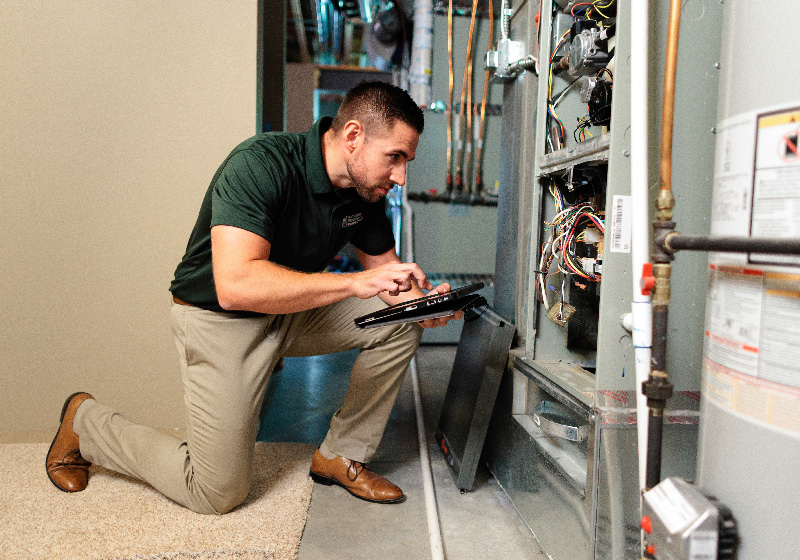
What to Expect: How Long Does a Typical Home Inspection Take?

Purchasing a home can be one of the most simultaneously exciting and stressful processes anyone will go through. Considering the sizable investment and the long-reaching impact that a closing negotiation can have on both the buyer and the seller, it is completely understandable to lose a couple winks of sleep while worrying about each odd detail of a home’s sale. In these instances, buyers (especially first-time homebuyers) who learn about the need of a home inspection can get a bit antsy through the process, viewing the inspection as a roadblock to their homeownership. This is where a frequently answered question comes into play: How long does a home inspection take? While there may be a typical range of time to expect for a general home inspection, there are a wide array of factors that make this question tough to answer point blank. However, in the interest of easing any concerns, we will take some time today to discuss how long a home inspection takes, what can extend or shorten the process, and why a good home inspector needs this time. To begin, let’s review what a home inspection is and why it is a necessary part of every home’s sale.
Read More »

How to Tell if Your House is Haunted

October has officially arrived and, as we march closer and closer to the spookiest day of the year, it’s natural for our minds to focus in on the strange and obscure. If this was your first year in your new home, you may have noticed some of its more interesting quirks or “features.” Some houses seem to groan when the wind hits them just right, others might creak whenever the mood is right. These are just “house noises” that you’re slowly growing accustomed to…right? Many odd occurrences in the home can be explained away with a little bit of investigation, but when attempts at rationality come up short, it can be difficult to brush off the unexplained. As we all know, the Halloween season is best known as one time each year that the barrier between the material world and the spiritual world is its thinnest. In other words, if you have your suspicions that your house just might be haunted, you better figure it out now. To aid you in your investigation, we’ve placed our best paranormal researchers on the job to identify the surefire evidence that proves your house is haunted. Reader beware: only proceed if you want

Read More »

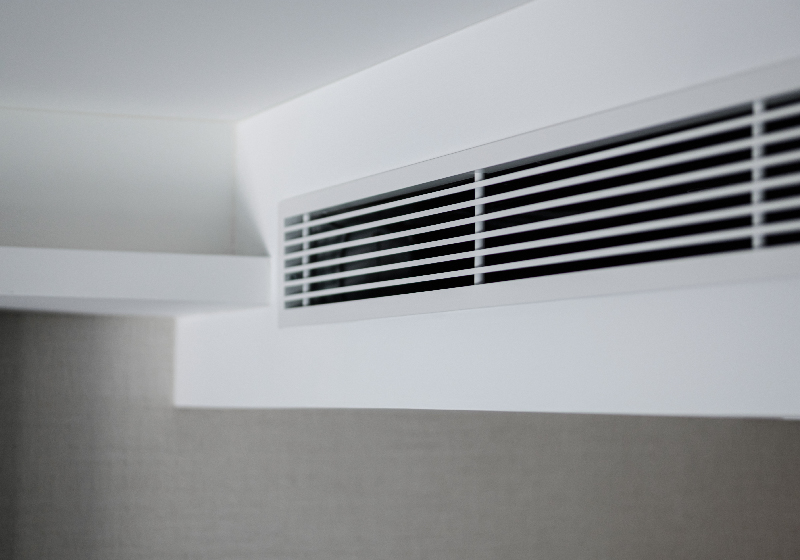
How To Improve Your Home’s Ventilation (And Why It’s Important)

Staying on top of a home’s upkeep can often feel like a full-time job. With every project checked off the list, oftentimes homeowners end up adding two more in a never-ending quest for home improvement. While some home maintenance and home upgrade projects can seem to add a lot to a homeowner’s plate, improving a home’s ventilation systems tends to eliminate many pesky household issues. What is Home Ventilation?Ventilation refers to the systems a home uses to cycle out pollutants and carry in fresh air, while also regulating a comfortable indoor environment. Older homes were able to get by with natural ventilation through windows, doors, and natural air leaks in walls and ceilings, but current systems are more sophisticated. The modern home has become much more air-tight than in the past in an attempt to improve energy efficiency. The side effects of these building philosophies have led to many new maintenance issues and even health problems for families. Homeowners who are unaware of the state of their house’s ventilation systems will benefit from a regular home systems inspection. Why is Ventilation Important?Poor ventilation leads to problems throughout the home. A home has two key contributors to pollutants and condensation: the

Read More »

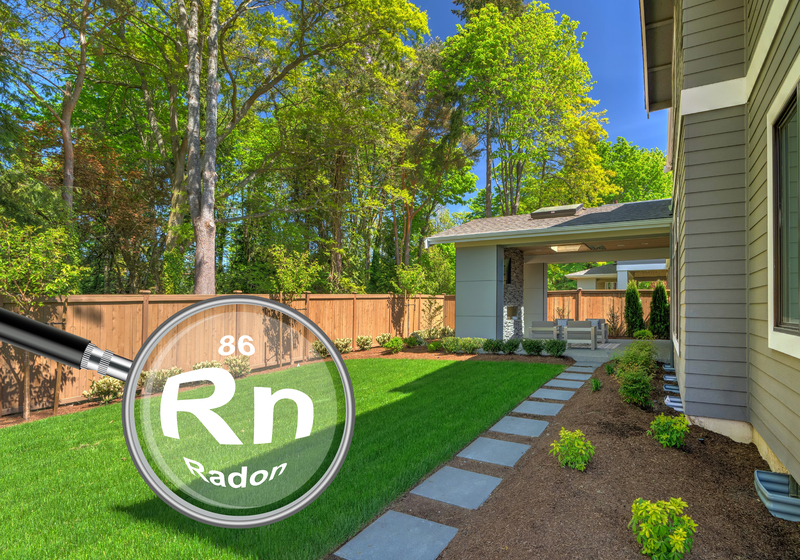
Home Features That Ward Off Radon: A Guide for Homebuyers

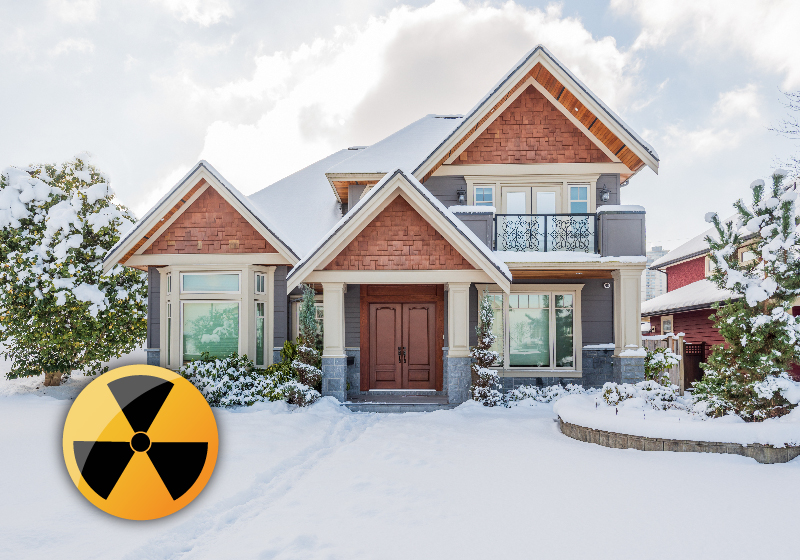
If you aren’t familiar with radon yet, now is the time to learn about this potentially deadly natural gas. Outside of smoking, radon is the number one cause for lung cancer in the US and Canada. One thing that separates radon from other lethal gases, however, is its uniquely subtle nature. radon is an odorless and colorless gas, created through a natural process of uranium deterioration in the soil. Everyone is affected by radon gas, but outside and in the open air, radon has room to freely dilute down to non-hazardous levels. Too frequently though, homes can restrict the space that radon needs to dilute into these safe levels. For Canada, the World Health Organization warns that homes with over 200 Bq/m3 of radon are unsafe and require immediate radon remediation. In the US, this guideline is even lower, at 4 pCi/L (or ~150 Bq/m3). (Check out the WHO’s recent coverage of the topic here.) While not all homes experience the same average volume of radon dilution, the US’s Environmental Protection Agency has published a zone map so that homebuyers can be aware of the overall trends in their area. Only a certified professional can be relied upon for an

Read More »

4 Things That Can Go Wrong With Your Chimney

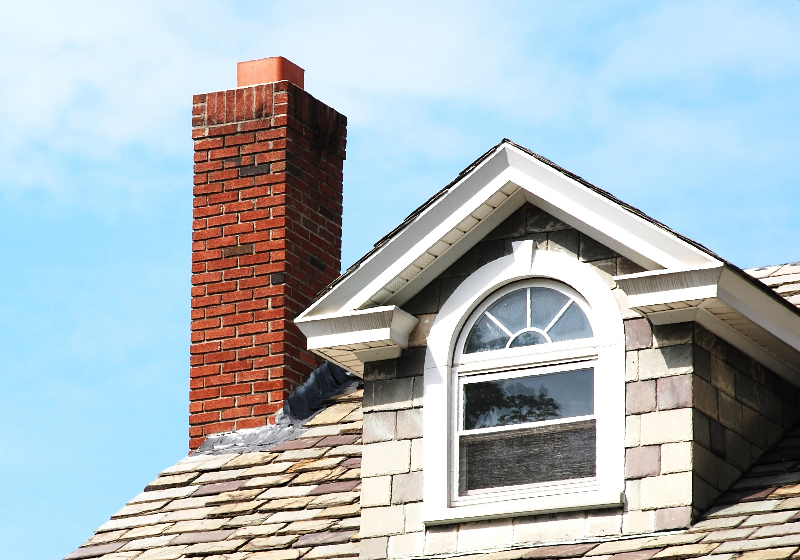
As the weather gets colder, there are some things to consider before starting that first fire. Chimneys are a too-often neglected home amenity, and there are a few hazards homeowners should be aware of. For a warm and safe holiday season, here are a few things about your chimney that you might want to check in on. ObstructionsThe National Fire Protection Association (NFPA) recommends that chimneys be inspected every year, and for good reason! Apart from just ensuring that your chimney is performing as intended, a neglected chimney can result in dangerous house fires or toxic smoke inhalation. A chief factor that can cause these issues is an obstruction within the chimney flue. Any number of obstructions can become dangerous hazards to homeowners. Twigs and leaves can gather, acting as additional kindling, and animals can commonly get stuck inside a chimney flue while searching for warmth or shelter. Depending on your local wildlife, some of the most common animals found in chimneys in North America include raccoons, bats, cats, squirrels, and birds (whose nests also act as additional fire-starters). CreosoteThe interior of a chimney can reach heats of above 2000 degrees Fahrenheit. Because of this, keeping your chimney clear of

Read More »

How to Clean Your Dryer Vent in 3 Easy Steps

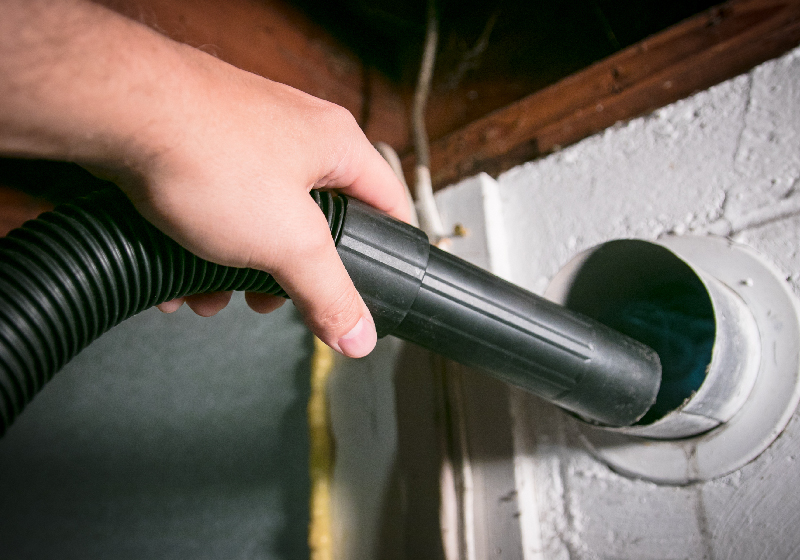
A hidden fire hazard that’s often overlooked is the threat posed by clogged dryer vents. In fact, clogged dryer vents are the cause of 17,000 house fires each year. However, these fires are completely preventable by clearing your dryer’s ventilation systems on a regular basis as doing so not only helps to prevent fires but improves the efficiency of your dryer as well. Luckily, the process of cleaning your dryer vent is an easy one that does not require the assistance of a professional. Supply Checklist Before we begin, you’ll want to make sure that you have all necessary supplies on hand. All you’ll need is a vacuum cleaner, preferably one with a hose extension piece, and a cleaning brush. For starters, you’ll want to move your dryer away from the wall to locate the dryer vent. This is usually located near the bottom of the machine either in the back or side of the appliance. From there you’ll want to identify the short exhaust pipe to the machine. Finally, you’ll want to ensure that you unplug the appliance for safety purposes. Now that everything is in position, you’re ready to clean the dryer vent. Cleaning Your Machine You can

Read More »

What an Energy Audit Can Do for You

The average household spends over $2,000 a year on energy expenses. If you fall into the average, or even find yourself surpassing it), you’re ready to start saving money. One way that you can decrease your usage and spending is by having an energy audit performed. Benefits of an Energy Audit You probably already know the biggest benefit of an energy audit– saving yourself money. But there are other positives you may not have thought of. You’ll also be able to save your appliances, mainly your HVAC system, from wearing out as quickly. You may even find yourself living more comfortably without having to constantly fight your HVAC. What Kinds of Homes Should Get an Audit? It’s a given that most older homes don’t hold up as well as when they were first built, so it’s no surprise they can eventually become an energy sinkhole. Older frames tend to split, and this can allow for a higher amount of intrusion from the outside air. Even if your house is brand new or recently remodeled, there can still be defects within the construction that hinder its efficiency. That’s why it pays to have an energy audit so that you can catch

Read More »

Controlling Radon in Your Home During Winter

Radon is one of the leading causes of lung cancer in the United States and Canada. The odorless, colorless gas can go undetected in a home for years and only get noticed when it’s too late. During the winter, radon levels can spike indoors and pose even more of a threat to you. With January being Radon Action Month, it’s a great opportunity to lower your radon risk during the colder months. Radon and the Cold As the temperature begins to drop outside, radon levels can start to rise in your home. Winter is almost equal to summertime in terms of radon spikes. Although everyone has minimal exposure to radon at all times, certain factors can contribute to you being exposed to unsafe levels. A few of the causes of higher radon during cold months are: Stuck Inside Winter brings with it chilly temperatures that usually keep us inside. However, being stuck inside for several months can be dangerous. If your home already has above-safe levels of radon, you’re increasing the chances of severe health risks by staying shut in. Especially if you have a below-ground level that you like to spend time in, you’re putting yourself even closer to

Read More »

Turn Up the Heat: Prepping Your HVAC System for Winter

As the colder months roll in, it’s time to start preparing your home for chilly weather. One item you need to have on your weatherization to-do list is readying your HVAC system. Especially in locations that get sub-zero temperatures, your heating system will start working overtime. But before you flip on your heater, you need to ensure that it’s ready to go. Change out your air filters. Prior to turning your heater on, swap out the old air filters. These are one of the most important components of keeping your HVAC running efficiently. Clean air filters will also help if you suffer from allergies by cutting down on the amount of dust that’s recycled through your home. There are certain filters that are less porous and catch more dirt to cut down on allergens. However, these styles can hinder airflow and make your HVAC overheat. Clear space around your heater and vents. Being able to easily access your heater is essential to maintaining it. That means moving any furniture, boxes, or kid’s toys that are blocking your path. Keep about a three-foot radius around your heater to allow for maintenance work and prevent anything nearby from catching on fire. If

Read More »

How to Handle Mold in Your Attic

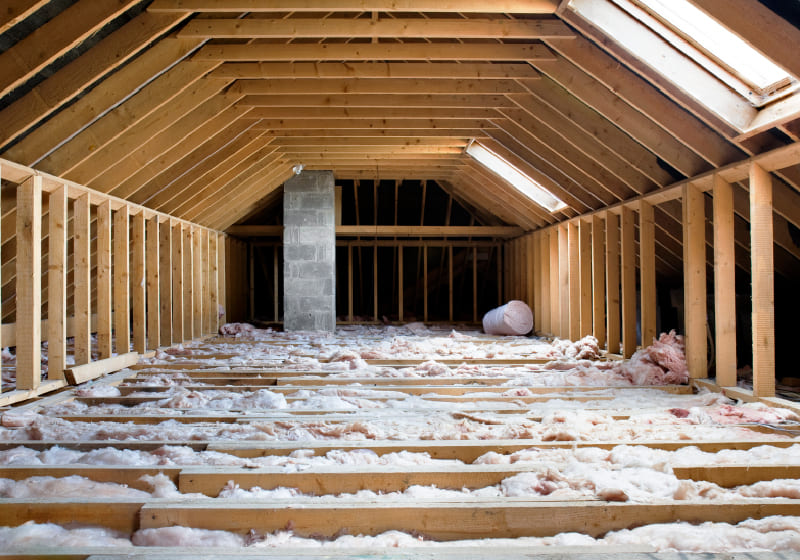
Attic mold is one of the most common maintenance issues, with thousands of homes each year requiring an infestation removal. Attics are notorious for producing the right conditions for a mold outbreak, as there can be an excess of moisture if your roof isn’t properly sealed. Unless you consistently check your attic for mold and other issues, the problem can quickly grow out of control and turn into an expensive repair. Luckily, there are ways for you to stop mold before it appears. What Causes Mold?The main reason that mold forms in your home is a large amount of moisture accumulation. If you live in an area that has humid summers, the chances of mold growth increase. Attics that aren’t well ventilated trap moisture and don’t allow for the wooden beams to properly dry out. Ventilation is also important when it comes to your kitchen stove, bathroom fans, and even your dryer. Appliances that don’t correctly exit through your roof can deposit water droplets in your attic as well. Even a small hole in your shingles or a gap between your roof and gutters creates an opening for water intrusion. How to Spot MoldThere are several ways you can tell

Read More »

What to Expect: How Long Does a Typical Home Inspection Take?

Purchasing a home can be one of the most simultaneously exciting and stressful processes anyone will go through. Considering the sizable investment and the long-reaching impact that a closing negotiation can have on both the buyer and the seller, it is completely understandable to lose a couple winks of sleep while worrying about each odd detail of a home’s sale. In these instances, buyers (especially first-time homebuyers) who learn about the need of a home inspection can get a bit antsy through the process, viewing the inspection as a roadblock to their homeownership. This is where a frequently answered question comes into play: How long does a home inspection take? While there may be a typical range of time to expect for a general home inspection, there are a wide array of factors that make this question tough to answer point blank. However, in the interest of easing any concerns, we will take some time today to discuss how long a home inspection takes, what can extend or shorten the process, and why a good home inspector needs this time. To begin, let’s review what a home inspection is and why it is a necessary part of every home’s sale.
Read More »

How to Tell if Your House is Haunted

October has officially arrived and, as we march closer and closer to the spookiest day of the year, it’s natural for our minds to focus in on the strange and obscure. If this was your first year in your new home, you may have noticed some of its more interesting quirks or “features.” Some houses seem to groan when the wind hits them just right, others might creak whenever the mood is right. These are just “house noises” that you’re slowly growing accustomed to…right? Many odd occurrences in the home can be explained away with a little bit of investigation, but when attempts at rationality come up short, it can be difficult to brush off the unexplained. As we all know, the Halloween season is best known as one time each year that the barrier between the material world and the spiritual world is its thinnest. In other words, if you have your suspicions that your house just might be haunted, you better figure it out now. To aid you in your investigation, we’ve placed our best paranormal researchers on the job to identify the surefire evidence that proves your house is haunted. Reader beware: only proceed if you want

Read More »

How To Improve Your Home’s Ventilation (And Why It’s Important)

Staying on top of a home’s upkeep can often feel like a full-time job. With every project checked off the list, oftentimes homeowners end up adding two more in a never-ending quest for home improvement. While some home maintenance and home upgrade projects can seem to add a lot to a homeowner’s plate, improving a home’s ventilation systems tends to eliminate many pesky household issues. What is Home Ventilation?Ventilation refers to the systems a home uses to cycle out pollutants and carry in fresh air, while also regulating a comfortable indoor environment. Older homes were able to get by with natural ventilation through windows, doors, and natural air leaks in walls and ceilings, but current systems are more sophisticated. The modern home has become much more air-tight than in the past in an attempt to improve energy efficiency. The side effects of these building philosophies have led to many new maintenance issues and even health problems for families. Homeowners who are unaware of the state of their house’s ventilation systems will benefit from a regular home systems inspection. Why is Ventilation Important?Poor ventilation leads to problems throughout the home. A home has two key contributors to pollutants and condensation: the

Read More »

Home Features That Ward Off Radon: A Guide for Homebuyers

If you aren’t familiar with radon yet, now is the time to learn about this potentially deadly natural gas. Outside of smoking, radon is the number one cause for lung cancer in the US and Canada. One thing that separates radon from other lethal gases, however, is its uniquely subtle nature. radon is an odorless and colorless gas, created through a natural process of uranium deterioration in the soil. Everyone is affected by radon gas, but outside and in the open air, radon has room to freely dilute down to non-hazardous levels. Too frequently though, homes can restrict the space that radon needs to dilute into these safe levels. For Canada, the World Health Organization warns that homes with over 200 Bq/m3 of radon are unsafe and require immediate radon remediation. In the US, this guideline is even lower, at 4 pCi/L (or ~150 Bq/m3). (Check out the WHO’s recent coverage of the topic here.) While not all homes experience the same average volume of radon dilution, the US’s Environmental Protection Agency has published a zone map so that homebuyers can be aware of the overall trends in their area. Only a certified professional can be relied upon for an

Read More »

4 Things That Can Go Wrong With Your Chimney

As the weather gets colder, there are some things to consider before starting that first fire. Chimneys are a too-often neglected home amenity, and there are a few hazards homeowners should be aware of. For a warm and safe holiday season, here are a few things about your chimney that you might want to check in on. ObstructionsThe National Fire Protection Association (NFPA) recommends that chimneys be inspected every year, and for good reason! Apart from just ensuring that your chimney is performing as intended, a neglected chimney can result in dangerous house fires or toxic smoke inhalation. A chief factor that can cause these issues is an obstruction within the chimney flue. Any number of obstructions can become dangerous hazards to homeowners. Twigs and leaves can gather, acting as additional kindling, and animals can commonly get stuck inside a chimney flue while searching for warmth or shelter. Depending on your local wildlife, some of the most common animals found in chimneys in North America include raccoons, bats, cats, squirrels, and birds (whose nests also act as additional fire-starters). CreosoteThe interior of a chimney can reach heats of above 2000 degrees Fahrenheit. Because of this, keeping your chimney clear of

Read More »

How to Clean Your Dryer Vent in 3 Easy Steps

A hidden fire hazard that’s often overlooked is the threat posed by clogged dryer vents. In fact, clogged dryer vents are the cause of 17,000 house fires each year. However, these fires are completely preventable by clearing your dryer’s ventilation systems on a regular basis as doing so not only helps to prevent fires but improves the efficiency of your dryer as well. Luckily, the process of cleaning your dryer vent is an easy one that does not require the assistance of a professional. Supply Checklist Before we begin, you’ll want to make sure that you have all necessary supplies on hand. All you’ll need is a vacuum cleaner, preferably one with a hose extension piece, and a cleaning brush. For starters, you’ll want to move your dryer away from the wall to locate the dryer vent. This is usually located near the bottom of the machine either in the back or side of the appliance. From there you’ll want to identify the short exhaust pipe to the machine. Finally, you’ll want to ensure that you unplug the appliance for safety purposes. Now that everything is in position, you’re ready to clean the dryer vent. Cleaning Your Machine You can

Read More »

What an Energy Audit Can Do for You

The average household spends over $2,000 a year on energy expenses. If you fall into the average, or even find yourself surpassing it), you’re ready to start saving money. One way that you can decrease your usage and spending is by having an energy audit performed. Benefits of an Energy Audit You probably already know the biggest benefit of an energy audit– saving yourself money. But there are other positives you may not have thought of. You’ll also be able to save your appliances, mainly your HVAC system, from wearing out as quickly. You may even find yourself living more comfortably without having to constantly fight your HVAC. What Kinds of Homes Should Get an Audit? It’s a given that most older homes don’t hold up as well as when they were first built, so it’s no surprise they can eventually become an energy sinkhole. Older frames tend to split, and this can allow for a higher amount of intrusion from the outside air. Even if your house is brand new or recently remodeled, there can still be defects within the construction that hinder its efficiency. That’s why it pays to have an energy audit so that you can catch

Read More »

Controlling Radon in Your Home During Winter

Radon is one of the leading causes of lung cancer in the United States and Canada. The odorless, colorless gas can go undetected in a home for years and only get noticed when it’s too late. During the winter, radon levels can spike indoors and pose even more of a threat to you. With January being Radon Action Month, it’s a great opportunity to lower your radon risk during the colder months. Radon and the Cold As the temperature begins to drop outside, radon levels can start to rise in your home. Winter is almost equal to summertime in terms of radon spikes. Although everyone has minimal exposure to radon at all times, certain factors can contribute to you being exposed to unsafe levels. A few of the causes of higher radon during cold months are: Stuck Inside Winter brings with it chilly temperatures that usually keep us inside. However, being stuck inside for several months can be dangerous. If your home already has above-safe levels of radon, you’re increasing the chances of severe health risks by staying shut in. Especially if you have a below-ground level that you like to spend time in, you’re putting yourself even closer to

Read More »

Turn Up the Heat: Prepping Your HVAC System for Winter

As the colder months roll in, it’s time to start preparing your home for chilly weather. One item you need to have on your weatherization to-do list is readying your HVAC system. Especially in locations that get sub-zero temperatures, your heating system will start working overtime. But before you flip on your heater, you need to ensure that it’s ready to go. Change out your air filters. Prior to turning your heater on, swap out the old air filters. These are one of the most important components of keeping your HVAC running efficiently. Clean air filters will also help if you suffer from allergies by cutting down on the amount of dust that’s recycled through your home. There are certain filters that are less porous and catch more dirt to cut down on allergens. However, these styles can hinder airflow and make your HVAC overheat. Clear space around your heater and vents. Being able to easily access your heater is essential to maintaining it. That means moving any furniture, boxes, or kid’s toys that are blocking your path. Keep about a three-foot radius around your heater to allow for maintenance work and prevent anything nearby from catching on fire. If

Read More »

How to Handle Mold in Your Attic

Attic mold is one of the most common maintenance issues, with thousands of homes each year requiring an infestation removal. Attics are notorious for producing the right conditions for a mold outbreak, as there can be an excess of moisture if your roof isn’t properly sealed. Unless you consistently check your attic for mold and other issues, the problem can quickly grow out of control and turn into an expensive repair. Luckily, there are ways for you to stop mold before it appears. What Causes Mold?The main reason that mold forms in your home is a large amount of moisture accumulation. If you live in an area that has humid summers, the chances of mold growth increase. Attics that aren’t well ventilated trap moisture and don’t allow for the wooden beams to properly dry out. Ventilation is also important when it comes to your kitchen stove, bathroom fans, and even your dryer. Appliances that don’t correctly exit through your roof can deposit water droplets in your attic as well. Even a small hole in your shingles or a gap between your roof and gutters creates an opening for water intrusion. How to Spot MoldThere are several ways you can tell

Read More »