Tag: radon

Home Maintenance Items to Prioritize After Your Inspection

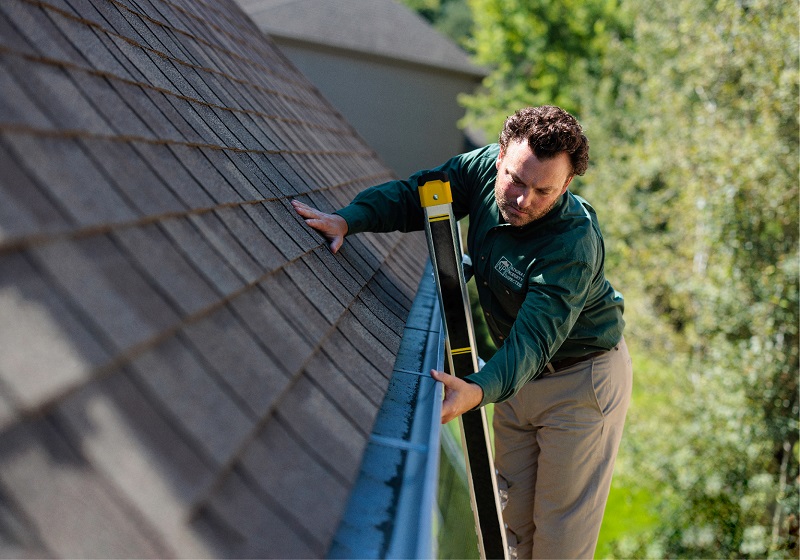
Home inspectors and other real estate professionals know the truth that every new homebuyer will have to swallow: no home is perfect. Each house has a unique array of attractions and eye-catching features sure to draw in families. At the same time, there isn’t a home that doesn’t have its share of warts or bruises as well. Your local home inspector is the key to identifying building and property maintenance issues while keeping the weight of each concern in perspective. To review the differences between which features should be addressed as soon as possible and which can be put off until later on, here are your home maintenance priorities post-inspection. How Is The Condition of the Roof?One of the top priorities of every new homeowner should be to understand the condition of their roof. Roofing is considered one of the main cornerstones of home systems for a few reasons. The roof is the home’s primary defense against weather and the elements. Without solid integrity, leaks are just the start of a slew of problems including the potential for mold and energy inefficiency. All roofs have a natural lifespan until shingles begin deteriorating beyond the point of serving their use. Since

Read More »

Did You Skip Your Buyer’s Inspection?

In competitive housing markets where availability is low and sellers seem to have all of the leverage, buyers sometimes feel the need to compromise in order to find a home that fits their needs. As this dynamic combines with tough economic times or financial strain, many homeowners in search of an answer to these issues have opted to skip their buyer’s inspection altogether. A home inspection is the only way for owners to get the full picture of their home’s condition. Without this professional assessment, homeowners are playing a dangerous game, as minor issues can escalate into major expenses down the road. If conditions forced you to skip your buyer’s inspection and you are searching for options, look no further! In this article, we outline the best steps for homeowners who missed their home inspection. Why Do People Skip Their Buyer’s Inspection?For those who are aware of the value that a home inspection brings during a home-purchasing negotiation, the thought of bypassing it altogether can seem surprising. With that said, some people have opted to go this route for a number of reasons. According to an article published by Forbes, 85% of Americans opted to sidestep a number of essential

Read More »

Home Features That Ward Off Radon: A Guide for Homebuyers

If you aren’t familiar with radon yet, now is the time to learn about this potentially deadly natural gas. Outside of smoking, radon is the number one cause for lung cancer in the US and Canada. One thing that separates radon from other lethal gases, however, is its uniquely subtle nature. radon is an odorless and colorless gas, created through a natural process of uranium deterioration in the soil. Everyone is affected by radon gas, but outside and in the open air, radon has room to freely dilute down to non-hazardous levels. Too frequently though, homes can restrict the space that radon needs to dilute into these safe levels. For Canada, the World Health Organization warns that homes with over 200 Bq/m3 of radon are unsafe and require immediate radon remediation. In the US, this guideline is even lower, at 4 pCi/L (or ~150 Bq/m3). (Check out the WHO’s recent coverage of the topic here.) While not all homes experience the same average volume of radon dilution, the US’s Environmental Protection Agency has published a zone map so that homebuyers can be aware of the overall trends in their area. Only a certified professional can be relied upon for an

Read More »

Controlling Radon in Your Home During Winter

Radon is one of the leading causes of lung cancer in the United States and Canada. The odorless, colorless gas can go undetected in a home for years and only get noticed when it’s too late. During the winter, radon levels can spike indoors and pose even more of a threat to you. With January being Radon Action Month, it’s a great opportunity to lower your radon risk during the colder months. Radon and the Cold As the temperature begins to drop outside, radon levels can start to rise in your home. Winter is almost equal to summertime in terms of radon spikes. Although everyone has minimal exposure to radon at all times, certain factors can contribute to you being exposed to unsafe levels. A few of the causes of higher radon during cold months are: Stuck Inside Winter brings with it chilly temperatures that usually keep us inside. However, being stuck inside for several months can be dangerous. If your home already has above-safe levels of radon, you’re increasing the chances of severe health risks by staying shut in. Especially if you have a below-ground level that you like to spend time in, you’re putting yourself even closer to

Read More »

Celebrate Home Safety Month by Improving Your Home!

With June being National Home Safety Month in both the United States and Canada, it’s a great opportunity for you to give your house a thorough checkup! Even if you just moved into a new build, there could still be any number of hidden issues with its components. Take some time over the next month to protect you and your family from some of these commonly overlooked problems. Radon Reduction Radon is very common in both the U.S. and Canada, and it’s the second leading cause of lung cancer. It’s an odorless and colorless gas which makes it practically impossible to detect without some sort of monitoring device. Homes both old and new are susceptible to radon, so you shouldn’t assume you’re completely free of it. The most effective way to know how much radon is in your home is to buy a tester. Consistent testing lets you keep an eye on accumulation levels so that you can act quickly to stay safe. Check Wiring Electrical fires account for nearly 24,000 home fires each year. Your home’s wiring is one of its largest components, so you need to be certain it’s in top condition. Loose outlets should be repaired or

Read More »

Radon: Protecting Your House from a Hidden Danger

January is National Radon Action Month, which means it’s the perfect time to make sure that your home is protected. Around 20,000 people in the United States and 3,000 people in Canada die each year from radon exposure. It’s estimated that 1 in 15 homes in the U.S. and over 1 million homes in Canada have elevated levels of radon. This is scary to think about, but there are ways for you to lower your and your family’s chance of exposure. What exactly is radon? You may have heard about radon before, whether in the news or during the process of buying your first home. But what exactly is it and where does it come from? Radon is an odorless and colorless gas that forms when radioactive metals in rocks, soil and groundwater break down. This is a naturally occurring process, and everyone has some level of exposure at all times. Health risks become a greater concern when you’re exposed to radon for extended periods of time, as can happen with homes that have cracks and gaps in the foundation. It can take years for symptoms like lung cancer to develop, so you may not be aware of a health

Read More »

Home Maintenance Items to Prioritize After Your Inspection

Home inspectors and other real estate professionals know the truth that every new homebuyer will have to swallow: no home is perfect. Each house has a unique array of attractions and eye-catching features sure to draw in families. At the same time, there isn’t a home that doesn’t have its share of warts or bruises as well. Your local home inspector is the key to identifying building and property maintenance issues while keeping the weight of each concern in perspective. To review the differences between which features should be addressed as soon as possible and which can be put off until later on, here are your home maintenance priorities post-inspection. How Is The Condition of the Roof?One of the top priorities of every new homeowner should be to understand the condition of their roof. Roofing is considered one of the main cornerstones of home systems for a few reasons. The roof is the home’s primary defense against weather and the elements. Without solid integrity, leaks are just the start of a slew of problems including the potential for mold and energy inefficiency. All roofs have a natural lifespan until shingles begin deteriorating beyond the point of serving their use. Since
Read More »

Did You Skip Your Buyer’s Inspection?

In competitive housing markets where availability is low and sellers seem to have all of the leverage, buyers sometimes feel the need to compromise in order to find a home that fits their needs. As this dynamic combines with tough economic times or financial strain, many homeowners in search of an answer to these issues have opted to skip their buyer’s inspection altogether. A home inspection is the only way for owners to get the full picture of their home’s condition. Without this professional assessment, homeowners are playing a dangerous game, as minor issues can escalate into major expenses down the road. If conditions forced you to skip your buyer’s inspection and you are searching for options, look no further! In this article, we outline the best steps for homeowners who missed their home inspection. Why Do People Skip Their Buyer’s Inspection?For those who are aware of the value that a home inspection brings during a home-purchasing negotiation, the thought of bypassing it altogether can seem surprising. With that said, some people have opted to go this route for a number of reasons. According to an article published by Forbes, 85% of Americans opted to sidestep a number of essential

Read More »

Home Features That Ward Off Radon: A Guide for Homebuyers

If you aren’t familiar with radon yet, now is the time to learn about this potentially deadly natural gas. Outside of smoking, radon is the number one cause for lung cancer in the US and Canada. One thing that separates radon from other lethal gases, however, is its uniquely subtle nature. radon is an odorless and colorless gas, created through a natural process of uranium deterioration in the soil. Everyone is affected by radon gas, but outside and in the open air, radon has room to freely dilute down to non-hazardous levels. Too frequently though, homes can restrict the space that radon needs to dilute into these safe levels. For Canada, the World Health Organization warns that homes with over 200 Bq/m3 of radon are unsafe and require immediate radon remediation. In the US, this guideline is even lower, at 4 pCi/L (or ~150 Bq/m3). (Check out the WHO’s recent coverage of the topic here.) While not all homes experience the same average volume of radon dilution, the US’s Environmental Protection Agency has published a zone map so that homebuyers can be aware of the overall trends in their area. Only a certified professional can be relied upon for an

Read More »

Controlling Radon in Your Home During Winter

Radon is one of the leading causes of lung cancer in the United States and Canada. The odorless, colorless gas can go undetected in a home for years and only get noticed when it’s too late. During the winter, radon levels can spike indoors and pose even more of a threat to you. With January being Radon Action Month, it’s a great opportunity to lower your radon risk during the colder months. Radon and the Cold As the temperature begins to drop outside, radon levels can start to rise in your home. Winter is almost equal to summertime in terms of radon spikes. Although everyone has minimal exposure to radon at all times, certain factors can contribute to you being exposed to unsafe levels. A few of the causes of higher radon during cold months are: Stuck Inside Winter brings with it chilly temperatures that usually keep us inside. However, being stuck inside for several months can be dangerous. If your home already has above-safe levels of radon, you’re increasing the chances of severe health risks by staying shut in. Especially if you have a below-ground level that you like to spend time in, you’re putting yourself even closer to

Read More »

Celebrate Home Safety Month by Improving Your Home!

With June being National Home Safety Month in both the United States and Canada, it’s a great opportunity for you to give your house a thorough checkup! Even if you just moved into a new build, there could still be any number of hidden issues with its components. Take some time over the next month to protect you and your family from some of these commonly overlooked problems. Radon Reduction Radon is very common in both the U.S. and Canada, and it’s the second leading cause of lung cancer. It’s an odorless and colorless gas which makes it practically impossible to detect without some sort of monitoring device. Homes both old and new are susceptible to radon, so you shouldn’t assume you’re completely free of it. The most effective way to know how much radon is in your home is to buy a tester. Consistent testing lets you keep an eye on accumulation levels so that you can act quickly to stay safe. Check Wiring Electrical fires account for nearly 24,000 home fires each year. Your home’s wiring is one of its largest components, so you need to be certain it’s in top condition. Loose outlets should be repaired or

Read More »

Radon: Protecting Your House from a Hidden Danger

January is National Radon Action Month, which means it’s the perfect time to make sure that your home is protected. Around 20,000 people in the United States and 3,000 people in Canada die each year from radon exposure. It’s estimated that 1 in 15 homes in the U.S. and over 1 million homes in Canada have elevated levels of radon. This is scary to think about, but there are ways for you to lower your and your family’s chance of exposure. What exactly is radon? You may have heard about radon before, whether in the news or during the process of buying your first home. But what exactly is it and where does it come from? Radon is an odorless and colorless gas that forms when radioactive metals in rocks, soil and groundwater break down. This is a naturally occurring process, and everyone has some level of exposure at all times. Health risks become a greater concern when you’re exposed to radon for extended periods of time, as can happen with homes that have cracks and gaps in the foundation. It can take years for symptoms like lung cancer to develop, so you may not be aware of a health

Read More »