Tag: radon

Healthy Home Tips: 5 Solutions for a Stinky House

The human being is known to have five senses: sight, hearing, taste, touch, and smell. While many might consider sight to be the most important sense for people in their everyday lives, scientists actually recognize smell as the “strongest sense.” This is because, as writers like Colleen Walsh at the Harvard Gazette acknowledge, smell is the sense that is most linked with emotion and memory. Have you ever smelled a favorite dish and were instantly transported to a memory of your childhood home or a trip to grandma’s house? The phenomena you’re experiencing is your olfactory senses doing what it does best by reaching through your limbic system (with a quick pit-stop by your amygdala and/or hippocampus) and tossing out one of those cozy core memories. Just as we enjoy these trips down memory lane, smells can also remind us of moments we might rather forget, whether from visiting the home of a frequent smoker, or a friend with a few too many cats. Houses can develop odor for many different reasons, so if you’ve found yours smelling a bit off lately, let’s discuss a few of the more common (and often misdiagnosed) causes. #1: Take Out the TrashThe first

Read More »

The 5 Biggest Problems with Crawl Spaces (And How to Address Them)

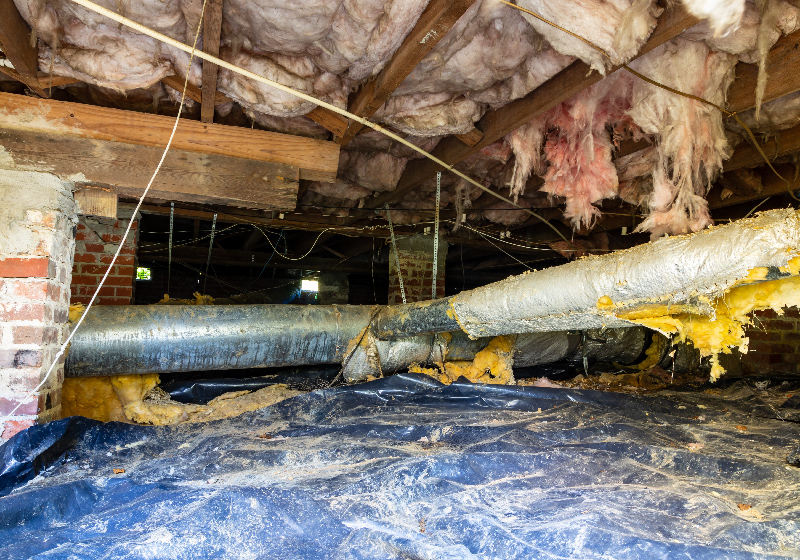
If you’ve ever lived in an area that experiences above-average flooding (or just anywhere in the South), odds are you’re very familiar with crawl spaces. A foundation style different from concrete slabs or full basements, crawl spaces are a fairly common feature in homes that allow for easy access to things like plumbing, electrical wiring, and HVAC systems under the home. Their shorter excavation time also makes them a more cost-effective option for new builds. There are many advantages to buying a home with a crawl space, but with each advantage, there’s also a concern homeowners should be aware of. Let’s discuss a few of the most common — and costly — issues you may encounter in that little space under your floorboards. 1. Moisture, Musty Smells, and MoldThe first issue that homes with crawl spaces face is the unaddressed buildup of moisture beneath the home. So-called crawl spaces earn their names due to a very low clearance height, with a majority of these spaces measuring three feet or lower. It’s understandable that homeowners don’t make it a habit of exploring these areas regularly, but a lack of attention anywhere around the home tends to lead to problems down the

Read More »

Your Home’s Best Defenses Against Air Pollution

In this day and age, new homeowners are more informed and mindful about their family’s health than ever. Between dangers like lead paint, asbestos, and carbon monoxide leaks, builders have come a very long way in eliminating harmful toxins within the home. Still, threatening elements continue to loom around the home, and although air pollution today is not as high as in the past, reducing indoor air contamination should be on every homeowner’s to-do list! The Environmental Protection Agency (EPA) stresses that, although many visible forms of air pollution have died down since the 1970s, air pollution can be harmful even when it’s invisible. So, how can homeowners feel confident that their air is clean in a world full of smog and wildfires on top of some of the pollutants that are tougher to recognize? To find out, let’s discuss some common contaminants, and what people can do to keep their homes fresh. What are the dangers posed by outdoor air?Modern home design has led to houses being extremely closed off from outside elements, which is both a good and a bad thing. On the one hand, houses do a great job of keeping out many harmful pollutants that can


Read More »

States that are Taking the Fight to Radon

As declared by the U.S. Environmental Protection Agency, businesses and government organizations devote their attention every January to increasing public awareness of the very real and often overlooked dangers of radon gas. Per the CDC, radon is an odorless, colorless gas that finds its way into buildings through the breakdown process of natural materials within the soil. Today, radon is the second leading cause for lung cancer only behind smoking. The good news is that the effects of radon gas can be avoided first through effective testing and then through mitigation. Your family’s health is no joke, so if you haven’t already looked into radon levels in your home, your kids’ school, or your work, let this article be your sign to take action. Officials across the nation are taking notice of the dangers of radon, but most people are unaware of what their state is doing to combat radon, or how their state compares to the national average. The American Association of Radon Scientists and Technologists offers a yearly report card, which dives further into things like whether radon testing professionals need to be credentialed, whether school testing is required, and what percentage of homes in the state are

Read More »

Does Your Home Need To Be Tested for Radon?

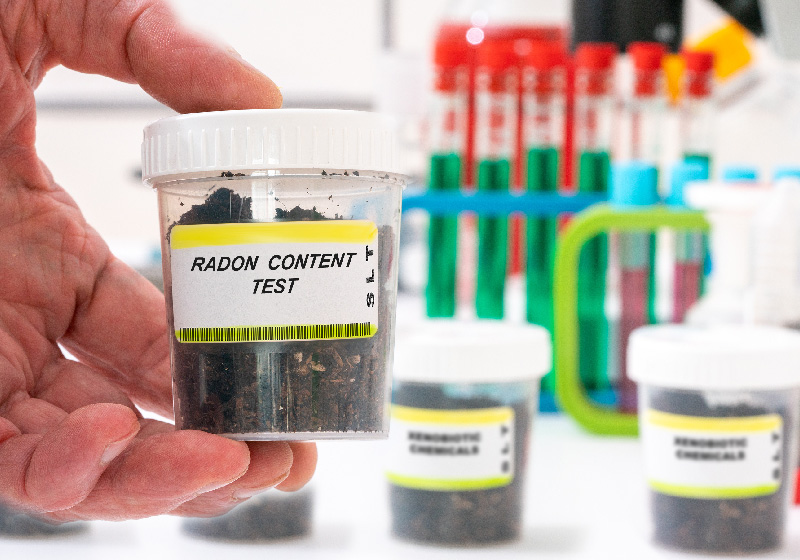
Every year, people all around the world make resolutions to live a little more productively, pick up a healthier lifestyle, and maybe make smarter choices with their money. While many resolutions revolve around bettering their own lives in some way, most should consider whether they’ve been showing their homes the same amount of care and attention. The unfortunate truth is that many homes carry hazards that owners are completely unaware of, hazards that present a very real and persistent threat to their own health and the health of their families. Radon is a colorless, odorless, radioactive gas that infiltrates homes through natural processes such as through miniscule cracks in the foundation or through drinking water. Homes everywhere are impacted by radon to a certain extent, but homeowners continue to be mostly unaware of the ever-present danger that this gas poses as the second leading cause of lung cancer in the US. According to the EPA, radon is responsible for about 21,000 lung cancer deaths every year, and 2,900 of those deaths were people who never smoked in their lives. January is known as National Radon Action Month, a time to bring awareness to the increased efforts each state is taking

Read More »

What to Expect: How Long Does a Typical Home Inspection Take?

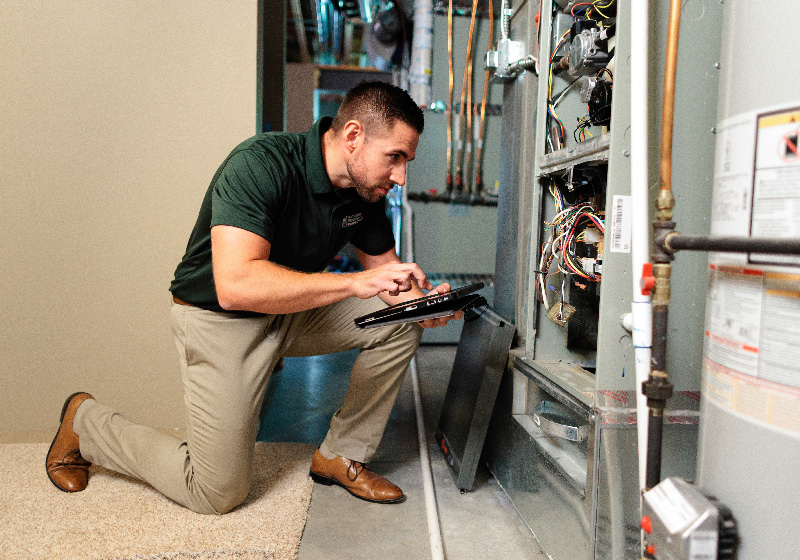
Purchasing a home can be one of the most simultaneously exciting and stressful processes anyone will go through. Considering the sizable investment and the long-reaching impact that a closing negotiation can have on both the buyer and the seller, it is completely understandable to lose a couple winks of sleep while worrying about each odd detail of a home’s sale. In these instances, buyers (especially first-time homebuyers) who learn about the need of a home inspection can get a bit antsy through the process, viewing the inspection as a roadblock to their homeownership. This is where a frequently answered question comes into play: How long does a home inspection take? While there may be a typical range of time to expect for a general home inspection, there are a wide array of factors that make this question tough to answer point blank. However, in the interest of easing any concerns, we will take some time today to discuss how long a home inspection takes, what can extend or shorten the process, and why a good home inspector needs this time. To begin, let’s review what a home inspection is and why it is a necessary part of every home’s sale.

Read More »

Healthy Home Tips: 5 Solutions for a Stinky House

The human being is known to have five senses: sight, hearing, taste, touch, and smell. While many might consider sight to be the most important sense for people in their everyday lives, scientists actually recognize smell as the “strongest sense.” This is because, as writers like Colleen Walsh at the Harvard Gazette acknowledge, smell is the sense that is most linked with emotion and memory. Have you ever smelled a favorite dish and were instantly transported to a memory of your childhood home or a trip to grandma’s house? The phenomena you’re experiencing is your olfactory senses doing what it does best by reaching through your limbic system (with a quick pit-stop by your amygdala and/or hippocampus) and tossing out one of those cozy core memories. Just as we enjoy these trips down memory lane, smells can also remind us of moments we might rather forget, whether from visiting the home of a frequent smoker, or a friend with a few too many cats. Houses can develop odor for many different reasons, so if you’ve found yours smelling a bit off lately, let’s discuss a few of the more common (and often misdiagnosed) causes. #1: Take Out the TrashThe first

Read More »

The 5 Biggest Problems with Crawl Spaces (And How to Address Them)

If you’ve ever lived in an area that experiences above-average flooding (or just anywhere in the South), odds are you’re very familiar with crawl spaces. A foundation style different from concrete slabs or full basements, crawl spaces are a fairly common feature in homes that allow for easy access to things like plumbing, electrical wiring, and HVAC systems under the home. Their shorter excavation time also makes them a more cost-effective option for new builds. There are many advantages to buying a home with a crawl space, but with each advantage, there’s also a concern homeowners should be aware of. Let’s discuss a few of the most common — and costly — issues you may encounter in that little space under your floorboards. 1. Moisture, Musty Smells, and MoldThe first issue that homes with crawl spaces face is the unaddressed buildup of moisture beneath the home. So-called crawl spaces earn their names due to a very low clearance height, with a majority of these spaces measuring three feet or lower. It’s understandable that homeowners don’t make it a habit of exploring these areas regularly, but a lack of attention anywhere around the home tends to lead to problems down the

Read More »

Your Home’s Best Defenses Against Air Pollution

In this day and age, new homeowners are more informed and mindful about their family’s health than ever. Between dangers like lead paint, asbestos, and carbon monoxide leaks, builders have come a very long way in eliminating harmful toxins within the home. Still, threatening elements continue to loom around the home, and although air pollution today is not as high as in the past, reducing indoor air contamination should be on every homeowner’s to-do list! The Environmental Protection Agency (EPA) stresses that, although many visible forms of air pollution have died down since the 1970s, air pollution can be harmful even when it’s invisible. So, how can homeowners feel confident that their air is clean in a world full of smog and wildfires on top of some of the pollutants that are tougher to recognize? To find out, let’s discuss some common contaminants, and what people can do to keep their homes fresh. What are the dangers posed by outdoor air?Modern home design has led to houses being extremely closed off from outside elements, which is both a good and a bad thing. On the one hand, houses do a great job of keeping out many harmful pollutants that can

Read More »

States that are Taking the Fight to Radon

As declared by the U.S. Environmental Protection Agency, businesses and government organizations devote their attention every January to increasing public awareness of the very real and often overlooked dangers of radon gas. Per the CDC, radon is an odorless, colorless gas that finds its way into buildings through the breakdown process of natural materials within the soil. Today, radon is the second leading cause for lung cancer only behind smoking. The good news is that the effects of radon gas can be avoided first through effective testing and then through mitigation. Your family’s health is no joke, so if you haven’t already looked into radon levels in your home, your kids’ school, or your work, let this article be your sign to take action. Officials across the nation are taking notice of the dangers of radon, but most people are unaware of what their state is doing to combat radon, or how their state compares to the national average. The American Association of Radon Scientists and Technologists offers a yearly report card, which dives further into things like whether radon testing professionals need to be credentialed, whether school testing is required, and what percentage of homes in the state are

Read More »

Does Your Home Need To Be Tested for Radon?

Every year, people all around the world make resolutions to live a little more productively, pick up a healthier lifestyle, and maybe make smarter choices with their money. While many resolutions revolve around bettering their own lives in some way, most should consider whether they’ve been showing their homes the same amount of care and attention. The unfortunate truth is that many homes carry hazards that owners are completely unaware of, hazards that present a very real and persistent threat to their own health and the health of their families. Radon is a colorless, odorless, radioactive gas that infiltrates homes through natural processes such as through miniscule cracks in the foundation or through drinking water. Homes everywhere are impacted by radon to a certain extent, but homeowners continue to be mostly unaware of the ever-present danger that this gas poses as the second leading cause of lung cancer in the US. According to the EPA, radon is responsible for about 21,000 lung cancer deaths every year, and 2,900 of those deaths were people who never smoked in their lives. January is known as National Radon Action Month, a time to bring awareness to the increased efforts each state is taking

Read More »

What to Expect: How Long Does a Typical Home Inspection Take?

Purchasing a home can be one of the most simultaneously exciting and stressful processes anyone will go through. Considering the sizable investment and the long-reaching impact that a closing negotiation can have on both the buyer and the seller, it is completely understandable to lose a couple winks of sleep while worrying about each odd detail of a home’s sale. In these instances, buyers (especially first-time homebuyers) who learn about the need of a home inspection can get a bit antsy through the process, viewing the inspection as a roadblock to their homeownership. This is where a frequently answered question comes into play: How long does a home inspection take? While there may be a typical range of time to expect for a general home inspection, there are a wide array of factors that make this question tough to answer point blank. However, in the interest of easing any concerns, we will take some time today to discuss how long a home inspection takes, what can extend or shorten the process, and why a good home inspector needs this time. To begin, let’s review what a home inspection is and why it is a necessary part of every home’s sale.

Read More »