Tag: plumbing

Maintaining Your Sprinkler System

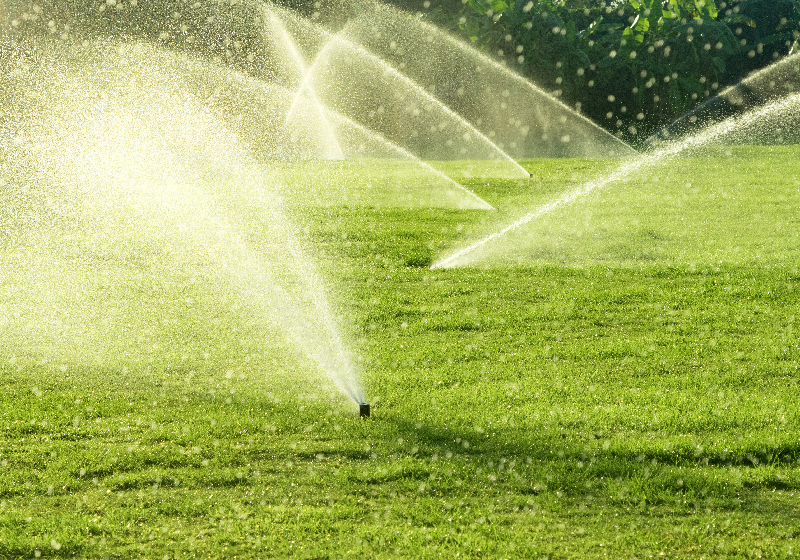
A sprinkler system is a great and easy way to keep your lawn looking fresh through the hot summer months. They also require continual maintenance to ensure you don’t turn your beautiful lawn into a pond. Here are some common issues that can come with a sprinkler system and how to fix them. Sunken Heads Over time, the composition of your lawn’s soil can change and shift around. This causes your irrigation system to sink and settle deeper into the ground, shortening the sprinkler heads. Sunken heads don’t have as much clearance above surrounding plants, and therefore don’t cover their intended area. If you notice lots of brown spots or pooled water, the culprit might be a sunken head. Simply digging around the head and adjusting the pipe and filling the space back in will straighten it out. Be careful as you dig to not hit and break the water pipe. Low Water Pressure Inefficient water pressure going through your system is another reason that the heads aren’t popping up all the way. It can also be the sign of a larger issue with your system. Low pressure could mean that there is a break or a leak somewhere along
Read More »

Should You Get a Builder’s Warranty Inspection?

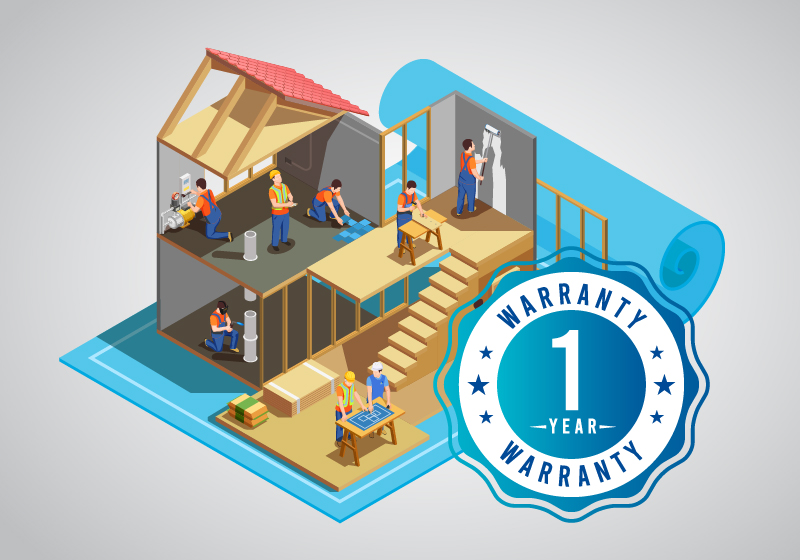
There’s no feeling quite like moving into your dream home, especially if you’ve watched with anticipation as it was being built from the ground up. If it’s your first home, then there’s double the cause for celebration! There can be a lot to learn about your home, from the foundation to the water heater, and you want to be sure that everything is functioning properly before your one-year warranty expires. That’s why it’s always a smart decision to get a builder’s warranty inspection. What’s a builder’s warranty and what does it do? After your home is finished, your builder will likely offer you a one-year warranty. This warranty is intended to cover any needed repairs up to one year after you’ve moved in. You protect yourself from any damage to your home, and it helps keep the builder accountable for their work. Getting a home inspection before your builder’s warranty expires will help catch potential issues early on, and could potentially save you thousands of dollars down the road. Aren’t you fine with just a municipal inspection? Your new home was likely assessed by municipal inspectors from the city or county to ensure it was safe to live in before

Read More »

Simple Tips to Keep Your Plumbing Flowing

Your home’s plumbing requires continual maintenance in order to function properly. However, that can be easier said than done. It doesn’t take much to clog or damage your pipes, and you could find yourself paying for expensive repairs. Luckily, a little bit of preventative action on your part can help you avoid a larger issue. A lot can happen to your plumbing. There’s a multitude of reasons that your plumbing is struggling. From a child’s toy lodged in the toilet to a crack somewhere down the line, it could take a bit of work to correctly identify and treat the cause. Some of the most common problems are: Roots are also a top cause for your pipes to become broken. Trees, bushes, and other vegetation are attracted to the water from a leaky pipe and can grow in small cracks. Since most plants grow relatively slow, it could take years before you notice. Don’t rely on your garbage disposal. If your sink has a garbage disposal, don’t rely on it to chop up everything. Not all the food gets ground up completely and certain foods can clump together in your drain. Dump your leftovers into a trashcan, and when you

Read More »

What’s that Smell? What Different Odors in Your Water Mean

Have you noticed a strange smell emanating from your faucet lately? When it comes to strange or unpleasant water scents, the devil is in the details. Here’s a list of some of the most common water odors and what they say about the condition of your home’s plumbing or water supply. Your Water Smells Like FishFirst of all, no worries—it’s not actual fish! Depending on where you live, you could be getting your water supply from the bodies of water around you. During the summer months these ponds or lakes can produce algae blooms, and particles from them may make their way into your water. Naturally occurring metals in the ground and other decaying materials can also cause a fish-like scent. Chloramine used to treat water can produce a smell as well. Solution: One way to deal with fishy water is to try and flush out your water heater. If that doesn’t work, your next course of action will depend on if you have a private or public well. If you have a private well, try to shock chlorinate it to kill any algae or install an automatic chlorinator. If you use a public water system, it’s best to contact

Read More »

What Does a Home Inspector Do?

The process of buying or selling your home is a complex process. From the moment you put your house on the market to the closing paperwork, there are a lot of moving pieces all working in sequence to make sure things go smoothly. One of the most important steps that’s often overlooked is your home inspection. You may be familiar with the concept, but what does a home inspector actually do? What a Home Inspector DoesA home inspector is trained to make a complete assessment of a home and its many components. This assessment, which is comprehensively documented in a report given to the home buyer or seller, is designed to provide useful information about the current condition of the home. This most often includes information about the age and condition of a home’s most costly structures like the roof, HVAC and electrical systems. Home inspections give peace of mind to home buyers that they’re making the best decision possible with their investment, and home sellers can benefit from knowing what repairs should be completed before starting negotiations with buyers. A Visual, Non-Invasive InspectionWhen you hire a home inspector, you’ll see that they describe their services as a “visual and

Read More »

Building Permits: Why You Need One and How to Get It

As a home improvement guru and self-styled master of DIY projects, you might have the idea that building permits are a nuisance. After all, shouldn’t you be able to just build what you want, where you want on your property? While it’s true that building permits can be a pain, they actually serve a very important role that makes the process worthwhile. We’ll explain why building permits are a thing, why you need one and how to get one. Building Permits and Building CodesTo understand why building permits are important, we need to start by talking about building codes. Building codes, simply put, are the standards put in place by local governments to ensure buildings are constructed using the best methods for your area. While some building codes are practically universal, others vary by your local jurisdiction. If you’re building a deck, for example, how deep your footings need to be will be different depending on where you’re building it—in colder environments with a deeper frost line, footings need to be deeper to be considered safe. In other places, such as coastal areas that regularly deal with high winds, your home’s roof and other features may need to be built

Read More »

After the Home Inspection: When to Request a Repair

When housing markets are hot, buyers have to be flexible when it comes to minor defects in a house they want. Because a home might have multiple competitive offers, it’s important to know how to get yours accepted so you can move into your dream home ASAP. While it would be ideal if the seller offered to fix every issue your home inspector finds, that’s not often realistic. Instead, you need to know which items are potential deal-breakers and which repairs can safely be put off until after closing. We’ll show you when you should request repairs to a home you’re looking at buying, and when asking for a repair could needlessly sink the deal. Don’t Sweat Little IssuesBuying a house is a big investment, so it makes sense that you’d want everything perfect. However, that’s not a reasonable expectation. Unless you’re building your home, every house is a used house, and they’re all going to have idiosyncrasies and blemishes that you’ll have to compromise on. What kinds of things are we talking about? Here’s a handy list: 1. Cosmetic Problems: There might be a crack in a tile, some scratched paint or old carpet you’re not a huge fan

Read More »

Common Home Fixes: When You Can DIY and When to Hire a Pro

By Bret Engle of the blog DIYGuys.net Being a homeowner can be confusing these days, at least when it comes to DIY projects. With so many shows, guides, and experts seemingly ready to walk you through the most difficult of undertakings, is there any limit to what the average homeowner can do? Well, in actuality, there are a number of jobs where most people are better off connecting with a pro, and here’s how to determine what projects those are, as well as what you should expect to pay for them. Before You Jump InThe last thing you need is to be tripping over supplies and materials while you’re in work mode, and neither do you want a contractor damaging your belongings. Whether you DIY or hire a professional, consider budgeting for a storage space to boost elbow room. As an example, you can rent a 10’x10′ self-storage unit for just $20 at Affordable Family Storage on L Street in Omaha. It’s a smart and inexpensive option for preventing both injuries and broken belongings, so include that when crafting your project budget. Timelines and LimitationsWhen it comes to home repairs, having a good understanding of your personal skills and abilities

Read More »

Mildew-Proof Your Bathroom in 6 Easy Steps

Whether your bathroom is old or new, big or small, mildew can set in and make it a less pleasant place to be. Here’s what you can do to mildew-proof your bathroom so the stuff doesn’t have a chance to take over. First, here’s a quick rundown of the top causes for mildew: Leaks. Moisture can seep into a bathroom from sources we can’t see, like pipes behind drywall or cracks in grout. Since mildew loves darkness and dampness, it’ll continue to thrive in these places, making it even more difficult to get rid of once you discover it. A shower that doesn’t get cleaned regularly. It’s a pain to scrub your shower, but it’s worth keeping up with the chore if you want to extend the life of your entire bathroom. Tiles can collect soap and body oil after every use, and over time, these residues can combine with humidity to lead to mold and mildew. Clogged drains. Soap, hair and other debris naturally lead to a clogged drain from time to time. If you notice your shower draining more slowly than usual, it’s important to grab the Drano right away. Clogs that aren’t attended to quickly will lead

Read More »

Top Five Problems Revealed During a Home Inspection

By Kenn GarderContent originally published in February of 2016. Purchasing a house is a major decision, and a home inspection report can be used to assist in the decision-making process. Here are some of the more common issues found during a home inspection. Poor Grading and DrainageWater should run away from any structure to help prevent moisture intrusion. If the soil around a house slopes toward the house, or if water pools around the perimeter of the foundation, that moisture can create hydronic pressure in the soil that can move the foundation, causing cracks and leaks that can lead to extensive damage and expensive repairs. If water wicks into the wood framing members, the wood will rot over time. This moisture also provides a haven for wood-destroying organisms (WDO) because it provides a water and food source. Erosion around the perimeter of a house may be caused by water spilling over gutters due to clogged downspouts or downspouts that terminate near the foundation. Downspout extensions or spill ways can be installed to keep water away from the foundation. Roof CoveringsThe roof of a house is designed to withstand most of what Mother Nature can dish out, whether it be rain,

Read More »

Maintaining Your Sprinkler System

A sprinkler system is a great and easy way to keep your lawn looking fresh through the hot summer months. They also require continual maintenance to ensure you don’t turn your beautiful lawn into a pond. Here are some common issues that can come with a sprinkler system and how to fix them. Sunken Heads Over time, the composition of your lawn’s soil can change and shift around. This causes your irrigation system to sink and settle deeper into the ground, shortening the sprinkler heads. Sunken heads don’t have as much clearance above surrounding plants, and therefore don’t cover their intended area. If you notice lots of brown spots or pooled water, the culprit might be a sunken head. Simply digging around the head and adjusting the pipe and filling the space back in will straighten it out. Be careful as you dig to not hit and break the water pipe. Low Water Pressure Inefficient water pressure going through your system is another reason that the heads aren’t popping up all the way. It can also be the sign of a larger issue with your system. Low pressure could mean that there is a break or a leak somewhere along

Read More »

Should You Get a Builder’s Warranty Inspection?

There’s no feeling quite like moving into your dream home, especially if you’ve watched with anticipation as it was being built from the ground up. If it’s your first home, then there’s double the cause for celebration! There can be a lot to learn about your home, from the foundation to the water heater, and you want to be sure that everything is functioning properly before your one-year warranty expires. That’s why it’s always a smart decision to get a builder’s warranty inspection. What’s a builder’s warranty and what does it do? After your home is finished, your builder will likely offer you a one-year warranty. This warranty is intended to cover any needed repairs up to one year after you’ve moved in. You protect yourself from any damage to your home, and it helps keep the builder accountable for their work. Getting a home inspection before your builder’s warranty expires will help catch potential issues early on, and could potentially save you thousands of dollars down the road. Aren’t you fine with just a municipal inspection? Your new home was likely assessed by municipal inspectors from the city or county to ensure it was safe to live in before

Read More »

Simple Tips to Keep Your Plumbing Flowing

Your home’s plumbing requires continual maintenance in order to function properly. However, that can be easier said than done. It doesn’t take much to clog or damage your pipes, and you could find yourself paying for expensive repairs. Luckily, a little bit of preventative action on your part can help you avoid a larger issue. A lot can happen to your plumbing. There’s a multitude of reasons that your plumbing is struggling. From a child’s toy lodged in the toilet to a crack somewhere down the line, it could take a bit of work to correctly identify and treat the cause. Some of the most common problems are: Roots are also a top cause for your pipes to become broken. Trees, bushes, and other vegetation are attracted to the water from a leaky pipe and can grow in small cracks. Since most plants grow relatively slow, it could take years before you notice. Don’t rely on your garbage disposal. If your sink has a garbage disposal, don’t rely on it to chop up everything. Not all the food gets ground up completely and certain foods can clump together in your drain. Dump your leftovers into a trashcan, and when you

Read More »

What’s that Smell? What Different Odors in Your Water Mean

Have you noticed a strange smell emanating from your faucet lately? When it comes to strange or unpleasant water scents, the devil is in the details. Here’s a list of some of the most common water odors and what they say about the condition of your home’s plumbing or water supply. Your Water Smells Like FishFirst of all, no worries—it’s not actual fish! Depending on where you live, you could be getting your water supply from the bodies of water around you. During the summer months these ponds or lakes can produce algae blooms, and particles from them may make their way into your water. Naturally occurring metals in the ground and other decaying materials can also cause a fish-like scent. Chloramine used to treat water can produce a smell as well. Solution: One way to deal with fishy water is to try and flush out your water heater. If that doesn’t work, your next course of action will depend on if you have a private or public well. If you have a private well, try to shock chlorinate it to kill any algae or install an automatic chlorinator. If you use a public water system, it’s best to contact

Read More »

What Does a Home Inspector Do?

The process of buying or selling your home is a complex process. From the moment you put your house on the market to the closing paperwork, there are a lot of moving pieces all working in sequence to make sure things go smoothly. One of the most important steps that’s often overlooked is your home inspection. You may be familiar with the concept, but what does a home inspector actually do? What a Home Inspector DoesA home inspector is trained to make a complete assessment of a home and its many components. This assessment, which is comprehensively documented in a report given to the home buyer or seller, is designed to provide useful information about the current condition of the home. This most often includes information about the age and condition of a home’s most costly structures like the roof, HVAC and electrical systems. Home inspections give peace of mind to home buyers that they’re making the best decision possible with their investment, and home sellers can benefit from knowing what repairs should be completed before starting negotiations with buyers. A Visual, Non-Invasive InspectionWhen you hire a home inspector, you’ll see that they describe their services as a “visual and

Read More »

Building Permits: Why You Need One and How to Get It

As a home improvement guru and self-styled master of DIY projects, you might have the idea that building permits are a nuisance. After all, shouldn’t you be able to just build what you want, where you want on your property? While it’s true that building permits can be a pain, they actually serve a very important role that makes the process worthwhile. We’ll explain why building permits are a thing, why you need one and how to get one. Building Permits and Building CodesTo understand why building permits are important, we need to start by talking about building codes. Building codes, simply put, are the standards put in place by local governments to ensure buildings are constructed using the best methods for your area. While some building codes are practically universal, others vary by your local jurisdiction. If you’re building a deck, for example, how deep your footings need to be will be different depending on where you’re building it—in colder environments with a deeper frost line, footings need to be deeper to be considered safe. In other places, such as coastal areas that regularly deal with high winds, your home’s roof and other features may need to be built

Read More »

After the Home Inspection: When to Request a Repair

When housing markets are hot, buyers have to be flexible when it comes to minor defects in a house they want. Because a home might have multiple competitive offers, it’s important to know how to get yours accepted so you can move into your dream home ASAP. While it would be ideal if the seller offered to fix every issue your home inspector finds, that’s not often realistic. Instead, you need to know which items are potential deal-breakers and which repairs can safely be put off until after closing. We’ll show you when you should request repairs to a home you’re looking at buying, and when asking for a repair could needlessly sink the deal. Don’t Sweat Little IssuesBuying a house is a big investment, so it makes sense that you’d want everything perfect. However, that’s not a reasonable expectation. Unless you’re building your home, every house is a used house, and they’re all going to have idiosyncrasies and blemishes that you’ll have to compromise on. What kinds of things are we talking about? Here’s a handy list: 1. Cosmetic Problems: There might be a crack in a tile, some scratched paint or old carpet you’re not a huge fan

Read More »

Common Home Fixes: When You Can DIY and When to Hire a Pro

By Bret Engle of the blog DIYGuys.net Being a homeowner can be confusing these days, at least when it comes to DIY projects. With so many shows, guides, and experts seemingly ready to walk you through the most difficult of undertakings, is there any limit to what the average homeowner can do? Well, in actuality, there are a number of jobs where most people are better off connecting with a pro, and here’s how to determine what projects those are, as well as what you should expect to pay for them. Before You Jump InThe last thing you need is to be tripping over supplies and materials while you’re in work mode, and neither do you want a contractor damaging your belongings. Whether you DIY or hire a professional, consider budgeting for a storage space to boost elbow room. As an example, you can rent a 10’x10′ self-storage unit for just $20 at Affordable Family Storage on L Street in Omaha. It’s a smart and inexpensive option for preventing both injuries and broken belongings, so include that when crafting your project budget. Timelines and LimitationsWhen it comes to home repairs, having a good understanding of your personal skills and abilities

Read More »

Mildew-Proof Your Bathroom in 6 Easy Steps

Whether your bathroom is old or new, big or small, mildew can set in and make it a less pleasant place to be. Here’s what you can do to mildew-proof your bathroom so the stuff doesn’t have a chance to take over. First, here’s a quick rundown of the top causes for mildew: Leaks. Moisture can seep into a bathroom from sources we can’t see, like pipes behind drywall or cracks in grout. Since mildew loves darkness and dampness, it’ll continue to thrive in these places, making it even more difficult to get rid of once you discover it. A shower that doesn’t get cleaned regularly. It’s a pain to scrub your shower, but it’s worth keeping up with the chore if you want to extend the life of your entire bathroom. Tiles can collect soap and body oil after every use, and over time, these residues can combine with humidity to lead to mold and mildew. Clogged drains. Soap, hair and other debris naturally lead to a clogged drain from time to time. If you notice your shower draining more slowly than usual, it’s important to grab the Drano right away. Clogs that aren’t attended to quickly will lead

Read More »

Top Five Problems Revealed During a Home Inspection

By Kenn GarderContent originally published in February of 2016. Purchasing a house is a major decision, and a home inspection report can be used to assist in the decision-making process. Here are some of the more common issues found during a home inspection. Poor Grading and DrainageWater should run away from any structure to help prevent moisture intrusion. If the soil around a house slopes toward the house, or if water pools around the perimeter of the foundation, that moisture can create hydronic pressure in the soil that can move the foundation, causing cracks and leaks that can lead to extensive damage and expensive repairs. If water wicks into the wood framing members, the wood will rot over time. This moisture also provides a haven for wood-destroying organisms (WDO) because it provides a water and food source. Erosion around the perimeter of a house may be caused by water spilling over gutters due to clogged downspouts or downspouts that terminate near the foundation. Downspout extensions or spill ways can be installed to keep water away from the foundation. Roof CoveringsThe roof of a house is designed to withstand most of what Mother Nature can dish out, whether it be rain,

Read More »