
The 6 Unexpected Costs of Buying Your First Home
New responsibilities and decisions can stack up quickly, but that doesn’t mean you have to feel overwhelmed! With the right clarity and know-how, buying a home can be smooth and even enjoyable.

New responsibilities and decisions can stack up quickly, but that doesn’t mean you have to feel overwhelmed! With the right clarity and know-how, buying a home can be smooth and even enjoyable.

By Lauren from Allied Van Lines Moving to a new city or state is an exciting adventure, but it can also be stressful. Even after the initial chaos of the move subsides, unpacking and settling in can take a while. Here are some key unpacking strategies to help you feel comfortable and at home in your new place as soon as possible. 1. Pack an Essentials Box for Easy Access One of the most important tips for both packing and unpacking is to create a designated “essentials box.” Before you move, compile a list of items you’ll need right away, including: Clothes for a week Medications and toiletries First-aid kit Chargers for electronics Snacks and drinks Having this box readily available in your car will make the first few days in your new home much smoother. 2. Prioritize Utility Connections and Major Appliances Ensure a smooth transition by scheduling utility connections (electricity, water, internet) well in advance. Ideally, have them turned on before you even arrive. This allows you to focus on unpacking essentials upon arrival. Next, prioritize unpacking and setting up major appliances like the stove, refrigerator, and coffee maker. If you work remotely, prioritize setting up internet access

Between wearing green, spotting four leaf clovers, and being surrounded by little men with red beards, St. Patrick’s Day is full of lighthearted and strange traditions for families and friends to enjoy. Everybody can always use a little extra luck in their lives, and throughout the years, families have come up with plenty of unique traditions to usher in some good fortune as they move into their new homes. In the spirit of the season, let’s take a look at some of these superstitions to make your next move jinx-free! Lay a Positive Foundation Depending on how early in the process people begin to interact with their new home, many believe in writing positive messages on the frames of their houses and behind the drywall, and even scattering coins in the foundation in hopes that good, fortunate days are ahead. These traditions may be traced all the way back to “foundation deposits,” where groups in ancient Egypt and Sudan buried sacrificed animals, valuable tools, and pottery underneath cornerstones of important buildings in blessing rituals (according to historians at the Egyptian Museum in Manchester). Today, items that new homeowners place within their foundation and in their framing are a bit more

Optimism in the housing market among Gen Zers and millennials is on the rise thanks to mortgage rate drops from the Federal Reserve (per reports at Business Insider). While this is great news for those who have been waiting to jump into the housing market, people who are waiting for lower housing prices are likely to be disappointed as mortgage rates are just one piece of the puzzle. A lack of inventory and high demand mean that housing prices aren’t likely to see a substantial change anytime soon, so when is the right time for a new homebuyer to start looking? For many reasons, it might be this spring! The Housing Market is SeasonalIt’s no secret that the housing market is largely seasonal, especially in regions that see a large amount of snow. The hassle of moving during inclement weather obviously isn’t ideal, plus homebuyers can have an inaccurate view of what the home and its neighborhood even looks like if it’s covered in snow. Because of these factors, warm weather tends to bring the busiest time of the year for real estate agents – but this doesn’t necessarily mean summer is the best time for everyone to buy a

The experience of moving into a new home can be like riding a chaotic roller coaster – with all of the anxiety and eventual relief that’s involved with the ordeal. Often, families can be so consumed with making themselves comfortable in their new home that finding comfort in their new neighborhood is an afterthought. Today, many can find it difficult to familiarize themselves with the people that share their block, whether because they might lean toward an introverted personality, or perhaps their hectic lifestyle limits opportunities to invest in new relationships. Regardless of the reasons for these hurdles, new homeowners should realize that their best opportunity to get to know their new environment is when they first move into their homes. If you’re interested in exploring some strategies for making a positive first impression with your new neighbors, you’re in the right place! The Benefits of Knowing Your NeighborsBased on some of the latest Pew research polls, a lack of familiarity with one’s neighbors is trending up. While only 4% of Americans ages 65 and up report not knowing any of their neighbors, this number grows to 7% for ages 50-64, 15% for ages 30-49, and a whopping 23% for
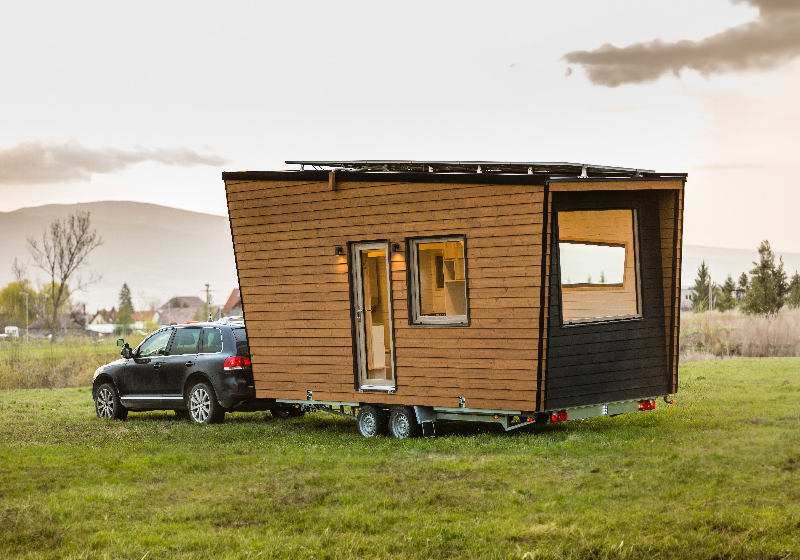
Where most look to trade up, tiny home-owners downsize and purge in order to follow this minimalist trend. For those wondering what the draw is and whether the movement has already passed by, here is a bit more information about the absolutely endearing tiny home.

When students try to predict their future careers, they face a tall task. More likely than not, their future career probably doesn’t even exist yet! Technology is advancing at a breakneck pace, and as a result, workers are finding themselves in exciting new fields and industry standards are transforming every year. These new technologies give many professions brand new tools which allow them to accomplish things scarcely imagined in the past. In the property inspection industry, a tool that’s finding its way into many inspectors’ tool belts and may be revolutionizing the field is the drone. What Are Drones?Drones are a short-hand name used when referring to Unmanned Aerial Vehicles (or UAVs). This general term refers to an incredibly wide range of devices that have been used in various recreational activities, to capture footage for films, and even to perform reconnaissance in warfare. Though they started out as mostly a novelty when made available to the public, drones have quickly become a tool to aid various commercial enterprises. In the field of property inspections, drones are more lightweight than some of their industrial counterparts. Property inspectors are restricted to units weighing under 55 pounds, but most are under three pounds
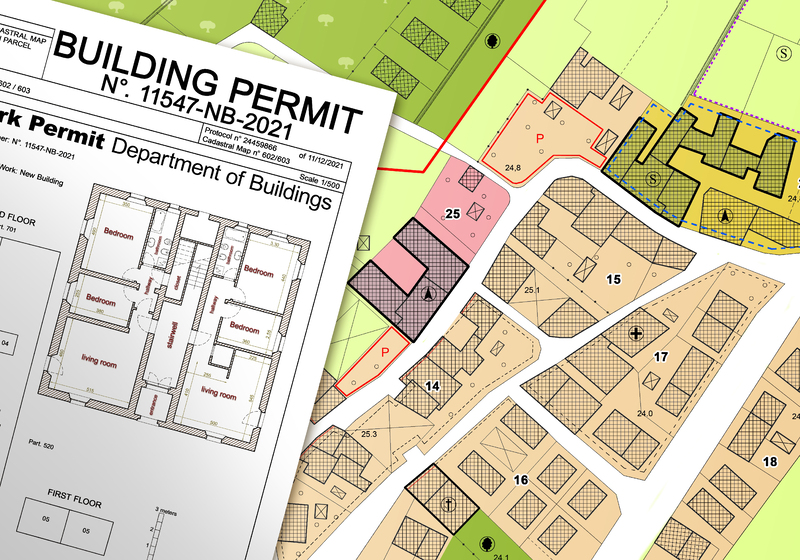
The prospect of becoming a new homeowner is undoubtedly an exciting one. Sure, there are plenty of stressful aspects to consider, but the possibilities floating in homebuyers’ minds can be nearly endless. However, there are some limiting factors that every homeowner should be aware of before starting any ambitious projects on their new properties. Some might be under the impression that they are free to do what they like on their own property, but local governments have long-held zoning laws meant to protect their citizens. To navigate the world of zoning laws with confidence, let’s break down what they are, and how they might change your next home improvement project. What Are Zoning Laws? Zoning laws have a long history stretching back to the early 20th-century as governments outlined the distinction between what property owners could do on their land and what local governments could do to limit those actions. In short, they are rules that dictate what sorts of buildings exist and where they are built. Over time, common standards were developed with the public in mind. For example, zoning laws restrict where industrial buildings can be established. Residential zones are largely protected from being near large production facilities

Trying to get the most money for your home can feel like navigating through a maze at times. You try to figure out your local market and price your house competitively, but you’re still struggling to get good offers. As you work with your agent, they’ll likely give you advice on how to optimize your listing. Here are a few tips to draw the perfect buyer to your home. Spruce Up Your Listing To make a great first impression with buyers, start by creating a strong listing. Each part from your pictures to the description of the house should be as accurate as possible. If a buyer comes to tour and realizes things aren’t how they appear in your listing, it can turn them away from making an offer. Staging your home for photos makes all the difference in how buyers will assess it. To get your home picture ready, clean from top to bottom. All your belongings should be put away so that people can see each room in its entirety. If you have a storage area or large closet space you want to highlight, clear it out to show the full size. Lastly, use good lighting so each

Moving can be an exciting, albeit, stressful time during any season. Fall, especially, has its own set of challenges, the main one being weather. But there are upsides to selling at the end of the year as well. So is it worth it to move during the changing season, or should you wait it out? Pro: Fall typically has nicer temperatures. Autumn temperatures tend not to drastically swing too much, which is nice when you’re trying to plan out a moving day. Unlike spring or early summer, you won’t have to worry about getting caught in a surprise rainstorm. The cooler temperatures also mean you probably won’t be sweating or risk getting overheated as you sort boxes and lug totes up the stairs. Con: Northern falls can get chilly. While it’ll feel good to have lower temps, you might have to be wary of that fluffy white stuff interfering. Northern climates in particular are prone to early snows that could impact your travel plans. Ice and snow make roads dangerous to drive on for long distances. If you’re not heading out until late October or November, you may need to keep a close eye on the forecast. Pro: You might
New responsibilities and decisions can stack up quickly, but that doesn’t mean you have to feel overwhelmed! With the right clarity and know-how, buying a home can be smooth and even enjoyable.
By Lauren from Allied Van Lines Moving to a new city or state is an exciting adventure, but it can also be stressful. Even after the initial chaos of the move subsides, unpacking and settling in can take a while. Here are some key unpacking strategies to help you feel comfortable and at home in your new place as soon as possible. 1. Pack an Essentials Box for Easy Access One of the most important tips for both packing and unpacking is to create a designated “essentials box.” Before you move, compile a list of items you’ll need right away, including: Clothes for a week Medications and toiletries First-aid kit Chargers for electronics Snacks and drinks Having this box readily available in your car will make the first few days in your new home much smoother. 2. Prioritize Utility Connections and Major Appliances Ensure a smooth transition by scheduling utility connections (electricity, water, internet) well in advance. Ideally, have them turned on before you even arrive. This allows you to focus on unpacking essentials upon arrival. Next, prioritize unpacking and setting up major appliances like the stove, refrigerator, and coffee maker. If you work remotely, prioritize setting up internet access
Between wearing green, spotting four leaf clovers, and being surrounded by little men with red beards, St. Patrick’s Day is full of lighthearted and strange traditions for families and friends to enjoy. Everybody can always use a little extra luck in their lives, and throughout the years, families have come up with plenty of unique traditions to usher in some good fortune as they move into their new homes. In the spirit of the season, let’s take a look at some of these superstitions to make your next move jinx-free! Lay a Positive Foundation Depending on how early in the process people begin to interact with their new home, many believe in writing positive messages on the frames of their houses and behind the drywall, and even scattering coins in the foundation in hopes that good, fortunate days are ahead. These traditions may be traced all the way back to “foundation deposits,” where groups in ancient Egypt and Sudan buried sacrificed animals, valuable tools, and pottery underneath cornerstones of important buildings in blessing rituals (according to historians at the Egyptian Museum in Manchester). Today, items that new homeowners place within their foundation and in their framing are a bit more
Optimism in the housing market among Gen Zers and millennials is on the rise thanks to mortgage rate drops from the Federal Reserve (per reports at Business Insider). While this is great news for those who have been waiting to jump into the housing market, people who are waiting for lower housing prices are likely to be disappointed as mortgage rates are just one piece of the puzzle. A lack of inventory and high demand mean that housing prices aren’t likely to see a substantial change anytime soon, so when is the right time for a new homebuyer to start looking? For many reasons, it might be this spring! The Housing Market is SeasonalIt’s no secret that the housing market is largely seasonal, especially in regions that see a large amount of snow. The hassle of moving during inclement weather obviously isn’t ideal, plus homebuyers can have an inaccurate view of what the home and its neighborhood even looks like if it’s covered in snow. Because of these factors, warm weather tends to bring the busiest time of the year for real estate agents – but this doesn’t necessarily mean summer is the best time for everyone to buy a
The experience of moving into a new home can be like riding a chaotic roller coaster – with all of the anxiety and eventual relief that’s involved with the ordeal. Often, families can be so consumed with making themselves comfortable in their new home that finding comfort in their new neighborhood is an afterthought. Today, many can find it difficult to familiarize themselves with the people that share their block, whether because they might lean toward an introverted personality, or perhaps their hectic lifestyle limits opportunities to invest in new relationships. Regardless of the reasons for these hurdles, new homeowners should realize that their best opportunity to get to know their new environment is when they first move into their homes. If you’re interested in exploring some strategies for making a positive first impression with your new neighbors, you’re in the right place! The Benefits of Knowing Your NeighborsBased on some of the latest Pew research polls, a lack of familiarity with one’s neighbors is trending up. While only 4% of Americans ages 65 and up report not knowing any of their neighbors, this number grows to 7% for ages 50-64, 15% for ages 30-49, and a whopping 23% for
Where most look to trade up, tiny home-owners downsize and purge in order to follow this minimalist trend. For those wondering what the draw is and whether the movement has already passed by, here is a bit more information about the absolutely endearing tiny home.
When students try to predict their future careers, they face a tall task. More likely than not, their future career probably doesn’t even exist yet! Technology is advancing at a breakneck pace, and as a result, workers are finding themselves in exciting new fields and industry standards are transforming every year. These new technologies give many professions brand new tools which allow them to accomplish things scarcely imagined in the past. In the property inspection industry, a tool that’s finding its way into many inspectors’ tool belts and may be revolutionizing the field is the drone. What Are Drones?Drones are a short-hand name used when referring to Unmanned Aerial Vehicles (or UAVs). This general term refers to an incredibly wide range of devices that have been used in various recreational activities, to capture footage for films, and even to perform reconnaissance in warfare. Though they started out as mostly a novelty when made available to the public, drones have quickly become a tool to aid various commercial enterprises. In the field of property inspections, drones are more lightweight than some of their industrial counterparts. Property inspectors are restricted to units weighing under 55 pounds, but most are under three pounds
The prospect of becoming a new homeowner is undoubtedly an exciting one. Sure, there are plenty of stressful aspects to consider, but the possibilities floating in homebuyers’ minds can be nearly endless. However, there are some limiting factors that every homeowner should be aware of before starting any ambitious projects on their new properties. Some might be under the impression that they are free to do what they like on their own property, but local governments have long-held zoning laws meant to protect their citizens. To navigate the world of zoning laws with confidence, let’s break down what they are, and how they might change your next home improvement project. What Are Zoning Laws? Zoning laws have a long history stretching back to the early 20th-century as governments outlined the distinction between what property owners could do on their land and what local governments could do to limit those actions. In short, they are rules that dictate what sorts of buildings exist and where they are built. Over time, common standards were developed with the public in mind. For example, zoning laws restrict where industrial buildings can be established. Residential zones are largely protected from being near large production facilities
Trying to get the most money for your home can feel like navigating through a maze at times. You try to figure out your local market and price your house competitively, but you’re still struggling to get good offers. As you work with your agent, they’ll likely give you advice on how to optimize your listing. Here are a few tips to draw the perfect buyer to your home. Spruce Up Your Listing To make a great first impression with buyers, start by creating a strong listing. Each part from your pictures to the description of the house should be as accurate as possible. If a buyer comes to tour and realizes things aren’t how they appear in your listing, it can turn them away from making an offer. Staging your home for photos makes all the difference in how buyers will assess it. To get your home picture ready, clean from top to bottom. All your belongings should be put away so that people can see each room in its entirety. If you have a storage area or large closet space you want to highlight, clear it out to show the full size. Lastly, use good lighting so each
Moving can be an exciting, albeit, stressful time during any season. Fall, especially, has its own set of challenges, the main one being weather. But there are upsides to selling at the end of the year as well. So is it worth it to move during the changing season, or should you wait it out? Pro: Fall typically has nicer temperatures. Autumn temperatures tend not to drastically swing too much, which is nice when you’re trying to plan out a moving day. Unlike spring or early summer, you won’t have to worry about getting caught in a surprise rainstorm. The cooler temperatures also mean you probably won’t be sweating or risk getting overheated as you sort boxes and lug totes up the stairs. Con: Northern falls can get chilly. While it’ll feel good to have lower temps, you might have to be wary of that fluffy white stuff interfering. Northern climates in particular are prone to early snows that could impact your travel plans. Ice and snow make roads dangerous to drive on for long distances. If you’re not heading out until late October or November, you may need to keep a close eye on the forecast. Pro: You might