
Tag: kids

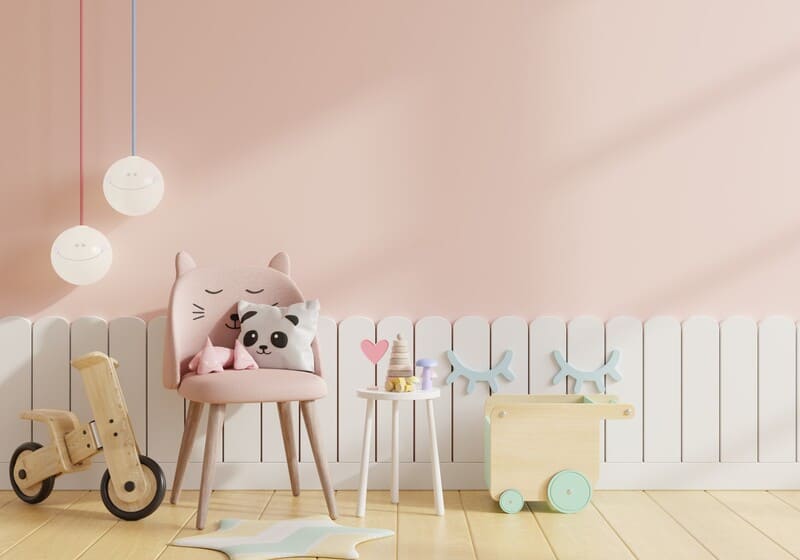
How to Prepare Your Home for a New Baby

There’s no better feeling than becoming a new parent. But it can also be scary and daunting, especially if it’s your first time. What do you feed them? How do you keep them healthy? There are a million different questions you have to answer in just a short amount of time. The biggest of these is how to keep your new little one safe. You can easily check your home for dangers and implement safeguards to keep your new bundle of joy from harm. Home Safety Checklist: Before the Baby Comes HomeIn the months leading up to your baby’s arrival, take a walk around your house and assess any safety concerns. Here are some essential things to check for: Home Safety Checklist: After the Baby is HomeOnce your little one arrives, there are still precautions to take. Before you know it, they’ll be crawling. To keep them safe once they’re on the move, here are some additional things you can do around your home: After the crawling stage comes the walking stage. This is another amazing parenting moment, but again opens more things to watch out for. Your baby will start to pull themselves up and onto everything they can
Read More »

The 9 Best Household Uses for Bleach

Bleach is a classic solution for taking care of myriad cleaning projects around the house. It’s so ubiquitous, in fact, that we’re betting there are some uses that you don’t even know about yet. Check out these nine ways to use bleach for your toughest household tasks. 1. Clean your cutting boards.Butcher block countertops and cutting boards can start harboring lots of bacteria over time. Combine one teaspoon bleach with two quarts of water, dip in a brush and use small circles to scrub boards and counters. Wipe with a damp paper towel and then dry immediately. 2. Get rid of mold and mildewBleach is notorious for its ability to eradicate mold and mildew, but it’s all about doing it right. Follow the following ratios to get rid of mold and mildew in these tough places: Painted surfaces and siding: Mix one quarter bleach with two cups water and apply with a brush to any areas showing mold or mildew. Allow to set for 15 minutes and then rinse. You may need to repeat. Shower curtains: Wash in warm water with half a cup of bleach and a quarter cup of detergent. Let the washer run for a few minutes

Read More »

What Can You Get Rid of Right Now? 25 Quick Ideas for Decluttering

Got a spare hour or so? It’s time to start tossing. Grab a trash bag, a recycling bin and a few donation boxes and get down to business. Working room by room, here are the things you can get rid of right this second. Kitchen 1. Expired food in your fridge and pantry. (Don’t forget to check all those condiments—they don’t last as long as you think). 2. Recipe books, cards and print-outs you don’t use. 3. Old or one-time use cleaning supplies under the sink. 4. Bottles of alcohol collecting dust. 5. Old, stained and tattered sponges, dishrags and hand towels. Living Room 6. Magazines you’ve already read. 7. DVDs no one watches. 8. Knickknacks that no longer speak to you. 9. Extra throw pillows and blankets. 10. Toys and electronics that aren’t played with or used. Bathroom 11. Expired medications. 12. Old makeup, nail polishes and skin care products. 13. Any half-empty bottles or soap remnants in the shower. 14. Sample packets and hotel soaps, shampoos and lotions. 15. Any hair accessories, curlers or hot tools that don’t get used. Bedrooms 16. Extra sets of sheets—you only need two! 17. Clothes that don’t fit or you no longer

Read More »

A Pajama Lounge? What It Is and Why the Trend is Taking Over

Have you heard of a pajama lounge? If you haven’t yet, you’ll probably be seeing the concept everywhere soon! We’ll give you a quick rundown of what a pajama lounge is and the different ways you can adapt it to your taste and living space. What is a Pajama Lounge? Short answer: just about anything you want it to be. But a pajama lounge does have one particular feature that makes it a pajama lounge, and that is its location. Pajama lounges are always located on an upper floor of the home, typically the second or third. They’re basically a common space, similar to a home’s living room or family room, located close to its bedrooms so that residents have the novelty of padding right down to it instead of going all the way downstairs. But that’s where the similarities end from home to home. You can do just about anything you’d like with an upper story common area, aka a pajama lounge. Check out the list below for some of our favorite ideas. Create the Themed Common Room of Your Dreams Since the living room is often one of the first spaces visible when you enter a home, many

Read More »

How to Organize Your Garage in One Weekend

The garage is one of those spaces that often serves as a “dump” zone. Not only does it house bikes, tools and lawnmowers, anything that can’t be stored inside tends to get shuffled off there. And before you know it, you can’t see the floor! While we realize everyone’s storage space and belongings are different, we have a few tips to help you organize your garage in a stress-free way that makes sense. It’s Not Just You Before you go feeling ashamed at the state of your garage, know that up to 57 percent of people with a two-car can’t even park one vehicle inside due to the sheer volume of clutter. Whether you want to blame it on consumerism, the homeowner DIY movement, or something else entirely, Americans have a lot of stuff. And with our busy schedules, we don’t make a lot of time to think about how we store it. Because we’re betting on there being several years’ worth of clutter to sort through, we recommend setting aside one full weekend to conquer your garage with your undivided attention. It might not be the most fun you’ve ever had, but it’ll be worth it. Make it a

Read More »

8 Cleaning Tasks You Might Be Overlooking

Keeping a neat and tidy house is no easy task, and you’ll inevitably overlook a few much-needed cleaning duties from time to time. Here are eight oft forgotten jobs that are worth the extra effort for a healthier, happier home. Pet Supplies When’s the last time you cleaned your furry friend’s bowls? Their favorite blanket? Their toys? Odds are, these items don’t make your regular to-do list, but the good news is that they’re easy to take care of. Bowls and Hard Toys: Many pet bowls are dishwasher-safe, and you can place them in the top rack with your regular load of dishes. If you’re not sure, it’s best to wash them by hand with hot water and a drop of gentle dish soap. Hard dog toys can also be placed in the dishwasher or washed gently by hand. Blankets and Soft Toys: Blankets can be cleaned in the washer and dryer, and believe it or not, so can squeaker toys. For a load of pet items, you can use natural, or “free” laundry detergent, but our favorite is several capfuls of white vinegar. This should be added during the rinse cycle for the best results. Blankets and toys can

Read More »

Firework Safety 101: Stay Safe This Fourth of July

With the Fourth of July rapidly approaching, you’re probably busy stocking up on fireworks and finalizing plans with family and friends. While firework safety might be one of the last things on your mind in the midst of all the bustle, it’s worth looking into. An estimated 11,000 people were injured by fireworks-related incidents in 2016, and those were just the ones reported! The vast majority of those accidents? Entirely preventable. Take a moment to review these safety tips and keep your loved ones out of danger this Fourth of July. Know Your Local Laws Before you consider setting off fireworks at home, you’ll need to check up on your local laws. Certain states have banned fireworks outright or prohibit the use of certain kinds of fireworks. These regulations change all the time, so even if you think you know your city or state’s views on fireworks, it never hurts to review them. Don’t Give Fireworks to Your Kids Even though they’re considered a “kid’s” firework, you might be surprised to know that sparklers are the leading cause of injuries on the Fourth of July. Sparklers can reach up to 3,000 degrees Fahrenheit, hot enough to cause severe burns or

Read More »

8 Ways to Allergy-Proof Your Home This Spring

Some of us are in the throes of it and some of us are just starting to experience the first twinges. For many, spring means allergy season and dealing with irritating symptoms for weeks on end. Today, we’ll let you in on our best tips for creating an allergy-proof home during pollen season and well beyond. 1. Find out what you’re allergic to. Don’t take a stab in the dark when it comes to allergies! For red, itchy eyes, sneezing, shortness of breath and other symptoms, you’ll need to consult with your physician about testing and treatment options. Not only can finding out exactly what you’re allergic to help you save significantly on medication and health care costs, it’ll let you know precisely where to start when it comes to making a more allergy-proof space for your family. 2. Allergy-proof your mattress. Dust and dust mites are a leading allergen for many individuals all year long. Dust and its mites are more likely to gather and multiply in and around your mattress, bedding and bed itself than almost anywhere else in your home. That’s because a dust mite’s favorite food happens to be skin flakes. As humans, we’re constantly shedding

Read More »

How to Prepare Your Home for a New Baby

There’s no better feeling than becoming a new parent. But it can also be scary and daunting, especially if it’s your first time. What do you feed them? How do you keep them healthy? There are a million different questions you have to answer in just a short amount of time. The biggest of these is how to keep your new little one safe. You can easily check your home for dangers and implement safeguards to keep your new bundle of joy from harm. Home Safety Checklist: Before the Baby Comes HomeIn the months leading up to your baby’s arrival, take a walk around your house and assess any safety concerns. Here are some essential things to check for: Home Safety Checklist: After the Baby is HomeOnce your little one arrives, there are still precautions to take. Before you know it, they’ll be crawling. To keep them safe once they’re on the move, here are some additional things you can do around your home: After the crawling stage comes the walking stage. This is another amazing parenting moment, but again opens more things to watch out for. Your baby will start to pull themselves up and onto everything they can

Read More »

The 9 Best Household Uses for Bleach

Bleach is a classic solution for taking care of myriad cleaning projects around the house. It’s so ubiquitous, in fact, that we’re betting there are some uses that you don’t even know about yet. Check out these nine ways to use bleach for your toughest household tasks. 1. Clean your cutting boards.Butcher block countertops and cutting boards can start harboring lots of bacteria over time. Combine one teaspoon bleach with two quarts of water, dip in a brush and use small circles to scrub boards and counters. Wipe with a damp paper towel and then dry immediately. 2. Get rid of mold and mildewBleach is notorious for its ability to eradicate mold and mildew, but it’s all about doing it right. Follow the following ratios to get rid of mold and mildew in these tough places: Painted surfaces and siding: Mix one quarter bleach with two cups water and apply with a brush to any areas showing mold or mildew. Allow to set for 15 minutes and then rinse. You may need to repeat. Shower curtains: Wash in warm water with half a cup of bleach and a quarter cup of detergent. Let the washer run for a few minutes

Read More »

What Can You Get Rid of Right Now? 25 Quick Ideas for Decluttering

Got a spare hour or so? It’s time to start tossing. Grab a trash bag, a recycling bin and a few donation boxes and get down to business. Working room by room, here are the things you can get rid of right this second. Kitchen 1. Expired food in your fridge and pantry. (Don’t forget to check all those condiments—they don’t last as long as you think). 2. Recipe books, cards and print-outs you don’t use. 3. Old or one-time use cleaning supplies under the sink. 4. Bottles of alcohol collecting dust. 5. Old, stained and tattered sponges, dishrags and hand towels. Living Room 6. Magazines you’ve already read. 7. DVDs no one watches. 8. Knickknacks that no longer speak to you. 9. Extra throw pillows and blankets. 10. Toys and electronics that aren’t played with or used. Bathroom 11. Expired medications. 12. Old makeup, nail polishes and skin care products. 13. Any half-empty bottles or soap remnants in the shower. 14. Sample packets and hotel soaps, shampoos and lotions. 15. Any hair accessories, curlers or hot tools that don’t get used. Bedrooms 16. Extra sets of sheets—you only need two! 17. Clothes that don’t fit or you no longer

Read More »

A Pajama Lounge? What It Is and Why the Trend is Taking Over

Have you heard of a pajama lounge? If you haven’t yet, you’ll probably be seeing the concept everywhere soon! We’ll give you a quick rundown of what a pajama lounge is and the different ways you can adapt it to your taste and living space. What is a Pajama Lounge? Short answer: just about anything you want it to be. But a pajama lounge does have one particular feature that makes it a pajama lounge, and that is its location. Pajama lounges are always located on an upper floor of the home, typically the second or third. They’re basically a common space, similar to a home’s living room or family room, located close to its bedrooms so that residents have the novelty of padding right down to it instead of going all the way downstairs. But that’s where the similarities end from home to home. You can do just about anything you’d like with an upper story common area, aka a pajama lounge. Check out the list below for some of our favorite ideas. Create the Themed Common Room of Your Dreams Since the living room is often one of the first spaces visible when you enter a home, many

Read More »

How to Organize Your Garage in One Weekend

The garage is one of those spaces that often serves as a “dump” zone. Not only does it house bikes, tools and lawnmowers, anything that can’t be stored inside tends to get shuffled off there. And before you know it, you can’t see the floor! While we realize everyone’s storage space and belongings are different, we have a few tips to help you organize your garage in a stress-free way that makes sense. It’s Not Just You Before you go feeling ashamed at the state of your garage, know that up to 57 percent of people with a two-car can’t even park one vehicle inside due to the sheer volume of clutter. Whether you want to blame it on consumerism, the homeowner DIY movement, or something else entirely, Americans have a lot of stuff. And with our busy schedules, we don’t make a lot of time to think about how we store it. Because we’re betting on there being several years’ worth of clutter to sort through, we recommend setting aside one full weekend to conquer your garage with your undivided attention. It might not be the most fun you’ve ever had, but it’ll be worth it. Make it a

Read More »

8 Cleaning Tasks You Might Be Overlooking

Keeping a neat and tidy house is no easy task, and you’ll inevitably overlook a few much-needed cleaning duties from time to time. Here are eight oft forgotten jobs that are worth the extra effort for a healthier, happier home. Pet Supplies When’s the last time you cleaned your furry friend’s bowls? Their favorite blanket? Their toys? Odds are, these items don’t make your regular to-do list, but the good news is that they’re easy to take care of. Bowls and Hard Toys: Many pet bowls are dishwasher-safe, and you can place them in the top rack with your regular load of dishes. If you’re not sure, it’s best to wash them by hand with hot water and a drop of gentle dish soap. Hard dog toys can also be placed in the dishwasher or washed gently by hand. Blankets and Soft Toys: Blankets can be cleaned in the washer and dryer, and believe it or not, so can squeaker toys. For a load of pet items, you can use natural, or “free” laundry detergent, but our favorite is several capfuls of white vinegar. This should be added during the rinse cycle for the best results. Blankets and toys can

Read More »

Firework Safety 101: Stay Safe This Fourth of July

With the Fourth of July rapidly approaching, you’re probably busy stocking up on fireworks and finalizing plans with family and friends. While firework safety might be one of the last things on your mind in the midst of all the bustle, it’s worth looking into. An estimated 11,000 people were injured by fireworks-related incidents in 2016, and those were just the ones reported! The vast majority of those accidents? Entirely preventable. Take a moment to review these safety tips and keep your loved ones out of danger this Fourth of July. Know Your Local Laws Before you consider setting off fireworks at home, you’ll need to check up on your local laws. Certain states have banned fireworks outright or prohibit the use of certain kinds of fireworks. These regulations change all the time, so even if you think you know your city or state’s views on fireworks, it never hurts to review them. Don’t Give Fireworks to Your Kids Even though they’re considered a “kid’s” firework, you might be surprised to know that sparklers are the leading cause of injuries on the Fourth of July. Sparklers can reach up to 3,000 degrees Fahrenheit, hot enough to cause severe burns or

Read More »

8 Ways to Allergy-Proof Your Home This Spring

Some of us are in the throes of it and some of us are just starting to experience the first twinges. For many, spring means allergy season and dealing with irritating symptoms for weeks on end. Today, we’ll let you in on our best tips for creating an allergy-proof home during pollen season and well beyond. 1. Find out what you’re allergic to. Don’t take a stab in the dark when it comes to allergies! For red, itchy eyes, sneezing, shortness of breath and other symptoms, you’ll need to consult with your physician about testing and treatment options. Not only can finding out exactly what you’re allergic to help you save significantly on medication and health care costs, it’ll let you know precisely where to start when it comes to making a more allergy-proof space for your family. 2. Allergy-proof your mattress. Dust and dust mites are a leading allergen for many individuals all year long. Dust and its mites are more likely to gather and multiply in and around your mattress, bedding and bed itself than almost anywhere else in your home. That’s because a dust mite’s favorite food happens to be skin flakes. As humans, we’re constantly shedding

Read More »