Home Features That Ward Off Radon: A Guide for Homebuyers
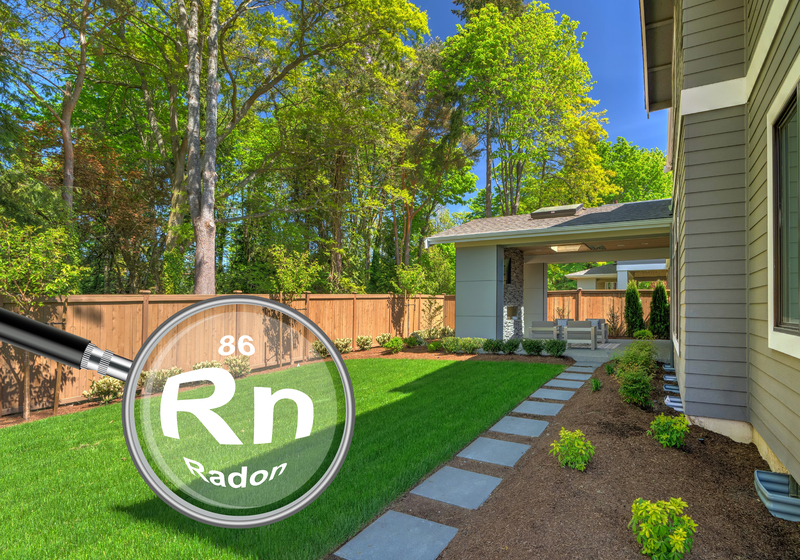
If you aren’t familiar with radon yet, now is the time to learn about this potentially deadly natural gas. Outside of smoking, radon is the number one cause for lung cancer in the US and Canada. One thing that separates radon from other lethal gases, however, is its uniquely subtle nature. radon is an odorless and colorless gas, created through a natural process of uranium deterioration in the soil. Everyone is affected by radon gas, but outside and in the open air, radon has room to freely dilute down to non-hazardous levels. Too frequently though, homes can restrict the space that radon needs to dilute into these safe levels. For Canada, the World Health Organization warns that homes with over 200 Bq/m3 of radon are unsafe and require immediate radon remediation. In the US, this guideline is even lower, at 4 pCi/L (or ~150 Bq/m3). (Check out the WHO’s recent coverage of the topic here.) While not all homes experience the same average volume of radon dilution, the US’s Environmental Protection Agency has published a zone map so that homebuyers can be aware of the overall trends in their area. Only a certified professional can be relied upon for an