
Tag: home exterior

The Pros and Con(do)s of Buying A Condo

As people progress in their lives, chances are that they will experience a desire for increased ownership and investment in their living space. For many, this might mean a transition from an apartment to a traditional single-family home. Certainly, a traditional home has many potential draws for a first-time homeowner, but depending on priorities and interests, it would be a mistake not to consider a condominium. Condos are often regarded as a less expensive, more obtainable first home for young people. If you are in the market for home ownership, it would be valuable to review the pros and cons of buying a condo. But first, it’s important to develop a general understanding of how a condominium differs from an apartment or a traditional home. What Is A Condominium? A condominium is a residential complex consisting of separate units, each owned by their respective resident. Often abbreviated as simply “condos,” these units resemble apartments in some ways, often sharing walls with other units. Sometimes they are even located in highrise buildings, with units above or below one another. Condo owners are responsible for the upkeep of their units’ interiors, while they must join their condo’s association to collectively care for


Read More »

Home Maintenance Tasks You Should Add To Your 2023 Resolutions

Every new year, people rack their brains about what their New Year’s Resolution should be. Should I make it a goal to lose weight this year? Should I spend more time with my family? Maybe read more? Get more organized? Personal resolutions are great, and this time period is a great opportunity to make moves toward self improvement. However, it seems that too many people are missing an opportunity to make a resolution related to almost definitely their most valuable fiscal investment: their home. This year, resolve to take better care of your home by practicing good home maintenance! Your home works hard to take good care of you, return the favor by starting with these simple steps. Know Your Home An easy way to start off with home maintenance is to make sure you set aside between 1% and 4% of your home’s value for home maintenance. Some call this the “Home Maintenance Rule of Thumb,” this is meant to be an easy-to-follow budgeting strategy to make sure home maintenance tasks aren’t neglected. These smaller maintenance tasks will save you money in the long run, as you avoid the more costly breakdowns that can occur without regular maintenance. With

Read More »

Tips to Prolong the Life of Your Roof (and Your Home)

Due to rising concerns surrounding roof integrity during this time of the year, we thought it would be best to review some basic roof maintenance tasks that every homeowner should incorporate into their home maintenance routines. For much of North America, winter brings serious additional stress onto roofs as snow builds. This next year, resolve to provide proper roof care by following these essential tips. Protect Your Shingles The shingles are the attribute that most people first think of when picturing their roofs. Healthy, well-maintained shingles can go a long way to transform the overall attractiveness of a home, but many homeowners do not realize the perils their shingles face. Each season presents its own hazards that can lead to shingle damage. From Summer heat that can cause crackling, curling, and tearing, to degradation from moisture in Winter snows or during thunderstorms, shingles go through the ringer throughout the year. Protecting shingles is about more than just appearances, though, as they put in major work protecting homes from the elements. If a roof’s shingles have suffered through considerable wear-and-tear, homes are much more susceptible to leaks and other forms of water damage. Watch For Water Damage Homeowners should regularly monitor

Read More »

4 Things That Can Go Wrong With Your Chimney

As the weather gets colder, there are some things to consider before starting that first fire. Chimneys are a too-often neglected home amenity, and there are a few hazards homeowners should be aware of. For a warm and safe holiday season, here are a few things about your chimney that you might want to check in on. ObstructionsThe National Fire Protection Association (NFPA) recommends that chimneys be inspected every year, and for good reason! Apart from just ensuring that your chimney is performing as intended, a neglected chimney can result in dangerous house fires or toxic smoke inhalation. A chief factor that can cause these issues is an obstruction within the chimney flue. Any number of obstructions can become dangerous hazards to homeowners. Twigs and leaves can gather, acting as additional kindling, and animals can commonly get stuck inside a chimney flue while searching for warmth or shelter. Depending on your local wildlife, some of the most common animals found in chimneys in North America include raccoons, bats, cats, squirrels, and birds (whose nests also act as additional fire-starters). CreosoteThe interior of a chimney can reach heats of above 2000 degrees Fahrenheit. Because of this, keeping your chimney clear of

Read More »

How to Avoid Unwelcome Household Pests Before They Move In

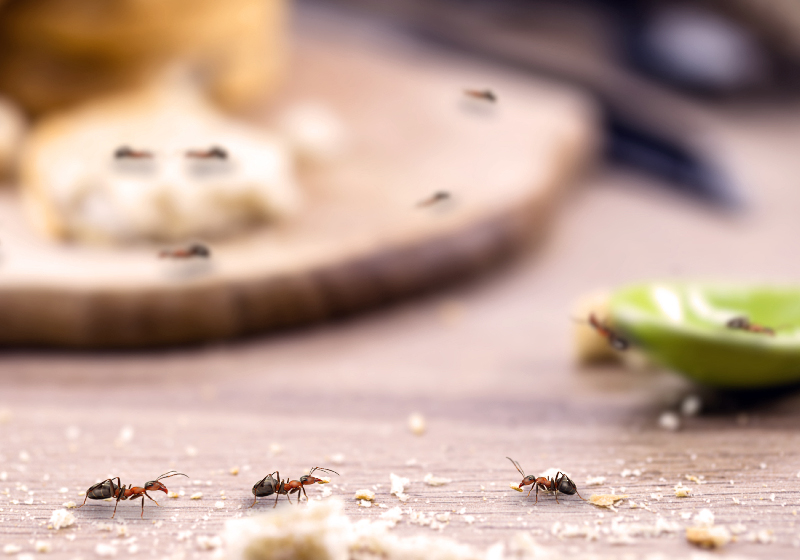
After a long day’s work, your home is where well-deserved rest and recovery takes place. The last thing anyone wants is to share their personal space with an unwanted guest, but the more comfortable your home gets, the more attractive it becomes to pests. According to the US census, approximately 28.8 million households reported seeing either roaches or rodents in their homes in 2019. Even after diligent cleaning and regular house maintenance, pests know how to find a way inside. However, if you follow these few tips, you can ensure that your home remains pest-free. Keep CleanFinding a trail of ants or a mouse in your house doesn’t mean you’re a slob. Bugs and rodents will eat most anything, and usually pests that find their way into a home will break their way into sources of food or water. Still, there are a few cleaning habits and tips you can employ to avoid attracting any unwanted guests. First, don’t leave out any food when it is avoidable. This includes securing bags and boxes, cleaning up spills and crumbs as quickly as possible, and changing pet food regularly. Building these simple healthy habits is the first step to combating pests. It

Read More »

How to Storm-Proof Your Home from Inclement Weather

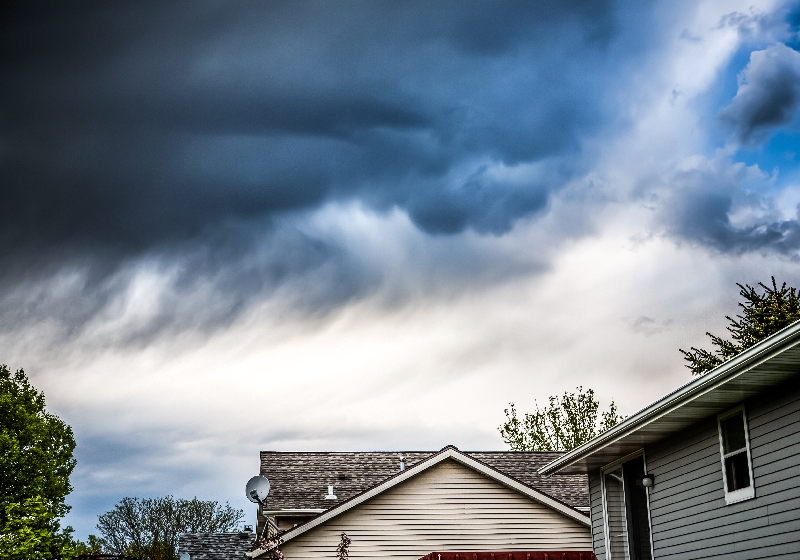
A bad storm can bring about so many repairs. From broken windows to downed powerlines and trees. All together, these things can quickly add up to be very costly. The best method of defense is to prepare for disaster before it occurs. Prior to storm-proofing your home, you’ll want to consider the types of inclement weather common to the area where you reside (i.e., blizzards in the Midwest versus hurricanes and floods in southern states). Based on that information, it’s easier to prepare for and prevent future issues that are most likely to occur. Warm Weather Problems In warmer climates, it’s more common to have issues resulting from high-wind storms and possible flooding (depending on how far south you live). To help weatherproof your home in these situations, it’s best to start by ensuring the solidity of your roof. Loose shingles are a frequent issue in areas where high windstorms are common. Making sure that you have a roof with a solid foundation is key. This can be accomplished in one of two ways. The best practice is to use a double layer of shingles that are no more than six inches apart, as this will prevent holes from forming

Read More »

How to Properly Tend to Trees

Trees are a great addition to any yard. They provide shade, a home for local wildlife, and even delicious fruits. But you do need to give your trees the right care to avoid them becoming a giant pain. Here’s what you can do to keep those saplings strong and healthy. Know your tree species better. There are close to 1,000 species of trees throughout North America, each one requiring different care instructions. If you haven’t had to care for trees before, it may seem a bit overwhelming. The good news is that a little bit of research can give you a better idea of how to care for the ones at your home. The internet, books, and even local lawn care professionals are great resources to reach out to. You’ll be able to find the best information on what to do and what not to do to keep your trees growing strong. Care for the ground around. Poor soil conditions can impact a tree’s root system and its ability to get the nutrients it needs. Avoid compacting the dirt at the base of the tree too much. This is common when people frequently park their cars underneath. Move your car

Read More »

Your Spring Starting Guide to Vegetable Gardens

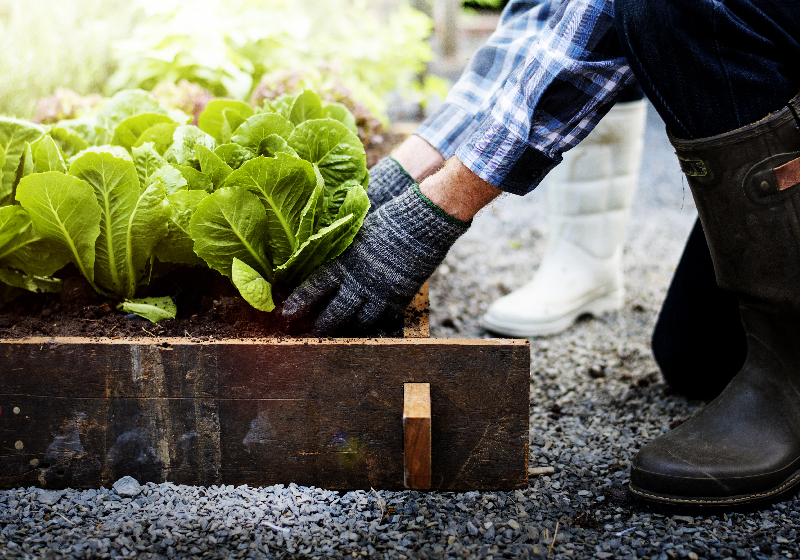
Spring is back again! With the excitement of the new season comes inspiration for projects around your home. If you’re looking for a way to get out and enjoy the beautiful weather, then a vegetable garden is just what you need. Choosing Where to Plant Deciding on a spot to start your vegetable garden is the first step. If you’ve never done a garden before, you may be unsure about where to start. Before you break ground, study your yard. Watch the way the sun and shadows move around, how water flows, and what type of soil your yard mainly consists of. Once you’ve picked a spot that provides the perfect balance, measure out your plot. For beginners, it’s best to start small so you don’t overwhelm yourself. Picking Your Vegetables Now comes the time to decide what to plant. Some of the easiest plants are carrots, zucchinis, tomatoes, green beans, and beets. To avoid wasting plants and money, choose vegetables you typically eat in the correct amount for your family (this quick guide can help you calculate how many of each to plant). Bonus tip: You’ll save money by choosing plants that your local grocer doesn’t always stock. If

Read More »

Is Solar Worth It?

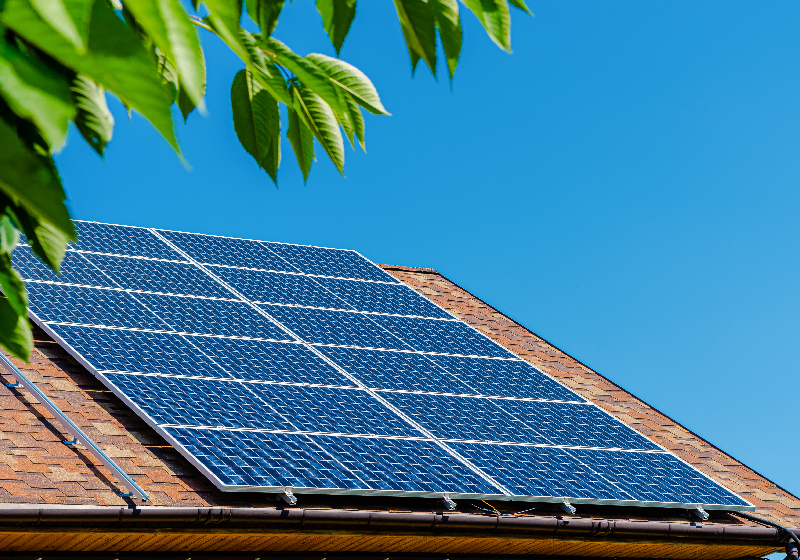
Solar panels have started to gain popularity not just for big businesses, but also for individual homeowners. Almost 4 percent of all U.S. homes and 3 percent in Canada are powered or will be powered by solar panels in 2022. The benefits of a lower energy bill and reducing your carbon footprint has made the switch to solar an easy decision. If you’ve thought about changing your energy supply, there are some things you should consider. How does solar power work? Believe it or not, solar power has existed since the 1950s. But its high price point kept most people from purchasing it for personal use. Thanks to scientific advancements the cost has dropped substantially and they’re higher quality as well. Photovoltaic panels are designed specifically for residential use. The cells in the panel collect the sun’s photons, creating an electric field and eventually flowing to the appliances you’re using. How many panels will you need? How much energy a panel can put out is measured in Watts and called the “theoretical output.” While a panel may be rated for a certain wattage, they don’t use all of the energy they collect. The actual output or “capacity factor” is typically

Read More »

Choosing a Driveway? Here’s What You Should Know

A driveway is a key piece to increasing your home’s curb appeal. Especially if you’re thinking about selling in the near future, you want it to look as perfect as possible. But you want to make sure that you choose the right style for your home. A driveway is a major investment, so here’s what you need to know before you make your decision. Picking Your Material Driveways have expanded past the original concrete styles over time. Now, there’s a wide variety of materials you can choose to pave with. Behind concrete, asphalt has become highly popular with homeowners. Brick is another long-time favorite that tends to hold up well. Gravel is a simple look that can still add attractiveness to your house. Lastly, paving stone driveways allow you to mix and match styles for a more unique look. ConcreteThe top choice for homeowners, concrete driveways have a long list of positives. First of all, the cost of most concrete installations is fairly inexpensive. This is a big selling point for first-time homeowners looking to save money where they can. Concrete also tends to be very durable and lasts for a long time in any climate. If you want something

Read More »

The Pros and Con(do)s of Buying A Condo

As people progress in their lives, chances are that they will experience a desire for increased ownership and investment in their living space. For many, this might mean a transition from an apartment to a traditional single-family home. Certainly, a traditional home has many potential draws for a first-time homeowner, but depending on priorities and interests, it would be a mistake not to consider a condominium. Condos are often regarded as a less expensive, more obtainable first home for young people. If you are in the market for home ownership, it would be valuable to review the pros and cons of buying a condo. But first, it’s important to develop a general understanding of how a condominium differs from an apartment or a traditional home. What Is A Condominium? A condominium is a residential complex consisting of separate units, each owned by their respective resident. Often abbreviated as simply “condos,” these units resemble apartments in some ways, often sharing walls with other units. Sometimes they are even located in highrise buildings, with units above or below one another. Condo owners are responsible for the upkeep of their units’ interiors, while they must join their condo’s association to collectively care for
Read More »

Home Maintenance Tasks You Should Add To Your 2023 Resolutions

Every new year, people rack their brains about what their New Year’s Resolution should be. Should I make it a goal to lose weight this year? Should I spend more time with my family? Maybe read more? Get more organized? Personal resolutions are great, and this time period is a great opportunity to make moves toward self improvement. However, it seems that too many people are missing an opportunity to make a resolution related to almost definitely their most valuable fiscal investment: their home. This year, resolve to take better care of your home by practicing good home maintenance! Your home works hard to take good care of you, return the favor by starting with these simple steps. Know Your Home An easy way to start off with home maintenance is to make sure you set aside between 1% and 4% of your home’s value for home maintenance. Some call this the “Home Maintenance Rule of Thumb,” this is meant to be an easy-to-follow budgeting strategy to make sure home maintenance tasks aren’t neglected. These smaller maintenance tasks will save you money in the long run, as you avoid the more costly breakdowns that can occur without regular maintenance. With

Read More »

Tips to Prolong the Life of Your Roof (and Your Home)

Due to rising concerns surrounding roof integrity during this time of the year, we thought it would be best to review some basic roof maintenance tasks that every homeowner should incorporate into their home maintenance routines. For much of North America, winter brings serious additional stress onto roofs as snow builds. This next year, resolve to provide proper roof care by following these essential tips. Protect Your Shingles The shingles are the attribute that most people first think of when picturing their roofs. Healthy, well-maintained shingles can go a long way to transform the overall attractiveness of a home, but many homeowners do not realize the perils their shingles face. Each season presents its own hazards that can lead to shingle damage. From Summer heat that can cause crackling, curling, and tearing, to degradation from moisture in Winter snows or during thunderstorms, shingles go through the ringer throughout the year. Protecting shingles is about more than just appearances, though, as they put in major work protecting homes from the elements. If a roof’s shingles have suffered through considerable wear-and-tear, homes are much more susceptible to leaks and other forms of water damage. Watch For Water Damage Homeowners should regularly monitor

Read More »

4 Things That Can Go Wrong With Your Chimney

As the weather gets colder, there are some things to consider before starting that first fire. Chimneys are a too-often neglected home amenity, and there are a few hazards homeowners should be aware of. For a warm and safe holiday season, here are a few things about your chimney that you might want to check in on. ObstructionsThe National Fire Protection Association (NFPA) recommends that chimneys be inspected every year, and for good reason! Apart from just ensuring that your chimney is performing as intended, a neglected chimney can result in dangerous house fires or toxic smoke inhalation. A chief factor that can cause these issues is an obstruction within the chimney flue. Any number of obstructions can become dangerous hazards to homeowners. Twigs and leaves can gather, acting as additional kindling, and animals can commonly get stuck inside a chimney flue while searching for warmth or shelter. Depending on your local wildlife, some of the most common animals found in chimneys in North America include raccoons, bats, cats, squirrels, and birds (whose nests also act as additional fire-starters). CreosoteThe interior of a chimney can reach heats of above 2000 degrees Fahrenheit. Because of this, keeping your chimney clear of

Read More »

How to Avoid Unwelcome Household Pests Before They Move In

After a long day’s work, your home is where well-deserved rest and recovery takes place. The last thing anyone wants is to share their personal space with an unwanted guest, but the more comfortable your home gets, the more attractive it becomes to pests. According to the US census, approximately 28.8 million households reported seeing either roaches or rodents in their homes in 2019. Even after diligent cleaning and regular house maintenance, pests know how to find a way inside. However, if you follow these few tips, you can ensure that your home remains pest-free. Keep CleanFinding a trail of ants or a mouse in your house doesn’t mean you’re a slob. Bugs and rodents will eat most anything, and usually pests that find their way into a home will break their way into sources of food or water. Still, there are a few cleaning habits and tips you can employ to avoid attracting any unwanted guests. First, don’t leave out any food when it is avoidable. This includes securing bags and boxes, cleaning up spills and crumbs as quickly as possible, and changing pet food regularly. Building these simple healthy habits is the first step to combating pests. It

Read More »

How to Storm-Proof Your Home from Inclement Weather

A bad storm can bring about so many repairs. From broken windows to downed powerlines and trees. All together, these things can quickly add up to be very costly. The best method of defense is to prepare for disaster before it occurs. Prior to storm-proofing your home, you’ll want to consider the types of inclement weather common to the area where you reside (i.e., blizzards in the Midwest versus hurricanes and floods in southern states). Based on that information, it’s easier to prepare for and prevent future issues that are most likely to occur. Warm Weather Problems In warmer climates, it’s more common to have issues resulting from high-wind storms and possible flooding (depending on how far south you live). To help weatherproof your home in these situations, it’s best to start by ensuring the solidity of your roof. Loose shingles are a frequent issue in areas where high windstorms are common. Making sure that you have a roof with a solid foundation is key. This can be accomplished in one of two ways. The best practice is to use a double layer of shingles that are no more than six inches apart, as this will prevent holes from forming

Read More »

How to Properly Tend to Trees

Trees are a great addition to any yard. They provide shade, a home for local wildlife, and even delicious fruits. But you do need to give your trees the right care to avoid them becoming a giant pain. Here’s what you can do to keep those saplings strong and healthy. Know your tree species better. There are close to 1,000 species of trees throughout North America, each one requiring different care instructions. If you haven’t had to care for trees before, it may seem a bit overwhelming. The good news is that a little bit of research can give you a better idea of how to care for the ones at your home. The internet, books, and even local lawn care professionals are great resources to reach out to. You’ll be able to find the best information on what to do and what not to do to keep your trees growing strong. Care for the ground around. Poor soil conditions can impact a tree’s root system and its ability to get the nutrients it needs. Avoid compacting the dirt at the base of the tree too much. This is common when people frequently park their cars underneath. Move your car

Read More »

Your Spring Starting Guide to Vegetable Gardens

Spring is back again! With the excitement of the new season comes inspiration for projects around your home. If you’re looking for a way to get out and enjoy the beautiful weather, then a vegetable garden is just what you need. Choosing Where to Plant Deciding on a spot to start your vegetable garden is the first step. If you’ve never done a garden before, you may be unsure about where to start. Before you break ground, study your yard. Watch the way the sun and shadows move around, how water flows, and what type of soil your yard mainly consists of. Once you’ve picked a spot that provides the perfect balance, measure out your plot. For beginners, it’s best to start small so you don’t overwhelm yourself. Picking Your Vegetables Now comes the time to decide what to plant. Some of the easiest plants are carrots, zucchinis, tomatoes, green beans, and beets. To avoid wasting plants and money, choose vegetables you typically eat in the correct amount for your family (this quick guide can help you calculate how many of each to plant). Bonus tip: You’ll save money by choosing plants that your local grocer doesn’t always stock. If

Read More »

Is Solar Worth It?

Solar panels have started to gain popularity not just for big businesses, but also for individual homeowners. Almost 4 percent of all U.S. homes and 3 percent in Canada are powered or will be powered by solar panels in 2022. The benefits of a lower energy bill and reducing your carbon footprint has made the switch to solar an easy decision. If you’ve thought about changing your energy supply, there are some things you should consider. How does solar power work? Believe it or not, solar power has existed since the 1950s. But its high price point kept most people from purchasing it for personal use. Thanks to scientific advancements the cost has dropped substantially and they’re higher quality as well. Photovoltaic panels are designed specifically for residential use. The cells in the panel collect the sun’s photons, creating an electric field and eventually flowing to the appliances you’re using. How many panels will you need? How much energy a panel can put out is measured in Watts and called the “theoretical output.” While a panel may be rated for a certain wattage, they don’t use all of the energy they collect. The actual output or “capacity factor” is typically

Read More »

Choosing a Driveway? Here’s What You Should Know

A driveway is a key piece to increasing your home’s curb appeal. Especially if you’re thinking about selling in the near future, you want it to look as perfect as possible. But you want to make sure that you choose the right style for your home. A driveway is a major investment, so here’s what you need to know before you make your decision. Picking Your Material Driveways have expanded past the original concrete styles over time. Now, there’s a wide variety of materials you can choose to pave with. Behind concrete, asphalt has become highly popular with homeowners. Brick is another long-time favorite that tends to hold up well. Gravel is a simple look that can still add attractiveness to your house. Lastly, paving stone driveways allow you to mix and match styles for a more unique look. ConcreteThe top choice for homeowners, concrete driveways have a long list of positives. First of all, the cost of most concrete installations is fairly inexpensive. This is a big selling point for first-time homeowners looking to save money where they can. Concrete also tends to be very durable and lasts for a long time in any climate. If you want something

Read More »