
Tag: here

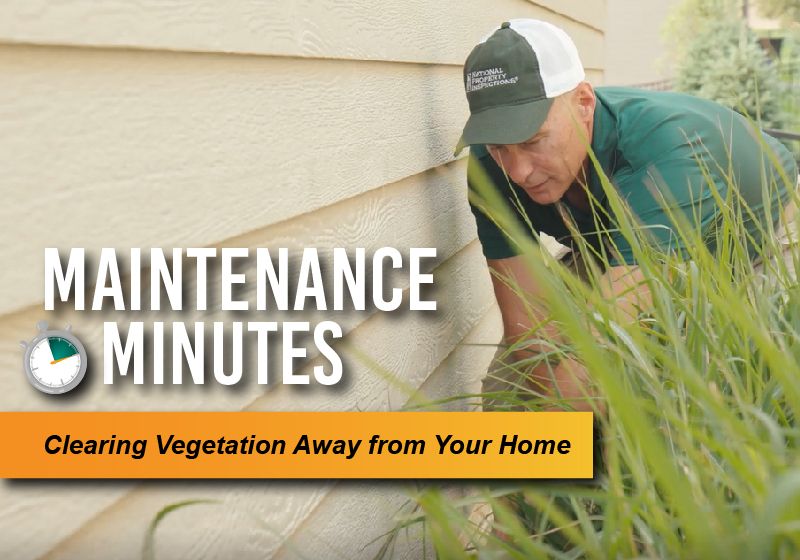
Maintenance Minutes: Clearing Vegetation Away from Your Home

Whether you’re preparing for an inspection or just doing your own outdoor beautification project, clearing vegetation away from your home’s exterior is crucial for both cosmetic and maintenance purposes. Excessive shrubbery around your property can cause clogged drains, damaged roofs, and trapped moisture pockets. These issues can cause problems to your home’s interior and could even lead to insect infestations. To prevent these problems and more, we’re sharing tips on the best method of landscaping maintenance for a healthier home. Choosing a TechniqueThe most common technique used to clear vegetation away from a home is the by hand method. This is the safest way to clear unwanted debris from your home. However, this technique is the most time consuming, so you’ll want to block out a half day just in case. For the purpose of clearing light branches and smaller shrubs away from your property, the clearing by hand method is your best bet, as it’s the most cost-effective, safest, and easiest method to manage. While clearing smaller plants and trees, you’ll want to make sure to follow a few handy tips. Tips for Clearing Trees, Plants, Shrubs, and Bushes While clearing vegetation, it’s important to remember a few essentials
Read More »

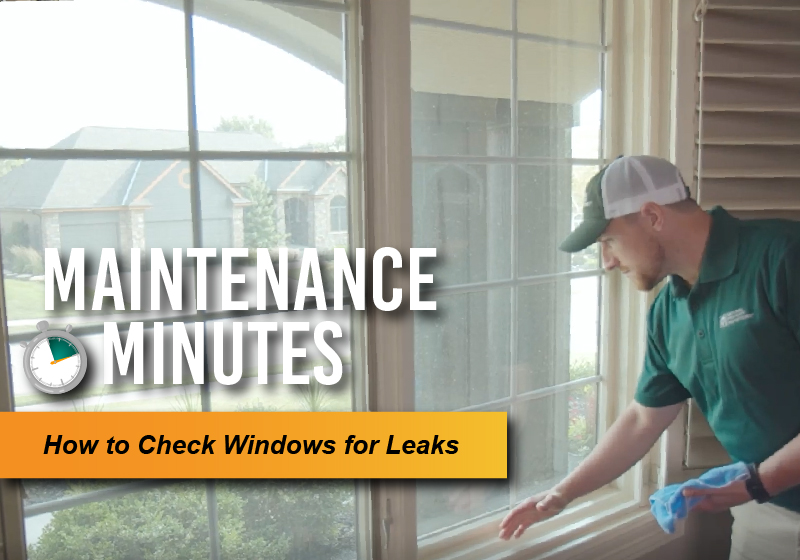
Maintenance Minutes: How to Check for Window Leaks

The most common issues that you will encounter with your property’s windows are problems stemming from water intrusion, difficulty opening and closing windows, and air leaks. If proper repairs are made following the inspection provided by your NPI inspector, you may save a substantial amount of money in heating and cooling costs. If you suspect that you may have any of these issues with your windows, there are ways to check for these problems ahead of receiving the inspection of your property from NPI. Water Damage Checking for the presence of water damage around your windows is relatively easy using a few simple NPI tips. If you suspect water damage to the interior of your windows, first visually examine the condition of each window. You’ll want to take note of signs of a water leak such as peeling paint, mold buildup, and the discoloration of the area surrounding the window. If any of these are prevalent, you will want to further inspect the area around your windows by touching bordering sides with a dry hand. If you detect any moisture or dew drops that have formed on the windowsill, this is an indicator of a window leak. Difficulty Opening &

Read More »

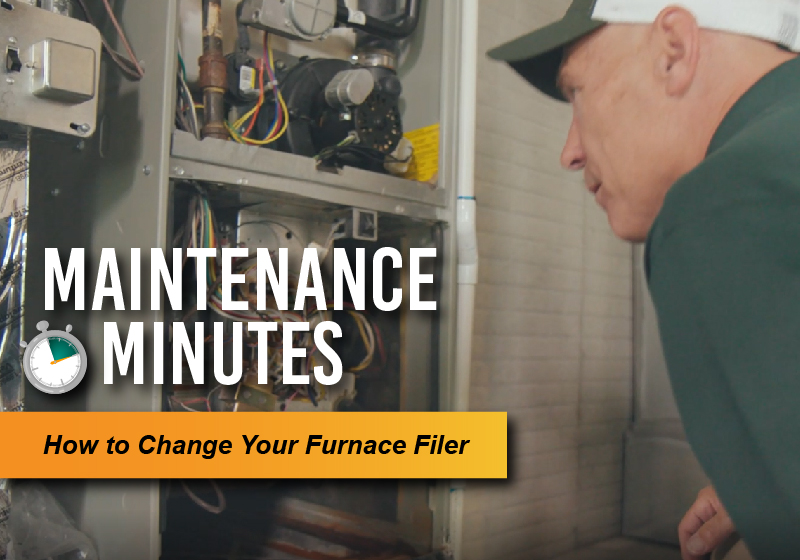
Maintenance Minutes: How to Change Your Furnace Filter

In this Maintenance Minute video, we are going to take a moment to learn how to change the filter on your furnace. The only equipment you will need is a new filter. The information on what size is needed for the new filter should be located on the side of the unit. For this project, there’s no assembly or tools required–anyone can change out an old filter. Plus, it’s a good life skill to know as there will come a time when you need to utilize this expertise. Reasons to Change Your Air FilterThere are a few major reasons why changing your air filter is so important. The first of which being that changing out the filter on your system keeps the HVAC working at an optimal level. Also, replacing the filter improves air quality by keeping the oxygen in your home clean. This is especially important for people with seasonal allergies. Last but not least, swapping out your old air filter for a new one helps to prevent damage to the entire HVAC system. How to Change Your FilterBefore you get started, you’ll want to turn off your furnace. This can be done in one of two ways. In

Read More »

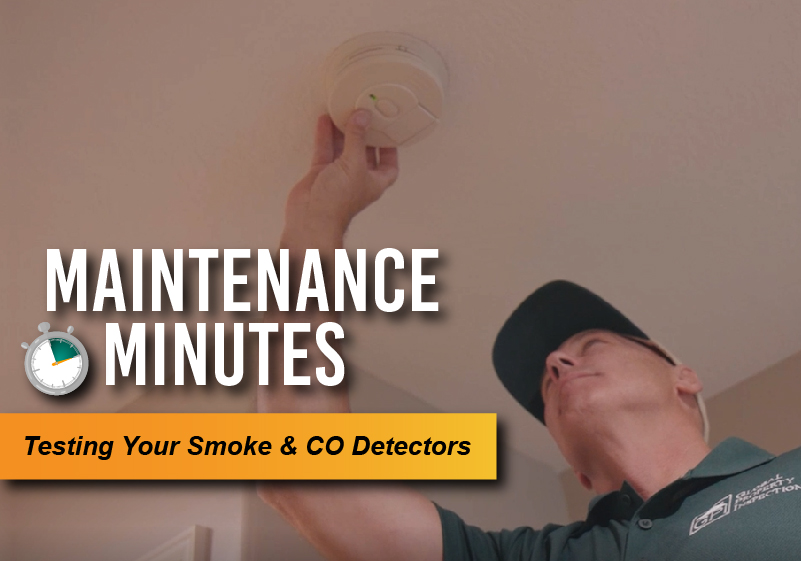
Maintenance Minutes: How to Test Your Smoke and Carbon Monoxide Detectors

Did you know you can cut risks related to carbon monoxide poisoning and fire hazards in half by following just a few helpful tips? The best part is that these recommendations can be completed on your own without the need to pay for additional services from a contractor. All you need is a foot stool or ladder and possibly a few batteries. Before we dive into carbon monoxide and fire prevention, let’s examine reasons why prevention is so important. The Importance of CO SafetyCarbon monoxide is particularly dangerous because it’s an” invisible gas,” meaning that it’s odorless, colorless, and is unseen to the naked eye. It prevents the oxygen in your body from circulating throughout your system properly, disrupting your respiratory system. Carbon monoxide is the byproduct of the fumes produced by fuel sources such as gasoline, coal, kerosene, and wood. The most common sources of carbon monoxide poisoning in homes come from unventilated space heaters, improperly connected water heaters, unclean fireplaces, vehicles that have been unintentionally left running in garages, and household appliances that are incorrectly connected. The onset of carbon monoxide poisoning happens very quickly. According to John Hopkins Medicine, carbon monoxide poisoning can occur in as little

Read More »

Maintenance Minutes: Clearing Vegetation Away from Your Home

Whether you’re preparing for an inspection or just doing your own outdoor beautification project, clearing vegetation away from your home’s exterior is crucial for both cosmetic and maintenance purposes. Excessive shrubbery around your property can cause clogged drains, damaged roofs, and trapped moisture pockets. These issues can cause problems to your home’s interior and could even lead to insect infestations. To prevent these problems and more, we’re sharing tips on the best method of landscaping maintenance for a healthier home. Choosing a TechniqueThe most common technique used to clear vegetation away from a home is the by hand method. This is the safest way to clear unwanted debris from your home. However, this technique is the most time consuming, so you’ll want to block out a half day just in case. For the purpose of clearing light branches and smaller shrubs away from your property, the clearing by hand method is your best bet, as it’s the most cost-effective, safest, and easiest method to manage. While clearing smaller plants and trees, you’ll want to make sure to follow a few handy tips. Tips for Clearing Trees, Plants, Shrubs, and Bushes While clearing vegetation, it’s important to remember a few essentials
Read More »

Maintenance Minutes: How to Check for Window Leaks

The most common issues that you will encounter with your property’s windows are problems stemming from water intrusion, difficulty opening and closing windows, and air leaks. If proper repairs are made following the inspection provided by your NPI inspector, you may save a substantial amount of money in heating and cooling costs. If you suspect that you may have any of these issues with your windows, there are ways to check for these problems ahead of receiving the inspection of your property from NPI. Water Damage Checking for the presence of water damage around your windows is relatively easy using a few simple NPI tips. If you suspect water damage to the interior of your windows, first visually examine the condition of each window. You’ll want to take note of signs of a water leak such as peeling paint, mold buildup, and the discoloration of the area surrounding the window. If any of these are prevalent, you will want to further inspect the area around your windows by touching bordering sides with a dry hand. If you detect any moisture or dew drops that have formed on the windowsill, this is an indicator of a window leak. Difficulty Opening &

Read More »

Maintenance Minutes: How to Change Your Furnace Filter

In this Maintenance Minute video, we are going to take a moment to learn how to change the filter on your furnace. The only equipment you will need is a new filter. The information on what size is needed for the new filter should be located on the side of the unit. For this project, there’s no assembly or tools required–anyone can change out an old filter. Plus, it’s a good life skill to know as there will come a time when you need to utilize this expertise. Reasons to Change Your Air FilterThere are a few major reasons why changing your air filter is so important. The first of which being that changing out the filter on your system keeps the HVAC working at an optimal level. Also, replacing the filter improves air quality by keeping the oxygen in your home clean. This is especially important for people with seasonal allergies. Last but not least, swapping out your old air filter for a new one helps to prevent damage to the entire HVAC system. How to Change Your FilterBefore you get started, you’ll want to turn off your furnace. This can be done in one of two ways. In

Read More »

Maintenance Minutes: How to Test Your Smoke and Carbon Monoxide Detectors

Did you know you can cut risks related to carbon monoxide poisoning and fire hazards in half by following just a few helpful tips? The best part is that these recommendations can be completed on your own without the need to pay for additional services from a contractor. All you need is a foot stool or ladder and possibly a few batteries. Before we dive into carbon monoxide and fire prevention, let’s examine reasons why prevention is so important. The Importance of CO SafetyCarbon monoxide is particularly dangerous because it’s an” invisible gas,” meaning that it’s odorless, colorless, and is unseen to the naked eye. It prevents the oxygen in your body from circulating throughout your system properly, disrupting your respiratory system. Carbon monoxide is the byproduct of the fumes produced by fuel sources such as gasoline, coal, kerosene, and wood. The most common sources of carbon monoxide poisoning in homes come from unventilated space heaters, improperly connected water heaters, unclean fireplaces, vehicles that have been unintentionally left running in garages, and household appliances that are incorrectly connected. The onset of carbon monoxide poisoning happens very quickly. According to John Hopkins Medicine, carbon monoxide poisoning can occur in as little

Read More »