Tag: foundation

The 5 Biggest Problems with Crawl Spaces (And How to Address Them)

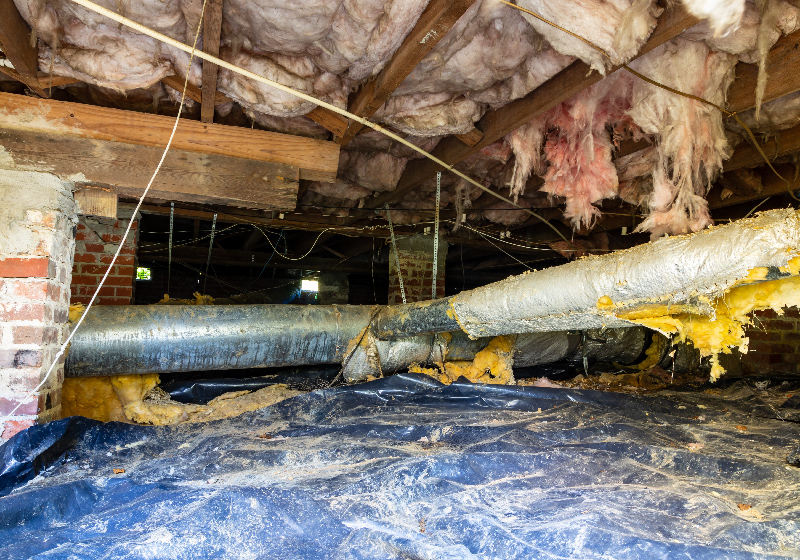
If you’ve ever lived in an area that experiences above-average flooding (or just anywhere in the South), odds are you’re very familiar with crawl spaces. A foundation style different from concrete slabs or full basements, crawl spaces are a fairly common feature in homes that allow for easy access to things like plumbing, electrical wiring, and HVAC systems under the home. Their shorter excavation time also makes them a more cost-effective option for new builds. There are many advantages to buying a home with a crawl space, but with each advantage, there’s also a concern homeowners should be aware of. Let’s discuss a few of the most common — and costly — issues you may encounter in that little space under your floorboards. 1. Moisture, Musty Smells, and MoldThe first issue that homes with crawl spaces face is the unaddressed buildup of moisture beneath the home. So-called crawl spaces earn their names due to a very low clearance height, with a majority of these spaces measuring three feet or lower. It’s understandable that homeowners don’t make it a habit of exploring these areas regularly, but a lack of attention anywhere around the home tends to lead to problems down the

Read More »

4 Lucky Traditions and Superstitions When Moving Into A New Home

Between wearing green, spotting four leaf clovers, and being surrounded by little men with red beards, St. Patrick’s Day is full of lighthearted and strange traditions for families and friends to enjoy. Everybody can always use a little extra luck in their lives, and throughout the years, families have come up with plenty of unique traditions to usher in some good fortune as they move into their new homes. In the spirit of the season, let’s take a look at some of these superstitions to make your next move jinx-free! Lay a Positive Foundation Depending on how early in the process people begin to interact with their new home, many believe in writing positive messages on the frames of their houses and behind the drywall, and even scattering coins in the foundation in hopes that good, fortunate days are ahead. These traditions may be traced all the way back to “foundation deposits,” where groups in ancient Egypt and Sudan buried sacrificed animals, valuable tools, and pottery underneath cornerstones of important buildings in blessing rituals (according to historians at the Egyptian Museum in Manchester). Today, items that new homeowners place within their foundation and in their framing are a bit more

Read More »

States that are Taking the Fight to Radon

As declared by the U.S. Environmental Protection Agency, businesses and government organizations devote their attention every January to increasing public awareness of the very real and often overlooked dangers of radon gas. Per the CDC, radon is an odorless, colorless gas that finds its way into buildings through the breakdown process of natural materials within the soil. Today, radon is the second leading cause for lung cancer only behind smoking. The good news is that the effects of radon gas can be avoided first through effective testing and then through mitigation. Your family’s health is no joke, so if you haven’t already looked into radon levels in your home, your kids’ school, or your work, let this article be your sign to take action. Officials across the nation are taking notice of the dangers of radon, but most people are unaware of what their state is doing to combat radon, or how their state compares to the national average. The American Association of Radon Scientists and Technologists offers a yearly report card, which dives further into things like whether radon testing professionals need to be credentialed, whether school testing is required, and what percentage of homes in the state are

Read More »

Does Your Home Need To Be Tested for Radon?

Every year, people all around the world make resolutions to live a little more productively, pick up a healthier lifestyle, and maybe make smarter choices with their money. While many resolutions revolve around bettering their own lives in some way, most should consider whether they’ve been showing their homes the same amount of care and attention. The unfortunate truth is that many homes carry hazards that owners are completely unaware of, hazards that present a very real and persistent threat to their own health and the health of their families. Radon is a colorless, odorless, radioactive gas that infiltrates homes through natural processes such as through miniscule cracks in the foundation or through drinking water. Homes everywhere are impacted by radon to a certain extent, but homeowners continue to be mostly unaware of the ever-present danger that this gas poses as the second leading cause of lung cancer in the US. According to the EPA, radon is responsible for about 21,000 lung cancer deaths every year, and 2,900 of those deaths were people who never smoked in their lives. January is known as National Radon Action Month, a time to bring awareness to the increased efforts each state is taking

Read More »

Home Maintenance Items to Prioritize After Your Inspection

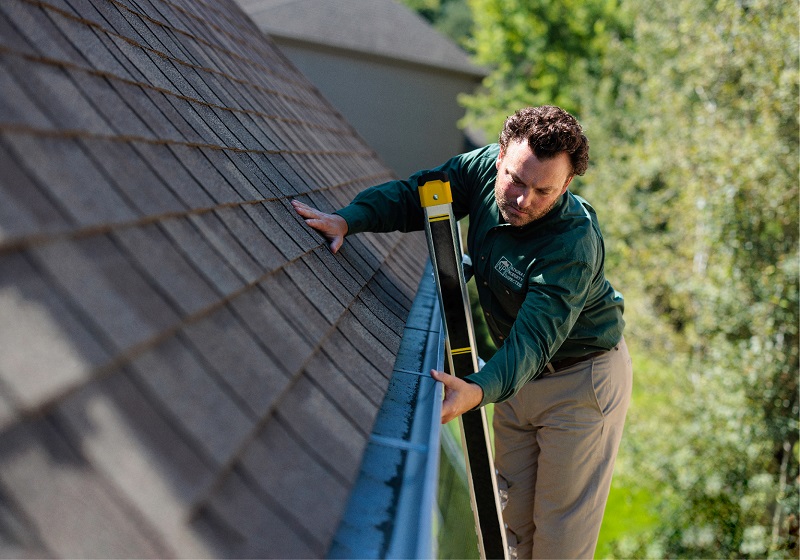
Home inspectors and other real estate professionals know the truth that every new homebuyer will have to swallow: no home is perfect. Each house has a unique array of attractions and eye-catching features sure to draw in families. At the same time, there isn’t a home that doesn’t have its share of warts or bruises as well. Your local home inspector is the key to identifying building and property maintenance issues while keeping the weight of each concern in perspective. To review the differences between which features should be addressed as soon as possible and which can be put off until later on, here are your home maintenance priorities post-inspection. How Is The Condition of the Roof?One of the top priorities of every new homeowner should be to understand the condition of their roof. Roofing is considered one of the main cornerstones of home systems for a few reasons. The roof is the home’s primary defense against weather and the elements. Without solid integrity, leaks are just the start of a slew of problems including the potential for mold and energy inefficiency. All roofs have a natural lifespan until shingles begin deteriorating beyond the point of serving their use. Since

Read More »

Home Features That Ward Off Radon: A Guide for Homebuyers

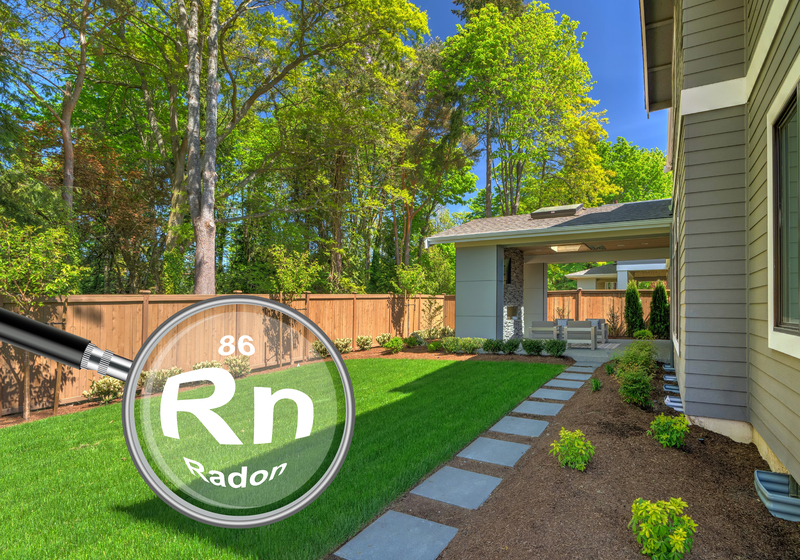
If you aren’t familiar with radon yet, now is the time to learn about this potentially deadly natural gas. Outside of smoking, radon is the number one cause for lung cancer in the US and Canada. One thing that separates radon from other lethal gases, however, is its uniquely subtle nature. radon is an odorless and colorless gas, created through a natural process of uranium deterioration in the soil. Everyone is affected by radon gas, but outside and in the open air, radon has room to freely dilute down to non-hazardous levels. Too frequently though, homes can restrict the space that radon needs to dilute into these safe levels. For Canada, the World Health Organization warns that homes with over 200 Bq/m3 of radon are unsafe and require immediate radon remediation. In the US, this guideline is even lower, at 4 pCi/L (or ~150 Bq/m3). (Check out the WHO’s recent coverage of the topic here.) While not all homes experience the same average volume of radon dilution, the US’s Environmental Protection Agency has published a zone map so that homebuyers can be aware of the overall trends in their area. Only a certified professional can be relied upon for an

Read More »

Maintenance Minutes: Clearing Vegetation Away from Your Home

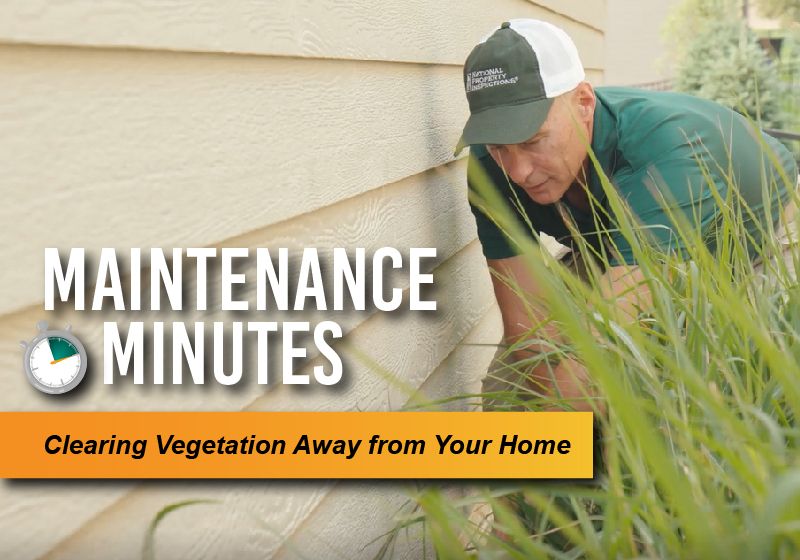
Whether you’re preparing for an inspection or just doing your own outdoor beautification project, clearing vegetation away from your home’s exterior is crucial for both cosmetic and maintenance purposes. Excessive shrubbery around your property can cause clogged drains, damaged roofs, and trapped moisture pockets. These issues can cause problems to your home’s interior and could even lead to insect infestations. To prevent these problems and more, we’re sharing tips on the best method of landscaping maintenance for a healthier home. Choosing a TechniqueThe most common technique used to clear vegetation away from a home is the by hand method. This is the safest way to clear unwanted debris from your home. However, this technique is the most time consuming, so you’ll want to block out a half day just in case. For the purpose of clearing light branches and smaller shrubs away from your property, the clearing by hand method is your best bet, as it’s the most cost-effective, safest, and easiest method to manage. While clearing smaller plants and trees, you’ll want to make sure to follow a few handy tips. Tips for Clearing Trees, Plants, Shrubs, and Bushes While clearing vegetation, it’s important to remember a few essentials


Read More »

What an Energy Audit Can Do for You

The average household spends over $2,000 a year on energy expenses. If you fall into the average, or even find yourself surpassing it), you’re ready to start saving money. One way that you can decrease your usage and spending is by having an energy audit performed. Benefits of an Energy Audit You probably already know the biggest benefit of an energy audit– saving yourself money. But there are other positives you may not have thought of. You’ll also be able to save your appliances, mainly your HVAC system, from wearing out as quickly. You may even find yourself living more comfortably without having to constantly fight your HVAC. What Kinds of Homes Should Get an Audit? It’s a given that most older homes don’t hold up as well as when they were first built, so it’s no surprise they can eventually become an energy sinkhole. Older frames tend to split, and this can allow for a higher amount of intrusion from the outside air. Even if your house is brand new or recently remodeled, there can still be defects within the construction that hinder its efficiency. That’s why it pays to have an energy audit so that you can catch

Read More »

The 5 Biggest Problems with Crawl Spaces (And How to Address Them)

If you’ve ever lived in an area that experiences above-average flooding (or just anywhere in the South), odds are you’re very familiar with crawl spaces. A foundation style different from concrete slabs or full basements, crawl spaces are a fairly common feature in homes that allow for easy access to things like plumbing, electrical wiring, and HVAC systems under the home. Their shorter excavation time also makes them a more cost-effective option for new builds. There are many advantages to buying a home with a crawl space, but with each advantage, there’s also a concern homeowners should be aware of. Let’s discuss a few of the most common — and costly — issues you may encounter in that little space under your floorboards. 1. Moisture, Musty Smells, and MoldThe first issue that homes with crawl spaces face is the unaddressed buildup of moisture beneath the home. So-called crawl spaces earn their names due to a very low clearance height, with a majority of these spaces measuring three feet or lower. It’s understandable that homeowners don’t make it a habit of exploring these areas regularly, but a lack of attention anywhere around the home tends to lead to problems down the

Read More »

4 Lucky Traditions and Superstitions When Moving Into A New Home

Between wearing green, spotting four leaf clovers, and being surrounded by little men with red beards, St. Patrick’s Day is full of lighthearted and strange traditions for families and friends to enjoy. Everybody can always use a little extra luck in their lives, and throughout the years, families have come up with plenty of unique traditions to usher in some good fortune as they move into their new homes. In the spirit of the season, let’s take a look at some of these superstitions to make your next move jinx-free! Lay a Positive Foundation Depending on how early in the process people begin to interact with their new home, many believe in writing positive messages on the frames of their houses and behind the drywall, and even scattering coins in the foundation in hopes that good, fortunate days are ahead. These traditions may be traced all the way back to “foundation deposits,” where groups in ancient Egypt and Sudan buried sacrificed animals, valuable tools, and pottery underneath cornerstones of important buildings in blessing rituals (according to historians at the Egyptian Museum in Manchester). Today, items that new homeowners place within their foundation and in their framing are a bit more

Read More »

States that are Taking the Fight to Radon

As declared by the U.S. Environmental Protection Agency, businesses and government organizations devote their attention every January to increasing public awareness of the very real and often overlooked dangers of radon gas. Per the CDC, radon is an odorless, colorless gas that finds its way into buildings through the breakdown process of natural materials within the soil. Today, radon is the second leading cause for lung cancer only behind smoking. The good news is that the effects of radon gas can be avoided first through effective testing and then through mitigation. Your family’s health is no joke, so if you haven’t already looked into radon levels in your home, your kids’ school, or your work, let this article be your sign to take action. Officials across the nation are taking notice of the dangers of radon, but most people are unaware of what their state is doing to combat radon, or how their state compares to the national average. The American Association of Radon Scientists and Technologists offers a yearly report card, which dives further into things like whether radon testing professionals need to be credentialed, whether school testing is required, and what percentage of homes in the state are

Read More »

Does Your Home Need To Be Tested for Radon?

Every year, people all around the world make resolutions to live a little more productively, pick up a healthier lifestyle, and maybe make smarter choices with their money. While many resolutions revolve around bettering their own lives in some way, most should consider whether they’ve been showing their homes the same amount of care and attention. The unfortunate truth is that many homes carry hazards that owners are completely unaware of, hazards that present a very real and persistent threat to their own health and the health of their families. Radon is a colorless, odorless, radioactive gas that infiltrates homes through natural processes such as through miniscule cracks in the foundation or through drinking water. Homes everywhere are impacted by radon to a certain extent, but homeowners continue to be mostly unaware of the ever-present danger that this gas poses as the second leading cause of lung cancer in the US. According to the EPA, radon is responsible for about 21,000 lung cancer deaths every year, and 2,900 of those deaths were people who never smoked in their lives. January is known as National Radon Action Month, a time to bring awareness to the increased efforts each state is taking

Read More »

Home Maintenance Items to Prioritize After Your Inspection

Home inspectors and other real estate professionals know the truth that every new homebuyer will have to swallow: no home is perfect. Each house has a unique array of attractions and eye-catching features sure to draw in families. At the same time, there isn’t a home that doesn’t have its share of warts or bruises as well. Your local home inspector is the key to identifying building and property maintenance issues while keeping the weight of each concern in perspective. To review the differences between which features should be addressed as soon as possible and which can be put off until later on, here are your home maintenance priorities post-inspection. How Is The Condition of the Roof?One of the top priorities of every new homeowner should be to understand the condition of their roof. Roofing is considered one of the main cornerstones of home systems for a few reasons. The roof is the home’s primary defense against weather and the elements. Without solid integrity, leaks are just the start of a slew of problems including the potential for mold and energy inefficiency. All roofs have a natural lifespan until shingles begin deteriorating beyond the point of serving their use. Since

Read More »

Home Features That Ward Off Radon: A Guide for Homebuyers

If you aren’t familiar with radon yet, now is the time to learn about this potentially deadly natural gas. Outside of smoking, radon is the number one cause for lung cancer in the US and Canada. One thing that separates radon from other lethal gases, however, is its uniquely subtle nature. radon is an odorless and colorless gas, created through a natural process of uranium deterioration in the soil. Everyone is affected by radon gas, but outside and in the open air, radon has room to freely dilute down to non-hazardous levels. Too frequently though, homes can restrict the space that radon needs to dilute into these safe levels. For Canada, the World Health Organization warns that homes with over 200 Bq/m3 of radon are unsafe and require immediate radon remediation. In the US, this guideline is even lower, at 4 pCi/L (or ~150 Bq/m3). (Check out the WHO’s recent coverage of the topic here.) While not all homes experience the same average volume of radon dilution, the US’s Environmental Protection Agency has published a zone map so that homebuyers can be aware of the overall trends in their area. Only a certified professional can be relied upon for an

Read More »

Maintenance Minutes: Clearing Vegetation Away from Your Home

Whether you’re preparing for an inspection or just doing your own outdoor beautification project, clearing vegetation away from your home’s exterior is crucial for both cosmetic and maintenance purposes. Excessive shrubbery around your property can cause clogged drains, damaged roofs, and trapped moisture pockets. These issues can cause problems to your home’s interior and could even lead to insect infestations. To prevent these problems and more, we’re sharing tips on the best method of landscaping maintenance for a healthier home. Choosing a TechniqueThe most common technique used to clear vegetation away from a home is the by hand method. This is the safest way to clear unwanted debris from your home. However, this technique is the most time consuming, so you’ll want to block out a half day just in case. For the purpose of clearing light branches and smaller shrubs away from your property, the clearing by hand method is your best bet, as it’s the most cost-effective, safest, and easiest method to manage. While clearing smaller plants and trees, you’ll want to make sure to follow a few handy tips. Tips for Clearing Trees, Plants, Shrubs, and Bushes While clearing vegetation, it’s important to remember a few essentials
Read More »

What an Energy Audit Can Do for You

The average household spends over $2,000 a year on energy expenses. If you fall into the average, or even find yourself surpassing it), you’re ready to start saving money. One way that you can decrease your usage and spending is by having an energy audit performed. Benefits of an Energy Audit You probably already know the biggest benefit of an energy audit– saving yourself money. But there are other positives you may not have thought of. You’ll also be able to save your appliances, mainly your HVAC system, from wearing out as quickly. You may even find yourself living more comfortably without having to constantly fight your HVAC. What Kinds of Homes Should Get an Audit? It’s a given that most older homes don’t hold up as well as when they were first built, so it’s no surprise they can eventually become an energy sinkhole. Older frames tend to split, and this can allow for a higher amount of intrusion from the outside air. Even if your house is brand new or recently remodeled, there can still be defects within the construction that hinder its efficiency. That’s why it pays to have an energy audit so that you can catch

Read More »