

Tag: electrical

How to Set Up Holiday Lawn Inflatables with Care

Inflatable holiday lawn decorations have been all the rage for years, almost fully replacing the lightweight, painted plastic of the past. But just like you might expect of large, buoyant, nylon Santa Clauses and snowmen, inflatables come with unique challenges. If you’re planning to make a larger than life statement with inflatable ornaments this year, you’ll want to keep in mind these best practices for setup, care, safety and takedown. Before you shop for the perfect display or start preparing a site for setup, it’s important to check for any restrictions. Certain community ordinances or homeowner’s associations may highly regulate inflatables. Think requiring special dates and hours, prohibiting displays from being set a certain distance from the sidewalk or limiting each household to a specific size or number of ornaments. Sadly, some communities have banned inflatable lawn decorations altogether. Not complying could land you a hefty fine, not to mention the disappointment of prematurely taking down your display. Don’t be that guy—always check! Choose a Flat, Level SurfaceInflatables should always be set up on flat, level ground, and away from any bushes or shrubbery that could poke holes in or otherwise damage them. You’ll want to be sure that there’s

Read More »

Top Five Problems Revealed During a Home Inspection

By Kenn GarderContent originally published in February of 2016. Purchasing a house is a major decision, and a home inspection report can be used to assist in the decision-making process. Here are some of the more common issues found during a home inspection. Poor Grading and DrainageWater should run away from any structure to help prevent moisture intrusion. If the soil around a house slopes toward the house, or if water pools around the perimeter of the foundation, that moisture can create hydronic pressure in the soil that can move the foundation, causing cracks and leaks that can lead to extensive damage and expensive repairs. If water wicks into the wood framing members, the wood will rot over time. This moisture also provides a haven for wood-destroying organisms (WDO) because it provides a water and food source. Erosion around the perimeter of a house may be caused by water spilling over gutters due to clogged downspouts or downspouts that terminate near the foundation. Downspout extensions or spill ways can be installed to keep water away from the foundation. Roof CoveringsThe roof of a house is designed to withstand most of what Mother Nature can dish out, whether it be rain,

Read More »

How to Flush Your Hot Water Heater the Easy Way

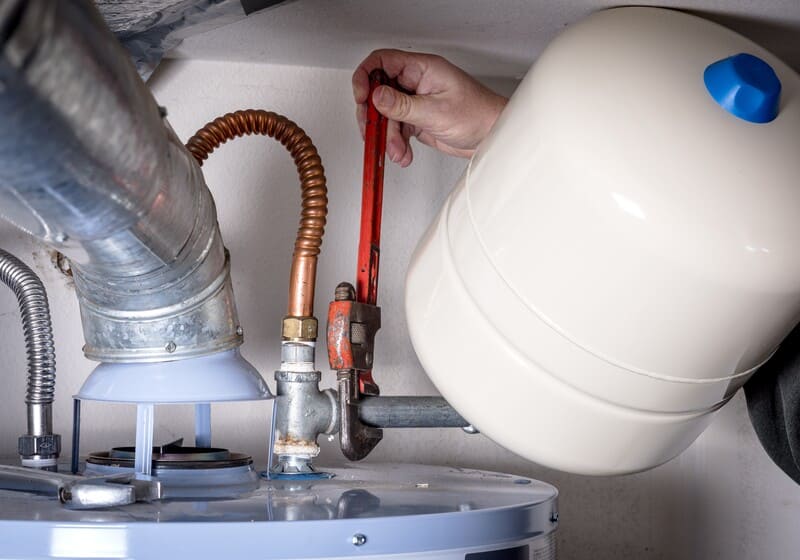
We’ll bet on the fact that you haven’t thought about flushing your hot water heater in awhile—if ever. But, while it’s one of those tasks that’s easy to forget, it’s necessary for maintaining an efficient system that lasts for the duration of its life expectancy (about eight to 12 years). Why is Flushing Your Hot Water Heater Important? Over time, hot water heaters collect sediment, or mineral deposits, at the bottom. These mineral deposits are typically the result of hard water. If your hot water heater doesn’t get flushed over the course of years, it can lead to a premature breakdown or even a burst tank. How often you’ll need to flush your hot water heater depends on how hard your water is. Coastal and southeastern states typically don’t experience hard water to the degree that Midwestern and western states do. For those living in states with softer water, once every three years is a good rule of thumb, and for those with harder water, flushing once a year is a good idea. How to Flush Your Hot Water Heater Hot water heaters generally fall into two types: gas and electric. How each type is flushed is similar except for

Read More »

How Long Your Appliance Will Last

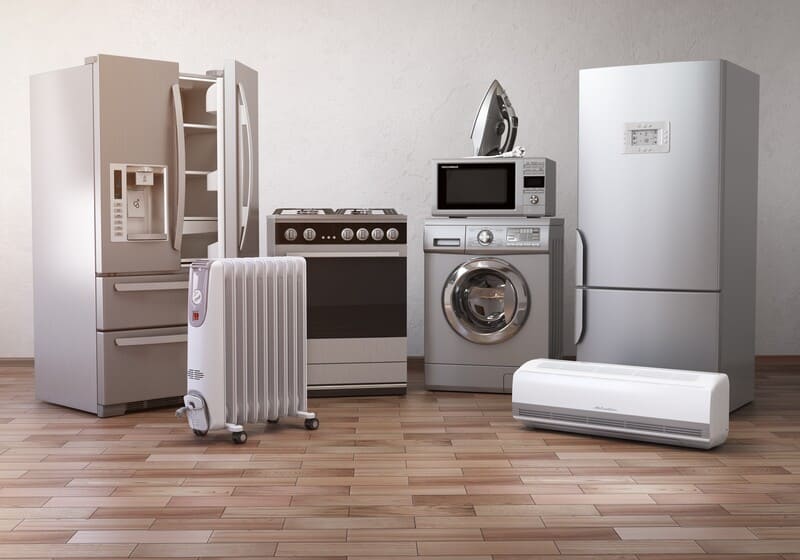
Whether you’re getting ready to move into your new home with its own set of aging appliances, or you’re just taking stock of the ones you already own, it’s helpful to know just how much life they have left in them. New homeowners typically forget to budget for the average of $9,000 in hidden expenses they’ll run into in the first months and years of home ownership, and appliances are a substantial part of that expense. Here’s a breakdown of how long your home appliances should last, and how you can lengthen their lifespans to save money in the long run. For All Appliances Before we get started, the numbers you’ll see below are averages. You can get a rough estimate of how long your appliances have left before they give up the ghost based solely on their age, but what’s more important is how much use they get. A washing machine that handles clothes for a family of 5 will see a lot more action than a bachelor’s, for example, which will shorten its lifespan accordingly. Oven Range: 13-15 Years Whether you have a gas, electric or induction range, they tend to have similar lifespans. The best way to

Read More »

How to Set Up Holiday Lawn Inflatables with Care

Inflatable holiday lawn decorations have been all the rage for years, almost fully replacing the lightweight, painted plastic of the past. But just like you might expect of large, buoyant, nylon Santa Clauses and snowmen, inflatables come with unique challenges. If you’re planning to make a larger than life statement with inflatable ornaments this year, you’ll want to keep in mind these best practices for setup, care, safety and takedown. Before you shop for the perfect display or start preparing a site for setup, it’s important to check for any restrictions. Certain community ordinances or homeowner’s associations may highly regulate inflatables. Think requiring special dates and hours, prohibiting displays from being set a certain distance from the sidewalk or limiting each household to a specific size or number of ornaments. Sadly, some communities have banned inflatable lawn decorations altogether. Not complying could land you a hefty fine, not to mention the disappointment of prematurely taking down your display. Don’t be that guy—always check! Choose a Flat, Level SurfaceInflatables should always be set up on flat, level ground, and away from any bushes or shrubbery that could poke holes in or otherwise damage them. You’ll want to be sure that there’s
Read More »

Top Five Problems Revealed During a Home Inspection

By Kenn GarderContent originally published in February of 2016. Purchasing a house is a major decision, and a home inspection report can be used to assist in the decision-making process. Here are some of the more common issues found during a home inspection. Poor Grading and DrainageWater should run away from any structure to help prevent moisture intrusion. If the soil around a house slopes toward the house, or if water pools around the perimeter of the foundation, that moisture can create hydronic pressure in the soil that can move the foundation, causing cracks and leaks that can lead to extensive damage and expensive repairs. If water wicks into the wood framing members, the wood will rot over time. This moisture also provides a haven for wood-destroying organisms (WDO) because it provides a water and food source. Erosion around the perimeter of a house may be caused by water spilling over gutters due to clogged downspouts or downspouts that terminate near the foundation. Downspout extensions or spill ways can be installed to keep water away from the foundation. Roof CoveringsThe roof of a house is designed to withstand most of what Mother Nature can dish out, whether it be rain,

Read More »

How to Flush Your Hot Water Heater the Easy Way

We’ll bet on the fact that you haven’t thought about flushing your hot water heater in awhile—if ever. But, while it’s one of those tasks that’s easy to forget, it’s necessary for maintaining an efficient system that lasts for the duration of its life expectancy (about eight to 12 years). Why is Flushing Your Hot Water Heater Important? Over time, hot water heaters collect sediment, or mineral deposits, at the bottom. These mineral deposits are typically the result of hard water. If your hot water heater doesn’t get flushed over the course of years, it can lead to a premature breakdown or even a burst tank. How often you’ll need to flush your hot water heater depends on how hard your water is. Coastal and southeastern states typically don’t experience hard water to the degree that Midwestern and western states do. For those living in states with softer water, once every three years is a good rule of thumb, and for those with harder water, flushing once a year is a good idea. How to Flush Your Hot Water Heater Hot water heaters generally fall into two types: gas and electric. How each type is flushed is similar except for

Read More »

How Long Your Appliance Will Last

Whether you’re getting ready to move into your new home with its own set of aging appliances, or you’re just taking stock of the ones you already own, it’s helpful to know just how much life they have left in them. New homeowners typically forget to budget for the average of $9,000 in hidden expenses they’ll run into in the first months and years of home ownership, and appliances are a substantial part of that expense. Here’s a breakdown of how long your home appliances should last, and how you can lengthen their lifespans to save money in the long run. For All Appliances Before we get started, the numbers you’ll see below are averages. You can get a rough estimate of how long your appliances have left before they give up the ghost based solely on their age, but what’s more important is how much use they get. A washing machine that handles clothes for a family of 5 will see a lot more action than a bachelor’s, for example, which will shorten its lifespan accordingly. Oven Range: 13-15 Years Whether you have a gas, electric or induction range, they tend to have similar lifespans. The best way to

Read More »