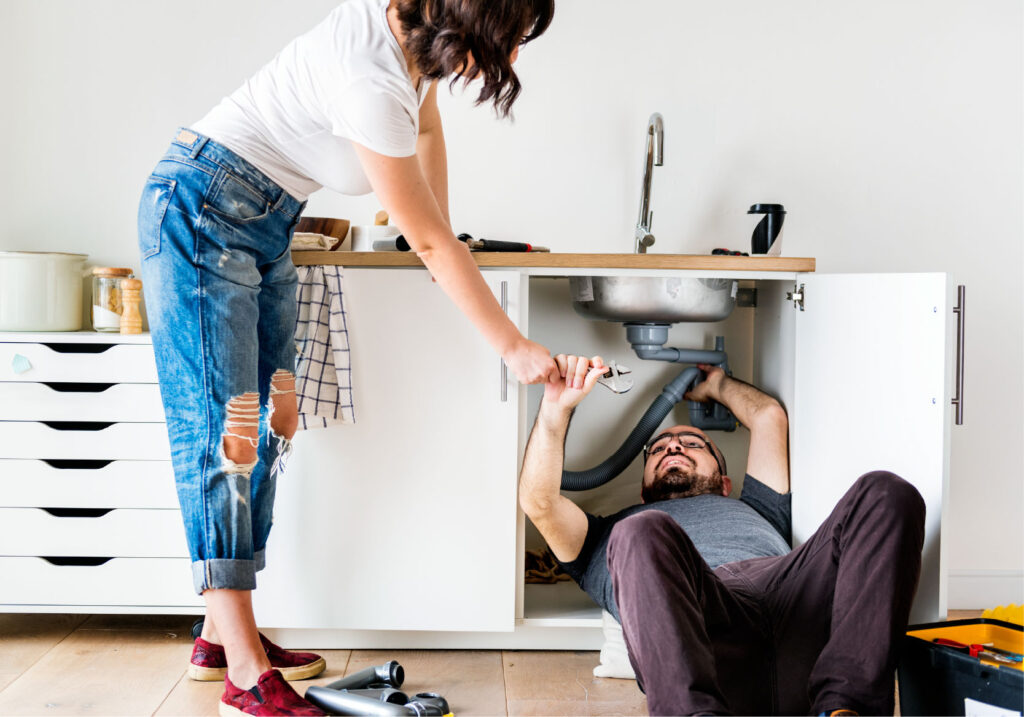
Maintenance Minutes: Checking Plumbing Fixtures for Leaks
You don’t need to be a plumber to spot the early signs. Here’s a quick step-by-step guide to check your sinks and toilets for leaks, and potentially save yourself thousands in repairs.

You don’t need to be a plumber to spot the early signs. Here’s a quick step-by-step guide to check your sinks and toilets for leaks, and potentially save yourself thousands in repairs.

Painting is one of the simplest and most rewarding home projects you can tackle yourself. With just a few supplies and the right shade, you can completely transform a space, whether you’re brightening it with soft neutrals like white, gray, or tan, or making a bold statement with rich, vibrant hues.

When putting your home on the market, you obviously want to get as much out of the sale as you can. And ideally, you’d like the process to run quickly. Throughout the years, agents, interior designers, and other real estate professionals have searched for the best strategies to make residential transactions move as smoothly as possible, and what they’ve discovered is the fine art of home staging. Home staging is the act of redecorating, cleaning, and designing a home so that buyers can more easily imagine themselves living there. Real estate agents are professionals at accentuating the strengths of a home while bringing any flaws into perspective, and home staging is there to reinforce these efforts through what potential buyers actually see and experience during a tour. According to a National Association of REALTORS (NAR) Research Group’s 2023 study, 82% of buyers’ agents said that home staging made it easier to visualize the property as their future home. Despite this, many home sellers skip this step in order to save on costs. Since the largest investment most people will make is their home, home staging is well worth the cost and time commitment. 3 Options for Home-Staging Home sellers can
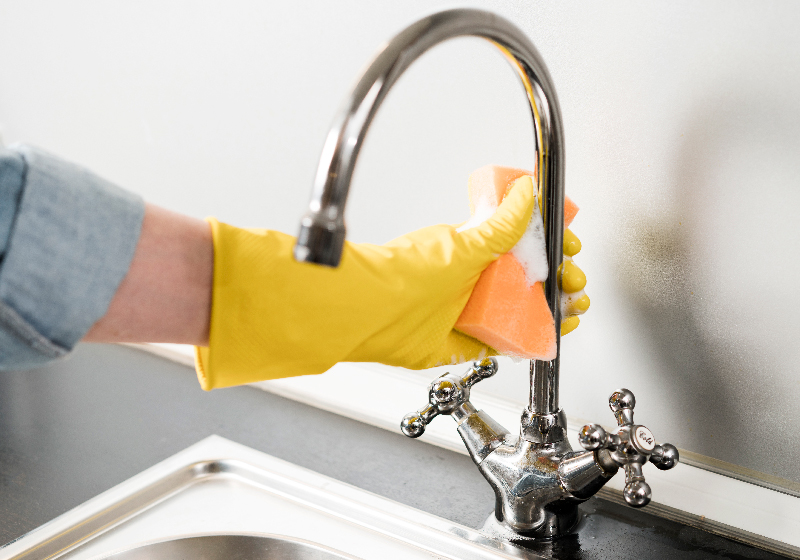
Managing to keep an entire home clean is no easy task. Between doing the laundry, vacuuming the rugs, cleaning the dishes, and taking out the trash, there are plenty of hours in the day already dedicated to housekeeping. Naturally, things fall through the cracks, and certain items in the home are naturally overlooked. The problem is that certain items that might have been easily cleaned in the past can prove a much more difficult task if neglected for too long. If you are interested in being proactive about keeping your home clean, consider taking another look at these often-ignored home items. Spend Some Extra Time in the KitchenDo people spend a lot of time cleaning their kitchen? Of course they do. Do people still overlook a few areas in their kitchen due to inconvenience or lack of awareness? Absolutely! Kitchens can become one of the grimiest, dirtiest areas in a house if homeowners aren’t consistent about their cleaning habits due to the many kinds of messes and spills that are bound to happen while cooking. It’s when only the surface areas are taken care of that problems begin to pile up. Starting with the dishwasher, some may think that this

Many are quick to point out the bad wrap that insects tend to get. Bugs are a part of the diverse and fascinating ecology that lies just outside of our homes, after all, and their roles in pollination and sanitation cannot be overstated. Yes, some have found that the prevailing stigma associated with our many-legged friends to be a tad judgmental and unfair, given their thankless efforts. However, others will contend that while these truths are all well and good, bugs can stay outside of my house and far away from me, thank you very much. Homes can become infested by a wide range of the creepy and crawly-variety. For homeowners who would like to deal with their bug problems now rather than later and would rather not pay a hefty pest control bill, here are a few DIY solutions for dealing with bugs. How to Annihilate AntsAnts are one of the most common home invaders throughout the United States, and they come in many different varieties, from the common pavement ant to the dreaded carpenter ant. Ants aren’t commonly known to bite people like some other bugs (though they can). However, they are known to contaminate food and carry

New homeowners and seasoned real estate experts know the value that comes with a home inspection. A home inspection is one of the most important steps in the home-buying process for families that want to ensure a safe and well-maintained house. However, for people that haven’t bought a home before, some of the specifics that go along with a home inspection may seem cloudy. Homebuyers should always feel free to ask their inspector questions about the scale and scope of their home’s inspection to best learn what is and isn’t checked. For those who have just begun their home search, or for those who are curious about the overall guidelines that most home inspectors adhere to, resources like the International Association of Certified Home Inspectors’ (InterNACHI) Standards of Practice can provide more specific detail about what a home inspector does. Home appliances are a major factor in the safety and functionality of a home, of course, so home-buyers are frequently concerned with how much insight they can expect in this area from their home inspection report. To answer the question simply, inspectors do look at most built-in home appliances. However, to learn what does and doesn’t reside within industry requirements,
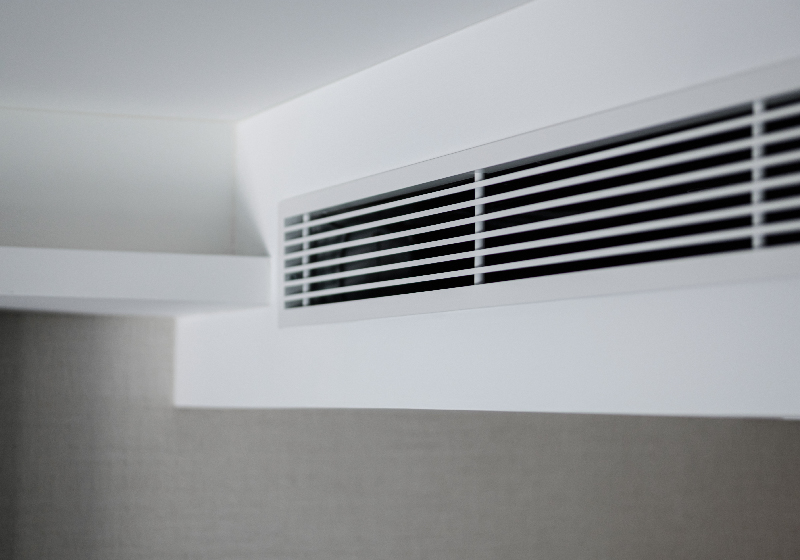
Staying on top of a home’s upkeep can often feel like a full-time job. With every project checked off the list, oftentimes homeowners end up adding two more in a never-ending quest for home improvement. While some home maintenance and home upgrade projects can seem to add a lot to a homeowner’s plate, improving a home’s ventilation systems tends to eliminate many pesky household issues. What is Home Ventilation?Ventilation refers to the systems a home uses to cycle out pollutants and carry in fresh air, while also regulating a comfortable indoor environment. Older homes were able to get by with natural ventilation through windows, doors, and natural air leaks in walls and ceilings, but current systems are more sophisticated. The modern home has become much more air-tight than in the past in an attempt to improve energy efficiency. The side effects of these building philosophies have led to many new maintenance issues and even health problems for families. Homeowners who are unaware of the state of their house’s ventilation systems will benefit from a regular home systems inspection. Why is Ventilation Important?Poor ventilation leads to problems throughout the home. A home has two key contributors to pollutants and condensation: the
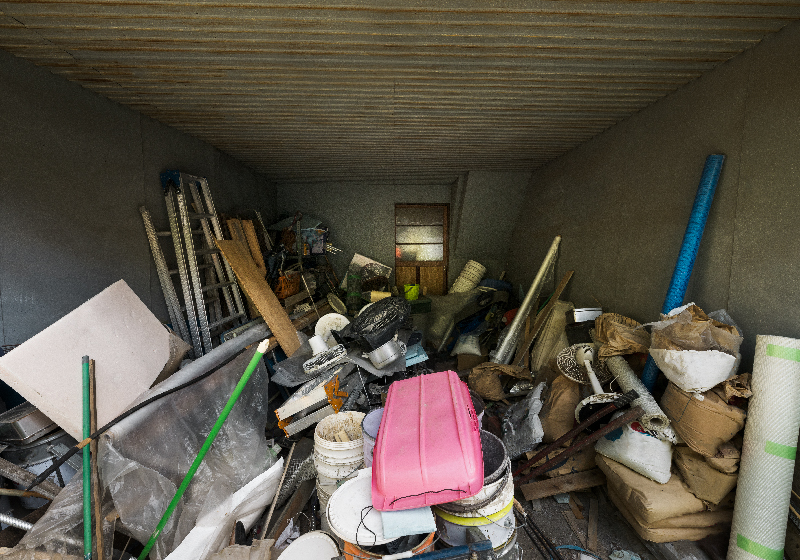
Every homeowner has a problem room. Whether it is their garage, their attic space, or their basement, the increasing pace of life has demanded we develop a go-to area for things that don’t have a designated space at the moment. We’ll get to it later, for now, let’s just store it in the closet, or the spare bedroom. This phenomenon has come to be known as the dreaded “junk room.” Quickly, a junk room’s original intent has been stretched beyond recognition and you’ve got a mess on your hands. The anxiety that you get from thinking about that task is natural, and probably a little too familiar. Don’t worry though! Rather than focusing on the difficulty of the task, imagine how satisfying it will be to reclaim the space. Now is the time to commit yourself to reorganizing your disaster space. Lay Out Your Plan Depending on the size of the job on your hands, the planning stage becomes increasingly important. See past the mess and envision the potential of the space in front of you. Do you want to revert the space into something similar to its original intention, or do you want to reinvent it? You don’t need
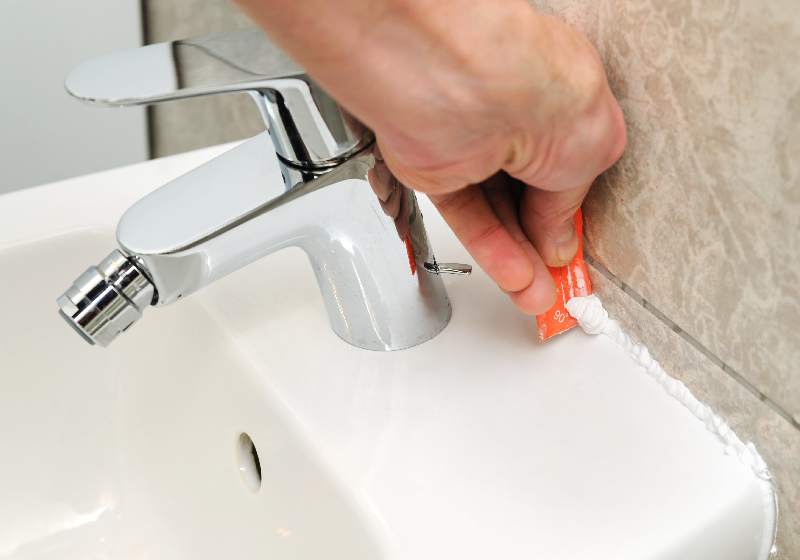
Re-caulking bathroom surfaces in your home is a relatively easy process if you have the right tools. If you’ve never been through the steps of this process, there are a few items you will want to have on hand before you begin. The main supplies that you will want to make sure to add to your toolbox include: a caulking gun, a utility knife or a plastic razor scraper, painter’s tape, a sponge, a multipurpose cleaner (preferably with bleach) and of course plenty of paper towels. The first step of this procedure will require that you remove the existing caulk and clean the residue and dirt from the area lining your bathtub, sink, and any other bathroom surfaces you hope to replace. Removing the existing caulk is a crucial step, as adding new caulking on top of the old may create bubbling that could be the cause of leaking bathroom appliances. Not to mention, the addition of new caulk over old is often unsanitary and unsightly–mildew and dirt often get caught in these narrow crevices. To remove the existing caulk, you will need to use your utility knife or plastic razor scraper to help loosen its hold. By using these
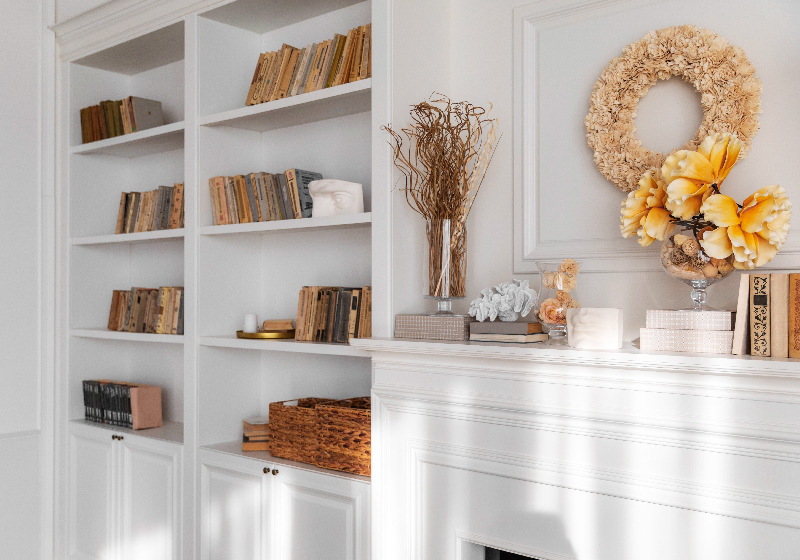
Have you been wondering about what to do with that stack of novels? A built-in bookshelf may just be your solution! It can provide you with a place to store your books out of the way and make them easier to grab. You’ll also have a great conversation piece for your next get together. Tools You’ll Need You may find yourself needing some additional materials if you want a more elaborate shelving style, but in general, here’s what you’ll need: If you buy your boards pre-cut, you may not need the saws, and of course you can always use a hammer in lieu of a nail gun. Measure Your Project Measuring is always the most important first step before you start sawing and nailing away at your project. With either some tape or a carpenter’s pencil, mark an outline of the area you’ll be building in. Measure away from any moulding so you don’t miscalculate and end up having to start all over. You’ll have to remove moulding or baseboards that are in the way, so keep that in mind when choosing a location for your bookshelf. Mark Out Your Supports To make your bookshelf a “built-in” you need to
You don’t need to be a plumber to spot the early signs. Here’s a quick step-by-step guide to check your sinks and toilets for leaks, and potentially save yourself thousands in repairs.
Painting is one of the simplest and most rewarding home projects you can tackle yourself. With just a few supplies and the right shade, you can completely transform a space, whether you’re brightening it with soft neutrals like white, gray, or tan, or making a bold statement with rich, vibrant hues.
When putting your home on the market, you obviously want to get as much out of the sale as you can. And ideally, you’d like the process to run quickly. Throughout the years, agents, interior designers, and other real estate professionals have searched for the best strategies to make residential transactions move as smoothly as possible, and what they’ve discovered is the fine art of home staging. Home staging is the act of redecorating, cleaning, and designing a home so that buyers can more easily imagine themselves living there. Real estate agents are professionals at accentuating the strengths of a home while bringing any flaws into perspective, and home staging is there to reinforce these efforts through what potential buyers actually see and experience during a tour. According to a National Association of REALTORS (NAR) Research Group’s 2023 study, 82% of buyers’ agents said that home staging made it easier to visualize the property as their future home. Despite this, many home sellers skip this step in order to save on costs. Since the largest investment most people will make is their home, home staging is well worth the cost and time commitment. 3 Options for Home-Staging Home sellers can
Managing to keep an entire home clean is no easy task. Between doing the laundry, vacuuming the rugs, cleaning the dishes, and taking out the trash, there are plenty of hours in the day already dedicated to housekeeping. Naturally, things fall through the cracks, and certain items in the home are naturally overlooked. The problem is that certain items that might have been easily cleaned in the past can prove a much more difficult task if neglected for too long. If you are interested in being proactive about keeping your home clean, consider taking another look at these often-ignored home items. Spend Some Extra Time in the KitchenDo people spend a lot of time cleaning their kitchen? Of course they do. Do people still overlook a few areas in their kitchen due to inconvenience or lack of awareness? Absolutely! Kitchens can become one of the grimiest, dirtiest areas in a house if homeowners aren’t consistent about their cleaning habits due to the many kinds of messes and spills that are bound to happen while cooking. It’s when only the surface areas are taken care of that problems begin to pile up. Starting with the dishwasher, some may think that this
Many are quick to point out the bad wrap that insects tend to get. Bugs are a part of the diverse and fascinating ecology that lies just outside of our homes, after all, and their roles in pollination and sanitation cannot be overstated. Yes, some have found that the prevailing stigma associated with our many-legged friends to be a tad judgmental and unfair, given their thankless efforts. However, others will contend that while these truths are all well and good, bugs can stay outside of my house and far away from me, thank you very much. Homes can become infested by a wide range of the creepy and crawly-variety. For homeowners who would like to deal with their bug problems now rather than later and would rather not pay a hefty pest control bill, here are a few DIY solutions for dealing with bugs. How to Annihilate AntsAnts are one of the most common home invaders throughout the United States, and they come in many different varieties, from the common pavement ant to the dreaded carpenter ant. Ants aren’t commonly known to bite people like some other bugs (though they can). However, they are known to contaminate food and carry
New homeowners and seasoned real estate experts know the value that comes with a home inspection. A home inspection is one of the most important steps in the home-buying process for families that want to ensure a safe and well-maintained house. However, for people that haven’t bought a home before, some of the specifics that go along with a home inspection may seem cloudy. Homebuyers should always feel free to ask their inspector questions about the scale and scope of their home’s inspection to best learn what is and isn’t checked. For those who have just begun their home search, or for those who are curious about the overall guidelines that most home inspectors adhere to, resources like the International Association of Certified Home Inspectors’ (InterNACHI) Standards of Practice can provide more specific detail about what a home inspector does. Home appliances are a major factor in the safety and functionality of a home, of course, so home-buyers are frequently concerned with how much insight they can expect in this area from their home inspection report. To answer the question simply, inspectors do look at most built-in home appliances. However, to learn what does and doesn’t reside within industry requirements,
Staying on top of a home’s upkeep can often feel like a full-time job. With every project checked off the list, oftentimes homeowners end up adding two more in a never-ending quest for home improvement. While some home maintenance and home upgrade projects can seem to add a lot to a homeowner’s plate, improving a home’s ventilation systems tends to eliminate many pesky household issues. What is Home Ventilation?Ventilation refers to the systems a home uses to cycle out pollutants and carry in fresh air, while also regulating a comfortable indoor environment. Older homes were able to get by with natural ventilation through windows, doors, and natural air leaks in walls and ceilings, but current systems are more sophisticated. The modern home has become much more air-tight than in the past in an attempt to improve energy efficiency. The side effects of these building philosophies have led to many new maintenance issues and even health problems for families. Homeowners who are unaware of the state of their house’s ventilation systems will benefit from a regular home systems inspection. Why is Ventilation Important?Poor ventilation leads to problems throughout the home. A home has two key contributors to pollutants and condensation: the
Every homeowner has a problem room. Whether it is their garage, their attic space, or their basement, the increasing pace of life has demanded we develop a go-to area for things that don’t have a designated space at the moment. We’ll get to it later, for now, let’s just store it in the closet, or the spare bedroom. This phenomenon has come to be known as the dreaded “junk room.” Quickly, a junk room’s original intent has been stretched beyond recognition and you’ve got a mess on your hands. The anxiety that you get from thinking about that task is natural, and probably a little too familiar. Don’t worry though! Rather than focusing on the difficulty of the task, imagine how satisfying it will be to reclaim the space. Now is the time to commit yourself to reorganizing your disaster space. Lay Out Your Plan Depending on the size of the job on your hands, the planning stage becomes increasingly important. See past the mess and envision the potential of the space in front of you. Do you want to revert the space into something similar to its original intention, or do you want to reinvent it? You don’t need
Re-caulking bathroom surfaces in your home is a relatively easy process if you have the right tools. If you’ve never been through the steps of this process, there are a few items you will want to have on hand before you begin. The main supplies that you will want to make sure to add to your toolbox include: a caulking gun, a utility knife or a plastic razor scraper, painter’s tape, a sponge, a multipurpose cleaner (preferably with bleach) and of course plenty of paper towels. The first step of this procedure will require that you remove the existing caulk and clean the residue and dirt from the area lining your bathtub, sink, and any other bathroom surfaces you hope to replace. Removing the existing caulk is a crucial step, as adding new caulking on top of the old may create bubbling that could be the cause of leaking bathroom appliances. Not to mention, the addition of new caulk over old is often unsanitary and unsightly–mildew and dirt often get caught in these narrow crevices. To remove the existing caulk, you will need to use your utility knife or plastic razor scraper to help loosen its hold. By using these
Have you been wondering about what to do with that stack of novels? A built-in bookshelf may just be your solution! It can provide you with a place to store your books out of the way and make them easier to grab. You’ll also have a great conversation piece for your next get together. Tools You’ll Need You may find yourself needing some additional materials if you want a more elaborate shelving style, but in general, here’s what you’ll need: If you buy your boards pre-cut, you may not need the saws, and of course you can always use a hammer in lieu of a nail gun. Measure Your Project Measuring is always the most important first step before you start sawing and nailing away at your project. With either some tape or a carpenter’s pencil, mark an outline of the area you’ll be building in. Measure away from any moulding so you don’t miscalculate and end up having to start all over. You’ll have to remove moulding or baseboards that are in the way, so keep that in mind when choosing a location for your bookshelf. Mark Out Your Supports To make your bookshelf a “built-in” you need to