
Tag: basement

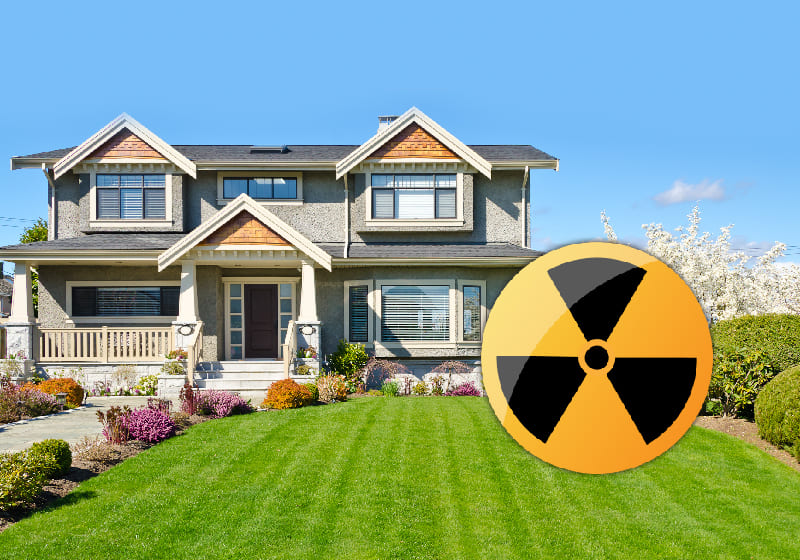
Radon: Protecting Your House from a Hidden Danger

January is National Radon Action Month, which means it’s the perfect time to make sure that your home is protected. Around 20,000 people in the United States and 3,000 people in Canada die each year from radon exposure. It’s estimated that 1 in 15 homes in the U.S. and over 1 million homes in Canada have elevated levels of radon. This is scary to think about, but there are ways for you to lower your and your family’s chance of exposure. What exactly is radon? You may have heard about radon before, whether in the news or during the process of buying your first home. But what exactly is it and where does it come from? Radon is an odorless and colorless gas that forms when radioactive metals in rocks, soil and groundwater break down. This is a naturally occurring process, and everyone has some level of exposure at all times. Health risks become a greater concern when you’re exposed to radon for extended periods of time, as can happen with homes that have cracks and gaps in the foundation. It can take years for symptoms like lung cancer to develop, so you may not be aware of a health

Read More »

Upgrading to a Finished Basement? Here’s How to Get the Basics in Place

A finished basement could be just the upgrade you need to create more living space and add value your home. Whether it’s a man cave or a lounge area, that cold and dark lower level of your home can be transformed into functional space. If you have been thinking about revamping your current basement, here are some things to keep in mind while remodeling. 1. Clear OutThe first thing that you will want to do is clean out whatever you may have stored in your basement. Even if you know the layout like the back of your hand and want to start planning right away, hidden foundational items could force you to change that. Having a clear field of view will expose anything like molds or cracks in the foundation that need to be immediately taken care of. If you do happen to run across an issue that looks serious, having a professional examine it will give you the best course of action to repair it. Clearing out your clutter will even allow you to sort through and get rid of unnecessary junk you have. 2. Sketch a DesignOnce you have your basement cleaned and cleared out, it’s time to

Read More »

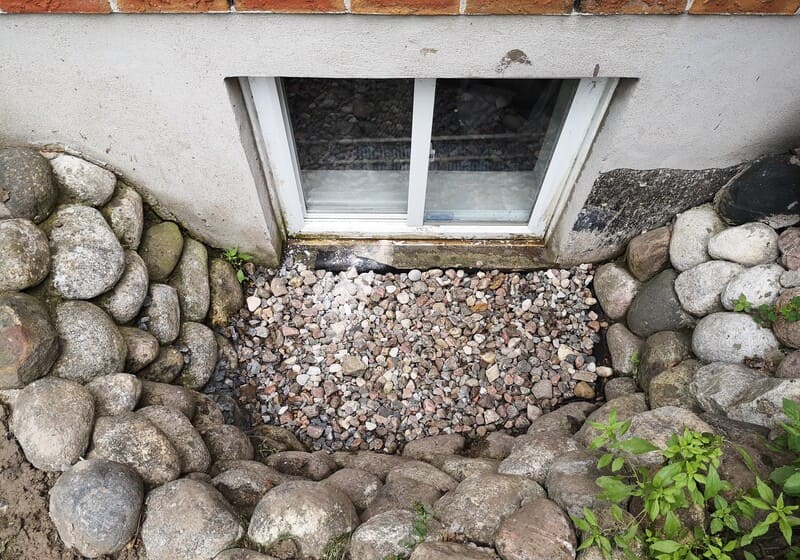
The Importance of Maintaining Window Wells

If you have a finished basement that you’d like to brighten up, window wells could be your answer. These are a nice addition to your home to give your below level rooms a more appealing feel. But they can also be a flooding hazard. Improperly fitted wells can let in water when it rains or even allow dirt to cave in the opening. Here are some things you can do to protect your basement. Deciding to InstallFirst things first, you will need to assess whether or not having a window well is a good idea for your location. If you live in a low sea level area, chances are, your home doesn’t have a lower level to begin with. But if you’re not, you should still check with a professional contractor before you go ahead with installation. Depending on your city’s guidelines, you may also need to obtain a building permit. Window wells that aren’t code-compliant could make your home more susceptible to flooding and lead to costly repairs. Proper Installation After the surrounding dirt has been cleared for window well installation, a retaining wall will be put in to hold it back. When the dirt is being put back,

Read More »

After the Home Inspection: When to Request a Repair

When housing markets are hot, buyers have to be flexible when it comes to minor defects in a house they want. Because a home might have multiple competitive offers, it’s important to know how to get yours accepted so you can move into your dream home ASAP. While it would be ideal if the seller offered to fix every issue your home inspector finds, that’s not often realistic. Instead, you need to know which items are potential deal-breakers and which repairs can safely be put off until after closing. We’ll show you when you should request repairs to a home you’re looking at buying, and when asking for a repair could needlessly sink the deal. Don’t Sweat Little IssuesBuying a house is a big investment, so it makes sense that you’d want everything perfect. However, that’s not a reasonable expectation. Unless you’re building your home, every house is a used house, and they’re all going to have idiosyncrasies and blemishes that you’ll have to compromise on. What kinds of things are we talking about? Here’s a handy list: 1. Cosmetic Problems: There might be a crack in a tile, some scratched paint or old carpet you’re not a huge fan

Read More »

A Christmas Story: Fighting the Furnace

Everybody knows that scene from A Christmas Story—a belch of black smoke drifts up from a floor register, and The Old Man cracks his knuckles, tromping down the basement stairs to do battle with his furnace once again. The situation is classic, but it’s a lot funnier when it’s not happening to you. If you want to spend the holidays upstairs with your family, not down in the basement inventing curses that would make Santa shudder, just follow these tips to keep your furnace running at its best. 1. Remember your annual maintenance.If you can’t remember the last time a professional looked at your furnace, the time is now. Having your furnace professionally cleaned and maintained once a year is by far the easiest way to avoid failure that could leave you feeling cold and grinchy. Remember, maintenance isn’t just for fixing big problems, it’s for catching the small problems before they get worse. 2. Replace your air filters.Next on the list of easy ways to avoid a furnace breakdown is changing out your air filters regularly. Depending on where you live, you may have to replace your filters more or less often, but a general rule of thumb is

Read More »

How Long Your Appliance Will Last

Whether you’re getting ready to move into your new home with its own set of aging appliances, or you’re just taking stock of the ones you already own, it’s helpful to know just how much life they have left in them. New homeowners typically forget to budget for the average of $9,000 in hidden expenses they’ll run into in the first months and years of home ownership, and appliances are a substantial part of that expense. Here’s a breakdown of how long your home appliances should last, and how you can lengthen their lifespans to save money in the long run. For All Appliances Before we get started, the numbers you’ll see below are averages. You can get a rough estimate of how long your appliances have left before they give up the ghost based solely on their age, but what’s more important is how much use they get. A washing machine that handles clothes for a family of 5 will see a lot more action than a bachelor’s, for example, which will shorten its lifespan accordingly. Oven Range: 13-15 Years Whether you have a gas, electric or induction range, they tend to have similar lifespans. The best way to

Read More »

How to Prepare Your Home for a Hurricane

The peak of hurricane season is just around the corner, so what should you do to prepare? Besides taking every step necessary to make sure your family stays safe, there are also things you can do to protect your home and valuable property. Here are six things you can do right now to prep for the coming storms. 1. Strap down your roof. If you have access to your attic, you can provide extra strength and protection from high winds with hurricane straps. These come in the form of metal straps or clips that tie your roof to the frame of your house so the roof is less likely to suffer damage from hurricane-force winds. If you live in certain states like Florida, your roof may already have these straps as they’re required by law for new construction. If you don’t have them, you can add them for about $500. 2. Install storm shutters. It’s also a good idea to protect your windows as much as you can, because you never know what the wind will be blowing. Storm shutters close and lock over your windows, and they’re made of impact-resistant materials like steel or aluminum. There are many different

Read More »

Radon: Protecting Your House from a Hidden Danger

January is National Radon Action Month, which means it’s the perfect time to make sure that your home is protected. Around 20,000 people in the United States and 3,000 people in Canada die each year from radon exposure. It’s estimated that 1 in 15 homes in the U.S. and over 1 million homes in Canada have elevated levels of radon. This is scary to think about, but there are ways for you to lower your and your family’s chance of exposure. What exactly is radon? You may have heard about radon before, whether in the news or during the process of buying your first home. But what exactly is it and where does it come from? Radon is an odorless and colorless gas that forms when radioactive metals in rocks, soil and groundwater break down. This is a naturally occurring process, and everyone has some level of exposure at all times. Health risks become a greater concern when you’re exposed to radon for extended periods of time, as can happen with homes that have cracks and gaps in the foundation. It can take years for symptoms like lung cancer to develop, so you may not be aware of a health

Read More »

Upgrading to a Finished Basement? Here’s How to Get the Basics in Place

A finished basement could be just the upgrade you need to create more living space and add value your home. Whether it’s a man cave or a lounge area, that cold and dark lower level of your home can be transformed into functional space. If you have been thinking about revamping your current basement, here are some things to keep in mind while remodeling. 1. Clear OutThe first thing that you will want to do is clean out whatever you may have stored in your basement. Even if you know the layout like the back of your hand and want to start planning right away, hidden foundational items could force you to change that. Having a clear field of view will expose anything like molds or cracks in the foundation that need to be immediately taken care of. If you do happen to run across an issue that looks serious, having a professional examine it will give you the best course of action to repair it. Clearing out your clutter will even allow you to sort through and get rid of unnecessary junk you have. 2. Sketch a DesignOnce you have your basement cleaned and cleared out, it’s time to

Read More »

The Importance of Maintaining Window Wells

If you have a finished basement that you’d like to brighten up, window wells could be your answer. These are a nice addition to your home to give your below level rooms a more appealing feel. But they can also be a flooding hazard. Improperly fitted wells can let in water when it rains or even allow dirt to cave in the opening. Here are some things you can do to protect your basement. Deciding to InstallFirst things first, you will need to assess whether or not having a window well is a good idea for your location. If you live in a low sea level area, chances are, your home doesn’t have a lower level to begin with. But if you’re not, you should still check with a professional contractor before you go ahead with installation. Depending on your city’s guidelines, you may also need to obtain a building permit. Window wells that aren’t code-compliant could make your home more susceptible to flooding and lead to costly repairs. Proper Installation After the surrounding dirt has been cleared for window well installation, a retaining wall will be put in to hold it back. When the dirt is being put back,

Read More »

After the Home Inspection: When to Request a Repair

When housing markets are hot, buyers have to be flexible when it comes to minor defects in a house they want. Because a home might have multiple competitive offers, it’s important to know how to get yours accepted so you can move into your dream home ASAP. While it would be ideal if the seller offered to fix every issue your home inspector finds, that’s not often realistic. Instead, you need to know which items are potential deal-breakers and which repairs can safely be put off until after closing. We’ll show you when you should request repairs to a home you’re looking at buying, and when asking for a repair could needlessly sink the deal. Don’t Sweat Little IssuesBuying a house is a big investment, so it makes sense that you’d want everything perfect. However, that’s not a reasonable expectation. Unless you’re building your home, every house is a used house, and they’re all going to have idiosyncrasies and blemishes that you’ll have to compromise on. What kinds of things are we talking about? Here’s a handy list: 1. Cosmetic Problems: There might be a crack in a tile, some scratched paint or old carpet you’re not a huge fan

Read More »

A Christmas Story: Fighting the Furnace

Everybody knows that scene from A Christmas Story—a belch of black smoke drifts up from a floor register, and The Old Man cracks his knuckles, tromping down the basement stairs to do battle with his furnace once again. The situation is classic, but it’s a lot funnier when it’s not happening to you. If you want to spend the holidays upstairs with your family, not down in the basement inventing curses that would make Santa shudder, just follow these tips to keep your furnace running at its best. 1. Remember your annual maintenance.If you can’t remember the last time a professional looked at your furnace, the time is now. Having your furnace professionally cleaned and maintained once a year is by far the easiest way to avoid failure that could leave you feeling cold and grinchy. Remember, maintenance isn’t just for fixing big problems, it’s for catching the small problems before they get worse. 2. Replace your air filters.Next on the list of easy ways to avoid a furnace breakdown is changing out your air filters regularly. Depending on where you live, you may have to replace your filters more or less often, but a general rule of thumb is

Read More »

How Long Your Appliance Will Last

Whether you’re getting ready to move into your new home with its own set of aging appliances, or you’re just taking stock of the ones you already own, it’s helpful to know just how much life they have left in them. New homeowners typically forget to budget for the average of $9,000 in hidden expenses they’ll run into in the first months and years of home ownership, and appliances are a substantial part of that expense. Here’s a breakdown of how long your home appliances should last, and how you can lengthen their lifespans to save money in the long run. For All Appliances Before we get started, the numbers you’ll see below are averages. You can get a rough estimate of how long your appliances have left before they give up the ghost based solely on their age, but what’s more important is how much use they get. A washing machine that handles clothes for a family of 5 will see a lot more action than a bachelor’s, for example, which will shorten its lifespan accordingly. Oven Range: 13-15 Years Whether you have a gas, electric or induction range, they tend to have similar lifespans. The best way to

Read More »

How to Prepare Your Home for a Hurricane

The peak of hurricane season is just around the corner, so what should you do to prepare? Besides taking every step necessary to make sure your family stays safe, there are also things you can do to protect your home and valuable property. Here are six things you can do right now to prep for the coming storms. 1. Strap down your roof. If you have access to your attic, you can provide extra strength and protection from high winds with hurricane straps. These come in the form of metal straps or clips that tie your roof to the frame of your house so the roof is less likely to suffer damage from hurricane-force winds. If you live in certain states like Florida, your roof may already have these straps as they’re required by law for new construction. If you don’t have them, you can add them for about $500. 2. Install storm shutters. It’s also a good idea to protect your windows as much as you can, because you never know what the wind will be blowing. Storm shutters close and lock over your windows, and they’re made of impact-resistant materials like steel or aluminum. There are many different

Read More »