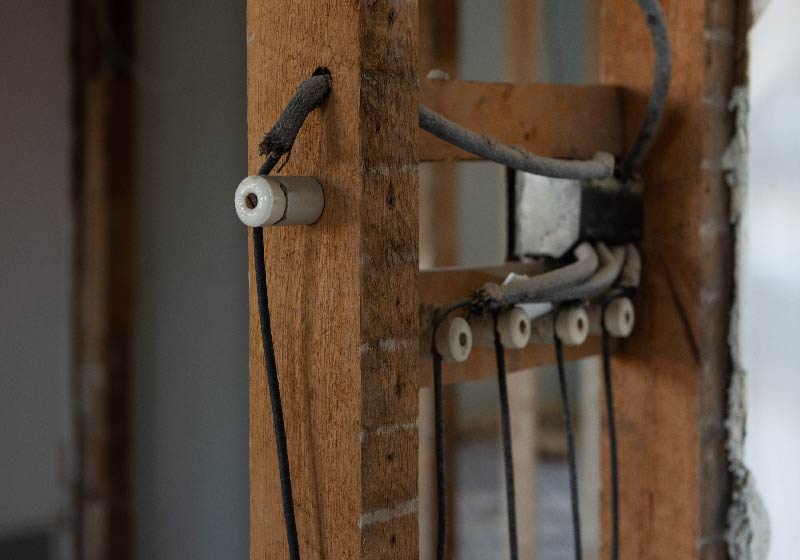
Inspector Insights: The Problem with Knob and Tube Wiring
In today’s Inspector Insights article, we’re going to key in on one of these old school home features that was once ubiquitous between 1880 and the 1940s: knob and tube wiring.

In today’s Inspector Insights article, we’re going to key in on one of these old school home features that was once ubiquitous between 1880 and the 1940s: knob and tube wiring.
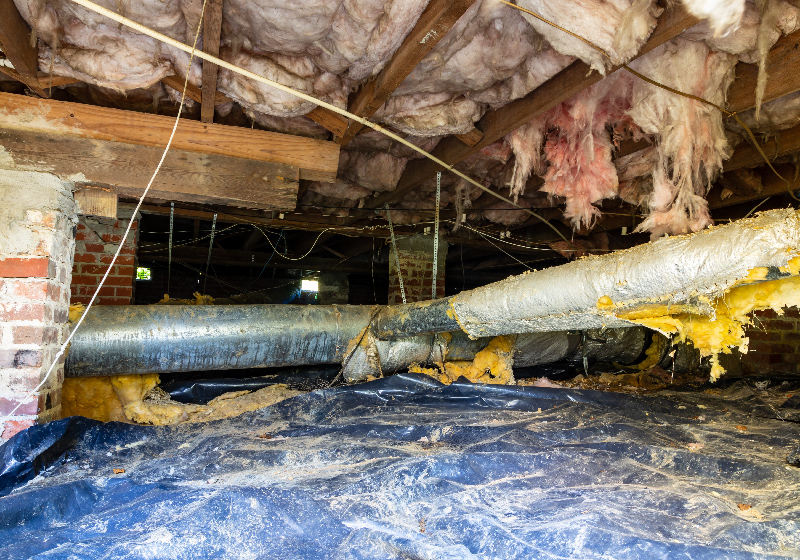
If you’ve ever lived in an area that experiences above-average flooding (or just anywhere in the South), odds are you’re very familiar with crawl spaces. A foundation style different from concrete slabs or full basements, crawl spaces are a fairly common feature in homes that allow for easy access to things like plumbing, electrical wiring, and HVAC systems under the home. Their shorter excavation time also makes them a more cost-effective option for new builds. There are many advantages to buying a home with a crawl space, but with each advantage, there’s also a concern homeowners should be aware of. Let’s discuss a few of the most common — and costly — issues you may encounter in that little space under your floorboards. 1. Moisture, Musty Smells, and MoldThe first issue that homes with crawl spaces face is the unaddressed buildup of moisture beneath the home. So-called crawl spaces earn their names due to a very low clearance height, with a majority of these spaces measuring three feet or lower. It’s understandable that homeowners don’t make it a habit of exploring these areas regularly, but a lack of attention anywhere around the home tends to lead to problems down the
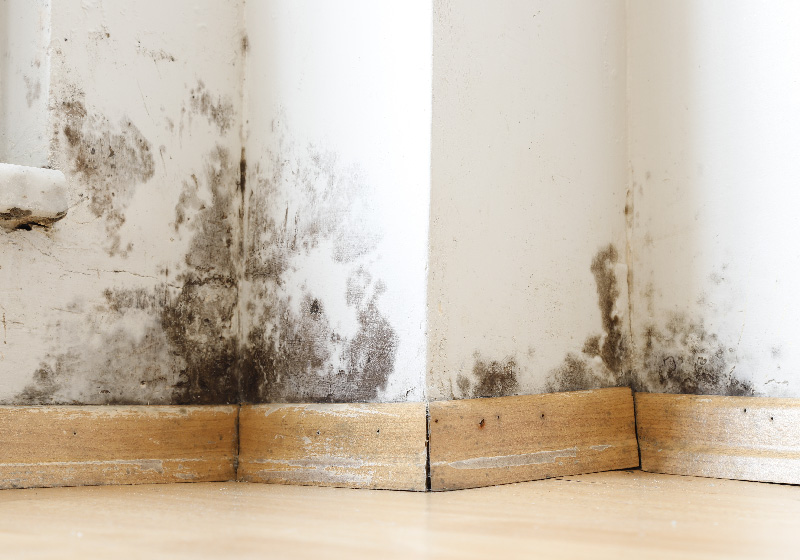
Everyone has run into mold from time to time in their bathrooms, in their kitchens, or around leaking appliances. While mold can actually come in many different colors and varieties, the dark fuzzy spots that crop up inside homes are usually easy to take care of without much issue, especially when addressed quickly. However, when left unaddressed, mold can damage and permanently discolor materials that they’ve attached to, as well as negatively impact the health of anyone in the home. In fact, according to healthcare professionals over on Healthline, overexposure to mold can lead to infection, lung inflammation, and other symptoms. Mold thrives in dark, moist, and warm environments, which means that issues in certain lesser trafficked areas of the home can easily get out of hand. If you experience any of the following, schedule a mold inspection to find the root of the problem: Homeowners can keep mold at bay by reducing humidity in their homes, maintaining good ventilation, and cleaning spills quickly. In addition, check and clean out these areas to cover some of mold’s best hiding spots inside the home: Contact your local NPI home inspector to schedule a mold inspection!
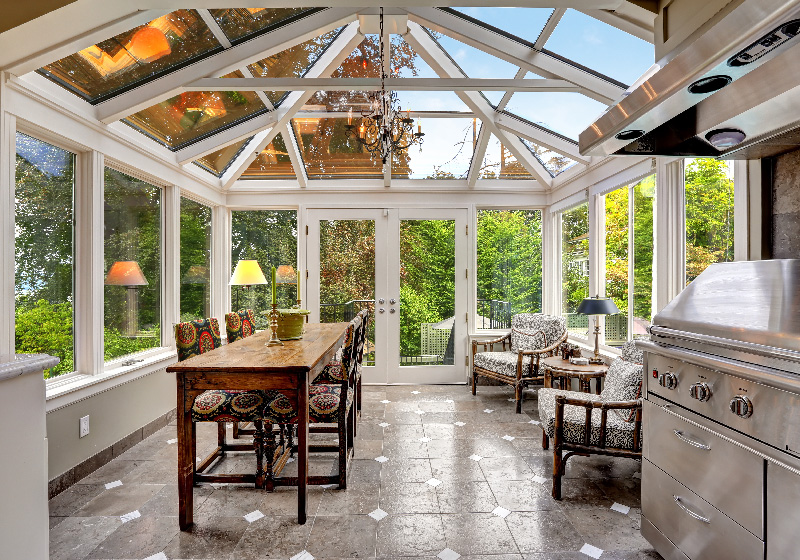
Everyone wants to find their dream home. Sometimes, that dream house might be out of reach because of price or location. Other times, that dream house just doesn’t exist – yet! If your family is expanding beyond their current space, or if changes in your lifestyle require more from your home, the answer may not necessarily be to find a new place to live. Instead, additions are a great way for homeowners to expand their homes into a space that better fits their needs. If you just love your neighborhood or you want to create your dream home without moving, here are the five steps to consider for planning a home addition. Step 1: Ask Yourself Why You’d Like to Add On to Your HomeWhile there are many great reasons to plan a home addition, the process comes with its fair share of drawbacks. First is the cost, which can vary widely depending on the type of addition and sometimes even approach the original price of the home. Additionally, the process of building a home addition can take a lot of time, some of which will include moving out temporarily or sharing space with building crews throughout the day. If

October has officially arrived and, as we march closer and closer to the spookiest day of the year, it’s natural for our minds to focus in on the strange and obscure. If this was your first year in your new home, you may have noticed some of its more interesting quirks or “features.” Some houses seem to groan when the wind hits them just right, others might creak whenever the mood is right. These are just “house noises” that you’re slowly growing accustomed to…right? Many odd occurrences in the home can be explained away with a little bit of investigation, but when attempts at rationality come up short, it can be difficult to brush off the unexplained. As we all know, the Halloween season is best known as one time each year that the barrier between the material world and the spiritual world is its thinnest. In other words, if you have your suspicions that your house just might be haunted, you better figure it out now. To aid you in your investigation, we’ve placed our best paranormal researchers on the job to identify the surefire evidence that proves your house is haunted. Reader beware: only proceed if you want
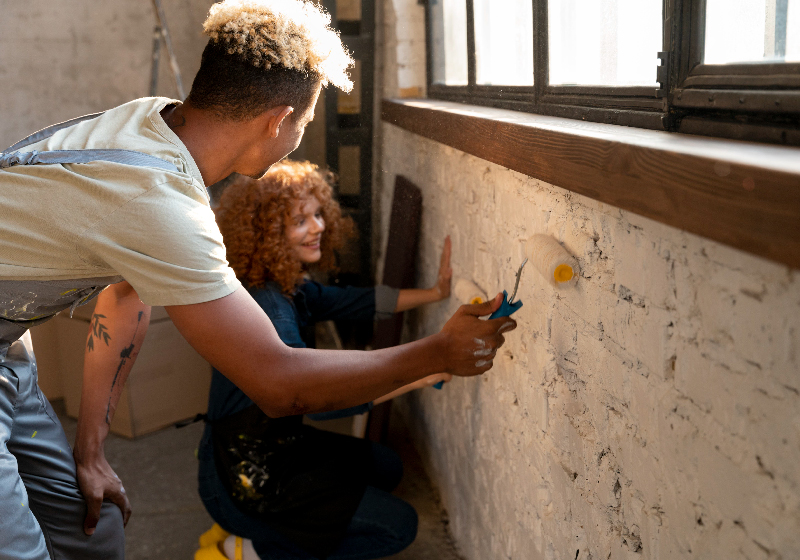
Whether you are a new homeowner looking to make some alterations or you’re finally ready to make your dream home a reality, there is no project as impactful to the way you live in your home than a basement remodel. Depending on the size of your home, finishing your basement could double your usable living space! Additionally, with cost savings from added insulation and value added to your home on resale, it’s no wonder that homeowners get so excited about starting their basement remodeling projects. Too often, though, our imaginations are limited by our budget. While a basement could transition into a cozy home theater for a movie night in, or a wide area for the kids to play, the costs of remodeling a basement can stack up quickly. For any prospective DIYers or homeowners looking to make the most of their money, here are some quick tips for how to remodel a basement on a budget. Pace YourselfThe first thing that every homeowner should do when planning a home improvement project is to assess their capabilities. While it’s true that there is the potential for substantial savings by doing some (or all) of your renovation work on your own,
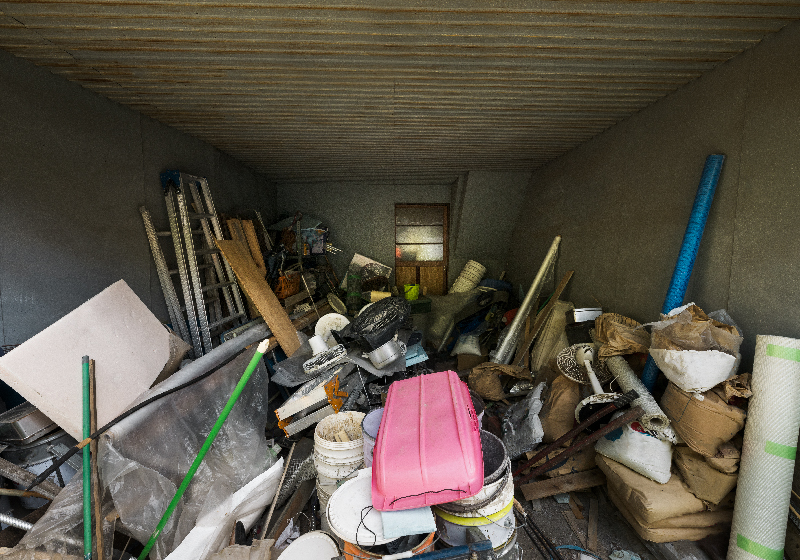
Every homeowner has a problem room. Whether it is their garage, their attic space, or their basement, the increasing pace of life has demanded we develop a go-to area for things that don’t have a designated space at the moment. We’ll get to it later, for now, let’s just store it in the closet, or the spare bedroom. This phenomenon has come to be known as the dreaded “junk room.” Quickly, a junk room’s original intent has been stretched beyond recognition and you’ve got a mess on your hands. The anxiety that you get from thinking about that task is natural, and probably a little too familiar. Don’t worry though! Rather than focusing on the difficulty of the task, imagine how satisfying it will be to reclaim the space. Now is the time to commit yourself to reorganizing your disaster space. Lay Out Your Plan Depending on the size of the job on your hands, the planning stage becomes increasingly important. See past the mess and envision the potential of the space in front of you. Do you want to revert the space into something similar to its original intention, or do you want to reinvent it? You don’t need

Getting a brand new flatscreen can really upgrade your home theater. But if you don’t like having it sit low on a bulky entertainment center, the better option might be to hang it on the wall. Here’s what you need to do to install your new TV without having it come crashing down. Tools for the Job Before you get started, there are a few items you’ll need: Depending on the size of your TV, you might need the help of one other person. As you move your TV around, be extra cautious. Too much pressure or flexing in the wrong spot can damage your display. Always remember to take your time and place your TV in a safe spot until it’s time to hang it up. Finding the Correct Mount There are several different styles of mounts that you can typically choose from. The most popular is a stationary mount that holds your TV flush against the wall. If you’re installing in a smaller room, this style can make things feel less cramped. A swivel or tilt mount lets you move your TV side to side or up and down to get the best viewing angle possible. Along with
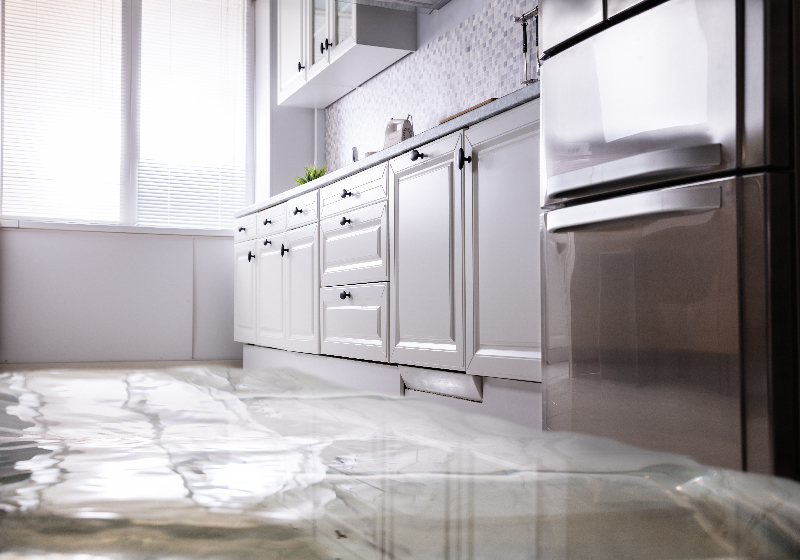
Water damage has cost homeowners billions of dollars in repairs. Hurricanes, flash floods, and other natural disasters can leave you homeless and wondering how you’ll pay for damages. While you can’t control the weather, you can prepare yourself and your home. A little water can be a big problem. Even if you’re not expecting heavy rainfall, a small amount can create a large issue for your home. Backed-up gutters can cause water to collect around the foundation of your home and make its way inside. If the ground around your home is too saturated or even too dry to hold rain, you could experience more rushing water than usual. Any time you’re supposed to get stormy weather, it’s best to watch the forecast and have an emergency preparedness plan. Understand how your home drains. Knowing how the land surrounding your home is graded gives you an advantage before the rain comes down. Ideally, you want any water to be directed away from the base of your home and towards a storm drain or nearby runoff. If you notice that water tends to collect around your home and not go anywhere, chances are you need to fix the grading. You can
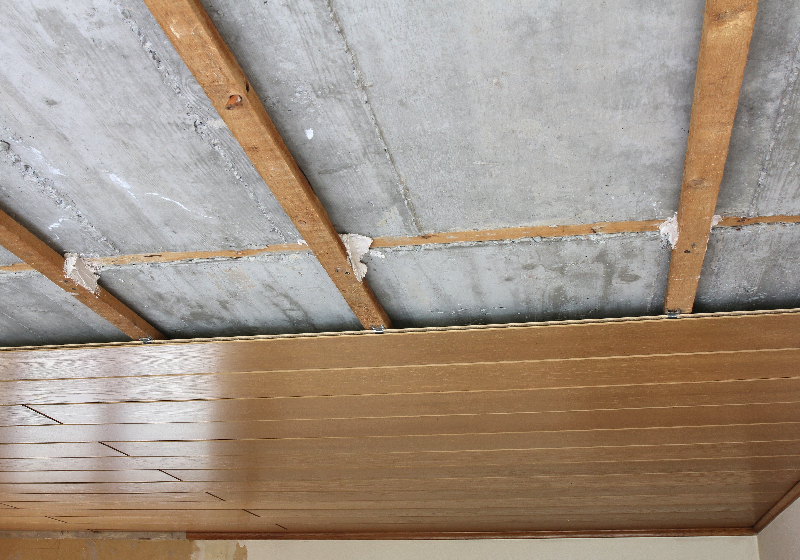
Homes of the past can be time capsules of design styles from long ago. From shag carpeting to floral wallpaper, these features can take you back in a house’s history. But you might feel as if your home looks a bit outdated for your liking. Wood paneling is a common style used in homes built from the 1950s through the 1970s whose heyday has certainly come and gone. The good news is that it doesn’t take much to do a quick update! Tools for the Job Removing wood paneling is relatively quick and easy, making it a great weekend project! As you get ready to demo, make sure that you have: You can also get the materials you need to hang drywall to replace the paneling. Depending on how big of an area you’re remodeling, it might be worth it to rent a dumpster so that everything gets disposed of properly. Set Up the Room As with any project, you want to protect the spots you aren’t going to be working on. Before you start ripping off any paneling, lay down plastic sheeting. This will prevent dust from getting everywhere and also catch loose nails. Take off any outlet covers
In today’s Inspector Insights article, we’re going to key in on one of these old school home features that was once ubiquitous between 1880 and the 1940s: knob and tube wiring.
If you’ve ever lived in an area that experiences above-average flooding (or just anywhere in the South), odds are you’re very familiar with crawl spaces. A foundation style different from concrete slabs or full basements, crawl spaces are a fairly common feature in homes that allow for easy access to things like plumbing, electrical wiring, and HVAC systems under the home. Their shorter excavation time also makes them a more cost-effective option for new builds. There are many advantages to buying a home with a crawl space, but with each advantage, there’s also a concern homeowners should be aware of. Let’s discuss a few of the most common — and costly — issues you may encounter in that little space under your floorboards. 1. Moisture, Musty Smells, and MoldThe first issue that homes with crawl spaces face is the unaddressed buildup of moisture beneath the home. So-called crawl spaces earn their names due to a very low clearance height, with a majority of these spaces measuring three feet or lower. It’s understandable that homeowners don’t make it a habit of exploring these areas regularly, but a lack of attention anywhere around the home tends to lead to problems down the
Everyone has run into mold from time to time in their bathrooms, in their kitchens, or around leaking appliances. While mold can actually come in many different colors and varieties, the dark fuzzy spots that crop up inside homes are usually easy to take care of without much issue, especially when addressed quickly. However, when left unaddressed, mold can damage and permanently discolor materials that they’ve attached to, as well as negatively impact the health of anyone in the home. In fact, according to healthcare professionals over on Healthline, overexposure to mold can lead to infection, lung inflammation, and other symptoms. Mold thrives in dark, moist, and warm environments, which means that issues in certain lesser trafficked areas of the home can easily get out of hand. If you experience any of the following, schedule a mold inspection to find the root of the problem: Homeowners can keep mold at bay by reducing humidity in their homes, maintaining good ventilation, and cleaning spills quickly. In addition, check and clean out these areas to cover some of mold’s best hiding spots inside the home: Contact your local NPI home inspector to schedule a mold inspection!
Everyone wants to find their dream home. Sometimes, that dream house might be out of reach because of price or location. Other times, that dream house just doesn’t exist – yet! If your family is expanding beyond their current space, or if changes in your lifestyle require more from your home, the answer may not necessarily be to find a new place to live. Instead, additions are a great way for homeowners to expand their homes into a space that better fits their needs. If you just love your neighborhood or you want to create your dream home without moving, here are the five steps to consider for planning a home addition. Step 1: Ask Yourself Why You’d Like to Add On to Your HomeWhile there are many great reasons to plan a home addition, the process comes with its fair share of drawbacks. First is the cost, which can vary widely depending on the type of addition and sometimes even approach the original price of the home. Additionally, the process of building a home addition can take a lot of time, some of which will include moving out temporarily or sharing space with building crews throughout the day. If
October has officially arrived and, as we march closer and closer to the spookiest day of the year, it’s natural for our minds to focus in on the strange and obscure. If this was your first year in your new home, you may have noticed some of its more interesting quirks or “features.” Some houses seem to groan when the wind hits them just right, others might creak whenever the mood is right. These are just “house noises” that you’re slowly growing accustomed to…right? Many odd occurrences in the home can be explained away with a little bit of investigation, but when attempts at rationality come up short, it can be difficult to brush off the unexplained. As we all know, the Halloween season is best known as one time each year that the barrier between the material world and the spiritual world is its thinnest. In other words, if you have your suspicions that your house just might be haunted, you better figure it out now. To aid you in your investigation, we’ve placed our best paranormal researchers on the job to identify the surefire evidence that proves your house is haunted. Reader beware: only proceed if you want
Whether you are a new homeowner looking to make some alterations or you’re finally ready to make your dream home a reality, there is no project as impactful to the way you live in your home than a basement remodel. Depending on the size of your home, finishing your basement could double your usable living space! Additionally, with cost savings from added insulation and value added to your home on resale, it’s no wonder that homeowners get so excited about starting their basement remodeling projects. Too often, though, our imaginations are limited by our budget. While a basement could transition into a cozy home theater for a movie night in, or a wide area for the kids to play, the costs of remodeling a basement can stack up quickly. For any prospective DIYers or homeowners looking to make the most of their money, here are some quick tips for how to remodel a basement on a budget. Pace YourselfThe first thing that every homeowner should do when planning a home improvement project is to assess their capabilities. While it’s true that there is the potential for substantial savings by doing some (or all) of your renovation work on your own,
Every homeowner has a problem room. Whether it is their garage, their attic space, or their basement, the increasing pace of life has demanded we develop a go-to area for things that don’t have a designated space at the moment. We’ll get to it later, for now, let’s just store it in the closet, or the spare bedroom. This phenomenon has come to be known as the dreaded “junk room.” Quickly, a junk room’s original intent has been stretched beyond recognition and you’ve got a mess on your hands. The anxiety that you get from thinking about that task is natural, and probably a little too familiar. Don’t worry though! Rather than focusing on the difficulty of the task, imagine how satisfying it will be to reclaim the space. Now is the time to commit yourself to reorganizing your disaster space. Lay Out Your Plan Depending on the size of the job on your hands, the planning stage becomes increasingly important. See past the mess and envision the potential of the space in front of you. Do you want to revert the space into something similar to its original intention, or do you want to reinvent it? You don’t need
Getting a brand new flatscreen can really upgrade your home theater. But if you don’t like having it sit low on a bulky entertainment center, the better option might be to hang it on the wall. Here’s what you need to do to install your new TV without having it come crashing down. Tools for the Job Before you get started, there are a few items you’ll need: Depending on the size of your TV, you might need the help of one other person. As you move your TV around, be extra cautious. Too much pressure or flexing in the wrong spot can damage your display. Always remember to take your time and place your TV in a safe spot until it’s time to hang it up. Finding the Correct Mount There are several different styles of mounts that you can typically choose from. The most popular is a stationary mount that holds your TV flush against the wall. If you’re installing in a smaller room, this style can make things feel less cramped. A swivel or tilt mount lets you move your TV side to side or up and down to get the best viewing angle possible. Along with
Water damage has cost homeowners billions of dollars in repairs. Hurricanes, flash floods, and other natural disasters can leave you homeless and wondering how you’ll pay for damages. While you can’t control the weather, you can prepare yourself and your home. A little water can be a big problem. Even if you’re not expecting heavy rainfall, a small amount can create a large issue for your home. Backed-up gutters can cause water to collect around the foundation of your home and make its way inside. If the ground around your home is too saturated or even too dry to hold rain, you could experience more rushing water than usual. Any time you’re supposed to get stormy weather, it’s best to watch the forecast and have an emergency preparedness plan. Understand how your home drains. Knowing how the land surrounding your home is graded gives you an advantage before the rain comes down. Ideally, you want any water to be directed away from the base of your home and towards a storm drain or nearby runoff. If you notice that water tends to collect around your home and not go anywhere, chances are you need to fix the grading. You can
Homes of the past can be time capsules of design styles from long ago. From shag carpeting to floral wallpaper, these features can take you back in a house’s history. But you might feel as if your home looks a bit outdated for your liking. Wood paneling is a common style used in homes built from the 1950s through the 1970s whose heyday has certainly come and gone. The good news is that it doesn’t take much to do a quick update! Tools for the Job Removing wood paneling is relatively quick and easy, making it a great weekend project! As you get ready to demo, make sure that you have: You can also get the materials you need to hang drywall to replace the paneling. Depending on how big of an area you’re remodeling, it might be worth it to rent a dumpster so that everything gets disposed of properly. Set Up the Room As with any project, you want to protect the spots you aren’t going to be working on. Before you start ripping off any paneling, lay down plastic sheeting. This will prevent dust from getting everywhere and also catch loose nails. Take off any outlet covers