
Tag: appliances

Home Maintenance Myths You Shouldn’t Bet On

Sometimes, those home maintenance “shortcuts” you learned from your parents are anything but. Some myths about home maintenance were born out of good intentions, and some of them may have even been true at one time or another, but following them today can waste money or even cause damage to your home. Here’s a rundown of the worst offenders that can end up costing you in the long run. 1. Turn off your AC when you leave the house to save energy. This one seems to make sense—why pay to cool an empty house, right? Well, turning off your AC isn’t the way to save money. The problem here is that when you come back home and turn your system back on, your AC unit will have to work overtime to cool your house back down, negating any energy savings you’ve accrued. To really save energy, just adjust your thermostat 5 or 10 degrees when you leave the house. 2. More insulation is always better. Lots of attic insulation is the key to regulating your home’s temperature in summer and winter, isn’t it? Not quite. While you want enough insulation to prevent heat escaping into the attic, going overboard can
Read More »

How to Flush Your Hot Water Heater the Easy Way

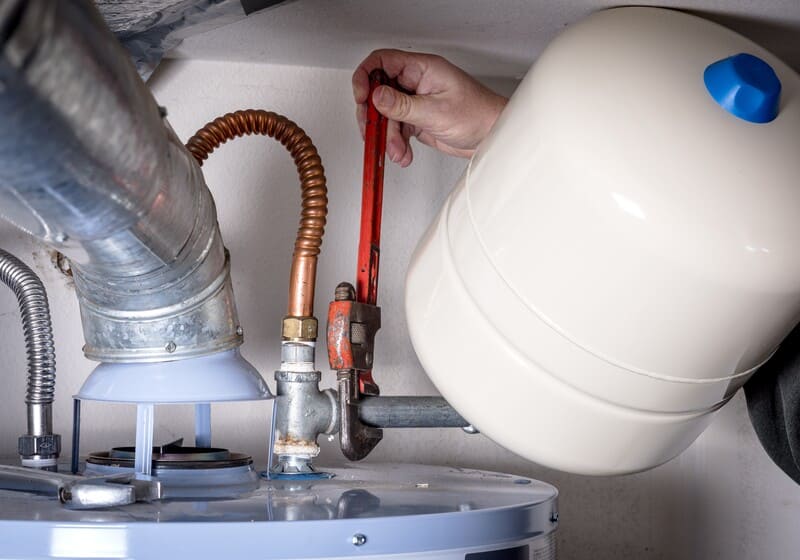
We’ll bet on the fact that you haven’t thought about flushing your hot water heater in awhile—if ever. But, while it’s one of those tasks that’s easy to forget, it’s necessary for maintaining an efficient system that lasts for the duration of its life expectancy (about eight to 12 years). Why is Flushing Your Hot Water Heater Important? Over time, hot water heaters collect sediment, or mineral deposits, at the bottom. These mineral deposits are typically the result of hard water. If your hot water heater doesn’t get flushed over the course of years, it can lead to a premature breakdown or even a burst tank. How often you’ll need to flush your hot water heater depends on how hard your water is. Coastal and southeastern states typically don’t experience hard water to the degree that Midwestern and western states do. For those living in states with softer water, once every three years is a good rule of thumb, and for those with harder water, flushing once a year is a good idea. How to Flush Your Hot Water Heater Hot water heaters generally fall into two types: gas and electric. How each type is flushed is similar except for

Read More »

How Long Your Appliance Will Last

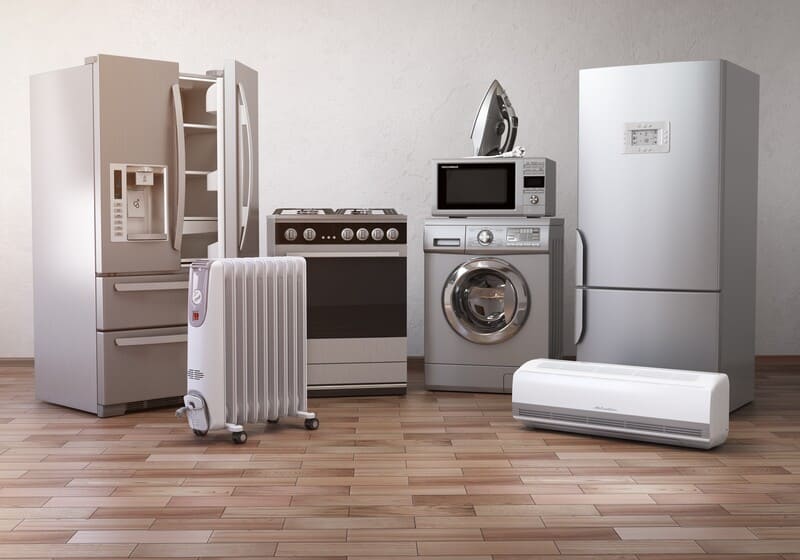
Whether you’re getting ready to move into your new home with its own set of aging appliances, or you’re just taking stock of the ones you already own, it’s helpful to know just how much life they have left in them. New homeowners typically forget to budget for the average of $9,000 in hidden expenses they’ll run into in the first months and years of home ownership, and appliances are a substantial part of that expense. Here’s a breakdown of how long your home appliances should last, and how you can lengthen their lifespans to save money in the long run. For All Appliances Before we get started, the numbers you’ll see below are averages. You can get a rough estimate of how long your appliances have left before they give up the ghost based solely on their age, but what’s more important is how much use they get. A washing machine that handles clothes for a family of 5 will see a lot more action than a bachelor’s, for example, which will shorten its lifespan accordingly. Oven Range: 13-15 Years Whether you have a gas, electric or induction range, they tend to have similar lifespans. The best way to

Read More »

How to Prepare Your Home for a Hurricane

The peak of hurricane season is just around the corner, so what should you do to prepare? Besides taking every step necessary to make sure your family stays safe, there are also things you can do to protect your home and valuable property. Here are six things you can do right now to prep for the coming storms. 1. Strap down your roof. If you have access to your attic, you can provide extra strength and protection from high winds with hurricane straps. These come in the form of metal straps or clips that tie your roof to the frame of your house so the roof is less likely to suffer damage from hurricane-force winds. If you live in certain states like Florida, your roof may already have these straps as they’re required by law for new construction. If you don’t have them, you can add them for about $500. 2. Install storm shutters. It’s also a good idea to protect your windows as much as you can, because you never know what the wind will be blowing. Storm shutters close and lock over your windows, and they’re made of impact-resistant materials like steel or aluminum. There are many different

Read More »

10 Barbecue Safety Tips That’ll Save Your Eyebrows

Grilling out is the quintessential summer pastime, up there with baseball and slip n’ slide. Outdoor grills have become a common appliance (61 percent of households own a gas grill and 41 percent have a charcoal grill), so it’s not surprising that we tend to take our safety for granted when we use them. When you think about it, though, grills can be dangerous—in fact, gas and charcoal grills cause over nine thousand home fires per year. The good news is, mishaps like these are easy to avoid if you follow a few simple barbecue safety tips! 1. Keep the grill away from your house. This may seem like it goes without saying, but seriously, keep your grill away from the house. At least 10 feet is a must, but even more if you can. The last thing you want is a gust of wind blowing stray embers at your siding or up into the gutters. Also, be aware of pergolas, trees or other things above your grill, and move it so you’re cooking out in the open. 2. Keep your grill stable. You’ll also want to make sure that your grill is placed on a level, hard and stable

Read More »

8 Ways to Allergy-Proof Your Home This Spring

Some of us are in the throes of it and some of us are just starting to experience the first twinges. For many, spring means allergy season and dealing with irritating symptoms for weeks on end. Today, we’ll let you in on our best tips for creating an allergy-proof home during pollen season and well beyond. 1. Find out what you’re allergic to. Don’t take a stab in the dark when it comes to allergies! For red, itchy eyes, sneezing, shortness of breath and other symptoms, you’ll need to consult with your physician about testing and treatment options. Not only can finding out exactly what you’re allergic to help you save significantly on medication and health care costs, it’ll let you know precisely where to start when it comes to making a more allergy-proof space for your family. 2. Allergy-proof your mattress. Dust and dust mites are a leading allergen for many individuals all year long. Dust and its mites are more likely to gather and multiply in and around your mattress, bedding and bed itself than almost anywhere else in your home. That’s because a dust mite’s favorite food happens to be skin flakes. As humans, we’re constantly shedding

Read More »

Home Maintenance Myths You Shouldn’t Bet On

Sometimes, those home maintenance “shortcuts” you learned from your parents are anything but. Some myths about home maintenance were born out of good intentions, and some of them may have even been true at one time or another, but following them today can waste money or even cause damage to your home. Here’s a rundown of the worst offenders that can end up costing you in the long run. 1. Turn off your AC when you leave the house to save energy. This one seems to make sense—why pay to cool an empty house, right? Well, turning off your AC isn’t the way to save money. The problem here is that when you come back home and turn your system back on, your AC unit will have to work overtime to cool your house back down, negating any energy savings you’ve accrued. To really save energy, just adjust your thermostat 5 or 10 degrees when you leave the house. 2. More insulation is always better. Lots of attic insulation is the key to regulating your home’s temperature in summer and winter, isn’t it? Not quite. While you want enough insulation to prevent heat escaping into the attic, going overboard can

Read More »

How to Flush Your Hot Water Heater the Easy Way

We’ll bet on the fact that you haven’t thought about flushing your hot water heater in awhile—if ever. But, while it’s one of those tasks that’s easy to forget, it’s necessary for maintaining an efficient system that lasts for the duration of its life expectancy (about eight to 12 years). Why is Flushing Your Hot Water Heater Important? Over time, hot water heaters collect sediment, or mineral deposits, at the bottom. These mineral deposits are typically the result of hard water. If your hot water heater doesn’t get flushed over the course of years, it can lead to a premature breakdown or even a burst tank. How often you’ll need to flush your hot water heater depends on how hard your water is. Coastal and southeastern states typically don’t experience hard water to the degree that Midwestern and western states do. For those living in states with softer water, once every three years is a good rule of thumb, and for those with harder water, flushing once a year is a good idea. How to Flush Your Hot Water Heater Hot water heaters generally fall into two types: gas and electric. How each type is flushed is similar except for

Read More »

How Long Your Appliance Will Last

Whether you’re getting ready to move into your new home with its own set of aging appliances, or you’re just taking stock of the ones you already own, it’s helpful to know just how much life they have left in them. New homeowners typically forget to budget for the average of $9,000 in hidden expenses they’ll run into in the first months and years of home ownership, and appliances are a substantial part of that expense. Here’s a breakdown of how long your home appliances should last, and how you can lengthen their lifespans to save money in the long run. For All Appliances Before we get started, the numbers you’ll see below are averages. You can get a rough estimate of how long your appliances have left before they give up the ghost based solely on their age, but what’s more important is how much use they get. A washing machine that handles clothes for a family of 5 will see a lot more action than a bachelor’s, for example, which will shorten its lifespan accordingly. Oven Range: 13-15 Years Whether you have a gas, electric or induction range, they tend to have similar lifespans. The best way to

Read More »

How to Prepare Your Home for a Hurricane

The peak of hurricane season is just around the corner, so what should you do to prepare? Besides taking every step necessary to make sure your family stays safe, there are also things you can do to protect your home and valuable property. Here are six things you can do right now to prep for the coming storms. 1. Strap down your roof. If you have access to your attic, you can provide extra strength and protection from high winds with hurricane straps. These come in the form of metal straps or clips that tie your roof to the frame of your house so the roof is less likely to suffer damage from hurricane-force winds. If you live in certain states like Florida, your roof may already have these straps as they’re required by law for new construction. If you don’t have them, you can add them for about $500. 2. Install storm shutters. It’s also a good idea to protect your windows as much as you can, because you never know what the wind will be blowing. Storm shutters close and lock over your windows, and they’re made of impact-resistant materials like steel or aluminum. There are many different

Read More »

10 Barbecue Safety Tips That’ll Save Your Eyebrows

Grilling out is the quintessential summer pastime, up there with baseball and slip n’ slide. Outdoor grills have become a common appliance (61 percent of households own a gas grill and 41 percent have a charcoal grill), so it’s not surprising that we tend to take our safety for granted when we use them. When you think about it, though, grills can be dangerous—in fact, gas and charcoal grills cause over nine thousand home fires per year. The good news is, mishaps like these are easy to avoid if you follow a few simple barbecue safety tips! 1. Keep the grill away from your house. This may seem like it goes without saying, but seriously, keep your grill away from the house. At least 10 feet is a must, but even more if you can. The last thing you want is a gust of wind blowing stray embers at your siding or up into the gutters. Also, be aware of pergolas, trees or other things above your grill, and move it so you’re cooking out in the open. 2. Keep your grill stable. You’ll also want to make sure that your grill is placed on a level, hard and stable

Read More »

8 Ways to Allergy-Proof Your Home This Spring

Some of us are in the throes of it and some of us are just starting to experience the first twinges. For many, spring means allergy season and dealing with irritating symptoms for weeks on end. Today, we’ll let you in on our best tips for creating an allergy-proof home during pollen season and well beyond. 1. Find out what you’re allergic to. Don’t take a stab in the dark when it comes to allergies! For red, itchy eyes, sneezing, shortness of breath and other symptoms, you’ll need to consult with your physician about testing and treatment options. Not only can finding out exactly what you’re allergic to help you save significantly on medication and health care costs, it’ll let you know precisely where to start when it comes to making a more allergy-proof space for your family. 2. Allergy-proof your mattress. Dust and dust mites are a leading allergen for many individuals all year long. Dust and its mites are more likely to gather and multiply in and around your mattress, bedding and bed itself than almost anywhere else in your home. That’s because a dust mite’s favorite food happens to be skin flakes. As humans, we’re constantly shedding

Read More »