Posts

Everything You Need to Know About Attic and Roof Ventilation

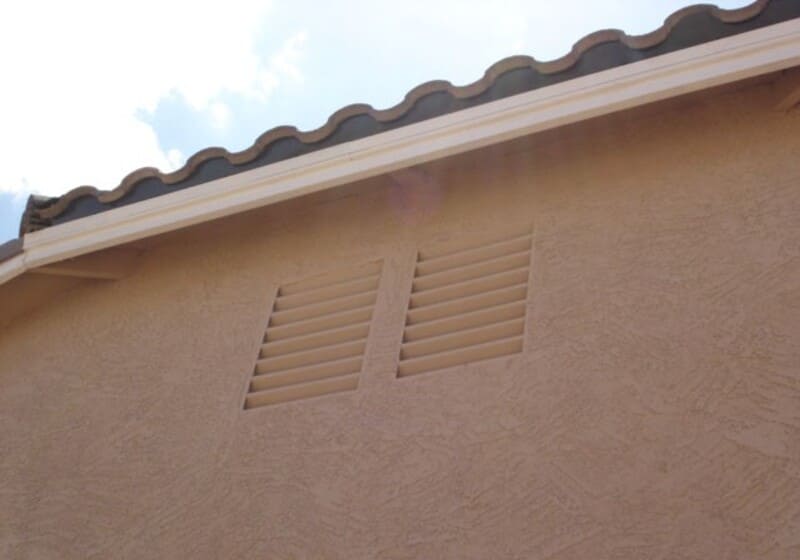
We all understand the importance of a healthy roof for keeping a home in great condition. But what’s one often overlooked area that plays a huge role in a roof’s performance and efficiency? Ventilation. Here, we’ll go over how to determine whether you need better roof and attic ventilation. Why is Good Ventilation So Important? When we refer to roof ventilation, we’re not talking about anything complicated or mysterious. We still mean airflow, or circulation. Roof ventilation requires consistent airflow to function properly. This is typically achieved mechanically, through a power source, or naturally, using the stack effect or the wind effect. The stack effect occurs when hot air rises and creates pressure in the attic. In order to avoid growing too hot, the hot air, known as exhaust, needs a means for escaping through the roof. Exhaust cannot escape an attic without cool, lower-pressure air entering the attic, air known as intake. Exhaust and intake work together to keep airflow steady and create a well-ventilated attic. If this circulatory system isn’t adequate, your roof could experience a number of problems. Attic Ventilation: Telltale Signs You Need More Ice dams Ice buildup on a roof is known as ice damming.

Read More »

What You Need to Know About Sandblasting

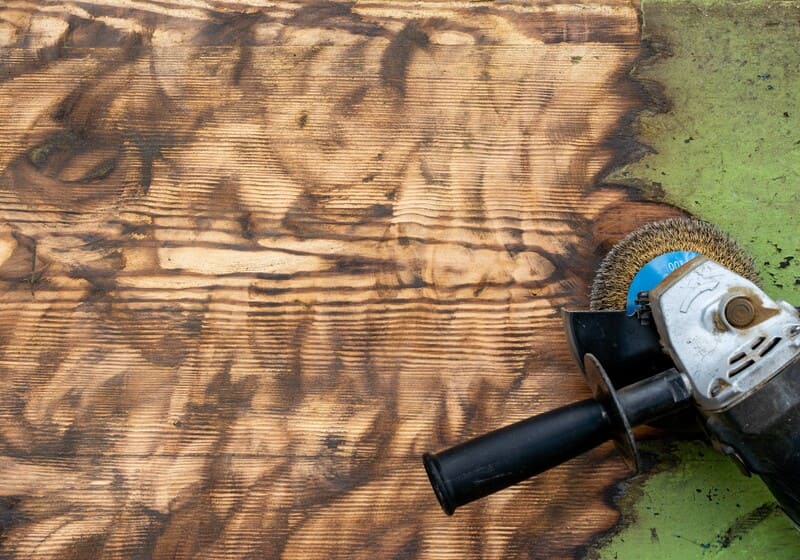
Sandblasting is the process of sanding a surface to remove rough edges or foreign materials. Sandblasting makes sanding much easier, as it is pressure-driven and easily reaches hard-to-sand areas like nooks and crannies. The “blasting” is done using compressed air to blow sand through a nozzle for a smooth, clean finish. Depending on the project, you can use abrasive materials other than sand to prepare a surface for repainting, staining or refinishing. What Materials Can Be Sandblasted? Costs for Sandblasting Sandblasting can be performed on a variety of material and is preferable when sandpaper or hand-held sanders are just not appropriate for the task at hand. Sandblasting can save you time, strenuous work and the demanding physical labor of bending, sitting, squatting and reaching. If you have never sandblasted before, you may want to contact a professional. Using a blaster without experience could potentially cause injury if correct measures are not taken or followed. In addition, keep the following in mind: Originally published November 2, 2015, updated August 23, 2018.

Read More »

How to Remove Paint from Wood

You found the perfect piece of wood furniture at your local flea market, but you can’t stand the paint job. It’s rough, splotchy and on top of that it’s an ugly color, but don’t give up on it just yet! Removing paint from wood can be painstaking, but it’s definitely worth it for the results. We’ll show you the best tools and techniques to make the process as easy as possible. The Tools You Need Every job is a little bit different, so depending on what item you’re trying to remove paint from, you’ll need a combination of some or all of these items. A Word on Lead Paint If you’re working on an older piece, know that the paint you’re removing may be lead-based, which means no sanding. There’s only one way to know for sure whether you’re dealing with lead paint, and that’s by testing it. You can use an at-home test kit (least expensive), mail a sample out to a lab (a bit more expensive), or hire a professional to come in and perform an X-ray fluorescence test (most expensive by far). If the paint you’re removing contains lead, there are a few things to keep in

Read More »

5 Signs You Might Have a Foundation Problem

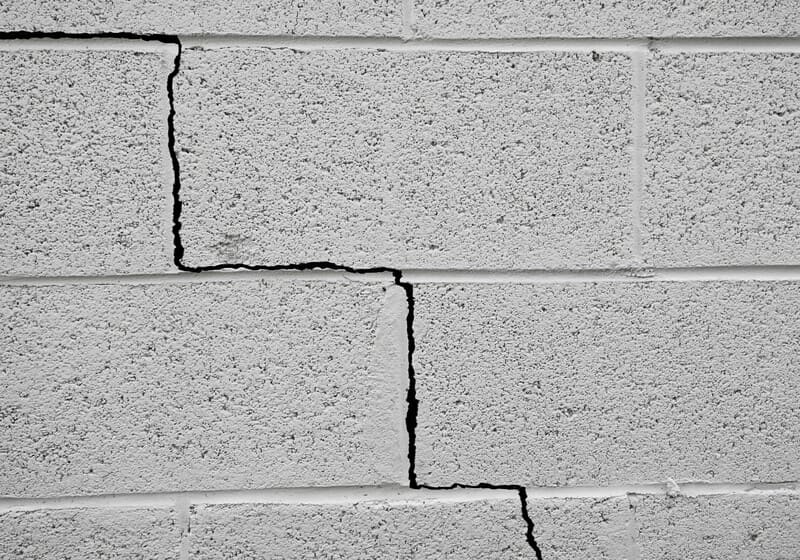
Foundation issues can easily be one of the most expensive things you’ll deal with as a homeowner. The thing is, most of the time it’s kind of hard to tell what a real foundation problem is and what isn’t. Since literally everything rests on your foundation, you can see subtle signs that might spell foundation trouble all over your house—you just have to know where to look. Before We Begin It’s important to note that the following warning signs of foundation problems don’t necessarily mean you have one. The truth is that all houses settle over time—there’s no way around it, and a little bit of settling is to be expected. However, if you’re noticing many of these occurring at once, it’s a good idea to bring in a professional to get their opinion. Also, keep in mind that the age of your home isn’t the only factor involved with foundation issues. Depending on the condition of the soil, the climate and more, even new houses can exhibit the problems below. 1. Doors and Windows are Tough to Close A substantial shift in your foundation often causes doors and windows throughout the home to misalign. Windows might be difficult or

Read More »

How Long Your Appliance Will Last

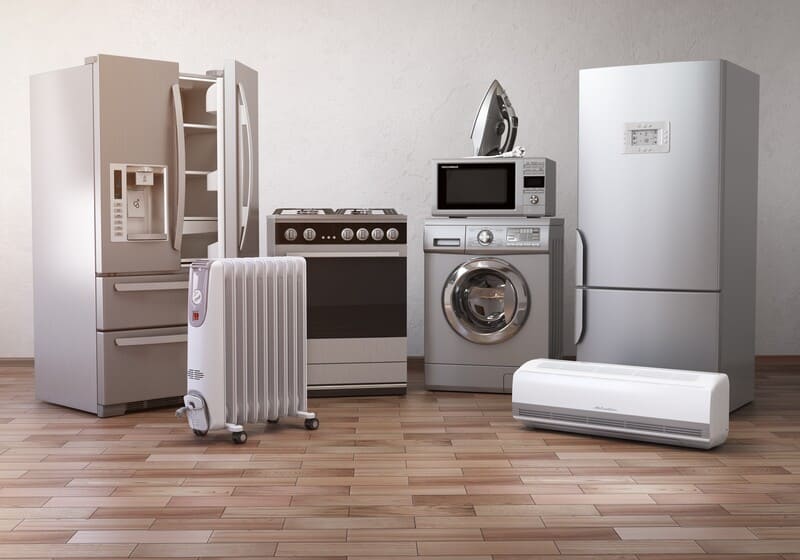
Whether you’re getting ready to move into your new home with its own set of aging appliances, or you’re just taking stock of the ones you already own, it’s helpful to know just how much life they have left in them. New homeowners typically forget to budget for the average of $9,000 in hidden expenses they’ll run into in the first months and years of home ownership, and appliances are a substantial part of that expense. Here’s a breakdown of how long your home appliances should last, and how you can lengthen their lifespans to save money in the long run. For All Appliances Before we get started, the numbers you’ll see below are averages. You can get a rough estimate of how long your appliances have left before they give up the ghost based solely on their age, but what’s more important is how much use they get. A washing machine that handles clothes for a family of 5 will see a lot more action than a bachelor’s, for example, which will shorten its lifespan accordingly. Oven Range: 13-15 Years Whether you have a gas, electric or induction range, they tend to have similar lifespans. The best way to

Read More »

8 Cleaning Tasks You Might Be Overlooking

Keeping a neat and tidy house is no easy task, and you’ll inevitably overlook a few much-needed cleaning duties from time to time. Here are eight oft forgotten jobs that are worth the extra effort for a healthier, happier home. Pet Supplies When’s the last time you cleaned your furry friend’s bowls? Their favorite blanket? Their toys? Odds are, these items don’t make your regular to-do list, but the good news is that they’re easy to take care of. Bowls and Hard Toys: Many pet bowls are dishwasher-safe, and you can place them in the top rack with your regular load of dishes. If you’re not sure, it’s best to wash them by hand with hot water and a drop of gentle dish soap. Hard dog toys can also be placed in the dishwasher or washed gently by hand. Blankets and Soft Toys: Blankets can be cleaned in the washer and dryer, and believe it or not, so can squeaker toys. For a load of pet items, you can use natural, or “free” laundry detergent, but our favorite is several capfuls of white vinegar. This should be added during the rinse cycle for the best results. Blankets and toys can

Read More »

Our 5 Best Yard Sale Tips

Holding a successful yard sale is fairly straightforward, but subtle differences in timing, signage and pricing can all have a big impact on how well-attended and lucrative your efforts are. Here are a few yard sale tips to help you stay organized, stay sane, and of course, make as much extra cash as you can. 1. Think outside the box when it comes to advertising. There’s nothing wrong with advertising your yard sale via classic hand-lettered signs—in fact, we encourage it. But you should also extend your reach to get the word out. Try advertising on your local Buy, Sell, Trade group on Facebook and on sites like garagesalefinder.com. You can also place an ad in your local newspaper and hit up bulletin boards at the local library, community center and other well-trafficked areas in your town. When you do go to make hand-lettered signs the day of your sale, be sure to use flashy poster board and large, bold lettering that can be read by someone 200 to 300 feet away. Be strategic about where you place signs and make it easy for anyone driving to be able to pull spot the news and find their way to your

Read More »

How to Paint a Room the Right Way

It’s no secret that a fresh coat of paint can transform any room of your home. Something that won’t add to the wow factor? A streaky, uneven job. Learn how to paint a room with these tried and true techniques to get the results you want every time you pick up a roller. Inspect your walls. If your walls have cracks, holes or other imperfections, they’ll need taken care of before you start priming and finally, painting. You can use a lightweight spackling compound and a putty knife to repair them, taking care to remove excess spackle with the putty knife. Allow the area to dry completely before going in with very fine grit sandpaper to smooth the surface over. Clean your walls, especially of dust and debris. Dirty walls can impair paint adhesion and cause uneven application. Once you’ve spackled over any imperfections, you’ll want to thoroughly clean your walls. First, use a floor duster to remove any dust, then wipe the walls with a damp cloth (be sure your cloth won’t leave behind fibers). Now is also a great time to remove everything from your walls, including electrical plates, registers and sconces. Tape everything off. The first thing

Read More »

How to Prepare Your Home for a Hurricane

The peak of hurricane season is just around the corner, so what should you do to prepare? Besides taking every step necessary to make sure your family stays safe, there are also things you can do to protect your home and valuable property. Here are six things you can do right now to prep for the coming storms. 1. Strap down your roof. If you have access to your attic, you can provide extra strength and protection from high winds with hurricane straps. These come in the form of metal straps or clips that tie your roof to the frame of your house so the roof is less likely to suffer damage from hurricane-force winds. If you live in certain states like Florida, your roof may already have these straps as they’re required by law for new construction. If you don’t have them, you can add them for about $500. 2. Install storm shutters. It’s also a good idea to protect your windows as much as you can, because you never know what the wind will be blowing. Storm shutters close and lock over your windows, and they’re made of impact-resistant materials like steel or aluminum. There are many different

Read More »

Firework Safety 101: Stay Safe This Fourth of July

With the Fourth of July rapidly approaching, you’re probably busy stocking up on fireworks and finalizing plans with family and friends. While firework safety might be one of the last things on your mind in the midst of all the bustle, it’s worth looking into. An estimated 11,000 people were injured by fireworks-related incidents in 2016, and those were just the ones reported! The vast majority of those accidents? Entirely preventable. Take a moment to review these safety tips and keep your loved ones out of danger this Fourth of July. Know Your Local Laws Before you consider setting off fireworks at home, you’ll need to check up on your local laws. Certain states have banned fireworks outright or prohibit the use of certain kinds of fireworks. These regulations change all the time, so even if you think you know your city or state’s views on fireworks, it never hurts to review them. Don’t Give Fireworks to Your Kids Even though they’re considered a “kid’s” firework, you might be surprised to know that sparklers are the leading cause of injuries on the Fourth of July. Sparklers can reach up to 3,000 degrees Fahrenheit, hot enough to cause severe burns or

Read More »

Everything You Need to Know About Attic and Roof Ventilation

We all understand the importance of a healthy roof for keeping a home in great condition. But what’s one often overlooked area that plays a huge role in a roof’s performance and efficiency? Ventilation. Here, we’ll go over how to determine whether you need better roof and attic ventilation. Why is Good Ventilation So Important? When we refer to roof ventilation, we’re not talking about anything complicated or mysterious. We still mean airflow, or circulation. Roof ventilation requires consistent airflow to function properly. This is typically achieved mechanically, through a power source, or naturally, using the stack effect or the wind effect. The stack effect occurs when hot air rises and creates pressure in the attic. In order to avoid growing too hot, the hot air, known as exhaust, needs a means for escaping through the roof. Exhaust cannot escape an attic without cool, lower-pressure air entering the attic, air known as intake. Exhaust and intake work together to keep airflow steady and create a well-ventilated attic. If this circulatory system isn’t adequate, your roof could experience a number of problems. Attic Ventilation: Telltale Signs You Need More Ice dams Ice buildup on a roof is known as ice damming.
Read More »

What You Need to Know About Sandblasting

Sandblasting is the process of sanding a surface to remove rough edges or foreign materials. Sandblasting makes sanding much easier, as it is pressure-driven and easily reaches hard-to-sand areas like nooks and crannies. The “blasting” is done using compressed air to blow sand through a nozzle for a smooth, clean finish. Depending on the project, you can use abrasive materials other than sand to prepare a surface for repainting, staining or refinishing. What Materials Can Be Sandblasted? Costs for Sandblasting Sandblasting can be performed on a variety of material and is preferable when sandpaper or hand-held sanders are just not appropriate for the task at hand. Sandblasting can save you time, strenuous work and the demanding physical labor of bending, sitting, squatting and reaching. If you have never sandblasted before, you may want to contact a professional. Using a blaster without experience could potentially cause injury if correct measures are not taken or followed. In addition, keep the following in mind: Originally published November 2, 2015, updated August 23, 2018.

Read More »

How to Remove Paint from Wood

You found the perfect piece of wood furniture at your local flea market, but you can’t stand the paint job. It’s rough, splotchy and on top of that it’s an ugly color, but don’t give up on it just yet! Removing paint from wood can be painstaking, but it’s definitely worth it for the results. We’ll show you the best tools and techniques to make the process as easy as possible. The Tools You Need Every job is a little bit different, so depending on what item you’re trying to remove paint from, you’ll need a combination of some or all of these items. A Word on Lead Paint If you’re working on an older piece, know that the paint you’re removing may be lead-based, which means no sanding. There’s only one way to know for sure whether you’re dealing with lead paint, and that’s by testing it. You can use an at-home test kit (least expensive), mail a sample out to a lab (a bit more expensive), or hire a professional to come in and perform an X-ray fluorescence test (most expensive by far). If the paint you’re removing contains lead, there are a few things to keep in

Read More »

5 Signs You Might Have a Foundation Problem

Foundation issues can easily be one of the most expensive things you’ll deal with as a homeowner. The thing is, most of the time it’s kind of hard to tell what a real foundation problem is and what isn’t. Since literally everything rests on your foundation, you can see subtle signs that might spell foundation trouble all over your house—you just have to know where to look. Before We Begin It’s important to note that the following warning signs of foundation problems don’t necessarily mean you have one. The truth is that all houses settle over time—there’s no way around it, and a little bit of settling is to be expected. However, if you’re noticing many of these occurring at once, it’s a good idea to bring in a professional to get their opinion. Also, keep in mind that the age of your home isn’t the only factor involved with foundation issues. Depending on the condition of the soil, the climate and more, even new houses can exhibit the problems below. 1. Doors and Windows are Tough to Close A substantial shift in your foundation often causes doors and windows throughout the home to misalign. Windows might be difficult or

Read More »

How Long Your Appliance Will Last

Whether you’re getting ready to move into your new home with its own set of aging appliances, or you’re just taking stock of the ones you already own, it’s helpful to know just how much life they have left in them. New homeowners typically forget to budget for the average of $9,000 in hidden expenses they’ll run into in the first months and years of home ownership, and appliances are a substantial part of that expense. Here’s a breakdown of how long your home appliances should last, and how you can lengthen their lifespans to save money in the long run. For All Appliances Before we get started, the numbers you’ll see below are averages. You can get a rough estimate of how long your appliances have left before they give up the ghost based solely on their age, but what’s more important is how much use they get. A washing machine that handles clothes for a family of 5 will see a lot more action than a bachelor’s, for example, which will shorten its lifespan accordingly. Oven Range: 13-15 Years Whether you have a gas, electric or induction range, they tend to have similar lifespans. The best way to

Read More »

8 Cleaning Tasks You Might Be Overlooking

Keeping a neat and tidy house is no easy task, and you’ll inevitably overlook a few much-needed cleaning duties from time to time. Here are eight oft forgotten jobs that are worth the extra effort for a healthier, happier home. Pet Supplies When’s the last time you cleaned your furry friend’s bowls? Their favorite blanket? Their toys? Odds are, these items don’t make your regular to-do list, but the good news is that they’re easy to take care of. Bowls and Hard Toys: Many pet bowls are dishwasher-safe, and you can place them in the top rack with your regular load of dishes. If you’re not sure, it’s best to wash them by hand with hot water and a drop of gentle dish soap. Hard dog toys can also be placed in the dishwasher or washed gently by hand. Blankets and Soft Toys: Blankets can be cleaned in the washer and dryer, and believe it or not, so can squeaker toys. For a load of pet items, you can use natural, or “free” laundry detergent, but our favorite is several capfuls of white vinegar. This should be added during the rinse cycle for the best results. Blankets and toys can

Read More »

Our 5 Best Yard Sale Tips

Holding a successful yard sale is fairly straightforward, but subtle differences in timing, signage and pricing can all have a big impact on how well-attended and lucrative your efforts are. Here are a few yard sale tips to help you stay organized, stay sane, and of course, make as much extra cash as you can. 1. Think outside the box when it comes to advertising. There’s nothing wrong with advertising your yard sale via classic hand-lettered signs—in fact, we encourage it. But you should also extend your reach to get the word out. Try advertising on your local Buy, Sell, Trade group on Facebook and on sites like garagesalefinder.com. You can also place an ad in your local newspaper and hit up bulletin boards at the local library, community center and other well-trafficked areas in your town. When you do go to make hand-lettered signs the day of your sale, be sure to use flashy poster board and large, bold lettering that can be read by someone 200 to 300 feet away. Be strategic about where you place signs and make it easy for anyone driving to be able to pull spot the news and find their way to your

Read More »

How to Paint a Room the Right Way

It’s no secret that a fresh coat of paint can transform any room of your home. Something that won’t add to the wow factor? A streaky, uneven job. Learn how to paint a room with these tried and true techniques to get the results you want every time you pick up a roller. Inspect your walls. If your walls have cracks, holes or other imperfections, they’ll need taken care of before you start priming and finally, painting. You can use a lightweight spackling compound and a putty knife to repair them, taking care to remove excess spackle with the putty knife. Allow the area to dry completely before going in with very fine grit sandpaper to smooth the surface over. Clean your walls, especially of dust and debris. Dirty walls can impair paint adhesion and cause uneven application. Once you’ve spackled over any imperfections, you’ll want to thoroughly clean your walls. First, use a floor duster to remove any dust, then wipe the walls with a damp cloth (be sure your cloth won’t leave behind fibers). Now is also a great time to remove everything from your walls, including electrical plates, registers and sconces. Tape everything off. The first thing

Read More »

How to Prepare Your Home for a Hurricane

The peak of hurricane season is just around the corner, so what should you do to prepare? Besides taking every step necessary to make sure your family stays safe, there are also things you can do to protect your home and valuable property. Here are six things you can do right now to prep for the coming storms. 1. Strap down your roof. If you have access to your attic, you can provide extra strength and protection from high winds with hurricane straps. These come in the form of metal straps or clips that tie your roof to the frame of your house so the roof is less likely to suffer damage from hurricane-force winds. If you live in certain states like Florida, your roof may already have these straps as they’re required by law for new construction. If you don’t have them, you can add them for about $500. 2. Install storm shutters. It’s also a good idea to protect your windows as much as you can, because you never know what the wind will be blowing. Storm shutters close and lock over your windows, and they’re made of impact-resistant materials like steel or aluminum. There are many different

Read More »

Firework Safety 101: Stay Safe This Fourth of July

With the Fourth of July rapidly approaching, you’re probably busy stocking up on fireworks and finalizing plans with family and friends. While firework safety might be one of the last things on your mind in the midst of all the bustle, it’s worth looking into. An estimated 11,000 people were injured by fireworks-related incidents in 2016, and those were just the ones reported! The vast majority of those accidents? Entirely preventable. Take a moment to review these safety tips and keep your loved ones out of danger this Fourth of July. Know Your Local Laws Before you consider setting off fireworks at home, you’ll need to check up on your local laws. Certain states have banned fireworks outright or prohibit the use of certain kinds of fireworks. These regulations change all the time, so even if you think you know your city or state’s views on fireworks, it never hurts to review them. Don’t Give Fireworks to Your Kids Even though they’re considered a “kid’s” firework, you might be surprised to know that sparklers are the leading cause of injuries on the Fourth of July. Sparklers can reach up to 3,000 degrees Fahrenheit, hot enough to cause severe burns or

Read More »