
Category: Safety

Unconventional Places to Hide Eggs and Easter Baskets (Without Putting Your Kids in Danger, Mostly)

Easter is an underrated holiday. When most people are asked to pick their favorite holiday, Christmas gets a ton of love, and dressing up on Halloween is tons of fun no matter your age. No one ever thinks of Easter first, despite everything that it has going for it! The Easter bunny is a great mascot, and the light blue, pink, and yellow color scheme is unique and iconic. Okay, Christmas might still be the best holiday, but Easter is still pretty cool, too. One of the best Easter traditions that deserves a bit more recognition is, of course, the egg hunt. Whether set up as a free-for-all at the park, or with specially selected baskets for different family members in the backyard, there are many different versions of the classic Easter egg hunt and plenty of room for creativity. Some are under the misconception that the annual egg hunt is only for the kids, but this doesn’t have to be the case! If your egg hunts are a bit too bland or easy for your kids, or if you’d like to ratchet up the competition a bit this year, here are some outside-the-box strategies and hiding spots that should
Read More »

Problems That Home Inspectors Find in Newly Constructed Homes

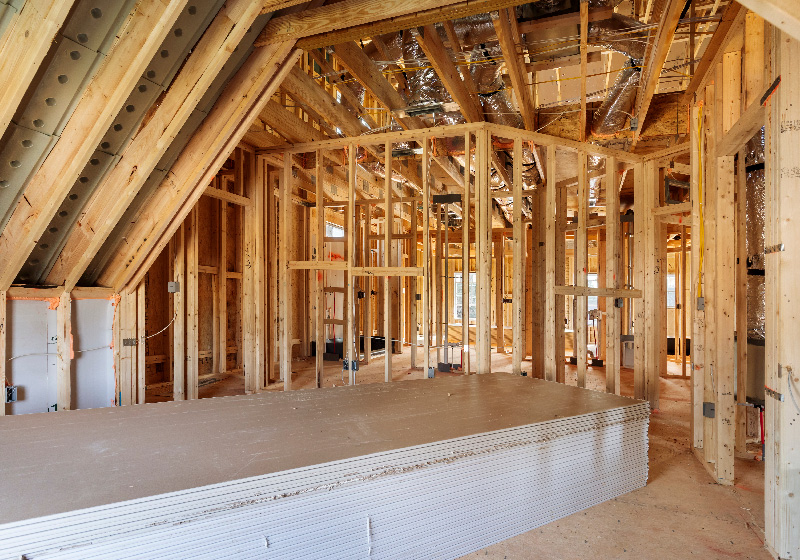
In the world of property inspections, one of the most common industry adages is “no home is perfect.” From excessive mold to roofs nearing the end of their lifespan, it’s a rare occasion when a home inspector walks through a home and doesn’t discover a substantial issue worth addressing before closing a sale. Homeowners across the country are undoubtedly thankful for the problems (both big and small) they became aware of thanks to their buyer’s inspection, but there’s one common misconception that leaves many new homeowners with avoidable headaches. The Misconception: New Homes Don’t Need Inspections Many home buyers mistakenly believe that if they’re buying a newly constructed home, they don’t need to order a home inspection. The truth is, brand new homes are not immune to major problems, issues that can accumulate into costly repairs down the road or lead to inconvenient downtime without key home systems functioning. To understand why new homes also benefit from a buyer’s inspection, let’s delve deeper into how a home is built and explore some of the common issues inspectors find in newly constructed houses. Inspections Throughout Construction Throughout a new home’s construction, building code inspectors employed by the city or municipality periodically

Read More »

7 Places Where Mold Can Hide Inside Your Home

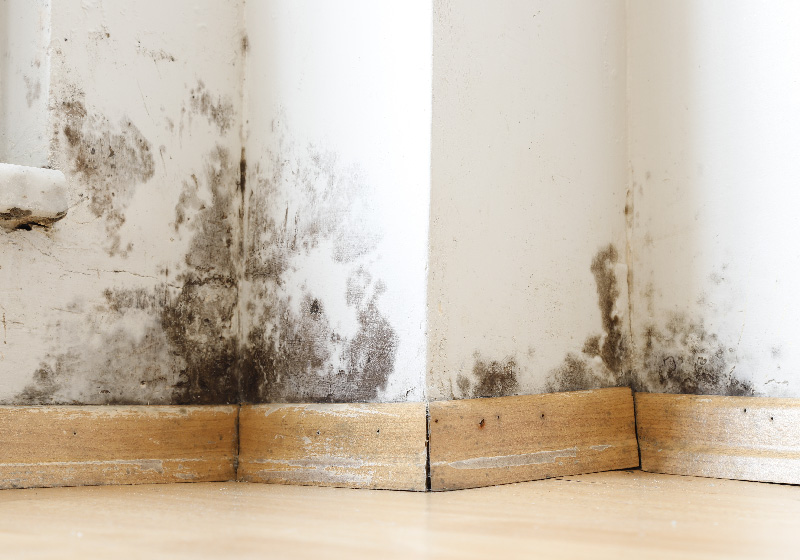
Everyone has run into mold from time to time in their bathrooms, in their kitchens, or around leaking appliances. While mold can actually come in many different colors and varieties, the dark fuzzy spots that crop up inside homes are usually easy to take care of without much issue, especially when addressed quickly. However, when left unaddressed, mold can damage and permanently discolor materials that they’ve attached to, as well as negatively impact the health of anyone in the home. In fact, according to healthcare professionals over on Healthline, overexposure to mold can lead to infection, lung inflammation, and other symptoms. Mold thrives in dark, moist, and warm environments, which means that issues in certain lesser trafficked areas of the home can easily get out of hand. If you experience any of the following, schedule a mold inspection to find the root of the problem: Homeowners can keep mold at bay by reducing humidity in their homes, maintaining good ventilation, and cleaning spills quickly. In addition, check and clean out these areas to cover some of mold’s best hiding spots inside the home: Contact your local NPI home inspector to schedule a mold inspection!

Read More »

How to Build a Treehouse Without Hurting Your Tree

As a kid, there’s nothing like spending the summer hanging out in your own custom-made treehouse, looking out over the neighborhood like you’re on top of the world. Many homeowners have a nostalgic attachment to their own childhood treehouses or miss the treehouse experience they never had. For the ambitious homeowner looking to get their kids to spend some extra time outside or to give themselves a more unique hideaway, a DIY treehouse project can be an exciting endeavor. However, treehouses can have the unintended effect of harming your tree if you don’t take the right precautions. To create a memorable hideaway that doesn’t sacrifice the health of your tree, keep these points in mind. Note: Check with your local building authority, HOA, and your neighbors before getting started. Certain areas may require special permits, and it’s always a good idea to talk with your neighbors before building something that might block the view! Pick the Perfect Tree No matter your building practices or your comfort with larger scale projects, the success of a treehouse DIY project lives and dies by whether you’ve identified the right candidate for the foundation. A stable and safe treehouse needs a tree that’s matured,

Read More »

Unconventional Ways Your Home Is Signaling That You Have Plumbing Problems

When discovering that any of your home’s key systems aren’t functioning as they are supposed to, some signs of damage or failure are more obvious than others. With that said, homes constantly signal to their homeowners that issues are cropping up just beneath the surface. Most people, unfortunately, are unaware of these common signs and what they mean. Homes are designed to satisfy a large number of needs in order to function as they should, but one force that architects constantly battle while designing homes is water. Water intrusion can spread rapidly to other home systems, damaging high-ticket appliances and electronics while also potentially leading to health problems for families. Plumbing leaks are certainly a major issue for homeowners, but you may not want to wait for a pipe to burst in order to take action. Instead, keep an eye out for these unconventional signs that your home is having plumbing problems! 1. Your Lawn is Too Green, Too Thick, and Too WetIt may be surprising for some, but one way to discover plumbing issues within a home is actually through looking at its exterior landscaping. Healthy lawns should grow evenly, but homes can spring leaks in their drainage systems,

Read More »

The 5 Steps for Planning a Home Addition

Everyone wants to find their dream home. Sometimes, that dream house might be out of reach because of price or location. Other times, that dream house just doesn’t exist – yet! If your family is expanding beyond their current space, or if changes in your lifestyle require more from your home, the answer may not necessarily be to find a new place to live. Instead, additions are a great way for homeowners to expand their homes into a space that better fits their needs. If you just love your neighborhood or you want to create your dream home without moving, here are the five steps to consider for planning a home addition. Step 1: Ask Yourself Why You’d Like to Add On to Your HomeWhile there are many great reasons to plan a home addition, the process comes with its fair share of drawbacks. First is the cost, which can vary widely depending on the type of addition and sometimes even approach the original price of the home. Additionally, the process of building a home addition can take a lot of time, some of which will include moving out temporarily or sharing space with building crews throughout the day. If

Read More »

States that are Taking the Fight to Radon

As declared by the U.S. Environmental Protection Agency, businesses and government organizations devote their attention every January to increasing public awareness of the very real and often overlooked dangers of radon gas. Per the CDC, radon is an odorless, colorless gas that finds its way into buildings through the breakdown process of natural materials within the soil. Today, radon is the second leading cause for lung cancer only behind smoking. The good news is that the effects of radon gas can be avoided first through effective testing and then through mitigation. Your family’s health is no joke, so if you haven’t already looked into radon levels in your home, your kids’ school, or your work, let this article be your sign to take action. Officials across the nation are taking notice of the dangers of radon, but most people are unaware of what their state is doing to combat radon, or how their state compares to the national average. The American Association of Radon Scientists and Technologists offers a yearly report card, which dives further into things like whether radon testing professionals need to be credentialed, whether school testing is required, and what percentage of homes in the state are

Read More »

Does Your Home Need To Be Tested for Radon?

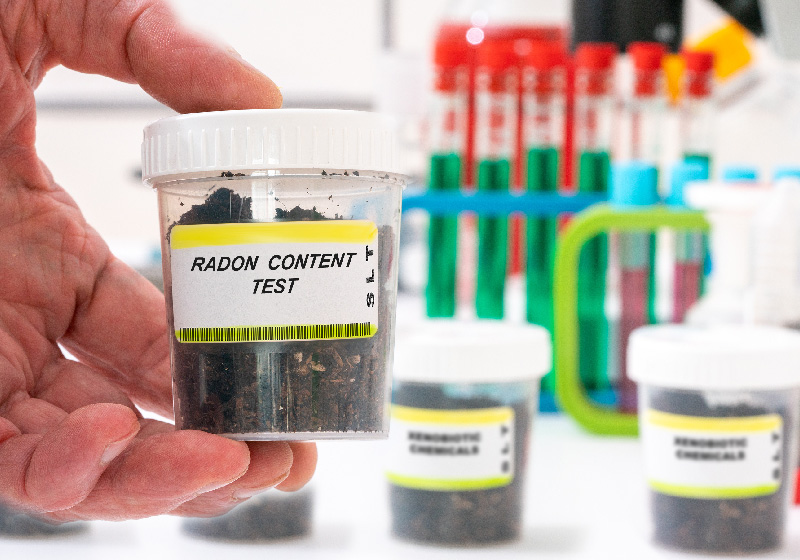
Every year, people all around the world make resolutions to live a little more productively, pick up a healthier lifestyle, and maybe make smarter choices with their money. While many resolutions revolve around bettering their own lives in some way, most should consider whether they’ve been showing their homes the same amount of care and attention. The unfortunate truth is that many homes carry hazards that owners are completely unaware of, hazards that present a very real and persistent threat to their own health and the health of their families. Radon is a colorless, odorless, radioactive gas that infiltrates homes through natural processes such as through miniscule cracks in the foundation or through drinking water. Homes everywhere are impacted by radon to a certain extent, but homeowners continue to be mostly unaware of the ever-present danger that this gas poses as the second leading cause of lung cancer in the US. According to the EPA, radon is responsible for about 21,000 lung cancer deaths every year, and 2,900 of those deaths were people who never smoked in their lives. January is known as National Radon Action Month, a time to bring awareness to the increased efforts each state is taking

Read More »

How to Have a Very Merry Christmas (and Other Holiday Home Safety Tips)

Merry Christmas and Happy Holidays to all who celebrate! The holiday season is a great opportunity to take some time off from work and enjoy friends and family. While these breaks can certainly have its joyful moments, there’s something about meeting up with friends and family that can lead to an air of chaos. If you’re expecting guests who have a tendency of getting caught in hairy situations, it just might be smart to take a few safety precautions along the way. To ensure a very merry Christmas break, here are a few home safety tips homeowners should keep in mind while weathering the holidays. Monitor Ice and SnowIf you’re expecting a degree of icy or snowy weather throughout the holidays, it may be wise to make some extra efforts to keep your driveway and sidewalks cleared. You may have family members in town who aren’t used to dealing with frosty conditions. Take precautions that no one gets hurt from slipping on unattended patches of ice. With that said, those that may have the impulse of piling on the sidewalk salt or other ice melt solutions should wait and rethink their options. While effective at melting ice, rock salt can

Read More »

How to be a Good Host During the Holidays

Hosting family and friends over the holidays can be a tough task. On one hand, it’s wonderful to reconnect with loved ones, especially those that live far away. On the other hand, getting a busy home in order can feel like an intimidating task after a year of balancing a demanding work schedule along with messy pets, and maybe kids with their own affinity for chaos. In preparation for the holidays, here are a few extra things that you can do to go above and beyond making your out-of-town guests feel welcome! Check On Your Roof’s StabilityOne pet peeve that is so common for guests is lack of decent parking. Whatever system that’s worked for your family throughout the rest of the year likely will have to change at least a bit once a new vehicle is introduced. So, unless you’re blessed with a larger-than-average parking situation, consider thinking ahead for some alternatives that allow extra room for guests. The common holiday struggle of juggling cars in the driveway is exactly why some considerate guests may take it upon themselves to use some sorely underutilized parking areas – such as the space on top of your roof. What many fail

Read More »

Unconventional Places to Hide Eggs and Easter Baskets (Without Putting Your Kids in Danger, Mostly)

Easter is an underrated holiday. When most people are asked to pick their favorite holiday, Christmas gets a ton of love, and dressing up on Halloween is tons of fun no matter your age. No one ever thinks of Easter first, despite everything that it has going for it! The Easter bunny is a great mascot, and the light blue, pink, and yellow color scheme is unique and iconic. Okay, Christmas might still be the best holiday, but Easter is still pretty cool, too. One of the best Easter traditions that deserves a bit more recognition is, of course, the egg hunt. Whether set up as a free-for-all at the park, or with specially selected baskets for different family members in the backyard, there are many different versions of the classic Easter egg hunt and plenty of room for creativity. Some are under the misconception that the annual egg hunt is only for the kids, but this doesn’t have to be the case! If your egg hunts are a bit too bland or easy for your kids, or if you’d like to ratchet up the competition a bit this year, here are some outside-the-box strategies and hiding spots that should

Read More »

Problems That Home Inspectors Find in Newly Constructed Homes

In the world of property inspections, one of the most common industry adages is “no home is perfect.” From excessive mold to roofs nearing the end of their lifespan, it’s a rare occasion when a home inspector walks through a home and doesn’t discover a substantial issue worth addressing before closing a sale. Homeowners across the country are undoubtedly thankful for the problems (both big and small) they became aware of thanks to their buyer’s inspection, but there’s one common misconception that leaves many new homeowners with avoidable headaches. The Misconception: New Homes Don’t Need Inspections Many home buyers mistakenly believe that if they’re buying a newly constructed home, they don’t need to order a home inspection. The truth is, brand new homes are not immune to major problems, issues that can accumulate into costly repairs down the road or lead to inconvenient downtime without key home systems functioning. To understand why new homes also benefit from a buyer’s inspection, let’s delve deeper into how a home is built and explore some of the common issues inspectors find in newly constructed houses. Inspections Throughout Construction Throughout a new home’s construction, building code inspectors employed by the city or municipality periodically

Read More »

7 Places Where Mold Can Hide Inside Your Home

Everyone has run into mold from time to time in their bathrooms, in their kitchens, or around leaking appliances. While mold can actually come in many different colors and varieties, the dark fuzzy spots that crop up inside homes are usually easy to take care of without much issue, especially when addressed quickly. However, when left unaddressed, mold can damage and permanently discolor materials that they’ve attached to, as well as negatively impact the health of anyone in the home. In fact, according to healthcare professionals over on Healthline, overexposure to mold can lead to infection, lung inflammation, and other symptoms. Mold thrives in dark, moist, and warm environments, which means that issues in certain lesser trafficked areas of the home can easily get out of hand. If you experience any of the following, schedule a mold inspection to find the root of the problem: Homeowners can keep mold at bay by reducing humidity in their homes, maintaining good ventilation, and cleaning spills quickly. In addition, check and clean out these areas to cover some of mold’s best hiding spots inside the home: Contact your local NPI home inspector to schedule a mold inspection!

Read More »

How to Build a Treehouse Without Hurting Your Tree

As a kid, there’s nothing like spending the summer hanging out in your own custom-made treehouse, looking out over the neighborhood like you’re on top of the world. Many homeowners have a nostalgic attachment to their own childhood treehouses or miss the treehouse experience they never had. For the ambitious homeowner looking to get their kids to spend some extra time outside or to give themselves a more unique hideaway, a DIY treehouse project can be an exciting endeavor. However, treehouses can have the unintended effect of harming your tree if you don’t take the right precautions. To create a memorable hideaway that doesn’t sacrifice the health of your tree, keep these points in mind. Note: Check with your local building authority, HOA, and your neighbors before getting started. Certain areas may require special permits, and it’s always a good idea to talk with your neighbors before building something that might block the view! Pick the Perfect Tree No matter your building practices or your comfort with larger scale projects, the success of a treehouse DIY project lives and dies by whether you’ve identified the right candidate for the foundation. A stable and safe treehouse needs a tree that’s matured,

Read More »

Unconventional Ways Your Home Is Signaling That You Have Plumbing Problems

When discovering that any of your home’s key systems aren’t functioning as they are supposed to, some signs of damage or failure are more obvious than others. With that said, homes constantly signal to their homeowners that issues are cropping up just beneath the surface. Most people, unfortunately, are unaware of these common signs and what they mean. Homes are designed to satisfy a large number of needs in order to function as they should, but one force that architects constantly battle while designing homes is water. Water intrusion can spread rapidly to other home systems, damaging high-ticket appliances and electronics while also potentially leading to health problems for families. Plumbing leaks are certainly a major issue for homeowners, but you may not want to wait for a pipe to burst in order to take action. Instead, keep an eye out for these unconventional signs that your home is having plumbing problems! 1. Your Lawn is Too Green, Too Thick, and Too WetIt may be surprising for some, but one way to discover plumbing issues within a home is actually through looking at its exterior landscaping. Healthy lawns should grow evenly, but homes can spring leaks in their drainage systems,

Read More »

The 5 Steps for Planning a Home Addition

Everyone wants to find their dream home. Sometimes, that dream house might be out of reach because of price or location. Other times, that dream house just doesn’t exist – yet! If your family is expanding beyond their current space, or if changes in your lifestyle require more from your home, the answer may not necessarily be to find a new place to live. Instead, additions are a great way for homeowners to expand their homes into a space that better fits their needs. If you just love your neighborhood or you want to create your dream home without moving, here are the five steps to consider for planning a home addition. Step 1: Ask Yourself Why You’d Like to Add On to Your HomeWhile there are many great reasons to plan a home addition, the process comes with its fair share of drawbacks. First is the cost, which can vary widely depending on the type of addition and sometimes even approach the original price of the home. Additionally, the process of building a home addition can take a lot of time, some of which will include moving out temporarily or sharing space with building crews throughout the day. If

Read More »

States that are Taking the Fight to Radon

As declared by the U.S. Environmental Protection Agency, businesses and government organizations devote their attention every January to increasing public awareness of the very real and often overlooked dangers of radon gas. Per the CDC, radon is an odorless, colorless gas that finds its way into buildings through the breakdown process of natural materials within the soil. Today, radon is the second leading cause for lung cancer only behind smoking. The good news is that the effects of radon gas can be avoided first through effective testing and then through mitigation. Your family’s health is no joke, so if you haven’t already looked into radon levels in your home, your kids’ school, or your work, let this article be your sign to take action. Officials across the nation are taking notice of the dangers of radon, but most people are unaware of what their state is doing to combat radon, or how their state compares to the national average. The American Association of Radon Scientists and Technologists offers a yearly report card, which dives further into things like whether radon testing professionals need to be credentialed, whether school testing is required, and what percentage of homes in the state are

Read More »

Does Your Home Need To Be Tested for Radon?

Every year, people all around the world make resolutions to live a little more productively, pick up a healthier lifestyle, and maybe make smarter choices with their money. While many resolutions revolve around bettering their own lives in some way, most should consider whether they’ve been showing their homes the same amount of care and attention. The unfortunate truth is that many homes carry hazards that owners are completely unaware of, hazards that present a very real and persistent threat to their own health and the health of their families. Radon is a colorless, odorless, radioactive gas that infiltrates homes through natural processes such as through miniscule cracks in the foundation or through drinking water. Homes everywhere are impacted by radon to a certain extent, but homeowners continue to be mostly unaware of the ever-present danger that this gas poses as the second leading cause of lung cancer in the US. According to the EPA, radon is responsible for about 21,000 lung cancer deaths every year, and 2,900 of those deaths were people who never smoked in their lives. January is known as National Radon Action Month, a time to bring awareness to the increased efforts each state is taking

Read More »

How to Have a Very Merry Christmas (and Other Holiday Home Safety Tips)

Merry Christmas and Happy Holidays to all who celebrate! The holiday season is a great opportunity to take some time off from work and enjoy friends and family. While these breaks can certainly have its joyful moments, there’s something about meeting up with friends and family that can lead to an air of chaos. If you’re expecting guests who have a tendency of getting caught in hairy situations, it just might be smart to take a few safety precautions along the way. To ensure a very merry Christmas break, here are a few home safety tips homeowners should keep in mind while weathering the holidays. Monitor Ice and SnowIf you’re expecting a degree of icy or snowy weather throughout the holidays, it may be wise to make some extra efforts to keep your driveway and sidewalks cleared. You may have family members in town who aren’t used to dealing with frosty conditions. Take precautions that no one gets hurt from slipping on unattended patches of ice. With that said, those that may have the impulse of piling on the sidewalk salt or other ice melt solutions should wait and rethink their options. While effective at melting ice, rock salt can

Read More »

How to be a Good Host During the Holidays

Hosting family and friends over the holidays can be a tough task. On one hand, it’s wonderful to reconnect with loved ones, especially those that live far away. On the other hand, getting a busy home in order can feel like an intimidating task after a year of balancing a demanding work schedule along with messy pets, and maybe kids with their own affinity for chaos. In preparation for the holidays, here are a few extra things that you can do to go above and beyond making your out-of-town guests feel welcome! Check On Your Roof’s StabilityOne pet peeve that is so common for guests is lack of decent parking. Whatever system that’s worked for your family throughout the rest of the year likely will have to change at least a bit once a new vehicle is introduced. So, unless you’re blessed with a larger-than-average parking situation, consider thinking ahead for some alternatives that allow extra room for guests. The common holiday struggle of juggling cars in the driveway is exactly why some considerate guests may take it upon themselves to use some sorely underutilized parking areas – such as the space on top of your roof. What many fail

Read More »