Category: Safety

Lights Out: Preparing Your Home for a Power Outage

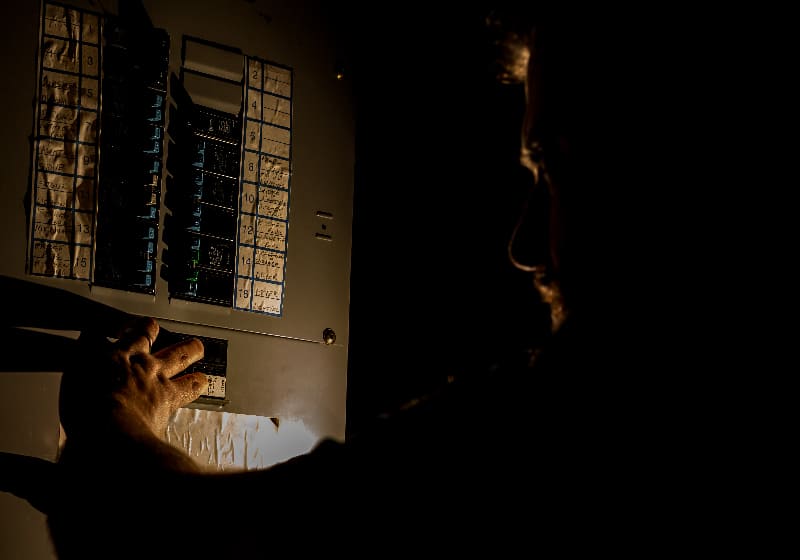
An unexpected loss of power to your home is not only a nuisance, but also a serious problem. Whether it’s from strong winds knocking down power lines or a sudden electrical surge, extended outages are a hazard. It’s important that you know what to do in a situation like this to keep your home and your family safe. Gather in a safe meeting place inside.The first step you should take when the lights go out in your home is to locate everyone. A severe storm may have forced you all close together, but if you aren’t, safely guide all friends, family and even pets to a single location inside. Once everyone is accounted for, you shouldn’t leave the space alone. Maneuvering in the dark can lead to someone falling or running into furniture and getting injured. Unplug all of your electronics. There’s a good chance that you had multiple devices in use before your power went out. You might have been watching the news for weather updates, cooking a meal or possibly using a power tool. Go around your home and turn off or unplug anything that was in use beforehand. The power could come back on at any time,
Read More »

The Importance of an Emergency Radio

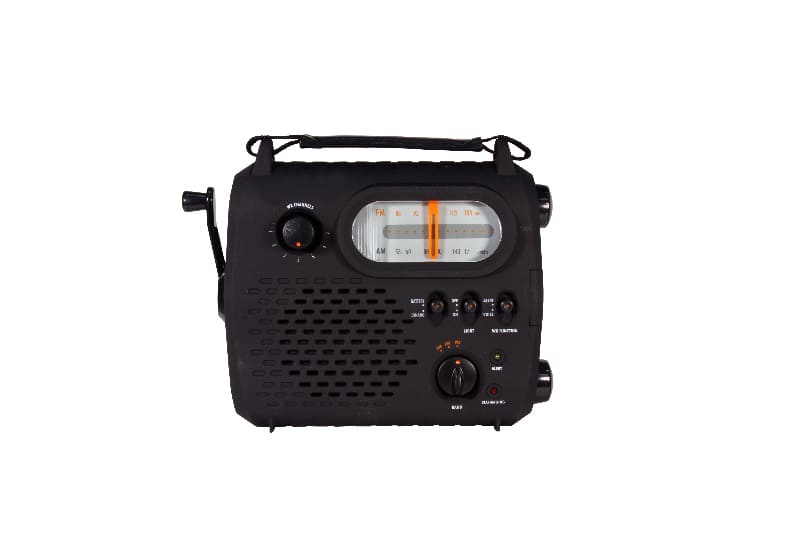
When an emergency strikes, you need to be prepared to keep you and your family safe. You’ll of course need a solid safety plan, then you’ll need to make sure you have the right tools at the ready. One often-overlooked device you should include in your kit is an emergency radio. Keep reading to learn more about why an emergency radio is one of the most important gadgets in your arsenal. Why Do You Need a Radio? In the age where information can be accessed instantly in the palm of your hand, you might be asking yourself why you need an “older” piece of technology. The answer to your question is simple: phones don’t always work. If you experience a storm with high winds, cell towers could be damaged, hindering service in your area just when you need updates the most. Plus, if you experience a lengthy power outage, your phone could be dead for days without a backup charging solution. The same applies to your TV, which you might be tempted to rely on for updates. Receive Accurate Information Before and After During an emergency situation, it’s important to know where to go and what to do. With the

Read More »

Here’s What You Should Know about Removing a Chimney

A fireplace in your home can be a nice decorative item to have, and they can be a high selling point in certain locations. But if a fireplace sits unused for a prolonged period of time, they can become a safety issue. Potential buyers can see them as more of a hassle to maintain, and a bulky fireplace can disrupt the look of a room. So if you’re a homeowner or renovator, how can you cut out that old smokestack to update your property? Have a Professional Look at It Chances are that if you don’t use your fireplace very often, you may not know the condition it’s in. If that’s the case, don’t immediately turn on your fireplace to see if it works. Dirt and other debris can build up over years of inactivity, and suddenly lighting a flame can start a dangerous fire. Call in a professional to examine your chimney both inside and outside. They can give you the necessary information on the condition of your fireplace and accompanying components, as well as advise the best course of action to have it removed. These inspectors may also be licensed to get everything shut off and closed to

Read More »

Have an Old Tree in Your Yard? Look Out for These Hidden Issues

Older trees are highly desirable for adding greenery, shade and a certain “stateliness” to any yard. But just with any landscaping in your outdoor space, tall, old trees bring their own set of challenges. Here are a few things to keep an eye out for when it comes to your yard’s oldest trees. High Wind Risks No matter an area’s climate, high winds are a given from time to time. Wind gusts can reach 60 miles per hour or more, tossing around debris and branches. If a tree’s trunk or limbs reach too close to your home, they can cause severe damage, sending branches or even the entire tree through your roof or windows. They can also knock out power lines, causing long outages that extend to neighboring homes. Branches should be kept trimmed 10 to 30 feet from your home—we recommend the higher end of this scale for added safety. Far-Reaching Roots Older trees often have far-reaching roots, which can cause extensive damage to your home’s structure and major systems. Some roots can harm your home’s foundation by reducing moisture in the soil, causing it to contract–this can cause your home to start shifting, often inward. Roots can also

Read More »

Safe and Sound: Protecting Yourself from a Home Emergency

An emergency can strike anytime, anywhere, even in the place we’re supposed to feel safest–home. While it’s not easy to think about, some emergencies are unavoidable, and the best thing you can do for you and your family is be prepared. Do a Home Safety CheckA preventative home safety check can help decrease your chances of a major accident. Examine each nook and cranny to ensure that you do a comprehensive check. Go room by room and inspect all appliances, fixtures and furniture for potential safety issues. In Your Kitchen In Your Bedrooms and Living Rooms In Your Bathrooms In Hallways and Stairways In Your Basement Accounting for Small ChildrenWhether you have kids yourself, or have family and friends that do, your checklist will need to be adapted. Unless you can watch them at all times, your house will need to go through a “baby overhaul.” Watch out for more things like chipped paint, high surfaces and easily accessible doors. Along with your normal check, go over a baby safety guide to keep everyone in your home out of harm’s way. Install Warning Devices and Preventative Items A checklist is a good starting point to improve your home’s safety, but

Read More »

How to Prepare Your Home for a New Baby

There’s no better feeling than becoming a new parent. But it can also be scary and daunting, especially if it’s your first time. What do you feed them? How do you keep them healthy? There are a million different questions you have to answer in just a short amount of time. The biggest of these is how to keep your new little one safe. You can easily check your home for dangers and implement safeguards to keep your new bundle of joy from harm. Home Safety Checklist: Before the Baby Comes HomeIn the months leading up to your baby’s arrival, take a walk around your house and assess any safety concerns. Here are some essential things to check for: Home Safety Checklist: After the Baby is HomeOnce your little one arrives, there are still precautions to take. Before you know it, they’ll be crawling. To keep them safe once they’re on the move, here are some additional things you can do around your home: After the crawling stage comes the walking stage. This is another amazing parenting moment, but again opens more things to watch out for. Your baby will start to pull themselves up and onto everything they can

Read More »

The Benefits of a Smart Home

Years ago, people dreamed of houses with electronic gadgets and robots to make life simpler and more luxurious. Today, those far-away dreams are a common reality. For a long time, smart homes were not an option for most people due to high cost. However, smart homes are becoming more and more affordable and homeowners are realizing the benefits that they have to offer. If you have been thinking about upgrading your home, the following information could help you decide. Benefits of a Smart HomeDefined, a smart home is one that connects the different appliances and components in your home through electronic devices on a wireless network. From your thermostat to your fridge, the system you use tracks usage data and energy consumption. Having all the items in your house at your fingertips increases ease of use and accessibility. You can monitor everything, and notice if something has an issue before it gets out of hand. Many homeowners agree that this simplicity and security are big draws to upgrade their homes. Choosing the Right SystemThere are many different companies that offer home upgrades, and it is important to choose the right one. The big names like Amazon, Google and even Apple

Read More »

The Importance of Maintaining Window Wells

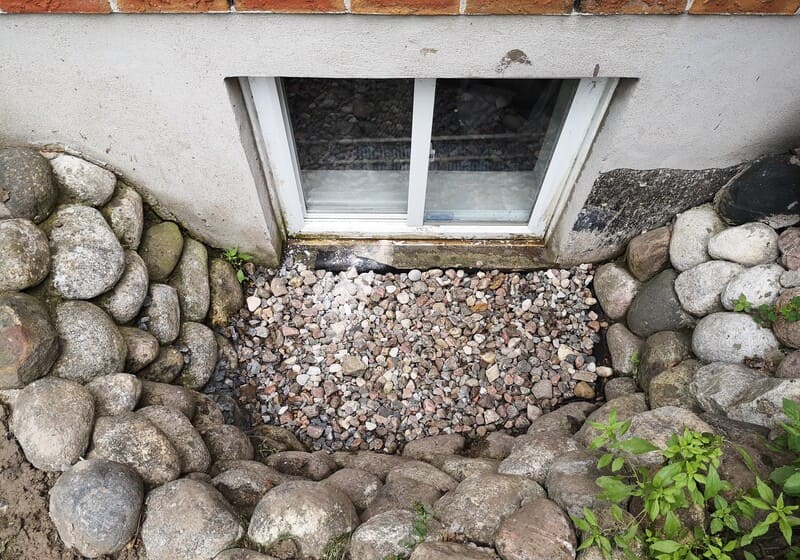
If you have a finished basement that you’d like to brighten up, window wells could be your answer. These are a nice addition to your home to give your below level rooms a more appealing feel. But they can also be a flooding hazard. Improperly fitted wells can let in water when it rains or even allow dirt to cave in the opening. Here are some things you can do to protect your basement. Deciding to InstallFirst things first, you will need to assess whether or not having a window well is a good idea for your location. If you live in a low sea level area, chances are, your home doesn’t have a lower level to begin with. But if you’re not, you should still check with a professional contractor before you go ahead with installation. Depending on your city’s guidelines, you may also need to obtain a building permit. Window wells that aren’t code-compliant could make your home more susceptible to flooding and lead to costly repairs. Proper Installation After the surrounding dirt has been cleared for window well installation, a retaining wall will be put in to hold it back. When the dirt is being put back,

Read More »

Spring into Clean! Tips to Tidy Up Your Home

With the winter season coming to an end, now is a great time to declutter and refresh your home. An organized house can improve your mood and cleaning up is a great way to get rid of stress. These tips will help you get the most out of your sprucing up, and make your home a place of tidiness and relaxation. Get Rid of That Junk!Before you start pulling out the cleaning supplies, begin by going through that closet or storage room and organizing. We all accumulate vast amounts of stuff, and it is important to know when to let some of it go. Start by sorting things to keep, things to sell and things to throw away into piles. This will let you differentiate between your valuables and random pieces you picked up over the years. Plus, selling things that you don’t want is a great way to get some cash. If needed, you can always ask a removal service to dispose of bigger items such as an old fridge or couch. When you go to put things back in their place, try using plastic storage containers. Not only do they keep your items organized, but they’ll also protect

Read More »

Home Accessibility: Finding the Right Home and Making It Perfect for Your Needs

By Patrick Young of the blog AbleUSA.info Living with a disability or mobility issue is never easy, but you can make it much more manageable by prioritizing home accessibility. If your home isn’t tailored to suit your specific needs, you’re making things much harder on yourself. Any focus on home accessibility will consist of both finding a home that, structurally, suits your needs as well as taking steps to modify that home even further. Here are some things to consider. Finding the Right Home for YouLet’s get this out of the way — you’re never going to find a home that perfectly suits your needs. You can, however, get pretty close. As long as you find a home that doesn’t complicate your mobility issues/disabilities, then you should be able to modify it to near perfection. Here are a few things that you may want to look for in any potential home: Some things, like the home’s floor plan, are hard to alter. If you use a wheelchair, you may want to avoid multi-floor homes, for example. If you can find a home that checks off 75 percent or so of your accessibility requirements, then you’re off to a good start.

Read More »

Lights Out: Preparing Your Home for a Power Outage

An unexpected loss of power to your home is not only a nuisance, but also a serious problem. Whether it’s from strong winds knocking down power lines or a sudden electrical surge, extended outages are a hazard. It’s important that you know what to do in a situation like this to keep your home and your family safe. Gather in a safe meeting place inside.The first step you should take when the lights go out in your home is to locate everyone. A severe storm may have forced you all close together, but if you aren’t, safely guide all friends, family and even pets to a single location inside. Once everyone is accounted for, you shouldn’t leave the space alone. Maneuvering in the dark can lead to someone falling or running into furniture and getting injured. Unplug all of your electronics. There’s a good chance that you had multiple devices in use before your power went out. You might have been watching the news for weather updates, cooking a meal or possibly using a power tool. Go around your home and turn off or unplug anything that was in use beforehand. The power could come back on at any time,

Read More »

The Importance of an Emergency Radio

When an emergency strikes, you need to be prepared to keep you and your family safe. You’ll of course need a solid safety plan, then you’ll need to make sure you have the right tools at the ready. One often-overlooked device you should include in your kit is an emergency radio. Keep reading to learn more about why an emergency radio is one of the most important gadgets in your arsenal. Why Do You Need a Radio? In the age where information can be accessed instantly in the palm of your hand, you might be asking yourself why you need an “older” piece of technology. The answer to your question is simple: phones don’t always work. If you experience a storm with high winds, cell towers could be damaged, hindering service in your area just when you need updates the most. Plus, if you experience a lengthy power outage, your phone could be dead for days without a backup charging solution. The same applies to your TV, which you might be tempted to rely on for updates. Receive Accurate Information Before and After During an emergency situation, it’s important to know where to go and what to do. With the

Read More »

Here’s What You Should Know about Removing a Chimney

A fireplace in your home can be a nice decorative item to have, and they can be a high selling point in certain locations. But if a fireplace sits unused for a prolonged period of time, they can become a safety issue. Potential buyers can see them as more of a hassle to maintain, and a bulky fireplace can disrupt the look of a room. So if you’re a homeowner or renovator, how can you cut out that old smokestack to update your property? Have a Professional Look at It Chances are that if you don’t use your fireplace very often, you may not know the condition it’s in. If that’s the case, don’t immediately turn on your fireplace to see if it works. Dirt and other debris can build up over years of inactivity, and suddenly lighting a flame can start a dangerous fire. Call in a professional to examine your chimney both inside and outside. They can give you the necessary information on the condition of your fireplace and accompanying components, as well as advise the best course of action to have it removed. These inspectors may also be licensed to get everything shut off and closed to

Read More »

Have an Old Tree in Your Yard? Look Out for These Hidden Issues

Older trees are highly desirable for adding greenery, shade and a certain “stateliness” to any yard. But just with any landscaping in your outdoor space, tall, old trees bring their own set of challenges. Here are a few things to keep an eye out for when it comes to your yard’s oldest trees. High Wind Risks No matter an area’s climate, high winds are a given from time to time. Wind gusts can reach 60 miles per hour or more, tossing around debris and branches. If a tree’s trunk or limbs reach too close to your home, they can cause severe damage, sending branches or even the entire tree through your roof or windows. They can also knock out power lines, causing long outages that extend to neighboring homes. Branches should be kept trimmed 10 to 30 feet from your home—we recommend the higher end of this scale for added safety. Far-Reaching Roots Older trees often have far-reaching roots, which can cause extensive damage to your home’s structure and major systems. Some roots can harm your home’s foundation by reducing moisture in the soil, causing it to contract–this can cause your home to start shifting, often inward. Roots can also

Read More »

Safe and Sound: Protecting Yourself from a Home Emergency

An emergency can strike anytime, anywhere, even in the place we’re supposed to feel safest–home. While it’s not easy to think about, some emergencies are unavoidable, and the best thing you can do for you and your family is be prepared. Do a Home Safety CheckA preventative home safety check can help decrease your chances of a major accident. Examine each nook and cranny to ensure that you do a comprehensive check. Go room by room and inspect all appliances, fixtures and furniture for potential safety issues. In Your Kitchen In Your Bedrooms and Living Rooms In Your Bathrooms In Hallways and Stairways In Your Basement Accounting for Small ChildrenWhether you have kids yourself, or have family and friends that do, your checklist will need to be adapted. Unless you can watch them at all times, your house will need to go through a “baby overhaul.” Watch out for more things like chipped paint, high surfaces and easily accessible doors. Along with your normal check, go over a baby safety guide to keep everyone in your home out of harm’s way. Install Warning Devices and Preventative Items A checklist is a good starting point to improve your home’s safety, but

Read More »

How to Prepare Your Home for a New Baby

There’s no better feeling than becoming a new parent. But it can also be scary and daunting, especially if it’s your first time. What do you feed them? How do you keep them healthy? There are a million different questions you have to answer in just a short amount of time. The biggest of these is how to keep your new little one safe. You can easily check your home for dangers and implement safeguards to keep your new bundle of joy from harm. Home Safety Checklist: Before the Baby Comes HomeIn the months leading up to your baby’s arrival, take a walk around your house and assess any safety concerns. Here are some essential things to check for: Home Safety Checklist: After the Baby is HomeOnce your little one arrives, there are still precautions to take. Before you know it, they’ll be crawling. To keep them safe once they’re on the move, here are some additional things you can do around your home: After the crawling stage comes the walking stage. This is another amazing parenting moment, but again opens more things to watch out for. Your baby will start to pull themselves up and onto everything they can

Read More »

The Benefits of a Smart Home

Years ago, people dreamed of houses with electronic gadgets and robots to make life simpler and more luxurious. Today, those far-away dreams are a common reality. For a long time, smart homes were not an option for most people due to high cost. However, smart homes are becoming more and more affordable and homeowners are realizing the benefits that they have to offer. If you have been thinking about upgrading your home, the following information could help you decide. Benefits of a Smart HomeDefined, a smart home is one that connects the different appliances and components in your home through electronic devices on a wireless network. From your thermostat to your fridge, the system you use tracks usage data and energy consumption. Having all the items in your house at your fingertips increases ease of use and accessibility. You can monitor everything, and notice if something has an issue before it gets out of hand. Many homeowners agree that this simplicity and security are big draws to upgrade their homes. Choosing the Right SystemThere are many different companies that offer home upgrades, and it is important to choose the right one. The big names like Amazon, Google and even Apple

Read More »

The Importance of Maintaining Window Wells

If you have a finished basement that you’d like to brighten up, window wells could be your answer. These are a nice addition to your home to give your below level rooms a more appealing feel. But they can also be a flooding hazard. Improperly fitted wells can let in water when it rains or even allow dirt to cave in the opening. Here are some things you can do to protect your basement. Deciding to InstallFirst things first, you will need to assess whether or not having a window well is a good idea for your location. If you live in a low sea level area, chances are, your home doesn’t have a lower level to begin with. But if you’re not, you should still check with a professional contractor before you go ahead with installation. Depending on your city’s guidelines, you may also need to obtain a building permit. Window wells that aren’t code-compliant could make your home more susceptible to flooding and lead to costly repairs. Proper Installation After the surrounding dirt has been cleared for window well installation, a retaining wall will be put in to hold it back. When the dirt is being put back,

Read More »

Spring into Clean! Tips to Tidy Up Your Home

With the winter season coming to an end, now is a great time to declutter and refresh your home. An organized house can improve your mood and cleaning up is a great way to get rid of stress. These tips will help you get the most out of your sprucing up, and make your home a place of tidiness and relaxation. Get Rid of That Junk!Before you start pulling out the cleaning supplies, begin by going through that closet or storage room and organizing. We all accumulate vast amounts of stuff, and it is important to know when to let some of it go. Start by sorting things to keep, things to sell and things to throw away into piles. This will let you differentiate between your valuables and random pieces you picked up over the years. Plus, selling things that you don’t want is a great way to get some cash. If needed, you can always ask a removal service to dispose of bigger items such as an old fridge or couch. When you go to put things back in their place, try using plastic storage containers. Not only do they keep your items organized, but they’ll also protect

Read More »

Home Accessibility: Finding the Right Home and Making It Perfect for Your Needs

By Patrick Young of the blog AbleUSA.info Living with a disability or mobility issue is never easy, but you can make it much more manageable by prioritizing home accessibility. If your home isn’t tailored to suit your specific needs, you’re making things much harder on yourself. Any focus on home accessibility will consist of both finding a home that, structurally, suits your needs as well as taking steps to modify that home even further. Here are some things to consider. Finding the Right Home for YouLet’s get this out of the way — you’re never going to find a home that perfectly suits your needs. You can, however, get pretty close. As long as you find a home that doesn’t complicate your mobility issues/disabilities, then you should be able to modify it to near perfection. Here are a few things that you may want to look for in any potential home: Some things, like the home’s floor plan, are hard to alter. If you use a wheelchair, you may want to avoid multi-floor homes, for example. If you can find a home that checks off 75 percent or so of your accessibility requirements, then you’re off to a good start.

Read More »