
Category: Home Maintenance

How to Flush Your Hot Water Heater the Easy Way

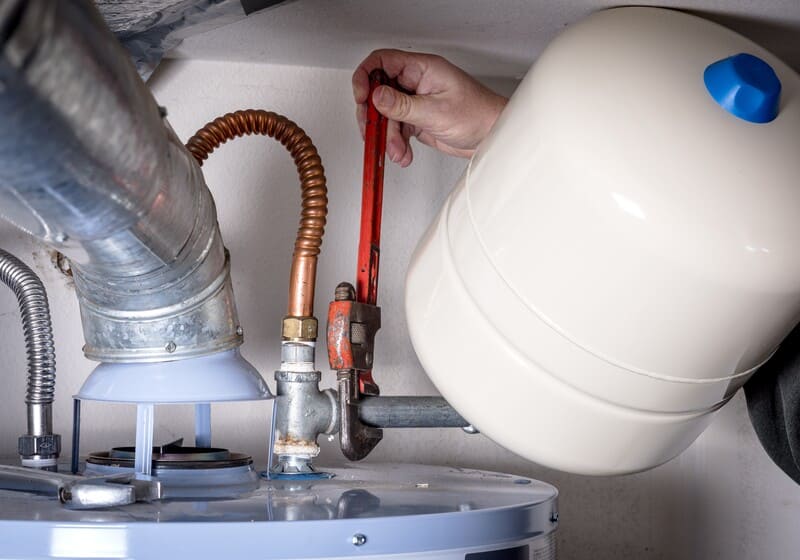
We’ll bet on the fact that you haven’t thought about flushing your hot water heater in awhile—if ever. But, while it’s one of those tasks that’s easy to forget, it’s necessary for maintaining an efficient system that lasts for the duration of its life expectancy (about eight to 12 years). Why is Flushing Your Hot Water Heater Important? Over time, hot water heaters collect sediment, or mineral deposits, at the bottom. These mineral deposits are typically the result of hard water. If your hot water heater doesn’t get flushed over the course of years, it can lead to a premature breakdown or even a burst tank. How often you’ll need to flush your hot water heater depends on how hard your water is. Coastal and southeastern states typically don’t experience hard water to the degree that Midwestern and western states do. For those living in states with softer water, once every three years is a good rule of thumb, and for those with harder water, flushing once a year is a good idea. How to Flush Your Hot Water Heater Hot water heaters generally fall into two types: gas and electric. How each type is flushed is similar except for
Read More »

Everything You Need to Know About Attic and Roof Ventilation

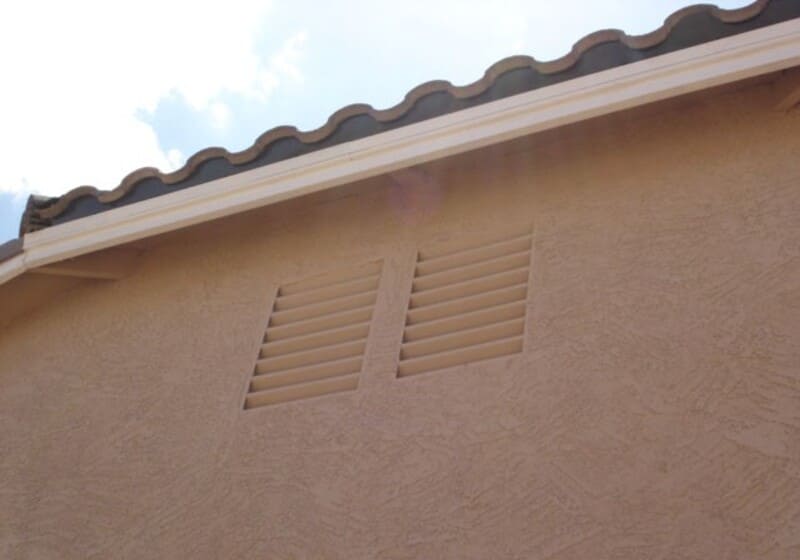
We all understand the importance of a healthy roof for keeping a home in great condition. But what’s one often overlooked area that plays a huge role in a roof’s performance and efficiency? Ventilation. Here, we’ll go over how to determine whether you need better roof and attic ventilation. Why is Good Ventilation So Important? When we refer to roof ventilation, we’re not talking about anything complicated or mysterious. We still mean airflow, or circulation. Roof ventilation requires consistent airflow to function properly. This is typically achieved mechanically, through a power source, or naturally, using the stack effect or the wind effect. The stack effect occurs when hot air rises and creates pressure in the attic. In order to avoid growing too hot, the hot air, known as exhaust, needs a means for escaping through the roof. Exhaust cannot escape an attic without cool, lower-pressure air entering the attic, air known as intake. Exhaust and intake work together to keep airflow steady and create a well-ventilated attic. If this circulatory system isn’t adequate, your roof could experience a number of problems. Attic Ventilation: Telltale Signs You Need More Ice dams Ice buildup on a roof is known as ice damming.

Read More »

How Long Your Appliance Will Last

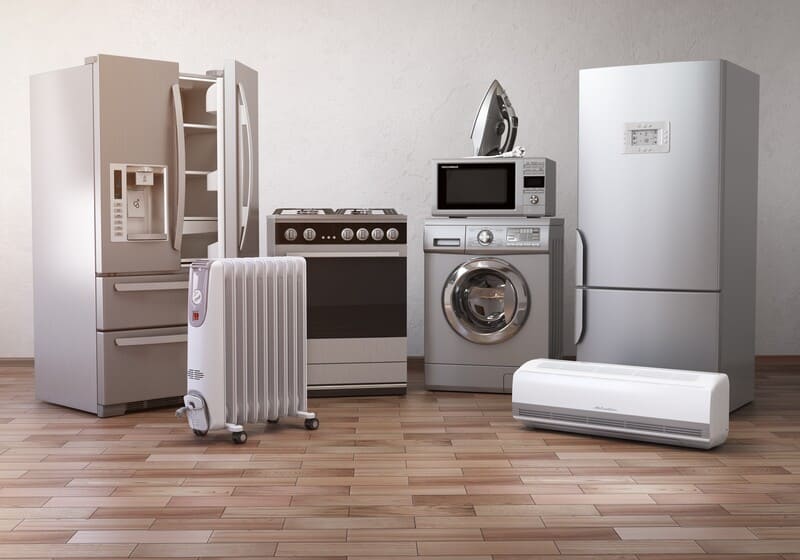
Whether you’re getting ready to move into your new home with its own set of aging appliances, or you’re just taking stock of the ones you already own, it’s helpful to know just how much life they have left in them. New homeowners typically forget to budget for the average of $9,000 in hidden expenses they’ll run into in the first months and years of home ownership, and appliances are a substantial part of that expense. Here’s a breakdown of how long your home appliances should last, and how you can lengthen their lifespans to save money in the long run. For All Appliances Before we get started, the numbers you’ll see below are averages. You can get a rough estimate of how long your appliances have left before they give up the ghost based solely on their age, but what’s more important is how much use they get. A washing machine that handles clothes for a family of 5 will see a lot more action than a bachelor’s, for example, which will shorten its lifespan accordingly. Oven Range: 13-15 Years Whether you have a gas, electric or induction range, they tend to have similar lifespans. The best way to

Read More »

Opening Your Pool for the Summer: A Definitive Checklist

Opening the pool for summer can certainly seem like a daunting task. After all, you just never know what you might find under that cover, and it’s easy to let your imagination run wild. But we promise it’s not so bad! We’re here to give you a quick refresher course and break down the process into manageable chunks. All you’ll need is a friend to help you, start-up chemicals and a list of items you should have on hand from your pool’s previous season: Get your start-up chemicals ready. Most pools will need their chemical makeup adjusted after being dormant all winter, so a trip to your local pool supply store is probably in order. You can buy a start-up kit for about $30 that contains everything you need, including algaecide, water clarifier, chlorine, pH increaser, pH decreaser, metal sequestrant, alkalinity increaser and calcium hardness increaser. Depending on your pool’s size and unique chemical composition, you may need to go back for an extra dose of one or more of the above. Clean off your pool cover. Chances are, your pool cover is holding standing water, leaves and other debris. This is where your pool cover pump and soft broom

Read More »

Your Simple Spring Lawn Care Guide

Everyone wants a lush, green lawn when springtime comes around, and luckily it’s easy to accomplish with some simple care and maintenance. Here’s your spring lawn care guide to help you get the best grass in the neighborhood! Clean Up Your Yard Your grass has been lying dormant all winter, so to give it the best environment possible for healthy growth in the spring, you need to do some simple cleanup. That means picking up branches and other fallen debris, raking up any leaves you may have missed last fall, and clearing any thatch that’s accumulated. Wait, what’s thatch? As individual blades of grass die, they fall and form a matted layer on the soil of your yard. If the thatch layer gets thick enough it can cause real problems for the health of your lawn, so it’s important to get rid of it periodically by giving your grass a deep, thorough raking. Address Bare Spots in Your Lawn Whether you’re dealing with dog pee spots, heavy traffic areas or insect larvae infestations, you want every square inch of your yard looking its best. This starts with overseeding your lawn, or applying grass seed to the bare spots. Spring isn’t

Read More »

How to Flush Your Hot Water Heater the Easy Way

We’ll bet on the fact that you haven’t thought about flushing your hot water heater in awhile—if ever. But, while it’s one of those tasks that’s easy to forget, it’s necessary for maintaining an efficient system that lasts for the duration of its life expectancy (about eight to 12 years). Why is Flushing Your Hot Water Heater Important? Over time, hot water heaters collect sediment, or mineral deposits, at the bottom. These mineral deposits are typically the result of hard water. If your hot water heater doesn’t get flushed over the course of years, it can lead to a premature breakdown or even a burst tank. How often you’ll need to flush your hot water heater depends on how hard your water is. Coastal and southeastern states typically don’t experience hard water to the degree that Midwestern and western states do. For those living in states with softer water, once every three years is a good rule of thumb, and for those with harder water, flushing once a year is a good idea. How to Flush Your Hot Water Heater Hot water heaters generally fall into two types: gas and electric. How each type is flushed is similar except for

Read More »

Everything You Need to Know About Attic and Roof Ventilation

We all understand the importance of a healthy roof for keeping a home in great condition. But what’s one often overlooked area that plays a huge role in a roof’s performance and efficiency? Ventilation. Here, we’ll go over how to determine whether you need better roof and attic ventilation. Why is Good Ventilation So Important? When we refer to roof ventilation, we’re not talking about anything complicated or mysterious. We still mean airflow, or circulation. Roof ventilation requires consistent airflow to function properly. This is typically achieved mechanically, through a power source, or naturally, using the stack effect or the wind effect. The stack effect occurs when hot air rises and creates pressure in the attic. In order to avoid growing too hot, the hot air, known as exhaust, needs a means for escaping through the roof. Exhaust cannot escape an attic without cool, lower-pressure air entering the attic, air known as intake. Exhaust and intake work together to keep airflow steady and create a well-ventilated attic. If this circulatory system isn’t adequate, your roof could experience a number of problems. Attic Ventilation: Telltale Signs You Need More Ice dams Ice buildup on a roof is known as ice damming.

Read More »

How Long Your Appliance Will Last

Whether you’re getting ready to move into your new home with its own set of aging appliances, or you’re just taking stock of the ones you already own, it’s helpful to know just how much life they have left in them. New homeowners typically forget to budget for the average of $9,000 in hidden expenses they’ll run into in the first months and years of home ownership, and appliances are a substantial part of that expense. Here’s a breakdown of how long your home appliances should last, and how you can lengthen their lifespans to save money in the long run. For All Appliances Before we get started, the numbers you’ll see below are averages. You can get a rough estimate of how long your appliances have left before they give up the ghost based solely on their age, but what’s more important is how much use they get. A washing machine that handles clothes for a family of 5 will see a lot more action than a bachelor’s, for example, which will shorten its lifespan accordingly. Oven Range: 13-15 Years Whether you have a gas, electric or induction range, they tend to have similar lifespans. The best way to

Read More »

Opening Your Pool for the Summer: A Definitive Checklist

Opening the pool for summer can certainly seem like a daunting task. After all, you just never know what you might find under that cover, and it’s easy to let your imagination run wild. But we promise it’s not so bad! We’re here to give you a quick refresher course and break down the process into manageable chunks. All you’ll need is a friend to help you, start-up chemicals and a list of items you should have on hand from your pool’s previous season: Get your start-up chemicals ready. Most pools will need their chemical makeup adjusted after being dormant all winter, so a trip to your local pool supply store is probably in order. You can buy a start-up kit for about $30 that contains everything you need, including algaecide, water clarifier, chlorine, pH increaser, pH decreaser, metal sequestrant, alkalinity increaser and calcium hardness increaser. Depending on your pool’s size and unique chemical composition, you may need to go back for an extra dose of one or more of the above. Clean off your pool cover. Chances are, your pool cover is holding standing water, leaves and other debris. This is where your pool cover pump and soft broom

Read More »

Your Simple Spring Lawn Care Guide

Everyone wants a lush, green lawn when springtime comes around, and luckily it’s easy to accomplish with some simple care and maintenance. Here’s your spring lawn care guide to help you get the best grass in the neighborhood! Clean Up Your Yard Your grass has been lying dormant all winter, so to give it the best environment possible for healthy growth in the spring, you need to do some simple cleanup. That means picking up branches and other fallen debris, raking up any leaves you may have missed last fall, and clearing any thatch that’s accumulated. Wait, what’s thatch? As individual blades of grass die, they fall and form a matted layer on the soil of your yard. If the thatch layer gets thick enough it can cause real problems for the health of your lawn, so it’s important to get rid of it periodically by giving your grass a deep, thorough raking. Address Bare Spots in Your Lawn Whether you’re dealing with dog pee spots, heavy traffic areas or insect larvae infestations, you want every square inch of your yard looking its best. This starts with overseeding your lawn, or applying grass seed to the bare spots. Spring isn’t

Read More »