Category: Home Maintenance

How to Patch Up a Hole in Your Drywall

Holes and dents in your drywall can be one of the more aggravating things you have to deal with as a homeowner. Maybe you accidentally slammed a piece of furniture into the wall, a door handle left a puncture mark, or your kids got too rowdy playing ball in the house. Whatever the reason, you might be wondering about the best way to patch things up. Before You Begin There are a couple of things you need to do before you start cutting into your wall. First, check that the area is free from pipes or wiring. You don’t want to turn a small, fixable problem into a larger and more costly one. Also if you realize that it’s a bigger project than what you feel comfortable with, it’s best to call for backup. If you decide to tackle things yourself, you’ll need some tools: As you gather everything you need, get a pair of safety goggles and a dust mask to keep bits of paint and drywall out of your eyes and respiratory system. Square Off the Hole Holes that are larger than four inches in diameter have to be squared off and covered with new drywall. Using a


Read More »

Simple Tips to Keep Your Plumbing Flowing

Your home’s plumbing requires continual maintenance in order to function properly. However, that can be easier said than done. It doesn’t take much to clog or damage your pipes, and you could find yourself paying for expensive repairs. Luckily, a little bit of preventative action on your part can help you avoid a larger issue. A lot can happen to your plumbing. There’s a multitude of reasons that your plumbing is struggling. From a child’s toy lodged in the toilet to a crack somewhere down the line, it could take a bit of work to correctly identify and treat the cause. Some of the most common problems are: Roots are also a top cause for your pipes to become broken. Trees, bushes, and other vegetation are attracted to the water from a leaky pipe and can grow in small cracks. Since most plants grow relatively slow, it could take years before you notice. Don’t rely on your garbage disposal. If your sink has a garbage disposal, don’t rely on it to chop up everything. Not all the food gets ground up completely and certain foods can clump together in your drain. Dump your leftovers into a trashcan, and when you

Read More »

Ensure Your Pool is Safe for Summer Fun

As you get your pool in shape for the season, take a moment to go over your safety checklist. While a fun way to take a break from the summertime heat, pools also can be dangerous areas for young children and pets. Here’s what you need to do to keep everyone safe and cool. “I don’t have kids or pets, do I still need to take precautions?” Even if you don’t have young kids or pets, you should still make a safe swimming environment for them. It’s been shown that curious children and animals can wander into a pool area and find themselves in drowning danger. In fact, some states may even require you to implement security systems to prevent this. Florida for example requires you to have an approved pool cover and surrounding barrier at least four feet tall. Even individual counties could have requirements to post signage around residential pools. In this case, it’s always best to check local, state, and also federal laws to see what you need to do. Clean your pool of toys and floats. Kids are easily enticed by fun objects like pool floats and other toys that they see in the water. This

Read More »

How to Handle Mold in Your Attic

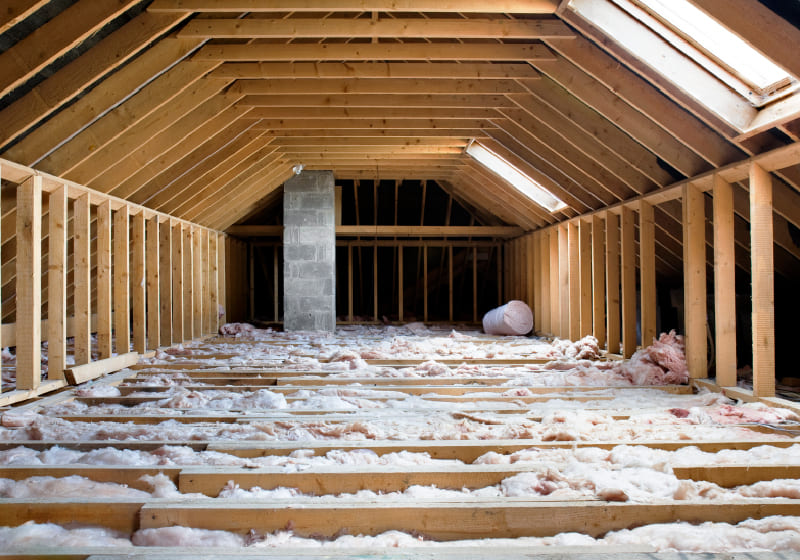
Attic mold is one of the most common maintenance issues, with thousands of homes each year requiring an infestation removal. Attics are notorious for producing the right conditions for a mold outbreak, as there can be an excess of moisture if your roof isn’t properly sealed. Unless you consistently check your attic for mold and other issues, the problem can quickly grow out of control and turn into an expensive repair. Luckily, there are ways for you to stop mold before it appears. What Causes Mold?The main reason that mold forms in your home is a large amount of moisture accumulation. If you live in an area that has humid summers, the chances of mold growth increase. Attics that aren’t well ventilated trap moisture and don’t allow for the wooden beams to properly dry out. Ventilation is also important when it comes to your kitchen stove, bathroom fans, and even your dryer. Appliances that don’t correctly exit through your roof can deposit water droplets in your attic as well. Even a small hole in your shingles or a gap between your roof and gutters creates an opening for water intrusion. How to Spot MoldThere are several ways you can tell

Read More »

Should You Get a Storm Door?

A storm door can be a nice finishing touch to your home’s entryway. The storm doors of today have long evolved from the old screen style that your grandparents might’ve owned. They come in a variety of styles and colors to make finding the right fit easier. But aside from looks, what other purpose do storm doors serve? Are they a worthwhile purchase, or simply something you can go on without? Customization You have a ton of options when it comes to choosing a storm door. They can come in vinyl, wood, aluminum, or fiberglass material depending on which you prefer. Storm doors feature either a full-length window, or some models have a half or three-quarters window that can slide down into a screen. Privacy screens can even be placed in between the glass, and handles and hinges can all be designed to match the rest of your home’s facade. More Than Looks Storm doors offer more than just a quick spruce-up for your home. Just as their name implies, they add an extra layer of protection from extreme weather like rain and snow. A locked storm door can also deter burglars from trying to break in. Along with keeping

Read More »

Celebrate Home Safety Month by Improving Your Home!

With June being National Home Safety Month in both the United States and Canada, it’s a great opportunity for you to give your house a thorough checkup! Even if you just moved into a new build, there could still be any number of hidden issues with its components. Take some time over the next month to protect you and your family from some of these commonly overlooked problems. Radon Reduction Radon is very common in both the U.S. and Canada, and it’s the second leading cause of lung cancer. It’s an odorless and colorless gas which makes it practically impossible to detect without some sort of monitoring device. Homes both old and new are susceptible to radon, so you shouldn’t assume you’re completely free of it. The most effective way to know how much radon is in your home is to buy a tester. Consistent testing lets you keep an eye on accumulation levels so that you can act quickly to stay safe. Check Wiring Electrical fires account for nearly 24,000 home fires each year. Your home’s wiring is one of its largest components, so you need to be certain it’s in top condition. Loose outlets should be repaired or

Read More »

Top 10 Summer Home Maintenance Projects

Summer is the perfect time to tackle all those big tasks on your to-do list. Here are the top 10 chores you should do to keep your home looking great and its components running smoothly. Clean Your HVAC Cleaning your HVAC system can help prolong its life and improve its efficiency. Inside your home: Outside your home: Clean Your Grill Grease accumulation on your grill could present a fire hazard. Consider a cleaning routine after each use, and a more detailed cleaning 1-2 times per season. Deck and Patio Maintenance Lack of maintenance with your deck can present numerous safety issues. In addition, a run-down deck can detract from your home’s curb appeal. Pest Control Warmer weather brings about more wildlife, which can be both a concern to your home’s physical structure and your personal health. It’s a good idea to have your home professionally treated on a scheduled basis. Clean Ceiling Fans One of the possible reasons your fan “wobbles” while running is that the fan blades have a dust or dirt buildup. Clean Window Screens Cleaning your windows is one of those routine maintenance items that’s often forgotten. Generally, all you’ll need is a bucket of water with

Read More »

5 Easy Ways to Save on Your AC Bill

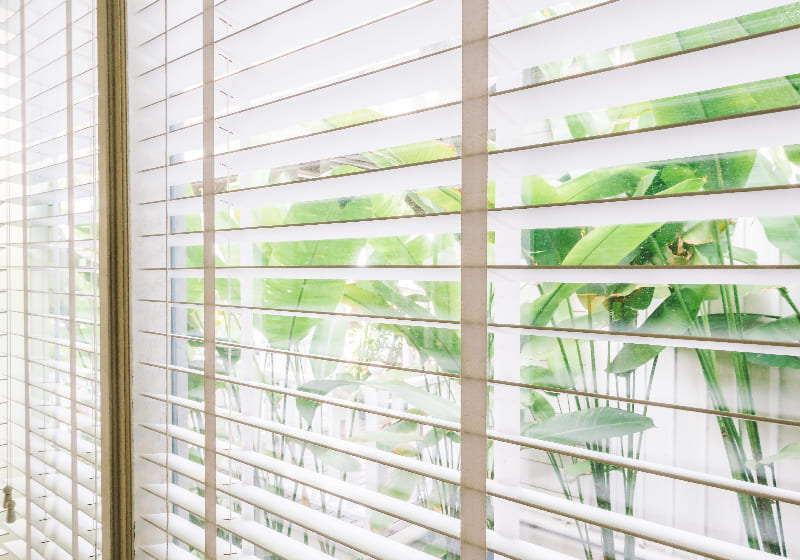
Everyone looks forward to the warm weather that the summer season brings–until it turns their house into a sauna. With above-average temperatures projected for this year, you might find yourself staying inside more and cranking up the air in an effort to beat the heat. However, running your AC on high all summer puts a strain on your cooling system and your bank account. Here are our tips on how you can still keep cool, extend your HVAC’s life, and lower your bills all at once! 1. Open Things UpIt seems counterproductive to open your house during a heat wave, but doing so during certain periods of the day can actually help cool it off. The early morning or late night hours tend to be cooler than the middle of the day and you can use it to your advantage. A nice, refreshing breeze through your home simulates your air conditioner and blows out all that stuffy air that comes from keeping your house sealed up. Check out the weather forecast to determine the best time to crack your windows. Setting up a few box fans by your windows can really get air moving. 2. Block Out Direct RaysYour home’s

Read More »

High and Dry: Making Sure You Optimize Your Dryer’s Life

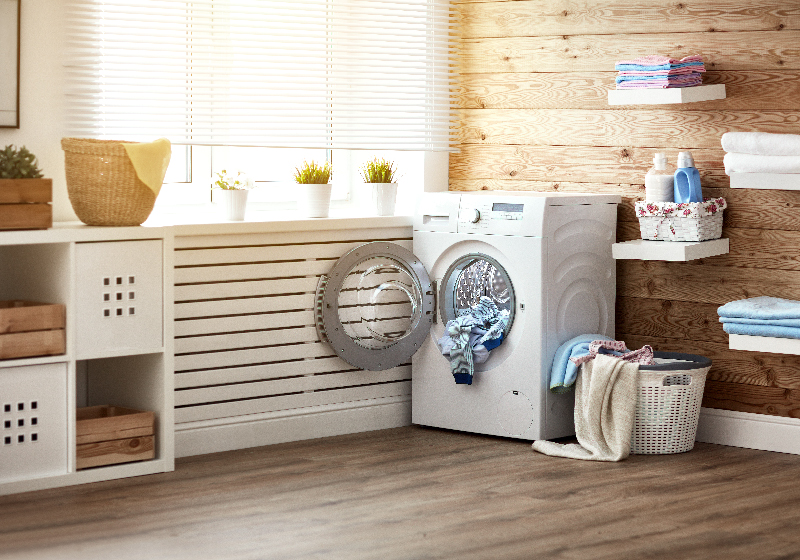
Your washer and dryer are two of the most used appliances in your home. And if you don’t take proper care of them, you could drastically cut their lifespan. There’s also potential for danger. Almost 16,000 house fires are started each year by dryers that have large amounts of lint stuck in the trap and in the vent. Just a small bit of maintenance every so often can help protect your home and your family from a scary situation. When to Clean If you’ve noticed that your clothes are taking more cycles to dry, it’s the right time to clean. A full trap obstructs airflow and prevents your dryer from fully heating. Your dryer’s lint trap should be cleaned after every use in order to avoid blockages and keep it working correctly. Even if there isn’t much to clean off, you shouldn’t let the lint accumulate into a big pile. For your vents, it’s best to give them a deep clean once every 10-12 months. What You’ll Need Luckily you won’t need special equipment to clean your dryer– you can find what you’ll need around your home. You can also pick up specialized brushes that’ll allow you to get into

Read More »

Getting Your Gutters in Shape for Spring and Summer

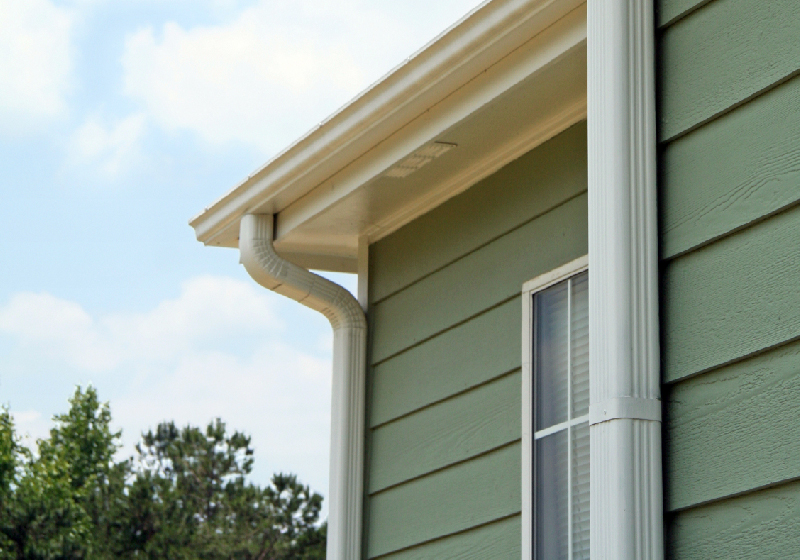
Your gutters do a lot of work to protect your home, and it’s essential that they’re in top condition. Heavy rains, harsh sunlight, and time all take a toll on the effectiveness of your home’s gutters. As we approach the wet part of the year, one of the things at the top of your spring cleaning list should be to prepare your home’s drainage system. Check for Winter Damage If you experienced a deep freeze over winter, your gutters could’ve been pushed to their limit. The weight of snow and icicles can cause them to bend and pull away from your house. Freezing rain and hail can also create dents and holes in gutters and affect how well they funnel water. As it starts to warm up and things begin to thaw, go outside and thoroughly examine your gutters. Check for holes and any signs that your gutters are coming loose. Take note of small issues and keep an eye on them, as they could become larger problems in the future. Clean Debris Out To get a better understanding of how well your gutters are holding up, you’ll first have to give them a good cleaning. Scoop out leaves, twigs,

Read More »

How to Patch Up a Hole in Your Drywall

Holes and dents in your drywall can be one of the more aggravating things you have to deal with as a homeowner. Maybe you accidentally slammed a piece of furniture into the wall, a door handle left a puncture mark, or your kids got too rowdy playing ball in the house. Whatever the reason, you might be wondering about the best way to patch things up. Before You Begin There are a couple of things you need to do before you start cutting into your wall. First, check that the area is free from pipes or wiring. You don’t want to turn a small, fixable problem into a larger and more costly one. Also if you realize that it’s a bigger project than what you feel comfortable with, it’s best to call for backup. If you decide to tackle things yourself, you’ll need some tools: As you gather everything you need, get a pair of safety goggles and a dust mask to keep bits of paint and drywall out of your eyes and respiratory system. Square Off the Hole Holes that are larger than four inches in diameter have to be squared off and covered with new drywall. Using a
Read More »

Simple Tips to Keep Your Plumbing Flowing

Your home’s plumbing requires continual maintenance in order to function properly. However, that can be easier said than done. It doesn’t take much to clog or damage your pipes, and you could find yourself paying for expensive repairs. Luckily, a little bit of preventative action on your part can help you avoid a larger issue. A lot can happen to your plumbing. There’s a multitude of reasons that your plumbing is struggling. From a child’s toy lodged in the toilet to a crack somewhere down the line, it could take a bit of work to correctly identify and treat the cause. Some of the most common problems are: Roots are also a top cause for your pipes to become broken. Trees, bushes, and other vegetation are attracted to the water from a leaky pipe and can grow in small cracks. Since most plants grow relatively slow, it could take years before you notice. Don’t rely on your garbage disposal. If your sink has a garbage disposal, don’t rely on it to chop up everything. Not all the food gets ground up completely and certain foods can clump together in your drain. Dump your leftovers into a trashcan, and when you

Read More »

Ensure Your Pool is Safe for Summer Fun

As you get your pool in shape for the season, take a moment to go over your safety checklist. While a fun way to take a break from the summertime heat, pools also can be dangerous areas for young children and pets. Here’s what you need to do to keep everyone safe and cool. “I don’t have kids or pets, do I still need to take precautions?” Even if you don’t have young kids or pets, you should still make a safe swimming environment for them. It’s been shown that curious children and animals can wander into a pool area and find themselves in drowning danger. In fact, some states may even require you to implement security systems to prevent this. Florida for example requires you to have an approved pool cover and surrounding barrier at least four feet tall. Even individual counties could have requirements to post signage around residential pools. In this case, it’s always best to check local, state, and also federal laws to see what you need to do. Clean your pool of toys and floats. Kids are easily enticed by fun objects like pool floats and other toys that they see in the water. This

Read More »

How to Handle Mold in Your Attic

Attic mold is one of the most common maintenance issues, with thousands of homes each year requiring an infestation removal. Attics are notorious for producing the right conditions for a mold outbreak, as there can be an excess of moisture if your roof isn’t properly sealed. Unless you consistently check your attic for mold and other issues, the problem can quickly grow out of control and turn into an expensive repair. Luckily, there are ways for you to stop mold before it appears. What Causes Mold?The main reason that mold forms in your home is a large amount of moisture accumulation. If you live in an area that has humid summers, the chances of mold growth increase. Attics that aren’t well ventilated trap moisture and don’t allow for the wooden beams to properly dry out. Ventilation is also important when it comes to your kitchen stove, bathroom fans, and even your dryer. Appliances that don’t correctly exit through your roof can deposit water droplets in your attic as well. Even a small hole in your shingles or a gap between your roof and gutters creates an opening for water intrusion. How to Spot MoldThere are several ways you can tell

Read More »

Should You Get a Storm Door?

A storm door can be a nice finishing touch to your home’s entryway. The storm doors of today have long evolved from the old screen style that your grandparents might’ve owned. They come in a variety of styles and colors to make finding the right fit easier. But aside from looks, what other purpose do storm doors serve? Are they a worthwhile purchase, or simply something you can go on without? Customization You have a ton of options when it comes to choosing a storm door. They can come in vinyl, wood, aluminum, or fiberglass material depending on which you prefer. Storm doors feature either a full-length window, or some models have a half or three-quarters window that can slide down into a screen. Privacy screens can even be placed in between the glass, and handles and hinges can all be designed to match the rest of your home’s facade. More Than Looks Storm doors offer more than just a quick spruce-up for your home. Just as their name implies, they add an extra layer of protection from extreme weather like rain and snow. A locked storm door can also deter burglars from trying to break in. Along with keeping

Read More »

Celebrate Home Safety Month by Improving Your Home!

With June being National Home Safety Month in both the United States and Canada, it’s a great opportunity for you to give your house a thorough checkup! Even if you just moved into a new build, there could still be any number of hidden issues with its components. Take some time over the next month to protect you and your family from some of these commonly overlooked problems. Radon Reduction Radon is very common in both the U.S. and Canada, and it’s the second leading cause of lung cancer. It’s an odorless and colorless gas which makes it practically impossible to detect without some sort of monitoring device. Homes both old and new are susceptible to radon, so you shouldn’t assume you’re completely free of it. The most effective way to know how much radon is in your home is to buy a tester. Consistent testing lets you keep an eye on accumulation levels so that you can act quickly to stay safe. Check Wiring Electrical fires account for nearly 24,000 home fires each year. Your home’s wiring is one of its largest components, so you need to be certain it’s in top condition. Loose outlets should be repaired or

Read More »

Top 10 Summer Home Maintenance Projects

Summer is the perfect time to tackle all those big tasks on your to-do list. Here are the top 10 chores you should do to keep your home looking great and its components running smoothly. Clean Your HVAC Cleaning your HVAC system can help prolong its life and improve its efficiency. Inside your home: Outside your home: Clean Your Grill Grease accumulation on your grill could present a fire hazard. Consider a cleaning routine after each use, and a more detailed cleaning 1-2 times per season. Deck and Patio Maintenance Lack of maintenance with your deck can present numerous safety issues. In addition, a run-down deck can detract from your home’s curb appeal. Pest Control Warmer weather brings about more wildlife, which can be both a concern to your home’s physical structure and your personal health. It’s a good idea to have your home professionally treated on a scheduled basis. Clean Ceiling Fans One of the possible reasons your fan “wobbles” while running is that the fan blades have a dust or dirt buildup. Clean Window Screens Cleaning your windows is one of those routine maintenance items that’s often forgotten. Generally, all you’ll need is a bucket of water with

Read More »

5 Easy Ways to Save on Your AC Bill

Everyone looks forward to the warm weather that the summer season brings–until it turns their house into a sauna. With above-average temperatures projected for this year, you might find yourself staying inside more and cranking up the air in an effort to beat the heat. However, running your AC on high all summer puts a strain on your cooling system and your bank account. Here are our tips on how you can still keep cool, extend your HVAC’s life, and lower your bills all at once! 1. Open Things UpIt seems counterproductive to open your house during a heat wave, but doing so during certain periods of the day can actually help cool it off. The early morning or late night hours tend to be cooler than the middle of the day and you can use it to your advantage. A nice, refreshing breeze through your home simulates your air conditioner and blows out all that stuffy air that comes from keeping your house sealed up. Check out the weather forecast to determine the best time to crack your windows. Setting up a few box fans by your windows can really get air moving. 2. Block Out Direct RaysYour home’s

Read More »

High and Dry: Making Sure You Optimize Your Dryer’s Life

Your washer and dryer are two of the most used appliances in your home. And if you don’t take proper care of them, you could drastically cut their lifespan. There’s also potential for danger. Almost 16,000 house fires are started each year by dryers that have large amounts of lint stuck in the trap and in the vent. Just a small bit of maintenance every so often can help protect your home and your family from a scary situation. When to Clean If you’ve noticed that your clothes are taking more cycles to dry, it’s the right time to clean. A full trap obstructs airflow and prevents your dryer from fully heating. Your dryer’s lint trap should be cleaned after every use in order to avoid blockages and keep it working correctly. Even if there isn’t much to clean off, you shouldn’t let the lint accumulate into a big pile. For your vents, it’s best to give them a deep clean once every 10-12 months. What You’ll Need Luckily you won’t need special equipment to clean your dryer– you can find what you’ll need around your home. You can also pick up specialized brushes that’ll allow you to get into

Read More »

Getting Your Gutters in Shape for Spring and Summer

Your gutters do a lot of work to protect your home, and it’s essential that they’re in top condition. Heavy rains, harsh sunlight, and time all take a toll on the effectiveness of your home’s gutters. As we approach the wet part of the year, one of the things at the top of your spring cleaning list should be to prepare your home’s drainage system. Check for Winter Damage If you experienced a deep freeze over winter, your gutters could’ve been pushed to their limit. The weight of snow and icicles can cause them to bend and pull away from your house. Freezing rain and hail can also create dents and holes in gutters and affect how well they funnel water. As it starts to warm up and things begin to thaw, go outside and thoroughly examine your gutters. Check for holes and any signs that your gutters are coming loose. Take note of small issues and keep an eye on them, as they could become larger problems in the future. Clean Debris Out To get a better understanding of how well your gutters are holding up, you’ll first have to give them a good cleaning. Scoop out leaves, twigs,

Read More »