
Category: Home Maintenance

Turn Up the Heat: Prepping Your HVAC System for Winter

As the colder months roll in, it’s time to start preparing your home for chilly weather. One item you need to have on your weatherization to-do list is readying your HVAC system. Especially in locations that get sub-zero temperatures, your heating system will start working overtime. But before you flip on your heater, you need to ensure that it’s ready to go. Change out your air filters. Prior to turning your heater on, swap out the old air filters. These are one of the most important components of keeping your HVAC running efficiently. Clean air filters will also help if you suffer from allergies by cutting down on the amount of dust that’s recycled through your home. There are certain filters that are less porous and catch more dirt to cut down on allergens. However, these styles can hinder airflow and make your HVAC overheat. Clear space around your heater and vents. Being able to easily access your heater is essential to maintaining it. That means moving any furniture, boxes, or kid’s toys that are blocking your path. Keep about a three-foot radius around your heater to allow for maintenance work and prevent anything nearby from catching on fire. If

Read More »

Make Your Home Fire-Safe this October

October is here! While this autumnal month is most commonly associated with tricks and treats, it’s also recognized in both the United States and Canada as Fire Prevention Month. The first week of October has also been designated Fire Prevention Week in both countries. Close to 360,000 home fires occur annually, with many of them being preventable. To make your home fire-safe this year, here’s what you need to know. Have multiple fire extinguishers at the ready. A portable fire extinguisher can help stop a fire before it gets out of control. According to the National Association of Fire Equipment Distributors (NAFED), fire extinguishers are successful in extinguishing 95 percent of house fires. When they can’t fully put out a fire, extinguishers can effectively contain it until emergency services arrive. There are different variations of fire extinguishers, so it’s important that you have the right style for your home. Keep one on each level of your house in places where there are lots of appliances, mechanical equipment, or chemicals. Clean out your dryer’s lint trap. If it’s been a while since you last cleaned your dryer’s lint trap (or if you never have), start making it a regular habit. Lint

Read More »

Best Tips to Remove Carpet Stains

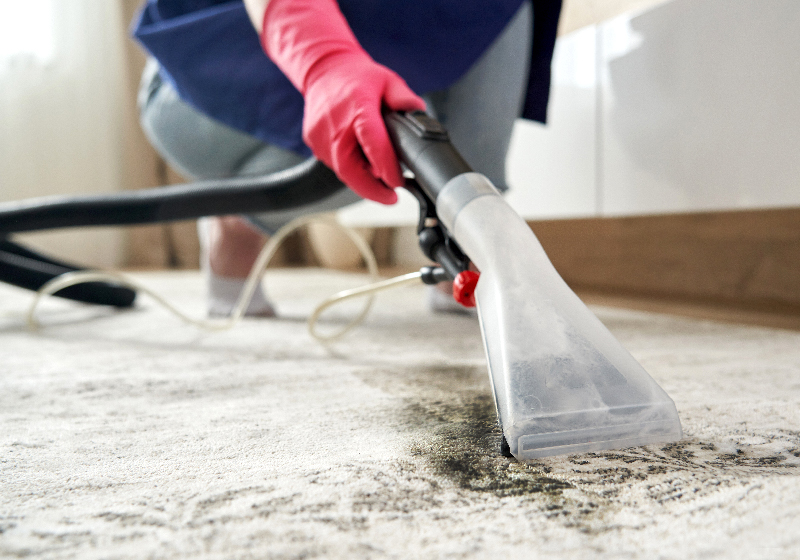
The right carpet can really tie a room together by adding both comfort and style. It can also add some extra cleaning work. Pets, kids, and normal wear and tear dirty up your carpet and turn it from “chic” to “ick.” Luckily, there are some easy remedies to salvage your stylish carpet and prolong its lifespan. Stains in All Shapes and Sizes Anything from mud to Merlot can cause you to stress about having a giant spot on your carpet forever. A few of the most common stains are: General Rules to Remember When it comes to what you spill, each substance has special instructions. How you clean up muddy pet prints will differ from ground-in gum. That said, there are a few generic tips you can apply to any stain. First, you’ll want to start from the outside and work your way in. Removing the excess will make the spot easier to work with. Next, you’ll want to incorporate some sort of cleaner whether it be club soda, a vinegar solution, or store-bought chemicals. Lastly, remember to blot, not wipe. You’ll keep from driving the spill deeper and leaving an unsightly stain. Cleaning Drinks and Other Liquids As soon

Read More »

Wallpaper Sticking Around Home Design in 2021

If you’re looking for a way to brighten up that bare wallspace, fresh wallpaper could be what you need! While wallpaper has seemingly faded since its heyday, new styles have breathed life back into the design trend. Homeowners are customizing wall coverings to give a throwback feel with a modern twist. The History of Wallpaper Wallpaper first became popular at the very beginning of the 20th century. Most houses had plain wooden planks for walls, and wallpaper helped cover any blemishes and add color to rooms. As time wore on, builders began utilizing drywall or other materials, and wallpaper wasn’t as necessary. In fact, you may have removed old wallpaper in your own house at some point. But now wallpaper is being revived with new patterns and an easier application process. It’s even estimated that the resurgence of wallpaper could turn it into a multi-billion dollar industry by 2026. Stick, Don’t Glue It used to be that wallpapering your home was a major decision. You’d better love the pattern you chose because it would likely be there forever–it was notoriously difficult to remove. Not to mention the old glue could rip up existing paint and create an even bigger makeover

Read More »

Get the Most Out of Your Home Listing

Trying to get the most money for your home can feel like navigating through a maze at times. You try to figure out your local market and price your house competitively, but you’re still struggling to get good offers. As you work with your agent, they’ll likely give you advice on how to optimize your listing. Here are a few tips to draw the perfect buyer to your home. Spruce Up Your Listing To make a great first impression with buyers, start by creating a strong listing. Each part from your pictures to the description of the house should be as accurate as possible. If a buyer comes to tour and realizes things aren’t how they appear in your listing, it can turn them away from making an offer. Staging your home for photos makes all the difference in how buyers will assess it. To get your home picture ready, clean from top to bottom. All your belongings should be put away so that people can see each room in its entirety. If you have a storage area or large closet space you want to highlight, clear it out to show the full size. Lastly, use good lighting so each

Read More »

Protect Your Home from a Flooding Disaster

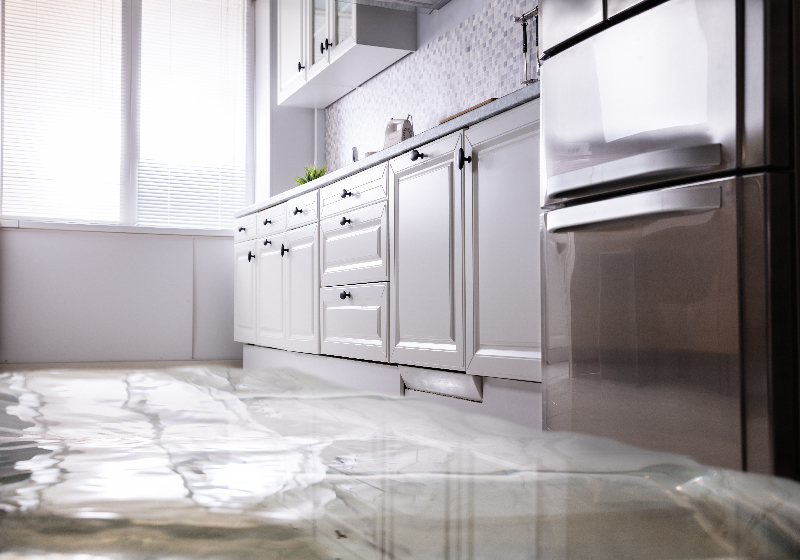
Water damage has cost homeowners billions of dollars in repairs. Hurricanes, flash floods, and other natural disasters can leave you homeless and wondering how you’ll pay for damages. While you can’t control the weather, you can prepare yourself and your home. A little water can be a big problem. Even if you’re not expecting heavy rainfall, a small amount can create a large issue for your home. Backed-up gutters can cause water to collect around the foundation of your home and make its way inside. If the ground around your home is too saturated or even too dry to hold rain, you could experience more rushing water than usual. Any time you’re supposed to get stormy weather, it’s best to watch the forecast and have an emergency preparedness plan. Understand how your home drains. Knowing how the land surrounding your home is graded gives you an advantage before the rain comes down. Ideally, you want any water to be directed away from the base of your home and towards a storm drain or nearby runoff. If you notice that water tends to collect around your home and not go anywhere, chances are you need to fix the grading. You can

Read More »

Maintaining Your Sprinkler System

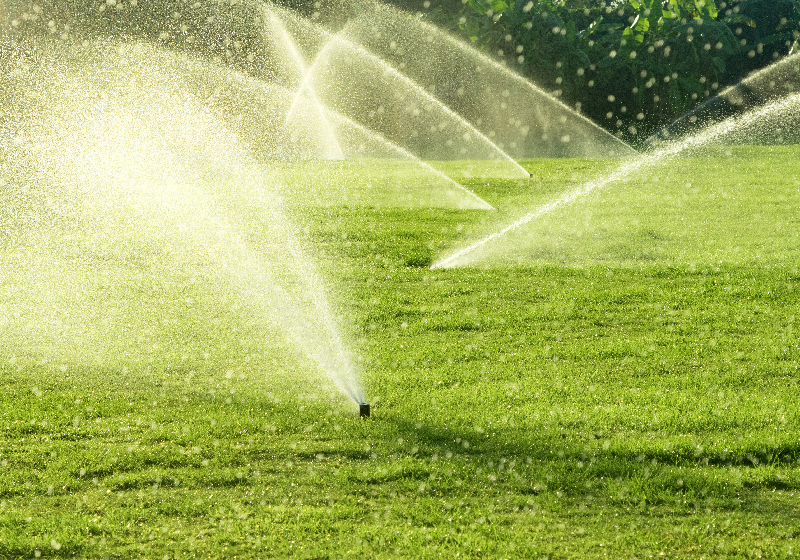
A sprinkler system is a great and easy way to keep your lawn looking fresh through the hot summer months. They also require continual maintenance to ensure you don’t turn your beautiful lawn into a pond. Here are some common issues that can come with a sprinkler system and how to fix them. Sunken Heads Over time, the composition of your lawn’s soil can change and shift around. This causes your irrigation system to sink and settle deeper into the ground, shortening the sprinkler heads. Sunken heads don’t have as much clearance above surrounding plants, and therefore don’t cover their intended area. If you notice lots of brown spots or pooled water, the culprit might be a sunken head. Simply digging around the head and adjusting the pipe and filling the space back in will straighten it out. Be careful as you dig to not hit and break the water pipe. Low Water Pressure Inefficient water pressure going through your system is another reason that the heads aren’t popping up all the way. It can also be the sign of a larger issue with your system. Low pressure could mean that there is a break or a leak somewhere along

Read More »

Should You Get a Builder’s Warranty Inspection?

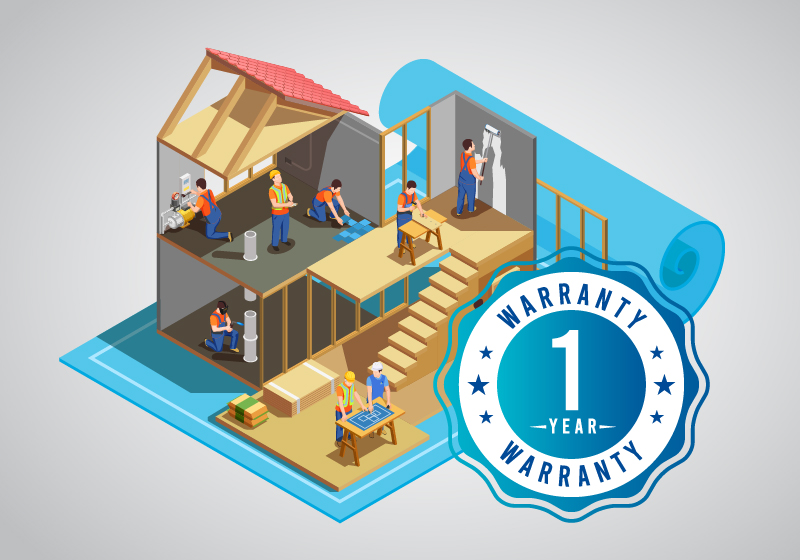
There’s no feeling quite like moving into your dream home, especially if you’ve watched with anticipation as it was being built from the ground up. If it’s your first home, then there’s double the cause for celebration! There can be a lot to learn about your home, from the foundation to the water heater, and you want to be sure that everything is functioning properly before your one-year warranty expires. That’s why it’s always a smart decision to get a builder’s warranty inspection. What’s a builder’s warranty and what does it do? After your home is finished, your builder will likely offer you a one-year warranty. This warranty is intended to cover any needed repairs up to one year after you’ve moved in. You protect yourself from any damage to your home, and it helps keep the builder accountable for their work. Getting a home inspection before your builder’s warranty expires will help catch potential issues early on, and could potentially save you thousands of dollars down the road. Aren’t you fine with just a municipal inspection? Your new home was likely assessed by municipal inspectors from the city or county to ensure it was safe to live in before

Read More »

Caring for Your Stucco Siding

Stucco is one of the most durable siding materials. Because of this, homes that use stucco can be some of the oldest, as they’re highly resistant to fire, rot, and insects. This makes upkeep easier than other forms of siding like vinyl or traditional wood. While you don’t, for the most part, need to do intensive maintenance, it’s still good to schedule in regular cleanings to keep your stucco in top shape. What Goes Into Stucco Stucco, sometimes called “plaster siding,” is a mix of different substances that hasn’t changed very much since it was first used. It’s common for stucco to only be on the outside of the home, but it’s also possible to have a stucco interior. The exterior portion traditionally has four layers, but newer methods only need two at the most. Builder’s sand, Portland cement, hydrated lime, water, and fiber are all mixed together to create the coating. For places where the earth shifts more, polymers are added to increase the siding’s flexibility. Use Water on Dirt Spots Because it’s so porous, stucco tends to collect dirt and grime fairly easily. Luckily, you don’t need more than a bucket of water and a brush to clean

Read More »

What to Know About Removing Wood Paneling

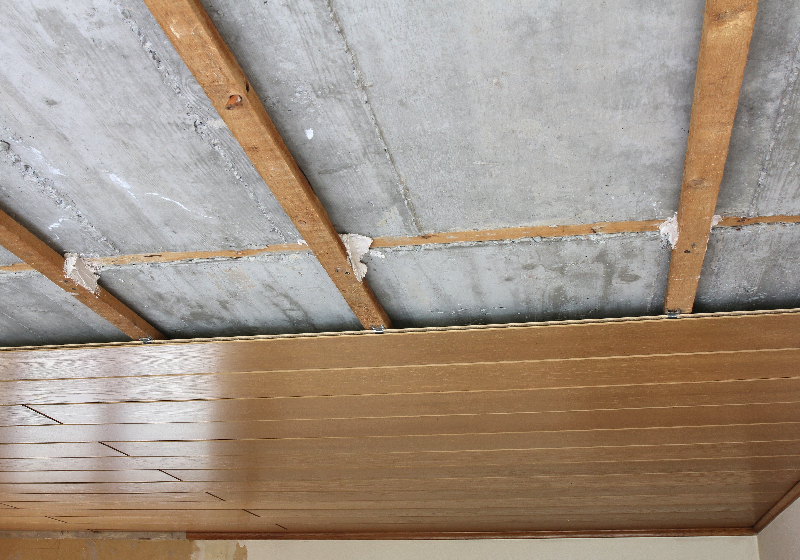
Homes of the past can be time capsules of design styles from long ago. From shag carpeting to floral wallpaper, these features can take you back in a house’s history. But you might feel as if your home looks a bit outdated for your liking. Wood paneling is a common style used in homes built from the 1950s through the 1970s whose heyday has certainly come and gone. The good news is that it doesn’t take much to do a quick update! Tools for the Job Removing wood paneling is relatively quick and easy, making it a great weekend project! As you get ready to demo, make sure that you have: You can also get the materials you need to hang drywall to replace the paneling. Depending on how big of an area you’re remodeling, it might be worth it to rent a dumpster so that everything gets disposed of properly. Set Up the Room As with any project, you want to protect the spots you aren’t going to be working on. Before you start ripping off any paneling, lay down plastic sheeting. This will prevent dust from getting everywhere and also catch loose nails. Take off any outlet covers

Read More »

Turn Up the Heat: Prepping Your HVAC System for Winter

As the colder months roll in, it’s time to start preparing your home for chilly weather. One item you need to have on your weatherization to-do list is readying your HVAC system. Especially in locations that get sub-zero temperatures, your heating system will start working overtime. But before you flip on your heater, you need to ensure that it’s ready to go. Change out your air filters. Prior to turning your heater on, swap out the old air filters. These are one of the most important components of keeping your HVAC running efficiently. Clean air filters will also help if you suffer from allergies by cutting down on the amount of dust that’s recycled through your home. There are certain filters that are less porous and catch more dirt to cut down on allergens. However, these styles can hinder airflow and make your HVAC overheat. Clear space around your heater and vents. Being able to easily access your heater is essential to maintaining it. That means moving any furniture, boxes, or kid’s toys that are blocking your path. Keep about a three-foot radius around your heater to allow for maintenance work and prevent anything nearby from catching on fire. If

Read More »

Make Your Home Fire-Safe this October

October is here! While this autumnal month is most commonly associated with tricks and treats, it’s also recognized in both the United States and Canada as Fire Prevention Month. The first week of October has also been designated Fire Prevention Week in both countries. Close to 360,000 home fires occur annually, with many of them being preventable. To make your home fire-safe this year, here’s what you need to know. Have multiple fire extinguishers at the ready. A portable fire extinguisher can help stop a fire before it gets out of control. According to the National Association of Fire Equipment Distributors (NAFED), fire extinguishers are successful in extinguishing 95 percent of house fires. When they can’t fully put out a fire, extinguishers can effectively contain it until emergency services arrive. There are different variations of fire extinguishers, so it’s important that you have the right style for your home. Keep one on each level of your house in places where there are lots of appliances, mechanical equipment, or chemicals. Clean out your dryer’s lint trap. If it’s been a while since you last cleaned your dryer’s lint trap (or if you never have), start making it a regular habit. Lint

Read More »

Best Tips to Remove Carpet Stains

The right carpet can really tie a room together by adding both comfort and style. It can also add some extra cleaning work. Pets, kids, and normal wear and tear dirty up your carpet and turn it from “chic” to “ick.” Luckily, there are some easy remedies to salvage your stylish carpet and prolong its lifespan. Stains in All Shapes and Sizes Anything from mud to Merlot can cause you to stress about having a giant spot on your carpet forever. A few of the most common stains are: General Rules to Remember When it comes to what you spill, each substance has special instructions. How you clean up muddy pet prints will differ from ground-in gum. That said, there are a few generic tips you can apply to any stain. First, you’ll want to start from the outside and work your way in. Removing the excess will make the spot easier to work with. Next, you’ll want to incorporate some sort of cleaner whether it be club soda, a vinegar solution, or store-bought chemicals. Lastly, remember to blot, not wipe. You’ll keep from driving the spill deeper and leaving an unsightly stain. Cleaning Drinks and Other Liquids As soon

Read More »

Wallpaper Sticking Around Home Design in 2021

If you’re looking for a way to brighten up that bare wallspace, fresh wallpaper could be what you need! While wallpaper has seemingly faded since its heyday, new styles have breathed life back into the design trend. Homeowners are customizing wall coverings to give a throwback feel with a modern twist. The History of Wallpaper Wallpaper first became popular at the very beginning of the 20th century. Most houses had plain wooden planks for walls, and wallpaper helped cover any blemishes and add color to rooms. As time wore on, builders began utilizing drywall or other materials, and wallpaper wasn’t as necessary. In fact, you may have removed old wallpaper in your own house at some point. But now wallpaper is being revived with new patterns and an easier application process. It’s even estimated that the resurgence of wallpaper could turn it into a multi-billion dollar industry by 2026. Stick, Don’t Glue It used to be that wallpapering your home was a major decision. You’d better love the pattern you chose because it would likely be there forever–it was notoriously difficult to remove. Not to mention the old glue could rip up existing paint and create an even bigger makeover

Read More »

Get the Most Out of Your Home Listing

Trying to get the most money for your home can feel like navigating through a maze at times. You try to figure out your local market and price your house competitively, but you’re still struggling to get good offers. As you work with your agent, they’ll likely give you advice on how to optimize your listing. Here are a few tips to draw the perfect buyer to your home. Spruce Up Your Listing To make a great first impression with buyers, start by creating a strong listing. Each part from your pictures to the description of the house should be as accurate as possible. If a buyer comes to tour and realizes things aren’t how they appear in your listing, it can turn them away from making an offer. Staging your home for photos makes all the difference in how buyers will assess it. To get your home picture ready, clean from top to bottom. All your belongings should be put away so that people can see each room in its entirety. If you have a storage area or large closet space you want to highlight, clear it out to show the full size. Lastly, use good lighting so each

Read More »

Protect Your Home from a Flooding Disaster

Water damage has cost homeowners billions of dollars in repairs. Hurricanes, flash floods, and other natural disasters can leave you homeless and wondering how you’ll pay for damages. While you can’t control the weather, you can prepare yourself and your home. A little water can be a big problem. Even if you’re not expecting heavy rainfall, a small amount can create a large issue for your home. Backed-up gutters can cause water to collect around the foundation of your home and make its way inside. If the ground around your home is too saturated or even too dry to hold rain, you could experience more rushing water than usual. Any time you’re supposed to get stormy weather, it’s best to watch the forecast and have an emergency preparedness plan. Understand how your home drains. Knowing how the land surrounding your home is graded gives you an advantage before the rain comes down. Ideally, you want any water to be directed away from the base of your home and towards a storm drain or nearby runoff. If you notice that water tends to collect around your home and not go anywhere, chances are you need to fix the grading. You can

Read More »

Maintaining Your Sprinkler System

A sprinkler system is a great and easy way to keep your lawn looking fresh through the hot summer months. They also require continual maintenance to ensure you don’t turn your beautiful lawn into a pond. Here are some common issues that can come with a sprinkler system and how to fix them. Sunken Heads Over time, the composition of your lawn’s soil can change and shift around. This causes your irrigation system to sink and settle deeper into the ground, shortening the sprinkler heads. Sunken heads don’t have as much clearance above surrounding plants, and therefore don’t cover their intended area. If you notice lots of brown spots or pooled water, the culprit might be a sunken head. Simply digging around the head and adjusting the pipe and filling the space back in will straighten it out. Be careful as you dig to not hit and break the water pipe. Low Water Pressure Inefficient water pressure going through your system is another reason that the heads aren’t popping up all the way. It can also be the sign of a larger issue with your system. Low pressure could mean that there is a break or a leak somewhere along

Read More »

Should You Get a Builder’s Warranty Inspection?

There’s no feeling quite like moving into your dream home, especially if you’ve watched with anticipation as it was being built from the ground up. If it’s your first home, then there’s double the cause for celebration! There can be a lot to learn about your home, from the foundation to the water heater, and you want to be sure that everything is functioning properly before your one-year warranty expires. That’s why it’s always a smart decision to get a builder’s warranty inspection. What’s a builder’s warranty and what does it do? After your home is finished, your builder will likely offer you a one-year warranty. This warranty is intended to cover any needed repairs up to one year after you’ve moved in. You protect yourself from any damage to your home, and it helps keep the builder accountable for their work. Getting a home inspection before your builder’s warranty expires will help catch potential issues early on, and could potentially save you thousands of dollars down the road. Aren’t you fine with just a municipal inspection? Your new home was likely assessed by municipal inspectors from the city or county to ensure it was safe to live in before

Read More »

Caring for Your Stucco Siding

Stucco is one of the most durable siding materials. Because of this, homes that use stucco can be some of the oldest, as they’re highly resistant to fire, rot, and insects. This makes upkeep easier than other forms of siding like vinyl or traditional wood. While you don’t, for the most part, need to do intensive maintenance, it’s still good to schedule in regular cleanings to keep your stucco in top shape. What Goes Into Stucco Stucco, sometimes called “plaster siding,” is a mix of different substances that hasn’t changed very much since it was first used. It’s common for stucco to only be on the outside of the home, but it’s also possible to have a stucco interior. The exterior portion traditionally has four layers, but newer methods only need two at the most. Builder’s sand, Portland cement, hydrated lime, water, and fiber are all mixed together to create the coating. For places where the earth shifts more, polymers are added to increase the siding’s flexibility. Use Water on Dirt Spots Because it’s so porous, stucco tends to collect dirt and grime fairly easily. Luckily, you don’t need more than a bucket of water and a brush to clean

Read More »

What to Know About Removing Wood Paneling

Homes of the past can be time capsules of design styles from long ago. From shag carpeting to floral wallpaper, these features can take you back in a house’s history. But you might feel as if your home looks a bit outdated for your liking. Wood paneling is a common style used in homes built from the 1950s through the 1970s whose heyday has certainly come and gone. The good news is that it doesn’t take much to do a quick update! Tools for the Job Removing wood paneling is relatively quick and easy, making it a great weekend project! As you get ready to demo, make sure that you have: You can also get the materials you need to hang drywall to replace the paneling. Depending on how big of an area you’re remodeling, it might be worth it to rent a dumpster so that everything gets disposed of properly. Set Up the Room As with any project, you want to protect the spots you aren’t going to be working on. Before you start ripping off any paneling, lay down plastic sheeting. This will prevent dust from getting everywhere and also catch loose nails. Take off any outlet covers

Read More »