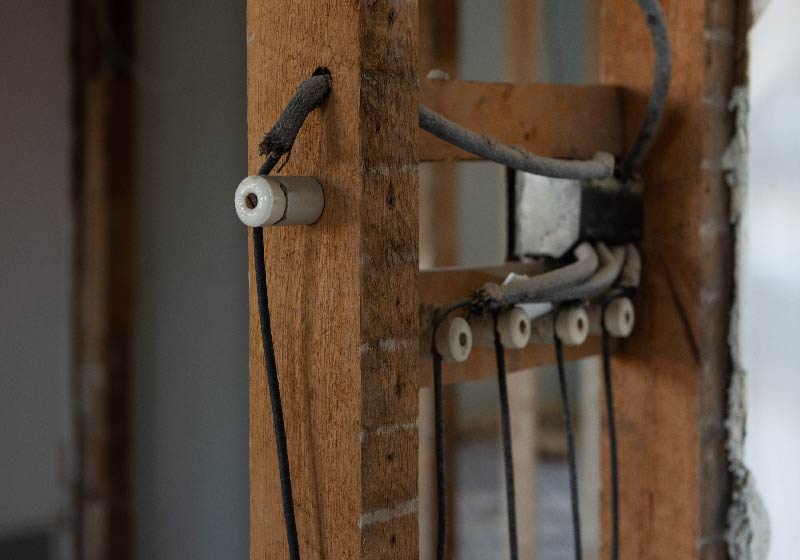
Inspector Insights: The Problem with Knob and Tube Wiring
In today’s Inspector Insights article, we’re going to key in on one of these old school home features that was once ubiquitous between 1880 and the 1940s: knob and tube wiring.

In today’s Inspector Insights article, we’re going to key in on one of these old school home features that was once ubiquitous between 1880 and the 1940s: knob and tube wiring.

As we enter into the fall, the college football and NFL seasons are finally underway. Practice is over, and the time for speculation and prognostication has ended. Now it’s time for players to make plays, and for all of the hours put in during the offseason to lead to some tangible results. In other words, it’s game time. Success at any level of football ultimately goes back to the playbook: both the team’s knowledge of the plays and whether those plays fit the team’s personnel. The right playbook really can be the difference between just another mediocre season and taking home some hardware, so you can bet that fans everywhere are hoping their teams did their homework heading into this season. In our everyday lives, we usually do not have the benefit of a playbook to help us make our decisions. We don’t have a personalized guide we can follow to file our taxes, no coaches telling us which car to buy, and no scouting report that outlines how we should raise our kids. But when it comes to buying and maintaining a home (shockingly), we sort of do. When purchasing a house, buyers order a home inspection from a
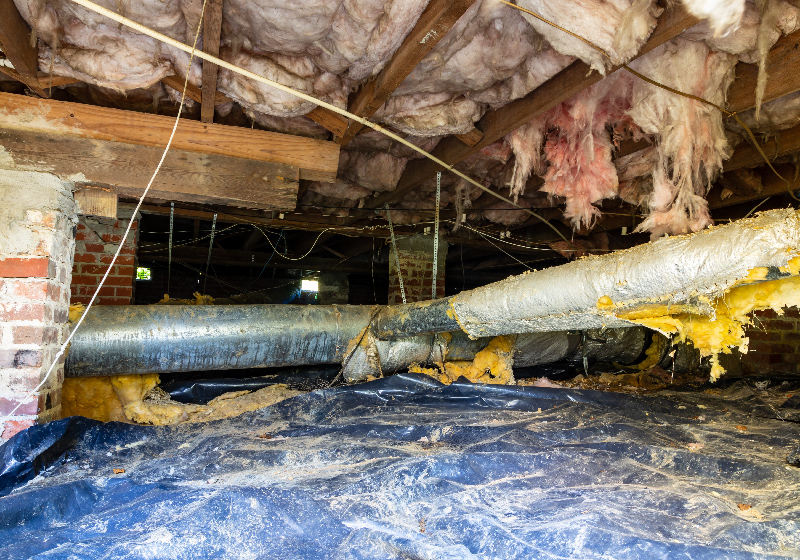
If you’ve ever lived in an area that experiences above-average flooding (or just anywhere in the South), odds are you’re very familiar with crawl spaces. A foundation style different from concrete slabs or full basements, crawl spaces are a fairly common feature in homes that allow for easy access to things like plumbing, electrical wiring, and HVAC systems under the home. Their shorter excavation time also makes them a more cost-effective option for new builds. There are many advantages to buying a home with a crawl space, but with each advantage, there’s also a concern homeowners should be aware of. Let’s discuss a few of the most common — and costly — issues you may encounter in that little space under your floorboards. 1. Moisture, Musty Smells, and MoldThe first issue that homes with crawl spaces face is the unaddressed buildup of moisture beneath the home. So-called crawl spaces earn their names due to a very low clearance height, with a majority of these spaces measuring three feet or lower. It’s understandable that homeowners don’t make it a habit of exploring these areas regularly, but a lack of attention anywhere around the home tends to lead to problems down the

In this day and age, new homeowners are more informed and mindful about their family’s health than ever. Between dangers like lead paint, asbestos, and carbon monoxide leaks, builders have come a very long way in eliminating harmful toxins within the home. Still, threatening elements continue to loom around the home, and although air pollution today is not as high as in the past, reducing indoor air contamination should be on every homeowner’s to-do list! The Environmental Protection Agency (EPA) stresses that, although many visible forms of air pollution have died down since the 1970s, air pollution can be harmful even when it’s invisible. So, how can homeowners feel confident that their air is clean in a world full of smog and wildfires on top of some of the pollutants that are tougher to recognize? To find out, let’s discuss some common contaminants, and what people can do to keep their homes fresh. What are the dangers posed by outdoor air?Modern home design has led to houses being extremely closed off from outside elements, which is both a good and a bad thing. On the one hand, houses do a great job of keeping out many harmful pollutants that can

The classic American home is most often imagined as a nice colonial or Cape Cod house with a white picket fence and a pristine, freshly-cut lawn, all lined up in a cul-de-sac filled with homes taken care of with the exact same attention to detail. There are many aspects of the modern home that are tough to divorce from that classic picture, but despite this fact, one modern movement is attempting to hit the reset button on what a lawn should be. The so-called, “Anti-Lawn Movement” advocates for the removal of a traditional all-grass, low diversity lawn in favor of a more natural option instead. Rather than the uniform, finely-trimmed grass and hedgerow, this means wildflowers, clovers, and a landscape that matches the local region. For many, the results of the Anti-Lawn Movement may feel like an untidy excuse to cut down on regular maintenance, but there may be plenty of other benefits that come with this type of seismic change! To get a better idea of why someone would want to move away from their grass lawns, let’s discuss where today’s lawn came from in the first place and why a change may be in store. Where Did the

Optimism in the housing market among Gen Zers and millennials is on the rise thanks to mortgage rate drops from the Federal Reserve (per reports at Business Insider). While this is great news for those who have been waiting to jump into the housing market, people who are waiting for lower housing prices are likely to be disappointed as mortgage rates are just one piece of the puzzle. A lack of inventory and high demand mean that housing prices aren’t likely to see a substantial change anytime soon, so when is the right time for a new homebuyer to start looking? For many reasons, it might be this spring! The Housing Market is SeasonalIt’s no secret that the housing market is largely seasonal, especially in regions that see a large amount of snow. The hassle of moving during inclement weather obviously isn’t ideal, plus homebuyers can have an inaccurate view of what the home and its neighborhood even looks like if it’s covered in snow. Because of these factors, warm weather tends to bring the busiest time of the year for real estate agents – but this doesn’t necessarily mean summer is the best time for everyone to buy a
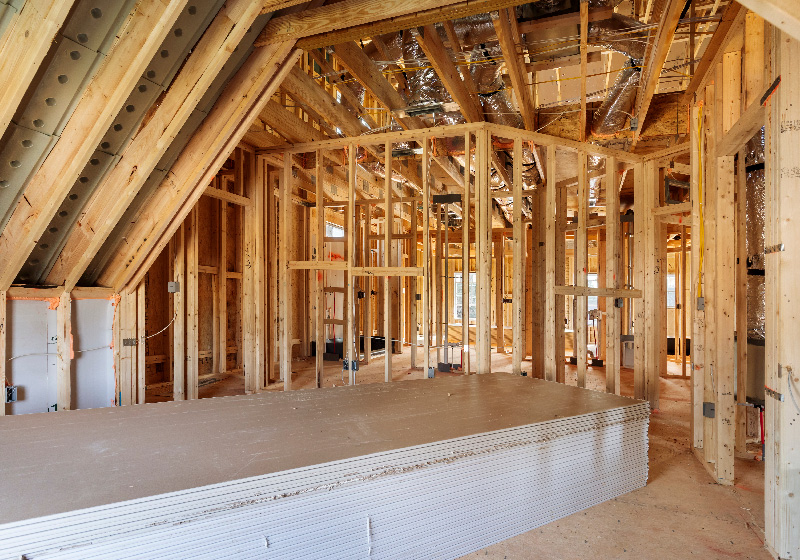
In the world of property inspections, one of the most common industry adages is “no home is perfect.” From excessive mold to roofs nearing the end of their lifespan, it’s a rare occasion when a home inspector walks through a home and doesn’t discover a substantial issue worth addressing before closing a sale. Homeowners across the country are undoubtedly thankful for the problems (both big and small) they became aware of thanks to their buyer’s inspection, but there’s one common misconception that leaves many new homeowners with avoidable headaches. The Misconception: New Homes Don’t Need Inspections Many home buyers mistakenly believe that if they’re buying a newly constructed home, they don’t need to order a home inspection. The truth is, brand new homes are not immune to major problems, issues that can accumulate into costly repairs down the road or lead to inconvenient downtime without key home systems functioning. To understand why new homes also benefit from a buyer’s inspection, let’s delve deeper into how a home is built and explore some of the common issues inspectors find in newly constructed houses. Inspections Throughout Construction Throughout a new home’s construction, building code inspectors employed by the city or municipality periodically

When discovering that any of your home’s key systems aren’t functioning as they are supposed to, some signs of damage or failure are more obvious than others. With that said, homes constantly signal to their homeowners that issues are cropping up just beneath the surface. Most people, unfortunately, are unaware of these common signs and what they mean. Homes are designed to satisfy a large number of needs in order to function as they should, but one force that architects constantly battle while designing homes is water. Water intrusion can spread rapidly to other home systems, damaging high-ticket appliances and electronics while also potentially leading to health problems for families. Plumbing leaks are certainly a major issue for homeowners, but you may not want to wait for a pipe to burst in order to take action. Instead, keep an eye out for these unconventional signs that your home is having plumbing problems! 1. Your Lawn is Too Green, Too Thick, and Too WetIt may be surprising for some, but one way to discover plumbing issues within a home is actually through looking at its exterior landscaping. Healthy lawns should grow evenly, but homes can spring leaks in their drainage systems,

Everyone wants to find their dream home. Sometimes, that dream house might be out of reach because of price or location. Other times, that dream house just doesn’t exist – yet! If your family is expanding beyond their current space, or if changes in your lifestyle require more from your home, the answer may not necessarily be to find a new place to live. Instead, additions are a great way for homeowners to expand their homes into a space that better fits their needs. If you just love your neighborhood or you want to create your dream home without moving, here are the five steps to consider for planning a home addition. Step 1: Ask Yourself Why You’d Like to Add On to Your HomeWhile there are many great reasons to plan a home addition, the process comes with its fair share of drawbacks. First is the cost, which can vary widely depending on the type of addition and sometimes even approach the original price of the home. Additionally, the process of building a home addition can take a lot of time, some of which will include moving out temporarily or sharing space with building crews throughout the day. If
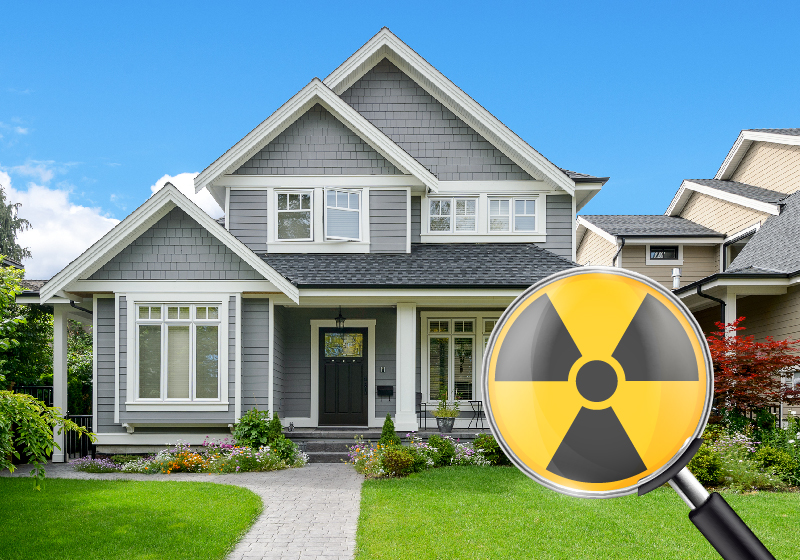
As declared by the U.S. Environmental Protection Agency, businesses and government organizations devote their attention every January to increasing public awareness of the very real and often overlooked dangers of radon gas. Per the CDC, radon is an odorless, colorless gas that finds its way into buildings through the breakdown process of natural materials within the soil. Today, radon is the second leading cause for lung cancer only behind smoking. The good news is that the effects of radon gas can be avoided first through effective testing and then through mitigation. Your family’s health is no joke, so if you haven’t already looked into radon levels in your home, your kids’ school, or your work, let this article be your sign to take action. Officials across the nation are taking notice of the dangers of radon, but most people are unaware of what their state is doing to combat radon, or how their state compares to the national average. The American Association of Radon Scientists and Technologists offers a yearly report card, which dives further into things like whether radon testing professionals need to be credentialed, whether school testing is required, and what percentage of homes in the state are
In today’s Inspector Insights article, we’re going to key in on one of these old school home features that was once ubiquitous between 1880 and the 1940s: knob and tube wiring.
As we enter into the fall, the college football and NFL seasons are finally underway. Practice is over, and the time for speculation and prognostication has ended. Now it’s time for players to make plays, and for all of the hours put in during the offseason to lead to some tangible results. In other words, it’s game time. Success at any level of football ultimately goes back to the playbook: both the team’s knowledge of the plays and whether those plays fit the team’s personnel. The right playbook really can be the difference between just another mediocre season and taking home some hardware, so you can bet that fans everywhere are hoping their teams did their homework heading into this season. In our everyday lives, we usually do not have the benefit of a playbook to help us make our decisions. We don’t have a personalized guide we can follow to file our taxes, no coaches telling us which car to buy, and no scouting report that outlines how we should raise our kids. But when it comes to buying and maintaining a home (shockingly), we sort of do. When purchasing a house, buyers order a home inspection from a
If you’ve ever lived in an area that experiences above-average flooding (or just anywhere in the South), odds are you’re very familiar with crawl spaces. A foundation style different from concrete slabs or full basements, crawl spaces are a fairly common feature in homes that allow for easy access to things like plumbing, electrical wiring, and HVAC systems under the home. Their shorter excavation time also makes them a more cost-effective option for new builds. There are many advantages to buying a home with a crawl space, but with each advantage, there’s also a concern homeowners should be aware of. Let’s discuss a few of the most common — and costly — issues you may encounter in that little space under your floorboards. 1. Moisture, Musty Smells, and MoldThe first issue that homes with crawl spaces face is the unaddressed buildup of moisture beneath the home. So-called crawl spaces earn their names due to a very low clearance height, with a majority of these spaces measuring three feet or lower. It’s understandable that homeowners don’t make it a habit of exploring these areas regularly, but a lack of attention anywhere around the home tends to lead to problems down the
In this day and age, new homeowners are more informed and mindful about their family’s health than ever. Between dangers like lead paint, asbestos, and carbon monoxide leaks, builders have come a very long way in eliminating harmful toxins within the home. Still, threatening elements continue to loom around the home, and although air pollution today is not as high as in the past, reducing indoor air contamination should be on every homeowner’s to-do list! The Environmental Protection Agency (EPA) stresses that, although many visible forms of air pollution have died down since the 1970s, air pollution can be harmful even when it’s invisible. So, how can homeowners feel confident that their air is clean in a world full of smog and wildfires on top of some of the pollutants that are tougher to recognize? To find out, let’s discuss some common contaminants, and what people can do to keep their homes fresh. What are the dangers posed by outdoor air?Modern home design has led to houses being extremely closed off from outside elements, which is both a good and a bad thing. On the one hand, houses do a great job of keeping out many harmful pollutants that can
The classic American home is most often imagined as a nice colonial or Cape Cod house with a white picket fence and a pristine, freshly-cut lawn, all lined up in a cul-de-sac filled with homes taken care of with the exact same attention to detail. There are many aspects of the modern home that are tough to divorce from that classic picture, but despite this fact, one modern movement is attempting to hit the reset button on what a lawn should be. The so-called, “Anti-Lawn Movement” advocates for the removal of a traditional all-grass, low diversity lawn in favor of a more natural option instead. Rather than the uniform, finely-trimmed grass and hedgerow, this means wildflowers, clovers, and a landscape that matches the local region. For many, the results of the Anti-Lawn Movement may feel like an untidy excuse to cut down on regular maintenance, but there may be plenty of other benefits that come with this type of seismic change! To get a better idea of why someone would want to move away from their grass lawns, let’s discuss where today’s lawn came from in the first place and why a change may be in store. Where Did the
Optimism in the housing market among Gen Zers and millennials is on the rise thanks to mortgage rate drops from the Federal Reserve (per reports at Business Insider). While this is great news for those who have been waiting to jump into the housing market, people who are waiting for lower housing prices are likely to be disappointed as mortgage rates are just one piece of the puzzle. A lack of inventory and high demand mean that housing prices aren’t likely to see a substantial change anytime soon, so when is the right time for a new homebuyer to start looking? For many reasons, it might be this spring! The Housing Market is SeasonalIt’s no secret that the housing market is largely seasonal, especially in regions that see a large amount of snow. The hassle of moving during inclement weather obviously isn’t ideal, plus homebuyers can have an inaccurate view of what the home and its neighborhood even looks like if it’s covered in snow. Because of these factors, warm weather tends to bring the busiest time of the year for real estate agents – but this doesn’t necessarily mean summer is the best time for everyone to buy a
In the world of property inspections, one of the most common industry adages is “no home is perfect.” From excessive mold to roofs nearing the end of their lifespan, it’s a rare occasion when a home inspector walks through a home and doesn’t discover a substantial issue worth addressing before closing a sale. Homeowners across the country are undoubtedly thankful for the problems (both big and small) they became aware of thanks to their buyer’s inspection, but there’s one common misconception that leaves many new homeowners with avoidable headaches. The Misconception: New Homes Don’t Need Inspections Many home buyers mistakenly believe that if they’re buying a newly constructed home, they don’t need to order a home inspection. The truth is, brand new homes are not immune to major problems, issues that can accumulate into costly repairs down the road or lead to inconvenient downtime without key home systems functioning. To understand why new homes also benefit from a buyer’s inspection, let’s delve deeper into how a home is built and explore some of the common issues inspectors find in newly constructed houses. Inspections Throughout Construction Throughout a new home’s construction, building code inspectors employed by the city or municipality periodically
When discovering that any of your home’s key systems aren’t functioning as they are supposed to, some signs of damage or failure are more obvious than others. With that said, homes constantly signal to their homeowners that issues are cropping up just beneath the surface. Most people, unfortunately, are unaware of these common signs and what they mean. Homes are designed to satisfy a large number of needs in order to function as they should, but one force that architects constantly battle while designing homes is water. Water intrusion can spread rapidly to other home systems, damaging high-ticket appliances and electronics while also potentially leading to health problems for families. Plumbing leaks are certainly a major issue for homeowners, but you may not want to wait for a pipe to burst in order to take action. Instead, keep an eye out for these unconventional signs that your home is having plumbing problems! 1. Your Lawn is Too Green, Too Thick, and Too WetIt may be surprising for some, but one way to discover plumbing issues within a home is actually through looking at its exterior landscaping. Healthy lawns should grow evenly, but homes can spring leaks in their drainage systems,
Everyone wants to find their dream home. Sometimes, that dream house might be out of reach because of price or location. Other times, that dream house just doesn’t exist – yet! If your family is expanding beyond their current space, or if changes in your lifestyle require more from your home, the answer may not necessarily be to find a new place to live. Instead, additions are a great way for homeowners to expand their homes into a space that better fits their needs. If you just love your neighborhood or you want to create your dream home without moving, here are the five steps to consider for planning a home addition. Step 1: Ask Yourself Why You’d Like to Add On to Your HomeWhile there are many great reasons to plan a home addition, the process comes with its fair share of drawbacks. First is the cost, which can vary widely depending on the type of addition and sometimes even approach the original price of the home. Additionally, the process of building a home addition can take a lot of time, some of which will include moving out temporarily or sharing space with building crews throughout the day. If
As declared by the U.S. Environmental Protection Agency, businesses and government organizations devote their attention every January to increasing public awareness of the very real and often overlooked dangers of radon gas. Per the CDC, radon is an odorless, colorless gas that finds its way into buildings through the breakdown process of natural materials within the soil. Today, radon is the second leading cause for lung cancer only behind smoking. The good news is that the effects of radon gas can be avoided first through effective testing and then through mitigation. Your family’s health is no joke, so if you haven’t already looked into radon levels in your home, your kids’ school, or your work, let this article be your sign to take action. Officials across the nation are taking notice of the dangers of radon, but most people are unaware of what their state is doing to combat radon, or how their state compares to the national average. The American Association of Radon Scientists and Technologists offers a yearly report card, which dives further into things like whether radon testing professionals need to be credentialed, whether school testing is required, and what percentage of homes in the state are