
Category: Home Decor

How to Prepare Your Home for Holiday Guests

With the holidays fast approaching, you’re busy juggling what feels like 100 tasks. Your guests are still days from arriving, but you’re already overwhelmed. And when they do show up on your doorstep . . . well, then what? While the thought of attending to one more to-do list might be enough to tear your hair out, we have the perfect cheat sheet for preparing your home for holiday guests. Here’s how to keep them happy and avoid host regret, even while at your busiest. Set Out All-in-One Welcome KitsWhen you’re at the height of dinner prep mania, the last thing you need is a barrage of questions and requests. Head off distractions and pamper your guests at the same time with welcome kits. These can be totally customizable and they don’t need to cost more than a few dollars each. Consider filling storage cubes with items like travel-size toiletries, books, magazines, towels, and small gifts like holiday-themed chocolates or a $5 gift card to a local coffee shop. You can also include a sheet with the holiday “schedule,” the household Wi-Fi password and any other relevant info. Create a Quick Tour Guide to Your Area A little peace and
Read More »

Removing Wallpaper Made Easy

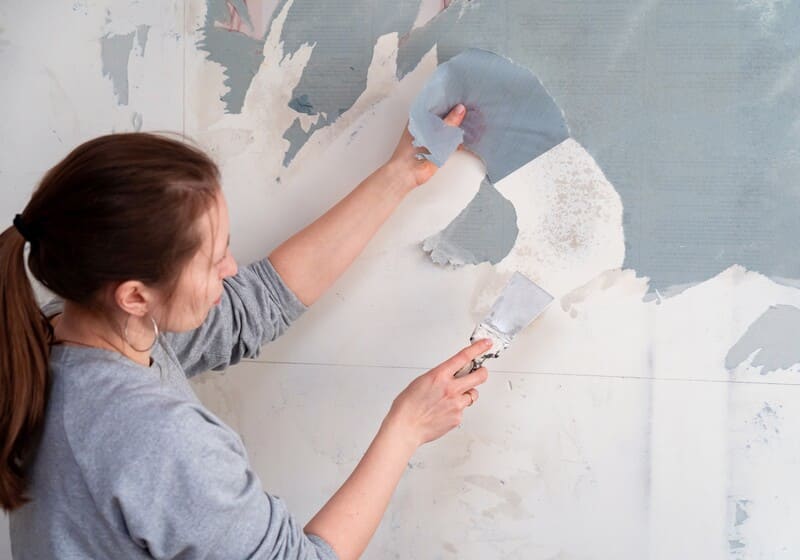
If your home is plastered with outdated wall coverings, you might hesitate to make the upgrades that you want. After all, wallpaper is notoriously difficult to remove (picture hours and hours of steaming, scraping, peeling, grunting, etc.), life’s too short, and you’ve got better things to do. There’s good news though—removing that ugly wallpaper is easier than you think with the right tools, so you can get your project done without breaking a sweat. Here’s what you need to do. First, start with the right tools.Depending on the type of wallpaper you’re dealing with, how long it’s been on the wall and how it was originally applied, the tools you’ll need to remove wallpaper fast and easy will vary. Here’s a breakdown of everything you might need: Follow with the right technique.Before you know which technique will work for your situation, you’ll have to do a little test. If you’re using a steamer, saturate one panel of wallpaper, wait 10 minutes or so and lift an edge with your razor scraper. If it comes up easily, that means the last guy prepped the surface correctly when he applied the wallpaper—lucky you! Continue with soaking the wallpaper and lifting with your

Read More »

7 Houseplants that Thrive in Low Light

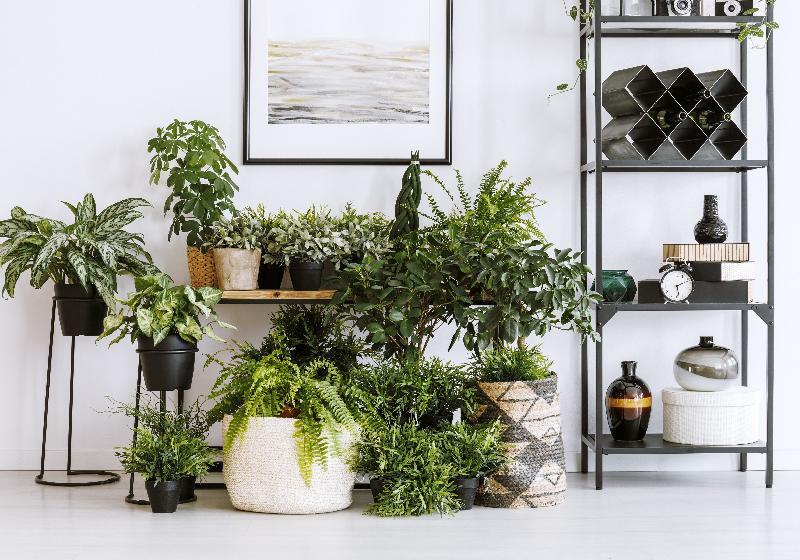
Just because your home doesn’t have a perfectly sunny spot for plants, doesn’t mean you can’t keep any. Adding greenery to your space is doable no matter how low your lighting is—it’s all about choosing the right plants for the space you have. Make no mistake: having plants is still a responsibility, even with low-key species. You’ll have to put in a little effort to make it work, like watering and rotating plants and keeping the lights on for a certain amount of time each day. If this doesn’t sound like your cup of tea, the good news is that artificial plants have come a long way, and you’ll still be able to enjoy the look if you want to—without the accountability. 1. Snake PlantSnake plants have a reputation for being one of the most tolerant species. In fact, you can neglect them for weeks at a time without much visible change or permanent damage (not that we’d recommend doing that). Snake plants survive well in low lighting, only need watered every two to six weeks and they can even improve your home’s indoor air quality by removing toxins. 2. IvyLike snake plants, ivy is highly forgiving. This no-fuss houseplant

Read More »

10 New Year’s Resolutions for Your Home

Want to make 2019 the best year yet? It all starts with a happy home. Putting even one or two of these 10 household New Year’s resolutions into practice can help you create a healthy space for making all your dreams realities. 1. Improve your indoor air quality.Make clean air a priority in 2019. Poor indoor air quality is a leading cause of respiratory issues, like asthma and allergies. It can also cause headaches, dizziness, nausea and general malaise. That’s because indoor air can harbor mold spores, dust, pollen and other nasty stuff you don’t want to be cooped up with all day. Changing your furnace filter at least once a year can go a long way toward improving indoor air quality. Make sure your ventilation system is up to par, particularly in the kitchen and bathrooms. You should also use low-VOC paint and burn real firewood instead of pressed wood logs. This will help keep risky chemicals out of the air for extended periods of time. As an extra measure, portable air cleaners are available to help purify air in single rooms. 2. Declutter, room by room.The beginning of the year is a great time to reevaluate your belongings.

Read More »

How to Remove a Popcorn Ceiling

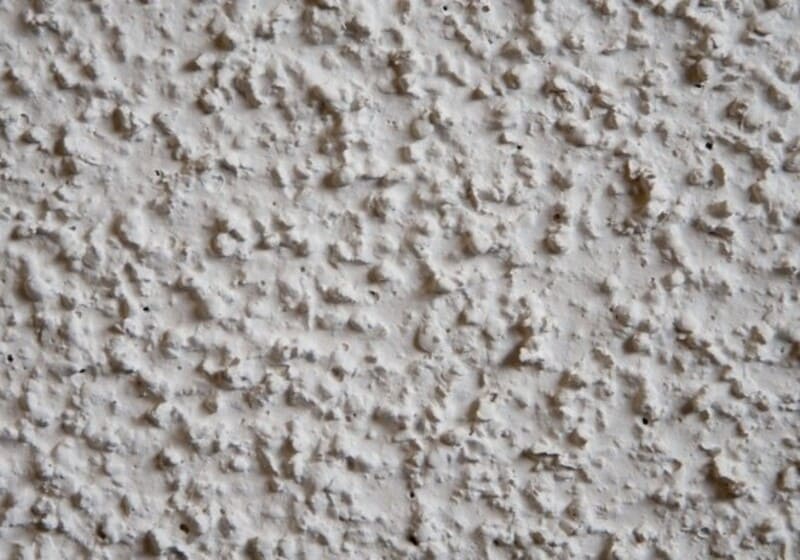
Popcorn ceilings are just one of those things. Some of us barely notice them, while others put them in the same category as fake wood paneling when it comes to outdatedness. If you’re of the latter opinion, the good news is that you don’t have to live with your popcorn ceilings forever. While it can be a pretty messy task, you can still remove all that texture with a little DIY know-how. When in doubt, check for asbestos!For any popcorn ceiling installed before 1980, you run the risk of dealing with asbestos, a common cause of lung cancer. You can purchase a testing kit for around $50 and send a small sample of scrapings to a lab for definitive results. Be sure to follow the directions in your kit carefully. Even a small scraping can introduce a good number of (potential) asbestos particles to the air. You can also hire a local professional asbestos testing service. This can be considerably more expensive, but quite a bit more comprehensive since they’ll test multiple areas, air quality and more. If your home was built long before 1980 and you’re not sure of its renovation history, a professional test is well worth it

Read More »

How to Use a Candle: 6 Common Mistakes to Avoid

No matter what you think of them, you have to admit scented candles are kind of amazing. Nothing’s better at creating ambience and a relaxing atmosphere in your home than a few well-placed candles, but you should know how to use them to get the best effect. It also helps to be aware of the hazards that come with having an open flame in the house. Believe it or not, it’s more than just knowing how to wield a lighter. 1. Lighting and Forgetting About It We’ll start with one of the worst things you can do—lighting a candle and just walking away. Directions for use on most candles advise only burning under direct supervision, for a number of really good reasons. If you have curious toddlers or pets, for example, a candle can lead to burned fingers or singed whiskers. Candles can also become dangerously hot if they’re left burning for too long, which is why you should only keep them lit for two hours at a time. 2. Not Leaving It Lit Long Enough Have you ever had to throw a candle out because the wax around the outside didn’t melt? It could be a poorly designed candle,

Read More »

A Pajama Lounge? What It Is and Why the Trend is Taking Over

Have you heard of a pajama lounge? If you haven’t yet, you’ll probably be seeing the concept everywhere soon! We’ll give you a quick rundown of what a pajama lounge is and the different ways you can adapt it to your taste and living space. What is a Pajama Lounge? Short answer: just about anything you want it to be. But a pajama lounge does have one particular feature that makes it a pajama lounge, and that is its location. Pajama lounges are always located on an upper floor of the home, typically the second or third. They’re basically a common space, similar to a home’s living room or family room, located close to its bedrooms so that residents have the novelty of padding right down to it instead of going all the way downstairs. But that’s where the similarities end from home to home. You can do just about anything you’d like with an upper story common area, aka a pajama lounge. Check out the list below for some of our favorite ideas. Create the Themed Common Room of Your Dreams Since the living room is often one of the first spaces visible when you enter a home, many

Read More »

Wet Bar vs. Dry Bar: Which One is Right for You?

If you’ve been thinking about updating your basement or patio by putting in a bar, you have a lot of options, starting with whether you want a wet bar or a dry bar. But what’s the difference? Both are great for entertaining your family and friends, but they’re each suited to specific purposes. Read on to learn the difference between wet bars and dry bars and which one will suit your home best! Wet Bar vs. Dry Bar: A Simple Difference In some ways, a bar is a bar is a bar. They all provide an additional place in your home for friends and family to gather, chat and have fun while they watch you mix up their favorite beverages. What type of bar you choose is going to depend largely on what kind of space you’re working with, and where you want to put it. The difference between a wet bar and a dry bar is simple—a wet bar has a sink built in, and a dry bar doesn’t, but this leads to some key differences in installation and usage. Wet Bar Pros and Cons First of all, wet bars are more versatile than their dry counterparts. For instance,

Read More »

How to Remove Paint from Wood

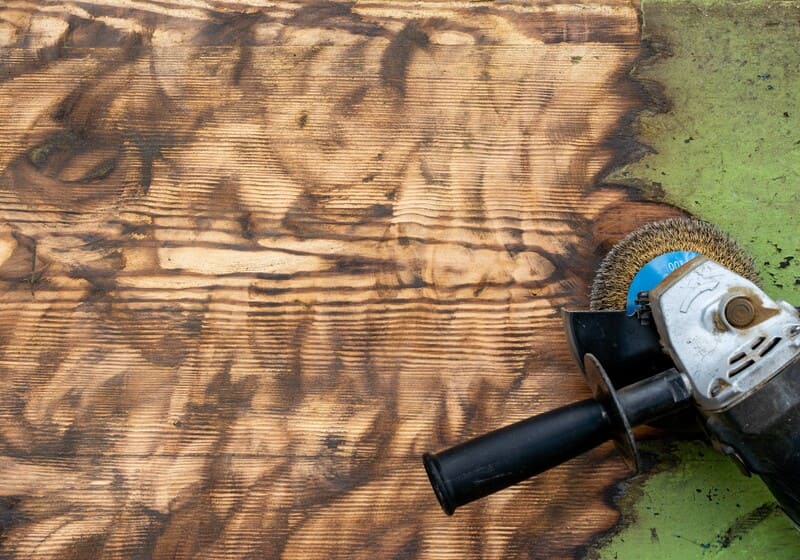
You found the perfect piece of wood furniture at your local flea market, but you can’t stand the paint job. It’s rough, splotchy and on top of that it’s an ugly color, but don’t give up on it just yet! Removing paint from wood can be painstaking, but it’s definitely worth it for the results. We’ll show you the best tools and techniques to make the process as easy as possible. The Tools You Need Every job is a little bit different, so depending on what item you’re trying to remove paint from, you’ll need a combination of some or all of these items. A Word on Lead Paint If you’re working on an older piece, know that the paint you’re removing may be lead-based, which means no sanding. There’s only one way to know for sure whether you’re dealing with lead paint, and that’s by testing it. You can use an at-home test kit (least expensive), mail a sample out to a lab (a bit more expensive), or hire a professional to come in and perform an X-ray fluorescence test (most expensive by far). If the paint you’re removing contains lead, there are a few things to keep in

Read More »

How to Paint a Room the Right Way

It’s no secret that a fresh coat of paint can transform any room of your home. Something that won’t add to the wow factor? A streaky, uneven job. Learn how to paint a room with these tried and true techniques to get the results you want every time you pick up a roller. Inspect your walls. If your walls have cracks, holes or other imperfections, they’ll need taken care of before you start priming and finally, painting. You can use a lightweight spackling compound and a putty knife to repair them, taking care to remove excess spackle with the putty knife. Allow the area to dry completely before going in with very fine grit sandpaper to smooth the surface over. Clean your walls, especially of dust and debris. Dirty walls can impair paint adhesion and cause uneven application. Once you’ve spackled over any imperfections, you’ll want to thoroughly clean your walls. First, use a floor duster to remove any dust, then wipe the walls with a damp cloth (be sure your cloth won’t leave behind fibers). Now is also a great time to remove everything from your walls, including electrical plates, registers and sconces. Tape everything off. The first thing

Read More »

How to Prepare Your Home for Holiday Guests

With the holidays fast approaching, you’re busy juggling what feels like 100 tasks. Your guests are still days from arriving, but you’re already overwhelmed. And when they do show up on your doorstep . . . well, then what? While the thought of attending to one more to-do list might be enough to tear your hair out, we have the perfect cheat sheet for preparing your home for holiday guests. Here’s how to keep them happy and avoid host regret, even while at your busiest. Set Out All-in-One Welcome KitsWhen you’re at the height of dinner prep mania, the last thing you need is a barrage of questions and requests. Head off distractions and pamper your guests at the same time with welcome kits. These can be totally customizable and they don’t need to cost more than a few dollars each. Consider filling storage cubes with items like travel-size toiletries, books, magazines, towels, and small gifts like holiday-themed chocolates or a $5 gift card to a local coffee shop. You can also include a sheet with the holiday “schedule,” the household Wi-Fi password and any other relevant info. Create a Quick Tour Guide to Your Area A little peace and

Read More »

Removing Wallpaper Made Easy

If your home is plastered with outdated wall coverings, you might hesitate to make the upgrades that you want. After all, wallpaper is notoriously difficult to remove (picture hours and hours of steaming, scraping, peeling, grunting, etc.), life’s too short, and you’ve got better things to do. There’s good news though—removing that ugly wallpaper is easier than you think with the right tools, so you can get your project done without breaking a sweat. Here’s what you need to do. First, start with the right tools.Depending on the type of wallpaper you’re dealing with, how long it’s been on the wall and how it was originally applied, the tools you’ll need to remove wallpaper fast and easy will vary. Here’s a breakdown of everything you might need: Follow with the right technique.Before you know which technique will work for your situation, you’ll have to do a little test. If you’re using a steamer, saturate one panel of wallpaper, wait 10 minutes or so and lift an edge with your razor scraper. If it comes up easily, that means the last guy prepped the surface correctly when he applied the wallpaper—lucky you! Continue with soaking the wallpaper and lifting with your

Read More »

7 Houseplants that Thrive in Low Light

Just because your home doesn’t have a perfectly sunny spot for plants, doesn’t mean you can’t keep any. Adding greenery to your space is doable no matter how low your lighting is—it’s all about choosing the right plants for the space you have. Make no mistake: having plants is still a responsibility, even with low-key species. You’ll have to put in a little effort to make it work, like watering and rotating plants and keeping the lights on for a certain amount of time each day. If this doesn’t sound like your cup of tea, the good news is that artificial plants have come a long way, and you’ll still be able to enjoy the look if you want to—without the accountability. 1. Snake PlantSnake plants have a reputation for being one of the most tolerant species. In fact, you can neglect them for weeks at a time without much visible change or permanent damage (not that we’d recommend doing that). Snake plants survive well in low lighting, only need watered every two to six weeks and they can even improve your home’s indoor air quality by removing toxins. 2. IvyLike snake plants, ivy is highly forgiving. This no-fuss houseplant

Read More »

10 New Year’s Resolutions for Your Home

Want to make 2019 the best year yet? It all starts with a happy home. Putting even one or two of these 10 household New Year’s resolutions into practice can help you create a healthy space for making all your dreams realities. 1. Improve your indoor air quality.Make clean air a priority in 2019. Poor indoor air quality is a leading cause of respiratory issues, like asthma and allergies. It can also cause headaches, dizziness, nausea and general malaise. That’s because indoor air can harbor mold spores, dust, pollen and other nasty stuff you don’t want to be cooped up with all day. Changing your furnace filter at least once a year can go a long way toward improving indoor air quality. Make sure your ventilation system is up to par, particularly in the kitchen and bathrooms. You should also use low-VOC paint and burn real firewood instead of pressed wood logs. This will help keep risky chemicals out of the air for extended periods of time. As an extra measure, portable air cleaners are available to help purify air in single rooms. 2. Declutter, room by room.The beginning of the year is a great time to reevaluate your belongings.

Read More »

How to Remove a Popcorn Ceiling

Popcorn ceilings are just one of those things. Some of us barely notice them, while others put them in the same category as fake wood paneling when it comes to outdatedness. If you’re of the latter opinion, the good news is that you don’t have to live with your popcorn ceilings forever. While it can be a pretty messy task, you can still remove all that texture with a little DIY know-how. When in doubt, check for asbestos!For any popcorn ceiling installed before 1980, you run the risk of dealing with asbestos, a common cause of lung cancer. You can purchase a testing kit for around $50 and send a small sample of scrapings to a lab for definitive results. Be sure to follow the directions in your kit carefully. Even a small scraping can introduce a good number of (potential) asbestos particles to the air. You can also hire a local professional asbestos testing service. This can be considerably more expensive, but quite a bit more comprehensive since they’ll test multiple areas, air quality and more. If your home was built long before 1980 and you’re not sure of its renovation history, a professional test is well worth it

Read More »

How to Use a Candle: 6 Common Mistakes to Avoid

No matter what you think of them, you have to admit scented candles are kind of amazing. Nothing’s better at creating ambience and a relaxing atmosphere in your home than a few well-placed candles, but you should know how to use them to get the best effect. It also helps to be aware of the hazards that come with having an open flame in the house. Believe it or not, it’s more than just knowing how to wield a lighter. 1. Lighting and Forgetting About It We’ll start with one of the worst things you can do—lighting a candle and just walking away. Directions for use on most candles advise only burning under direct supervision, for a number of really good reasons. If you have curious toddlers or pets, for example, a candle can lead to burned fingers or singed whiskers. Candles can also become dangerously hot if they’re left burning for too long, which is why you should only keep them lit for two hours at a time. 2. Not Leaving It Lit Long Enough Have you ever had to throw a candle out because the wax around the outside didn’t melt? It could be a poorly designed candle,

Read More »

A Pajama Lounge? What It Is and Why the Trend is Taking Over

Have you heard of a pajama lounge? If you haven’t yet, you’ll probably be seeing the concept everywhere soon! We’ll give you a quick rundown of what a pajama lounge is and the different ways you can adapt it to your taste and living space. What is a Pajama Lounge? Short answer: just about anything you want it to be. But a pajama lounge does have one particular feature that makes it a pajama lounge, and that is its location. Pajama lounges are always located on an upper floor of the home, typically the second or third. They’re basically a common space, similar to a home’s living room or family room, located close to its bedrooms so that residents have the novelty of padding right down to it instead of going all the way downstairs. But that’s where the similarities end from home to home. You can do just about anything you’d like with an upper story common area, aka a pajama lounge. Check out the list below for some of our favorite ideas. Create the Themed Common Room of Your Dreams Since the living room is often one of the first spaces visible when you enter a home, many

Read More »

Wet Bar vs. Dry Bar: Which One is Right for You?

If you’ve been thinking about updating your basement or patio by putting in a bar, you have a lot of options, starting with whether you want a wet bar or a dry bar. But what’s the difference? Both are great for entertaining your family and friends, but they’re each suited to specific purposes. Read on to learn the difference between wet bars and dry bars and which one will suit your home best! Wet Bar vs. Dry Bar: A Simple Difference In some ways, a bar is a bar is a bar. They all provide an additional place in your home for friends and family to gather, chat and have fun while they watch you mix up their favorite beverages. What type of bar you choose is going to depend largely on what kind of space you’re working with, and where you want to put it. The difference between a wet bar and a dry bar is simple—a wet bar has a sink built in, and a dry bar doesn’t, but this leads to some key differences in installation and usage. Wet Bar Pros and Cons First of all, wet bars are more versatile than their dry counterparts. For instance,

Read More »

How to Remove Paint from Wood

You found the perfect piece of wood furniture at your local flea market, but you can’t stand the paint job. It’s rough, splotchy and on top of that it’s an ugly color, but don’t give up on it just yet! Removing paint from wood can be painstaking, but it’s definitely worth it for the results. We’ll show you the best tools and techniques to make the process as easy as possible. The Tools You Need Every job is a little bit different, so depending on what item you’re trying to remove paint from, you’ll need a combination of some or all of these items. A Word on Lead Paint If you’re working on an older piece, know that the paint you’re removing may be lead-based, which means no sanding. There’s only one way to know for sure whether you’re dealing with lead paint, and that’s by testing it. You can use an at-home test kit (least expensive), mail a sample out to a lab (a bit more expensive), or hire a professional to come in and perform an X-ray fluorescence test (most expensive by far). If the paint you’re removing contains lead, there are a few things to keep in

Read More »

How to Paint a Room the Right Way

It’s no secret that a fresh coat of paint can transform any room of your home. Something that won’t add to the wow factor? A streaky, uneven job. Learn how to paint a room with these tried and true techniques to get the results you want every time you pick up a roller. Inspect your walls. If your walls have cracks, holes or other imperfections, they’ll need taken care of before you start priming and finally, painting. You can use a lightweight spackling compound and a putty knife to repair them, taking care to remove excess spackle with the putty knife. Allow the area to dry completely before going in with very fine grit sandpaper to smooth the surface over. Clean your walls, especially of dust and debris. Dirty walls can impair paint adhesion and cause uneven application. Once you’ve spackled over any imperfections, you’ll want to thoroughly clean your walls. First, use a floor duster to remove any dust, then wipe the walls with a damp cloth (be sure your cloth won’t leave behind fibers). Now is also a great time to remove everything from your walls, including electrical plates, registers and sconces. Tape everything off. The first thing

Read More »