Category: DIY

Common Home Fixes: When You Can DIY and When to Hire a Pro

By Bret Engle of the blog DIYGuys.net Being a homeowner can be confusing these days, at least when it comes to DIY projects. With so many shows, guides, and experts seemingly ready to walk you through the most difficult of undertakings, is there any limit to what the average homeowner can do? Well, in actuality, there are a number of jobs where most people are better off connecting with a pro, and here’s how to determine what projects those are, as well as what you should expect to pay for them. Before You Jump InThe last thing you need is to be tripping over supplies and materials while you’re in work mode, and neither do you want a contractor damaging your belongings. Whether you DIY or hire a professional, consider budgeting for a storage space to boost elbow room. As an example, you can rent a 10’x10′ self-storage unit for just $20 at Affordable Family Storage on L Street in Omaha. It’s a smart and inexpensive option for preventing both injuries and broken belongings, so include that when crafting your project budget. Timelines and LimitationsWhen it comes to home repairs, having a good understanding of your personal skills and abilities
Read More »

Mildew-Proof Your Bathroom in 6 Easy Steps

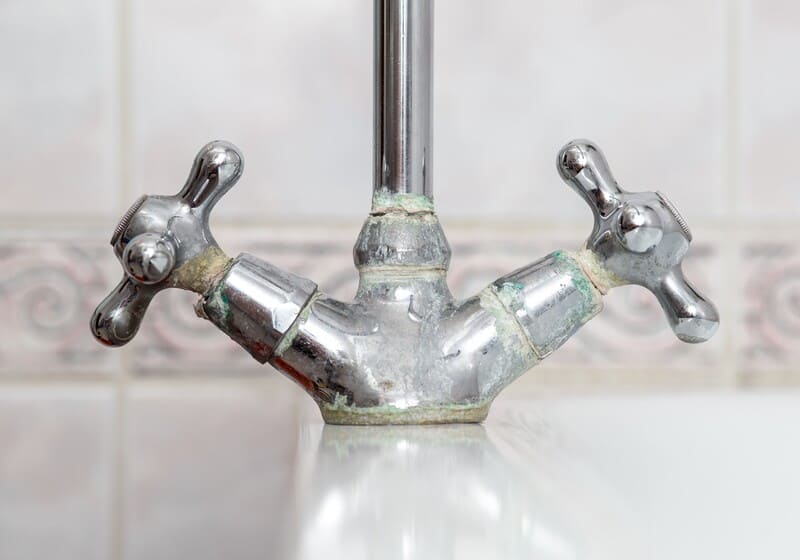
Whether your bathroom is old or new, big or small, mildew can set in and make it a less pleasant place to be. Here’s what you can do to mildew-proof your bathroom so the stuff doesn’t have a chance to take over. First, here’s a quick rundown of the top causes for mildew: Leaks. Moisture can seep into a bathroom from sources we can’t see, like pipes behind drywall or cracks in grout. Since mildew loves darkness and dampness, it’ll continue to thrive in these places, making it even more difficult to get rid of once you discover it. A shower that doesn’t get cleaned regularly. It’s a pain to scrub your shower, but it’s worth keeping up with the chore if you want to extend the life of your entire bathroom. Tiles can collect soap and body oil after every use, and over time, these residues can combine with humidity to lead to mold and mildew. Clogged drains. Soap, hair and other debris naturally lead to a clogged drain from time to time. If you notice your shower draining more slowly than usual, it’s important to grab the Drano right away. Clogs that aren’t attended to quickly will lead

Read More »

The 9 Best Household Uses for Bleach

Bleach is a classic solution for taking care of myriad cleaning projects around the house. It’s so ubiquitous, in fact, that we’re betting there are some uses that you don’t even know about yet. Check out these nine ways to use bleach for your toughest household tasks. 1. Clean your cutting boards.Butcher block countertops and cutting boards can start harboring lots of bacteria over time. Combine one teaspoon bleach with two quarts of water, dip in a brush and use small circles to scrub boards and counters. Wipe with a damp paper towel and then dry immediately. 2. Get rid of mold and mildewBleach is notorious for its ability to eradicate mold and mildew, but it’s all about doing it right. Follow the following ratios to get rid of mold and mildew in these tough places: Painted surfaces and siding: Mix one quarter bleach with two cups water and apply with a brush to any areas showing mold or mildew. Allow to set for 15 minutes and then rinse. You may need to repeat. Shower curtains: Wash in warm water with half a cup of bleach and a quarter cup of detergent. Let the washer run for a few minutes

Read More »

Find the Best Painter’s Tape for Your Projects

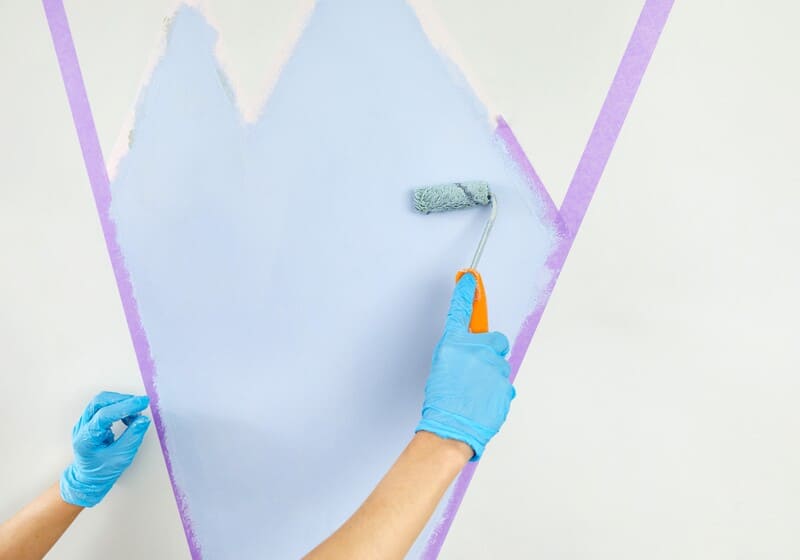
Painter’s tape. It’s such a small, insignificant item, especially when you’re caught up in choosing primers, paint colors and rollers. But when you stop and think about it, painter’s tape could mean the difference between a sloppy DIY job and a professional-quality look. Maybe it’s finally about time we paid it more attention. Here’s all you need to know about choosing the best variety of tape for your next project. What is Painter’s Tape Anyway? While painter’s tape looks similar to regular masking tape, it’s really quite different. For one, it’s a bit thicker than your run-of-the-mill masking tape. That means it tears less easily and won’t leave pesky remnants on surfaces. High-quality painter’s tape also absorbs moisture to prevent any color bleeding onto surfaces you don’t want to paint. How to Choose the Best Painter’s Tape for the Job There are a few key things to consider when choosing the best painter’s tape: Job DurationThis may be the single most important thing to take into account when choosing the right painter’s tape for your project. No matter which type of tape you use, the adhesion won’t last forever. In fact, adhesion usually lasts between seven and sixty days. You’ll

Read More »

8 Inexpensive Home Upgrades You Can Do in a Weekend

Looking for an inexpensive way to give your home an upgrade? Try any of these ideas for a new look and feel that won’t break the bank. 1. Replace your light fixtures.Light fixtures are one of those features that can age a space fast. Not only will replacing them give your space an instantly modern look, it can also increase your home’s value. When you go to replace your fixtures, don’t forget about the kitchen and the bathroom! Those areas are often neglected but mean the most to future buyers. 2. Trade in your drawer pulls and hardware.If you’re not quite ready to invest in a full cabinet overhaul, starting with the hardware is a great way to test out a new look. New drawer pulls and knobs are inexpensive and can give even tired or outdated cabinets a whole new look in minutes. 3. Give your mailbox an upgrade.If you have a boring, lackluster mailbox, setting a weekend aside to spruce it up can really pay off in the curb appeal department. You can replace the box itself, give your post a more upscale look using decorative rocks or go full DIY and find a unique tutorial. 4. Invest

Read More »

What Can You Get Rid of Right Now? 25 Quick Ideas for Decluttering

Got a spare hour or so? It’s time to start tossing. Grab a trash bag, a recycling bin and a few donation boxes and get down to business. Working room by room, here are the things you can get rid of right this second. Kitchen 1. Expired food in your fridge and pantry. (Don’t forget to check all those condiments—they don’t last as long as you think). 2. Recipe books, cards and print-outs you don’t use. 3. Old or one-time use cleaning supplies under the sink. 4. Bottles of alcohol collecting dust. 5. Old, stained and tattered sponges, dishrags and hand towels. Living Room 6. Magazines you’ve already read. 7. DVDs no one watches. 8. Knickknacks that no longer speak to you. 9. Extra throw pillows and blankets. 10. Toys and electronics that aren’t played with or used. Bathroom 11. Expired medications. 12. Old makeup, nail polishes and skin care products. 13. Any half-empty bottles or soap remnants in the shower. 14. Sample packets and hotel soaps, shampoos and lotions. 15. Any hair accessories, curlers or hot tools that don’t get used. Bedrooms 16. Extra sets of sheets—you only need two! 17. Clothes that don’t fit or you no longer

Read More »

How to Remove a Popcorn Ceiling

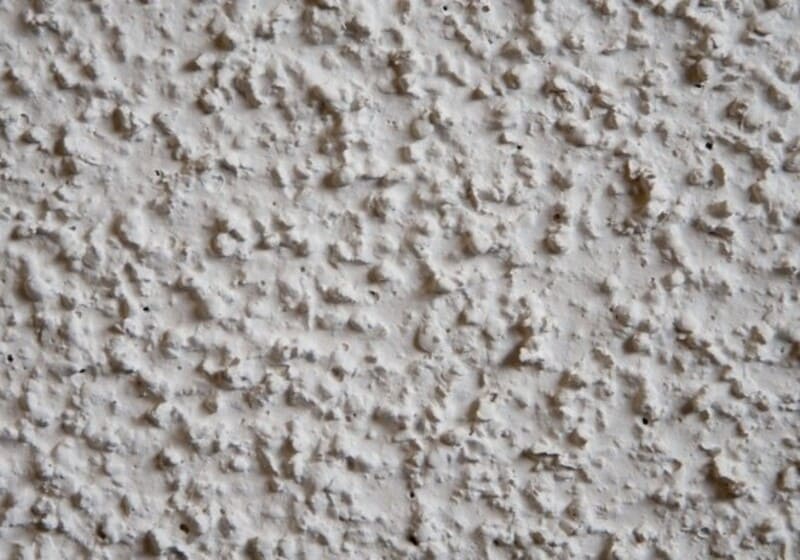
Popcorn ceilings are just one of those things. Some of us barely notice them, while others put them in the same category as fake wood paneling when it comes to outdatedness. If you’re of the latter opinion, the good news is that you don’t have to live with your popcorn ceilings forever. While it can be a pretty messy task, you can still remove all that texture with a little DIY know-how. When in doubt, check for asbestos!For any popcorn ceiling installed before 1980, you run the risk of dealing with asbestos, a common cause of lung cancer. You can purchase a testing kit for around $50 and send a small sample of scrapings to a lab for definitive results. Be sure to follow the directions in your kit carefully. Even a small scraping can introduce a good number of (potential) asbestos particles to the air. You can also hire a local professional asbestos testing service. This can be considerably more expensive, but quite a bit more comprehensive since they’ll test multiple areas, air quality and more. If your home was built long before 1980 and you’re not sure of its renovation history, a professional test is well worth it

Read More »

6 Essential Fall Lawn Care Tasks

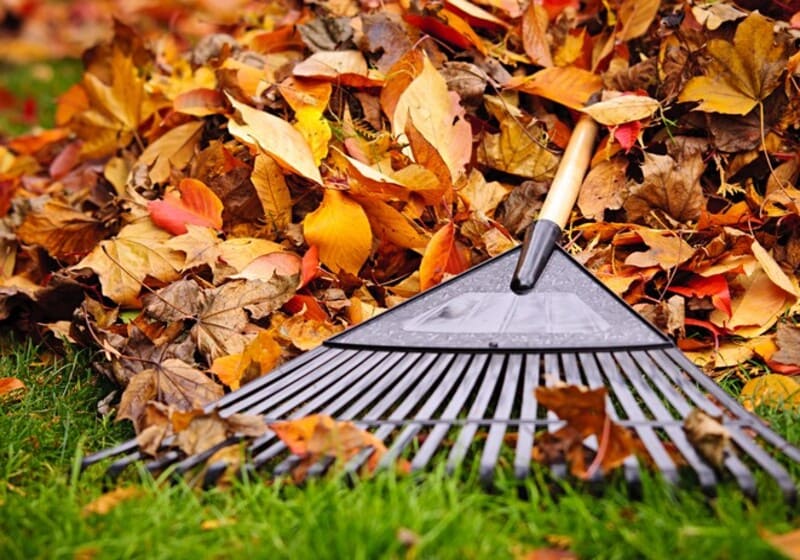
The air is crisp and the trees are changing colors. That must mean fall is here! Even if your yard isn’t fully blanketed in crunchy leaves just yet, you can still start on these essential fall lawn care tasks. 1. Rake the leaves. It turns out that the quintessential fall chore really is the most important one. If you love the look of a blanket of fall leaves, you’ll want to listen up. They may be pretty and fun for kids to play in, but a covering of damp autumn leaves is awful for your grass. Not only do leaves block sunlight, they also trap moisture, leading to a soggy, decaying mess come spring. There’s no need to cut into your fall fun too much, though. You can always rake leaves as you see them, dividing a couple afternoons’ worth of work into more manageable 10- or 15-minute tasks. 2. Don’t winterize the sprinkler just yet. It’s a myth that cooler weather means your lawn needs less water—it might even need more! It’s true that there’s less evaporation in cooler weather, but dew and rainfall isn’t always sufficient for keeping grass healthy. Just like in summer, you’ll need to pay

Read More »

Home Maintenance Myths You Shouldn’t Bet On

Sometimes, those home maintenance “shortcuts” you learned from your parents are anything but. Some myths about home maintenance were born out of good intentions, and some of them may have even been true at one time or another, but following them today can waste money or even cause damage to your home. Here’s a rundown of the worst offenders that can end up costing you in the long run. 1. Turn off your AC when you leave the house to save energy. This one seems to make sense—why pay to cool an empty house, right? Well, turning off your AC isn’t the way to save money. The problem here is that when you come back home and turn your system back on, your AC unit will have to work overtime to cool your house back down, negating any energy savings you’ve accrued. To really save energy, just adjust your thermostat 5 or 10 degrees when you leave the house. 2. More insulation is always better. Lots of attic insulation is the key to regulating your home’s temperature in summer and winter, isn’t it? Not quite. While you want enough insulation to prevent heat escaping into the attic, going overboard can

Read More »

What is Paint Primer and Do I Need It?

When it comes to painting rooms in your home, you want the process to be as fast and easy as possible, which is why a lot of people tend to skip primer. Paint primer is actually one of the most important steps in getting a professional-looking job with less time and effort. We’ll break down what paint primer is, what’s it’s for, when you want to use it and when it’s okay to skip it. What is Paint Primer, Anyway? Paint primer is just what it sounds like—it’s a white-colored base coat that you apply first, before you start in with your expensive latex paint. It “primes” the surface you’re painting, so you get better adherence and coverage in fewer coats. Even though it adds an extra step, paint primer is a great time-saver in most instances and actually makes your paint job more durable, long-lasting and less likely to chip. When You Should Use Paint Primer There are some jobs where paint primer can be optional, but most of the time it’s a good idea. Before you break out the brushes and rollers, see if your job is on this list. When It’s Okay to Skip Paint Primer Call

Read More »

Common Home Fixes: When You Can DIY and When to Hire a Pro

By Bret Engle of the blog DIYGuys.net Being a homeowner can be confusing these days, at least when it comes to DIY projects. With so many shows, guides, and experts seemingly ready to walk you through the most difficult of undertakings, is there any limit to what the average homeowner can do? Well, in actuality, there are a number of jobs where most people are better off connecting with a pro, and here’s how to determine what projects those are, as well as what you should expect to pay for them. Before You Jump InThe last thing you need is to be tripping over supplies and materials while you’re in work mode, and neither do you want a contractor damaging your belongings. Whether you DIY or hire a professional, consider budgeting for a storage space to boost elbow room. As an example, you can rent a 10’x10′ self-storage unit for just $20 at Affordable Family Storage on L Street in Omaha. It’s a smart and inexpensive option for preventing both injuries and broken belongings, so include that when crafting your project budget. Timelines and LimitationsWhen it comes to home repairs, having a good understanding of your personal skills and abilities
Read More »

Mildew-Proof Your Bathroom in 6 Easy Steps

Whether your bathroom is old or new, big or small, mildew can set in and make it a less pleasant place to be. Here’s what you can do to mildew-proof your bathroom so the stuff doesn’t have a chance to take over. First, here’s a quick rundown of the top causes for mildew: Leaks. Moisture can seep into a bathroom from sources we can’t see, like pipes behind drywall or cracks in grout. Since mildew loves darkness and dampness, it’ll continue to thrive in these places, making it even more difficult to get rid of once you discover it. A shower that doesn’t get cleaned regularly. It’s a pain to scrub your shower, but it’s worth keeping up with the chore if you want to extend the life of your entire bathroom. Tiles can collect soap and body oil after every use, and over time, these residues can combine with humidity to lead to mold and mildew. Clogged drains. Soap, hair and other debris naturally lead to a clogged drain from time to time. If you notice your shower draining more slowly than usual, it’s important to grab the Drano right away. Clogs that aren’t attended to quickly will lead

Read More »

The 9 Best Household Uses for Bleach

Bleach is a classic solution for taking care of myriad cleaning projects around the house. It’s so ubiquitous, in fact, that we’re betting there are some uses that you don’t even know about yet. Check out these nine ways to use bleach for your toughest household tasks. 1. Clean your cutting boards.Butcher block countertops and cutting boards can start harboring lots of bacteria over time. Combine one teaspoon bleach with two quarts of water, dip in a brush and use small circles to scrub boards and counters. Wipe with a damp paper towel and then dry immediately. 2. Get rid of mold and mildewBleach is notorious for its ability to eradicate mold and mildew, but it’s all about doing it right. Follow the following ratios to get rid of mold and mildew in these tough places: Painted surfaces and siding: Mix one quarter bleach with two cups water and apply with a brush to any areas showing mold or mildew. Allow to set for 15 minutes and then rinse. You may need to repeat. Shower curtains: Wash in warm water with half a cup of bleach and a quarter cup of detergent. Let the washer run for a few minutes

Read More »

Find the Best Painter’s Tape for Your Projects

Painter’s tape. It’s such a small, insignificant item, especially when you’re caught up in choosing primers, paint colors and rollers. But when you stop and think about it, painter’s tape could mean the difference between a sloppy DIY job and a professional-quality look. Maybe it’s finally about time we paid it more attention. Here’s all you need to know about choosing the best variety of tape for your next project. What is Painter’s Tape Anyway? While painter’s tape looks similar to regular masking tape, it’s really quite different. For one, it’s a bit thicker than your run-of-the-mill masking tape. That means it tears less easily and won’t leave pesky remnants on surfaces. High-quality painter’s tape also absorbs moisture to prevent any color bleeding onto surfaces you don’t want to paint. How to Choose the Best Painter’s Tape for the Job There are a few key things to consider when choosing the best painter’s tape: Job DurationThis may be the single most important thing to take into account when choosing the right painter’s tape for your project. No matter which type of tape you use, the adhesion won’t last forever. In fact, adhesion usually lasts between seven and sixty days. You’ll

Read More »

8 Inexpensive Home Upgrades You Can Do in a Weekend

Looking for an inexpensive way to give your home an upgrade? Try any of these ideas for a new look and feel that won’t break the bank. 1. Replace your light fixtures.Light fixtures are one of those features that can age a space fast. Not only will replacing them give your space an instantly modern look, it can also increase your home’s value. When you go to replace your fixtures, don’t forget about the kitchen and the bathroom! Those areas are often neglected but mean the most to future buyers. 2. Trade in your drawer pulls and hardware.If you’re not quite ready to invest in a full cabinet overhaul, starting with the hardware is a great way to test out a new look. New drawer pulls and knobs are inexpensive and can give even tired or outdated cabinets a whole new look in minutes. 3. Give your mailbox an upgrade.If you have a boring, lackluster mailbox, setting a weekend aside to spruce it up can really pay off in the curb appeal department. You can replace the box itself, give your post a more upscale look using decorative rocks or go full DIY and find a unique tutorial. 4. Invest

Read More »

What Can You Get Rid of Right Now? 25 Quick Ideas for Decluttering

Got a spare hour or so? It’s time to start tossing. Grab a trash bag, a recycling bin and a few donation boxes and get down to business. Working room by room, here are the things you can get rid of right this second. Kitchen 1. Expired food in your fridge and pantry. (Don’t forget to check all those condiments—they don’t last as long as you think). 2. Recipe books, cards and print-outs you don’t use. 3. Old or one-time use cleaning supplies under the sink. 4. Bottles of alcohol collecting dust. 5. Old, stained and tattered sponges, dishrags and hand towels. Living Room 6. Magazines you’ve already read. 7. DVDs no one watches. 8. Knickknacks that no longer speak to you. 9. Extra throw pillows and blankets. 10. Toys and electronics that aren’t played with or used. Bathroom 11. Expired medications. 12. Old makeup, nail polishes and skin care products. 13. Any half-empty bottles or soap remnants in the shower. 14. Sample packets and hotel soaps, shampoos and lotions. 15. Any hair accessories, curlers or hot tools that don’t get used. Bedrooms 16. Extra sets of sheets—you only need two! 17. Clothes that don’t fit or you no longer

Read More »

How to Remove a Popcorn Ceiling

Popcorn ceilings are just one of those things. Some of us barely notice them, while others put them in the same category as fake wood paneling when it comes to outdatedness. If you’re of the latter opinion, the good news is that you don’t have to live with your popcorn ceilings forever. While it can be a pretty messy task, you can still remove all that texture with a little DIY know-how. When in doubt, check for asbestos!For any popcorn ceiling installed before 1980, you run the risk of dealing with asbestos, a common cause of lung cancer. You can purchase a testing kit for around $50 and send a small sample of scrapings to a lab for definitive results. Be sure to follow the directions in your kit carefully. Even a small scraping can introduce a good number of (potential) asbestos particles to the air. You can also hire a local professional asbestos testing service. This can be considerably more expensive, but quite a bit more comprehensive since they’ll test multiple areas, air quality and more. If your home was built long before 1980 and you’re not sure of its renovation history, a professional test is well worth it

Read More »

6 Essential Fall Lawn Care Tasks

The air is crisp and the trees are changing colors. That must mean fall is here! Even if your yard isn’t fully blanketed in crunchy leaves just yet, you can still start on these essential fall lawn care tasks. 1. Rake the leaves. It turns out that the quintessential fall chore really is the most important one. If you love the look of a blanket of fall leaves, you’ll want to listen up. They may be pretty and fun for kids to play in, but a covering of damp autumn leaves is awful for your grass. Not only do leaves block sunlight, they also trap moisture, leading to a soggy, decaying mess come spring. There’s no need to cut into your fall fun too much, though. You can always rake leaves as you see them, dividing a couple afternoons’ worth of work into more manageable 10- or 15-minute tasks. 2. Don’t winterize the sprinkler just yet. It’s a myth that cooler weather means your lawn needs less water—it might even need more! It’s true that there’s less evaporation in cooler weather, but dew and rainfall isn’t always sufficient for keeping grass healthy. Just like in summer, you’ll need to pay

Read More »

Home Maintenance Myths You Shouldn’t Bet On

Sometimes, those home maintenance “shortcuts” you learned from your parents are anything but. Some myths about home maintenance were born out of good intentions, and some of them may have even been true at one time or another, but following them today can waste money or even cause damage to your home. Here’s a rundown of the worst offenders that can end up costing you in the long run. 1. Turn off your AC when you leave the house to save energy. This one seems to make sense—why pay to cool an empty house, right? Well, turning off your AC isn’t the way to save money. The problem here is that when you come back home and turn your system back on, your AC unit will have to work overtime to cool your house back down, negating any energy savings you’ve accrued. To really save energy, just adjust your thermostat 5 or 10 degrees when you leave the house. 2. More insulation is always better. Lots of attic insulation is the key to regulating your home’s temperature in summer and winter, isn’t it? Not quite. While you want enough insulation to prevent heat escaping into the attic, going overboard can

Read More »

What is Paint Primer and Do I Need It?

When it comes to painting rooms in your home, you want the process to be as fast and easy as possible, which is why a lot of people tend to skip primer. Paint primer is actually one of the most important steps in getting a professional-looking job with less time and effort. We’ll break down what paint primer is, what’s it’s for, when you want to use it and when it’s okay to skip it. What is Paint Primer, Anyway? Paint primer is just what it sounds like—it’s a white-colored base coat that you apply first, before you start in with your expensive latex paint. It “primes” the surface you’re painting, so you get better adherence and coverage in fewer coats. Even though it adds an extra step, paint primer is a great time-saver in most instances and actually makes your paint job more durable, long-lasting and less likely to chip. When You Should Use Paint Primer There are some jobs where paint primer can be optional, but most of the time it’s a good idea. Before you break out the brushes and rollers, see if your job is on this list. When It’s Okay to Skip Paint Primer Call

Read More »