Inspector Insights: Getting the Lead Out
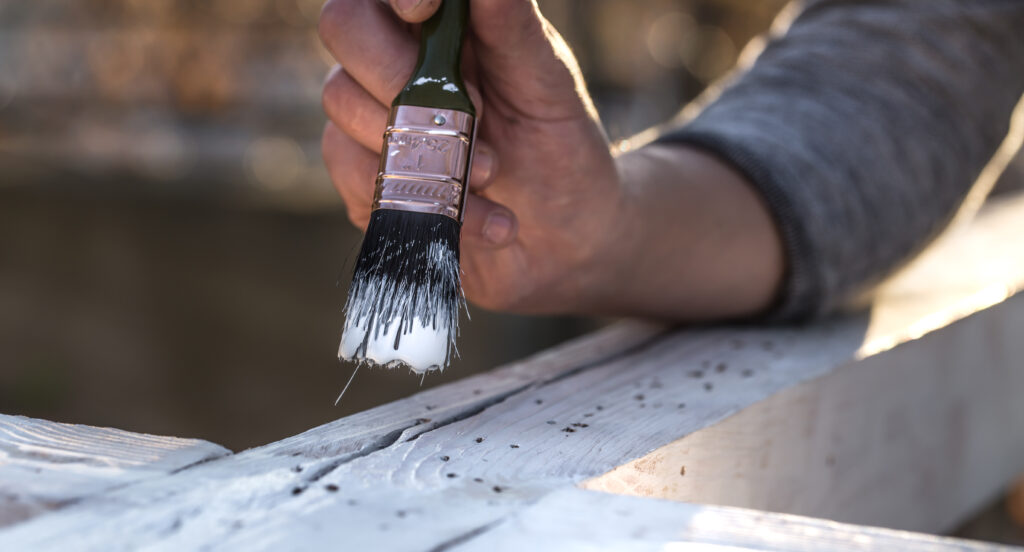
Even though lead-based paints have been banned since 1978, many older homes still pose a real risk to families today.

Even though lead-based paints have been banned since 1978, many older homes still pose a real risk to families today.
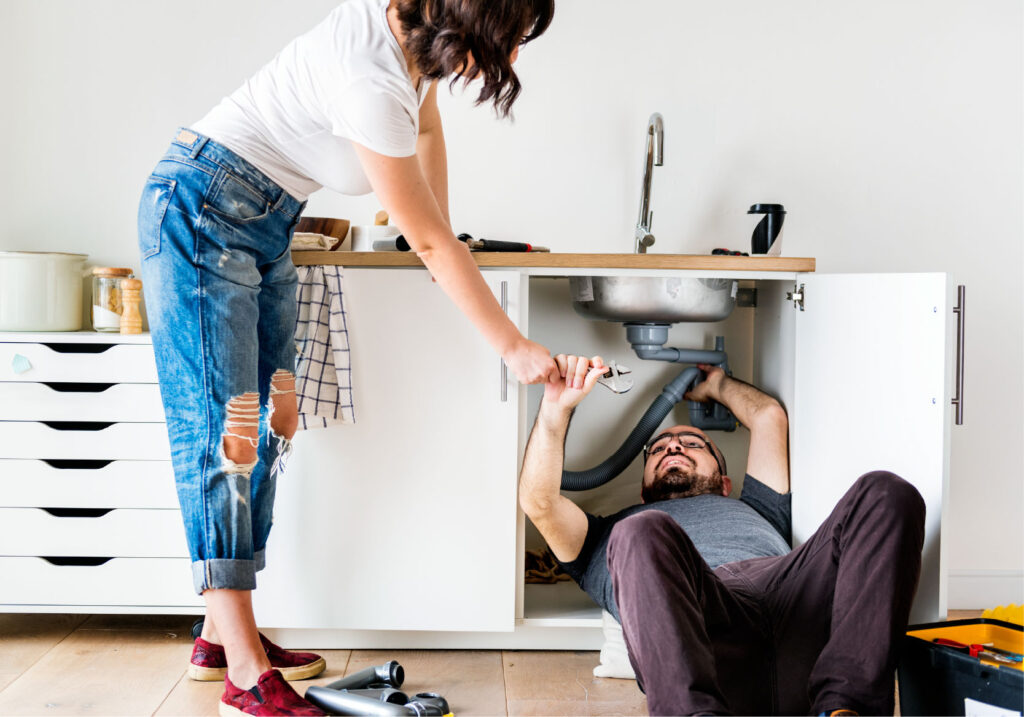
You don’t need to be a plumber to spot the early signs. Here’s a quick step-by-step guide to check your sinks and toilets for leaks, and potentially save yourself thousands in repairs.
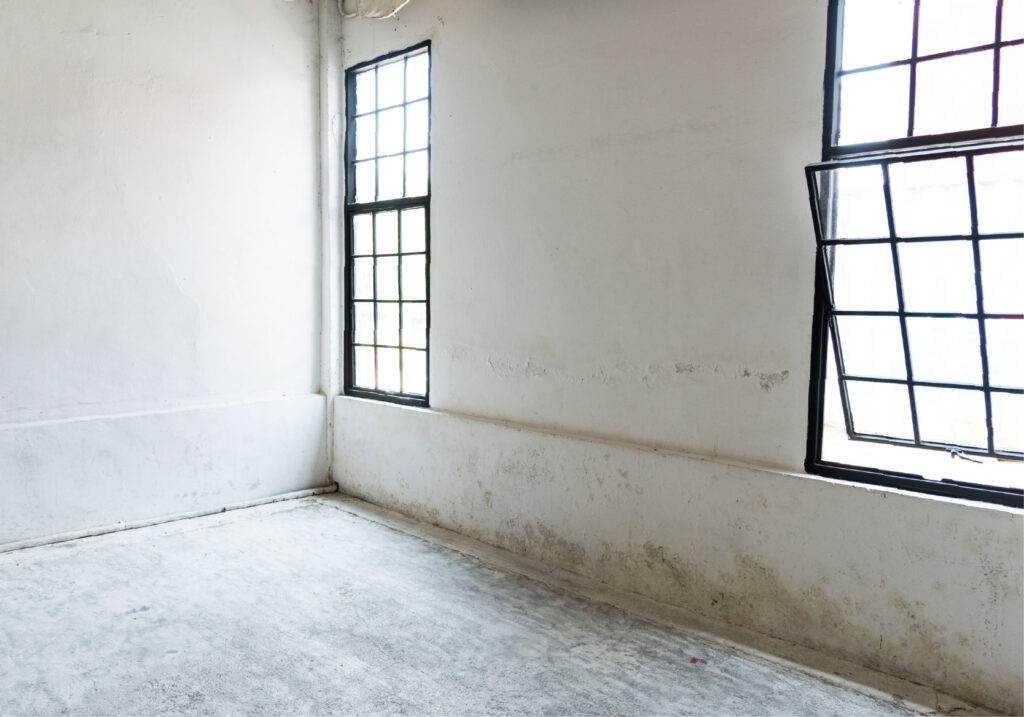
As inspectors, our job is to help clients see beyond the paint and plaster, separating serious concerns from harmless imperfections. Some issues signal costly repairs ahead, while others are purely cosmetic and easy to fix.

Whether you’re buying your first home or just brushing up on the process, this guide covers everything you need to know: what a home inspection is, what inspectors look for, and what to do once you get the report.

Despite our best efforts, some people’s homes just might be contributing to why they get so sick each winter. The good news is that there’s plenty that can be done to create a healthier environment at home.

Fats, oils, and grease can cause a litany of problems for your city, your environment, and even your pocket book if they aren’t disposed of in the right way.

The human being is known to have five senses: sight, hearing, taste, touch, and smell. While many might consider sight to be the most important sense for people in their everyday lives, scientists actually recognize smell as the “strongest sense.” This is because, as writers like Colleen Walsh at the Harvard Gazette acknowledge, smell is the sense that is most linked with emotion and memory. Have you ever smelled a favorite dish and were instantly transported to a memory of your childhood home or a trip to grandma’s house? The phenomena you’re experiencing is your olfactory senses doing what it does best by reaching through your limbic system (with a quick pit-stop by your amygdala and/or hippocampus) and tossing out one of those cozy core memories. Just as we enjoy these trips down memory lane, smells can also remind us of moments we might rather forget, whether from visiting the home of a frequent smoker, or a friend with a few too many cats. Houses can develop odor for many different reasons, so if you’ve found yours smelling a bit off lately, let’s discuss a few of the more common (and often misdiagnosed) causes. #1: Take Out the TrashThe first
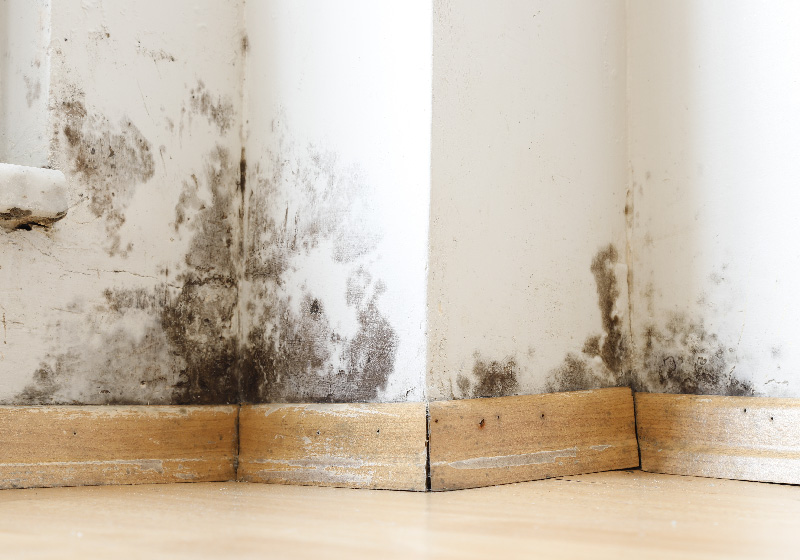
Everyone has run into mold from time to time in their bathrooms, in their kitchens, or around leaking appliances. While mold can actually come in many different colors and varieties, the dark fuzzy spots that crop up inside homes are usually easy to take care of without much issue, especially when addressed quickly. However, when left unaddressed, mold can damage and permanently discolor materials that they’ve attached to, as well as negatively impact the health of anyone in the home. In fact, according to healthcare professionals over on Healthline, overexposure to mold can lead to infection, lung inflammation, and other symptoms. Mold thrives in dark, moist, and warm environments, which means that issues in certain lesser trafficked areas of the home can easily get out of hand. If you experience any of the following, schedule a mold inspection to find the root of the problem: Homeowners can keep mold at bay by reducing humidity in their homes, maintaining good ventilation, and cleaning spills quickly. In addition, check and clean out these areas to cover some of mold’s best hiding spots inside the home: Contact your local NPI home inspector to schedule a mold inspection!

When discovering that any of your home’s key systems aren’t functioning as they are supposed to, some signs of damage or failure are more obvious than others. With that said, homes constantly signal to their homeowners that issues are cropping up just beneath the surface. Most people, unfortunately, are unaware of these common signs and what they mean. Homes are designed to satisfy a large number of needs in order to function as they should, but one force that architects constantly battle while designing homes is water. Water intrusion can spread rapidly to other home systems, damaging high-ticket appliances and electronics while also potentially leading to health problems for families. Plumbing leaks are certainly a major issue for homeowners, but you may not want to wait for a pipe to burst in order to take action. Instead, keep an eye out for these unconventional signs that your home is having plumbing problems! 1. Your Lawn is Too Green, Too Thick, and Too WetIt may be surprising for some, but one way to discover plumbing issues within a home is actually through looking at its exterior landscaping. Healthy lawns should grow evenly, but homes can spring leaks in their drainage systems,
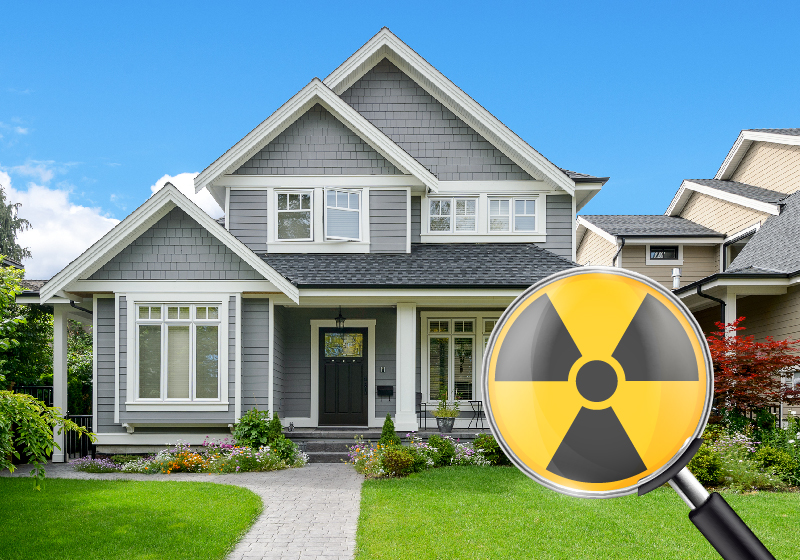
As declared by the U.S. Environmental Protection Agency, businesses and government organizations devote their attention every January to increasing public awareness of the very real and often overlooked dangers of radon gas. Per the CDC, radon is an odorless, colorless gas that finds its way into buildings through the breakdown process of natural materials within the soil. Today, radon is the second leading cause for lung cancer only behind smoking. The good news is that the effects of radon gas can be avoided first through effective testing and then through mitigation. Your family’s health is no joke, so if you haven’t already looked into radon levels in your home, your kids’ school, or your work, let this article be your sign to take action. Officials across the nation are taking notice of the dangers of radon, but most people are unaware of what their state is doing to combat radon, or how their state compares to the national average. The American Association of Radon Scientists and Technologists offers a yearly report card, which dives further into things like whether radon testing professionals need to be credentialed, whether school testing is required, and what percentage of homes in the state are
Even though lead-based paints have been banned since 1978, many older homes still pose a real risk to families today.
You don’t need to be a plumber to spot the early signs. Here’s a quick step-by-step guide to check your sinks and toilets for leaks, and potentially save yourself thousands in repairs.
As inspectors, our job is to help clients see beyond the paint and plaster, separating serious concerns from harmless imperfections. Some issues signal costly repairs ahead, while others are purely cosmetic and easy to fix.
Whether you’re buying your first home or just brushing up on the process, this guide covers everything you need to know: what a home inspection is, what inspectors look for, and what to do once you get the report.
Despite our best efforts, some people’s homes just might be contributing to why they get so sick each winter. The good news is that there’s plenty that can be done to create a healthier environment at home.
Fats, oils, and grease can cause a litany of problems for your city, your environment, and even your pocket book if they aren’t disposed of in the right way.
The human being is known to have five senses: sight, hearing, taste, touch, and smell. While many might consider sight to be the most important sense for people in their everyday lives, scientists actually recognize smell as the “strongest sense.” This is because, as writers like Colleen Walsh at the Harvard Gazette acknowledge, smell is the sense that is most linked with emotion and memory. Have you ever smelled a favorite dish and were instantly transported to a memory of your childhood home or a trip to grandma’s house? The phenomena you’re experiencing is your olfactory senses doing what it does best by reaching through your limbic system (with a quick pit-stop by your amygdala and/or hippocampus) and tossing out one of those cozy core memories. Just as we enjoy these trips down memory lane, smells can also remind us of moments we might rather forget, whether from visiting the home of a frequent smoker, or a friend with a few too many cats. Houses can develop odor for many different reasons, so if you’ve found yours smelling a bit off lately, let’s discuss a few of the more common (and often misdiagnosed) causes. #1: Take Out the TrashThe first
Everyone has run into mold from time to time in their bathrooms, in their kitchens, or around leaking appliances. While mold can actually come in many different colors and varieties, the dark fuzzy spots that crop up inside homes are usually easy to take care of without much issue, especially when addressed quickly. However, when left unaddressed, mold can damage and permanently discolor materials that they’ve attached to, as well as negatively impact the health of anyone in the home. In fact, according to healthcare professionals over on Healthline, overexposure to mold can lead to infection, lung inflammation, and other symptoms. Mold thrives in dark, moist, and warm environments, which means that issues in certain lesser trafficked areas of the home can easily get out of hand. If you experience any of the following, schedule a mold inspection to find the root of the problem: Homeowners can keep mold at bay by reducing humidity in their homes, maintaining good ventilation, and cleaning spills quickly. In addition, check and clean out these areas to cover some of mold’s best hiding spots inside the home: Contact your local NPI home inspector to schedule a mold inspection!
When discovering that any of your home’s key systems aren’t functioning as they are supposed to, some signs of damage or failure are more obvious than others. With that said, homes constantly signal to their homeowners that issues are cropping up just beneath the surface. Most people, unfortunately, are unaware of these common signs and what they mean. Homes are designed to satisfy a large number of needs in order to function as they should, but one force that architects constantly battle while designing homes is water. Water intrusion can spread rapidly to other home systems, damaging high-ticket appliances and electronics while also potentially leading to health problems for families. Plumbing leaks are certainly a major issue for homeowners, but you may not want to wait for a pipe to burst in order to take action. Instead, keep an eye out for these unconventional signs that your home is having plumbing problems! 1. Your Lawn is Too Green, Too Thick, and Too WetIt may be surprising for some, but one way to discover plumbing issues within a home is actually through looking at its exterior landscaping. Healthy lawns should grow evenly, but homes can spring leaks in their drainage systems,
As declared by the U.S. Environmental Protection Agency, businesses and government organizations devote their attention every January to increasing public awareness of the very real and often overlooked dangers of radon gas. Per the CDC, radon is an odorless, colorless gas that finds its way into buildings through the breakdown process of natural materials within the soil. Today, radon is the second leading cause for lung cancer only behind smoking. The good news is that the effects of radon gas can be avoided first through effective testing and then through mitigation. Your family’s health is no joke, so if you haven’t already looked into radon levels in your home, your kids’ school, or your work, let this article be your sign to take action. Officials across the nation are taking notice of the dangers of radon, but most people are unaware of what their state is doing to combat radon, or how their state compares to the national average. The American Association of Radon Scientists and Technologists offers a yearly report card, which dives further into things like whether radon testing professionals need to be credentialed, whether school testing is required, and what percentage of homes in the state are