Tag: insulation

What to Expect: How Long Does a Typical Home Inspection Take?

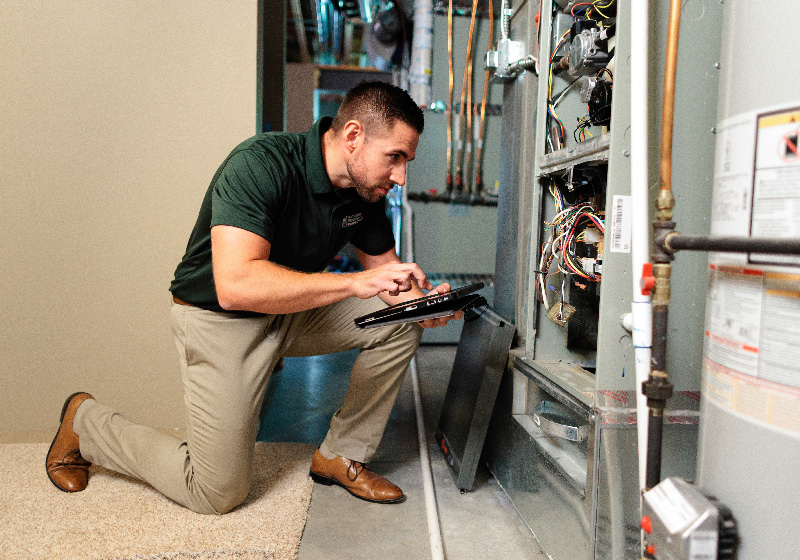
Purchasing a home can be one of the most simultaneously exciting and stressful processes anyone will go through. Considering the sizable investment and the long-reaching impact that a closing negotiation can have on both the buyer and the seller, it is completely understandable to lose a couple winks of sleep while worrying about each odd detail of a home’s sale. In these instances, buyers (especially first-time homebuyers) who learn about the need of a home inspection can get a bit antsy through the process, viewing the inspection as a roadblock to their homeownership. This is where a frequently answered question comes into play: How long does a home inspection take? While there may be a typical range of time to expect for a general home inspection, there are a wide array of factors that make this question tough to answer point blank. However, in the interest of easing any concerns, we will take some time today to discuss how long a home inspection takes, what can extend or shorten the process, and why a good home inspector needs this time. To begin, let’s review what a home inspection is and why it is a necessary part of every home’s sale.

Read More »

4 Ways To Keep Warm This Winter (Without Touching the Thermostat)

Days are getting shorter, and accompanying that plummeting winter breeze is our annual heating bill homecoming. Homeowners are always looking for ways to cut down on expenses, so for this holiday season, save a bit of goodwill for yourself! Here are four ways to keep warm for the holidays – without touching the thermostat. 1. Daylight SavingsAutumn and winter can mark a significant shift in your energy usage. There might be less sunlight to go around, but that doesn’t mean what’s left has to go to waste. Open your curtains and let as much sun into your home as possible to take advantage of this natural heat source. South-facing windows, in particular, have the greatest potential to benefit from winter sun beams, so do your best to capture this free advantage during daylight hours. Remember, while opening your curtains and blinds will help to capture heat during the day, it will do the opposite once the sun sets. Closing your curtains at night will be the best way to retain that daytime heat and reduce dropping temperatures from nighttime chills. 2. Plugging LeaksIcy breezes are relentless. Anyone who has opened an outer door on a particularly crisp morning knows how

Read More »

What an Energy Audit Can Do for You

The average household spends over $2,000 a year on energy expenses. If you fall into the average, or even find yourself surpassing it), you’re ready to start saving money. One way that you can decrease your usage and spending is by having an energy audit performed. Benefits of an Energy Audit You probably already know the biggest benefit of an energy audit– saving yourself money. But there are other positives you may not have thought of. You’ll also be able to save your appliances, mainly your HVAC system, from wearing out as quickly. You may even find yourself living more comfortably without having to constantly fight your HVAC. What Kinds of Homes Should Get an Audit? It’s a given that most older homes don’t hold up as well as when they were first built, so it’s no surprise they can eventually become an energy sinkhole. Older frames tend to split, and this can allow for a higher amount of intrusion from the outside air. Even if your house is brand new or recently remodeled, there can still be defects within the construction that hinder its efficiency. That’s why it pays to have an energy audit so that you can catch

Read More »

Controlling Radon in Your Home During Winter

Radon is one of the leading causes of lung cancer in the United States and Canada. The odorless, colorless gas can go undetected in a home for years and only get noticed when it’s too late. During the winter, radon levels can spike indoors and pose even more of a threat to you. With January being Radon Action Month, it’s a great opportunity to lower your radon risk during the colder months. Radon and the Cold As the temperature begins to drop outside, radon levels can start to rise in your home. Winter is almost equal to summertime in terms of radon spikes. Although everyone has minimal exposure to radon at all times, certain factors can contribute to you being exposed to unsafe levels. A few of the causes of higher radon during cold months are: Stuck Inside Winter brings with it chilly temperatures that usually keep us inside. However, being stuck inside for several months can be dangerous. If your home already has above-safe levels of radon, you’re increasing the chances of severe health risks by staying shut in. Especially if you have a below-ground level that you like to spend time in, you’re putting yourself even closer to

Read More »

Should You Get a Storm Door?

A storm door can be a nice finishing touch to your home’s entryway. The storm doors of today have long evolved from the old screen style that your grandparents might’ve owned. They come in a variety of styles and colors to make finding the right fit easier. But aside from looks, what other purpose do storm doors serve? Are they a worthwhile purchase, or simply something you can go on without? Customization You have a ton of options when it comes to choosing a storm door. They can come in vinyl, wood, aluminum, or fiberglass material depending on which you prefer. Storm doors feature either a full-length window, or some models have a half or three-quarters window that can slide down into a screen. Privacy screens can even be placed in between the glass, and handles and hinges can all be designed to match the rest of your home’s facade. More Than Looks Storm doors offer more than just a quick spruce-up for your home. Just as their name implies, they add an extra layer of protection from extreme weather like rain and snow. A locked storm door can also deter burglars from trying to break in. Along with keeping

Read More »

What to Expect: How Long Does a Typical Home Inspection Take?

Purchasing a home can be one of the most simultaneously exciting and stressful processes anyone will go through. Considering the sizable investment and the long-reaching impact that a closing negotiation can have on both the buyer and the seller, it is completely understandable to lose a couple winks of sleep while worrying about each odd detail of a home’s sale. In these instances, buyers (especially first-time homebuyers) who learn about the need of a home inspection can get a bit antsy through the process, viewing the inspection as a roadblock to their homeownership. This is where a frequently answered question comes into play: How long does a home inspection take? While there may be a typical range of time to expect for a general home inspection, there are a wide array of factors that make this question tough to answer point blank. However, in the interest of easing any concerns, we will take some time today to discuss how long a home inspection takes, what can extend or shorten the process, and why a good home inspector needs this time. To begin, let’s review what a home inspection is and why it is a necessary part of every home’s sale.

Read More »

4 Ways To Keep Warm This Winter (Without Touching the Thermostat)

Days are getting shorter, and accompanying that plummeting winter breeze is our annual heating bill homecoming. Homeowners are always looking for ways to cut down on expenses, so for this holiday season, save a bit of goodwill for yourself! Here are four ways to keep warm for the holidays – without touching the thermostat. 1. Daylight SavingsAutumn and winter can mark a significant shift in your energy usage. There might be less sunlight to go around, but that doesn’t mean what’s left has to go to waste. Open your curtains and let as much sun into your home as possible to take advantage of this natural heat source. South-facing windows, in particular, have the greatest potential to benefit from winter sun beams, so do your best to capture this free advantage during daylight hours. Remember, while opening your curtains and blinds will help to capture heat during the day, it will do the opposite once the sun sets. Closing your curtains at night will be the best way to retain that daytime heat and reduce dropping temperatures from nighttime chills. 2. Plugging LeaksIcy breezes are relentless. Anyone who has opened an outer door on a particularly crisp morning knows how

Read More »

What an Energy Audit Can Do for You

The average household spends over $2,000 a year on energy expenses. If you fall into the average, or even find yourself surpassing it), you’re ready to start saving money. One way that you can decrease your usage and spending is by having an energy audit performed. Benefits of an Energy Audit You probably already know the biggest benefit of an energy audit– saving yourself money. But there are other positives you may not have thought of. You’ll also be able to save your appliances, mainly your HVAC system, from wearing out as quickly. You may even find yourself living more comfortably without having to constantly fight your HVAC. What Kinds of Homes Should Get an Audit? It’s a given that most older homes don’t hold up as well as when they were first built, so it’s no surprise they can eventually become an energy sinkhole. Older frames tend to split, and this can allow for a higher amount of intrusion from the outside air. Even if your house is brand new or recently remodeled, there can still be defects within the construction that hinder its efficiency. That’s why it pays to have an energy audit so that you can catch

Read More »

Controlling Radon in Your Home During Winter

Radon is one of the leading causes of lung cancer in the United States and Canada. The odorless, colorless gas can go undetected in a home for years and only get noticed when it’s too late. During the winter, radon levels can spike indoors and pose even more of a threat to you. With January being Radon Action Month, it’s a great opportunity to lower your radon risk during the colder months. Radon and the Cold As the temperature begins to drop outside, radon levels can start to rise in your home. Winter is almost equal to summertime in terms of radon spikes. Although everyone has minimal exposure to radon at all times, certain factors can contribute to you being exposed to unsafe levels. A few of the causes of higher radon during cold months are: Stuck Inside Winter brings with it chilly temperatures that usually keep us inside. However, being stuck inside for several months can be dangerous. If your home already has above-safe levels of radon, you’re increasing the chances of severe health risks by staying shut in. Especially if you have a below-ground level that you like to spend time in, you’re putting yourself even closer to

Read More »

Should You Get a Storm Door?

A storm door can be a nice finishing touch to your home’s entryway. The storm doors of today have long evolved from the old screen style that your grandparents might’ve owned. They come in a variety of styles and colors to make finding the right fit easier. But aside from looks, what other purpose do storm doors serve? Are they a worthwhile purchase, or simply something you can go on without? Customization You have a ton of options when it comes to choosing a storm door. They can come in vinyl, wood, aluminum, or fiberglass material depending on which you prefer. Storm doors feature either a full-length window, or some models have a half or three-quarters window that can slide down into a screen. Privacy screens can even be placed in between the glass, and handles and hinges can all be designed to match the rest of your home’s facade. More Than Looks Storm doors offer more than just a quick spruce-up for your home. Just as their name implies, they add an extra layer of protection from extreme weather like rain and snow. A locked storm door can also deter burglars from trying to break in. Along with keeping

Read More »