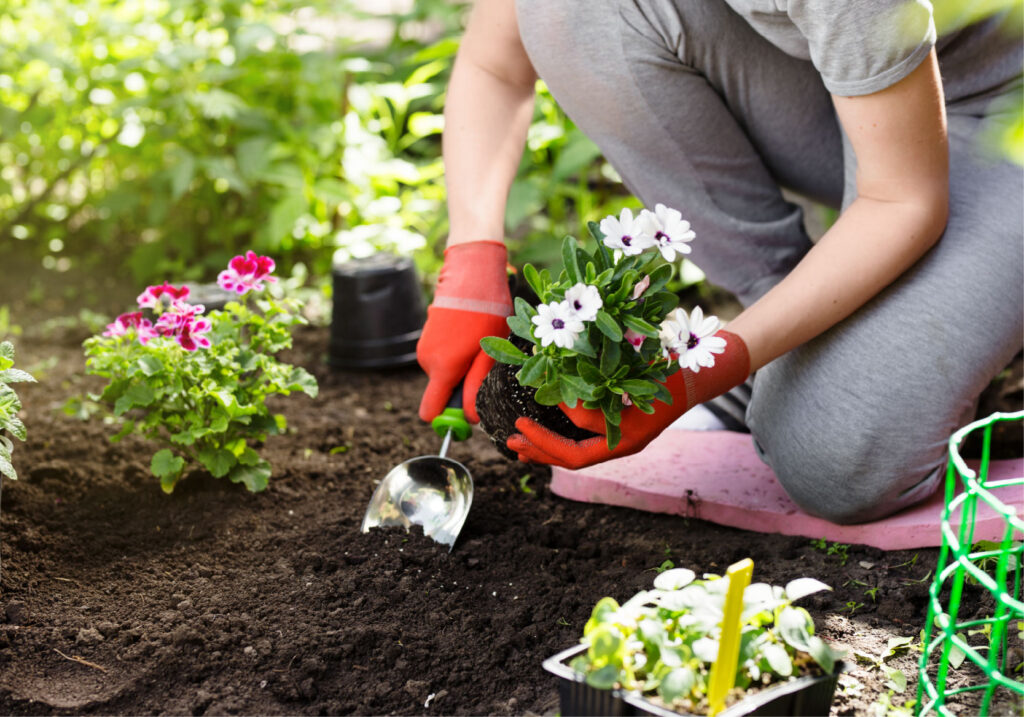
Gardening Tips for First-Time Homeowners
Getting into gardening doesn’t have to be intimidating. The right plants can add beauty to your lawn, boost curb appeal, and even put fresh food on your table.

Getting into gardening doesn’t have to be intimidating. The right plants can add beauty to your lawn, boost curb appeal, and even put fresh food on your table.
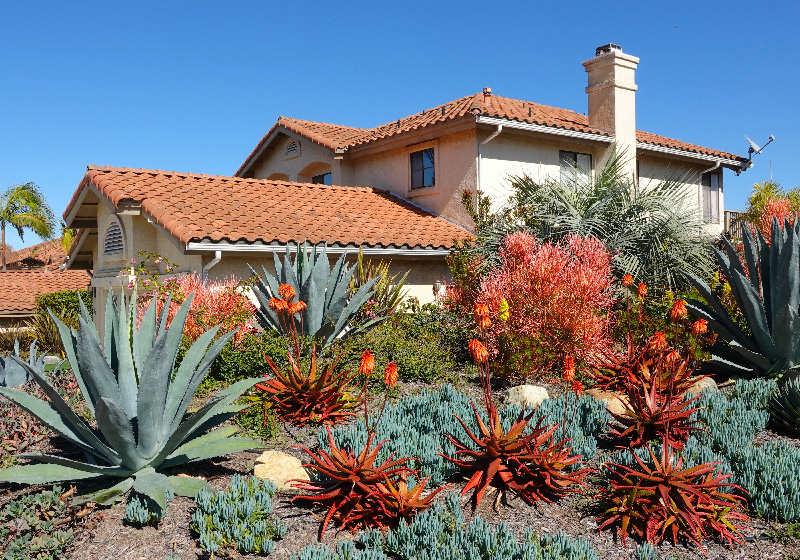
The classic American home is most often imagined as a nice colonial or Cape Cod house with a white picket fence and a pristine, freshly-cut lawn, all lined up in a cul-de-sac filled with homes taken care of with the exact same attention to detail. There are many aspects of the modern home that are tough to divorce from that classic picture, but despite this fact, one modern movement is attempting to hit the reset button on what a lawn should be. The so-called, “Anti-Lawn Movement” advocates for the removal of a traditional all-grass, low diversity lawn in favor of a more natural option instead. Rather than the uniform, finely-trimmed grass and hedgerow, this means wildflowers, clovers, and a landscape that matches the local region. For many, the results of the Anti-Lawn Movement may feel like an untidy excuse to cut down on regular maintenance, but there may be plenty of other benefits that come with this type of seismic change! To get a better idea of why someone would want to move away from their grass lawns, let’s discuss where today’s lawn came from in the first place and why a change may be in store. Where Did the
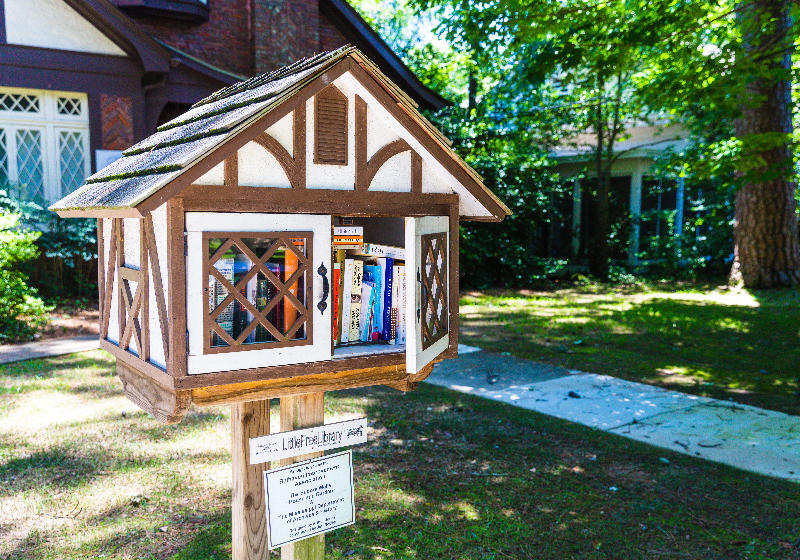
One major challenge that can come from moving into a new neighborhood involves transforming your new house into your new home. As we’ve discussed recently, a great way to become comfortable with a new city or a new area is to invest in relationships with your neighbors! Becoming familiar with (and hopefully liking) your neighbors often sounds nice in concept, but breaking through that initial comfortability barrier can be tough. The good news is this: there are many underutilized strategies that new homeowners and long-time homeowners alike can employ to make their neighborhood of strangers feel much more like a community. As homeowners, learning how to be a little more self-sufficient is smart. Challenging yourselves with progressively difficult DIY projects should give you an excuse to spend some more time outside and break the ice while meeting new neighbors. For a beginner-level DIY project that can be as simple or complex as your experience allows, nothing works quite as well as starting a Little Library. What is a Little Library?Also known as Little Free Libraries, Library Boxes, or just Neighborhood Book Exchanges, Little Libraries have been popping up more and more in coffee shops, apartment buildings, and neighborhoods all around
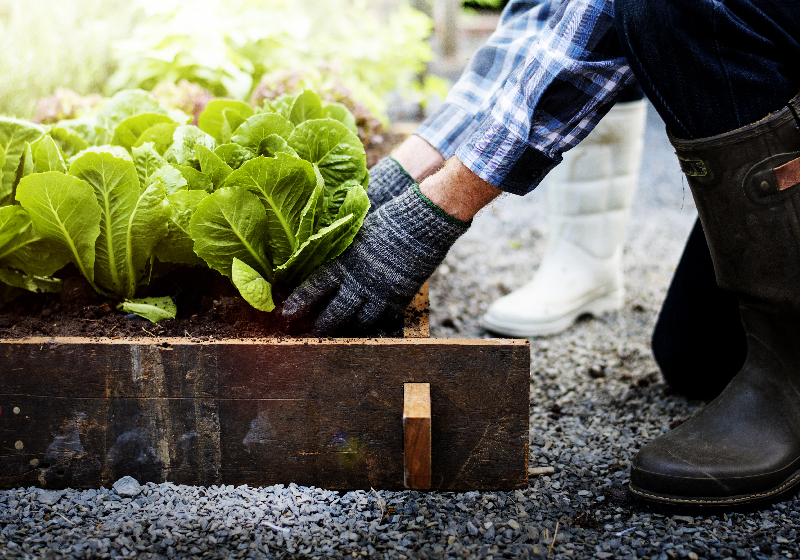
Spring is back again! With the excitement of the new season comes inspiration for projects around your home. If you’re looking for a way to get out and enjoy the beautiful weather, then a vegetable garden is just what you need. Choosing Where to Plant Deciding on a spot to start your vegetable garden is the first step. If you’ve never done a garden before, you may be unsure about where to start. Before you break ground, study your yard. Watch the way the sun and shadows move around, how water flows, and what type of soil your yard mainly consists of. Once you’ve picked a spot that provides the perfect balance, measure out your plot. For beginners, it’s best to start small so you don’t overwhelm yourself. Picking Your Vegetables Now comes the time to decide what to plant. Some of the easiest plants are carrots, zucchinis, tomatoes, green beans, and beets. To avoid wasting plants and money, choose vegetables you typically eat in the correct amount for your family (this quick guide can help you calculate how many of each to plant). Bonus tip: You’ll save money by choosing plants that your local grocer doesn’t always stock. If
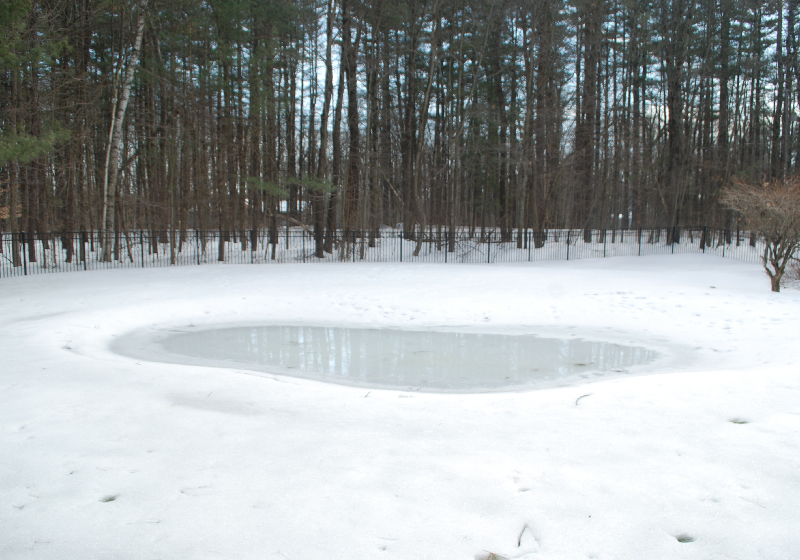
A man-made pond can transform your yard into your own personal oasis. They offer a place for you to relax after a long day and make the perfect spot to entertain guests. As the temperature starts to drop, you might not use your pond as often. To ensure it’s ready come springtime, here’s what you should do. Should You Turn Your Pond Off? A frozen pond can look just as beautiful as one in full effect. Especially if you have a large waterfall feature, icicles and snow make the perfect wintery backdrop. However, they can also take a toll on your pond. Ice build-ups make it harder for water to flow through the system and can crack the piping. A pond de-icer or pond heater can help break up these ice dams, but generally it’s better for your pond overall to shut it off for the season if you live where the temperature can hit zero. If you experience more mild winters (50 degrees or above), you’ll likely be fine leaving your pond running. Clean and Keep Leaves Out Leaves can turn your beautiful pond into a puddle of muck. In addition, they can also ruin your pond’s pump system
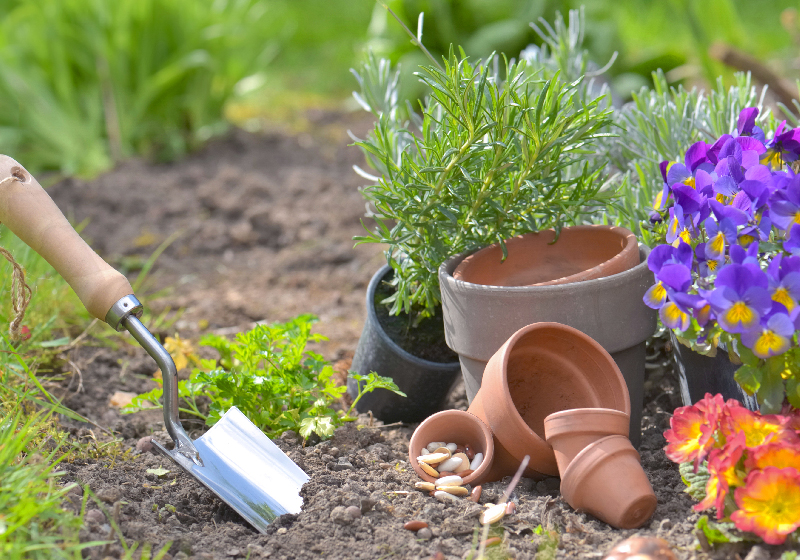
April is Lawn and Garden Month, so what better time to start a new landscaping project? A simple garden can add curb appeal to your home, and it’s a fun hobby for warm days. But sometimes it’s frustrating if you seem to have more of a brown thumb than a green one. Try out these tips to turn your yard into a colorful explosion of flowers this spring and break your “cultivating curse.” Know what’s in the ground around you. Mixing your garden’s soil to just the right combination of fertilizer, mulch, and other nutrients is like a balancing act. So how do you get to the sweet spot for optimal plant growth? The first step is knowing what’s in your soil naturally. Clay, sand, silt, and loam are the four main soil types, and each has their own effect on growing. Figuring out your soil’s pH balance also plays a big role in how well your plants grow. You can perform a pH test yourself, and they’ll help you gauge what other organic substances to add. You might have to experiment a bit with different mulches and compost, but when you strike soil gold you’ll be growing in no

Creating a safe home extends to the furry friends that you have under your roof. Your yard is their playground, and making sure that it’s properly secured is necessary in keeping them out of harm’s way–you never know what lengths they might go to to chase that squirrel. Picking the right fence design is important in providing your pet their own safe place. Why Does “Buddy” Break Out? There are several common reasons why your dog turns into a “hound-dini” and disappears out of your yard: • Boredom or frustration• Anxiety• Fear• High hunting instinct• Disobedience• Breed type Luckily, you can be proactive to reduce your dog’s urge to run off. Regularly exercising, training, and playing with your dog can help alleviate the reasons for these conditions with canines. But letting your dog enjoy some fun in the sun while you’re away is still a nice treat. The Paw-fect Match Just as there are multiple reasons for your dog running away, there’s a variety of choices when it comes to the style of fencing. You should try to get to the bottom of what it is that’s causing your dog to get out, as fences are not a one size
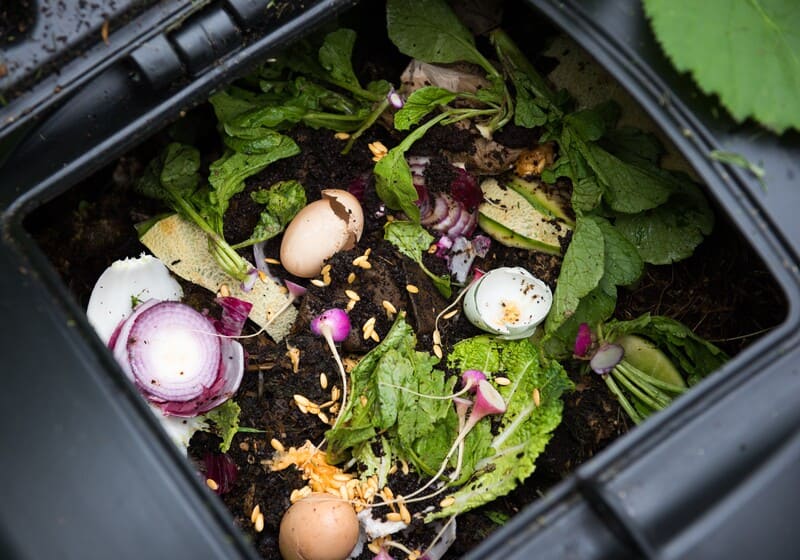
Composting can be a little intimidating if you’re new to the game. The good news is that it’s definitely not as hard as it looks. If you’re interested in starting to compost at home but haven’t tried it yet, we’ll tell you everything you need to know. Composting 101At its heart, composting is a process of controlled decomposition. Start with a pile of the waste your household naturally creates—stuff like kitchen scraps, paper, coffee grounds and more (we’ll go further into this later)—and eventually you’ll end up with a batch of rich fertilizer you can use to keep your garden plants growing healthy. Here’s where things get trickier. It matters how you store your compost pile, what you include in the pile and in what ratio, and how often you turn the pile. Technically speaking, you don’t need any special tools to get started with composting. However, if you (or your neighbors) don’t really want to spend your days looking at a pile of compost in your yard, you can buy a container that will hide the potential eyesore. Besides hiding your compost pile, many containers are designed to allow for easier turning of the pile, which speeds up the
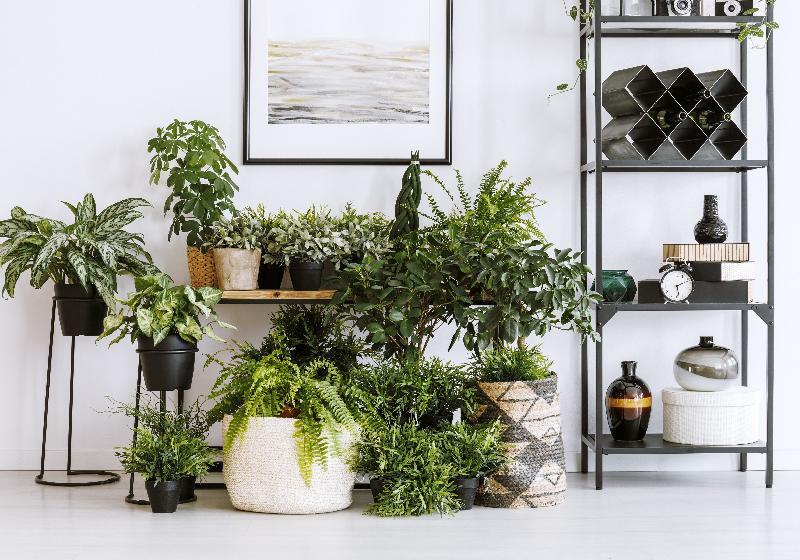
Just because your home doesn’t have a perfectly sunny spot for plants, doesn’t mean you can’t keep any. Adding greenery to your space is doable no matter how low your lighting is—it’s all about choosing the right plants for the space you have. Make no mistake: having plants is still a responsibility, even with low-key species. You’ll have to put in a little effort to make it work, like watering and rotating plants and keeping the lights on for a certain amount of time each day. If this doesn’t sound like your cup of tea, the good news is that artificial plants have come a long way, and you’ll still be able to enjoy the look if you want to—without the accountability. 1. Snake PlantSnake plants have a reputation for being one of the most tolerant species. In fact, you can neglect them for weeks at a time without much visible change or permanent damage (not that we’d recommend doing that). Snake plants survive well in low lighting, only need watered every two to six weeks and they can even improve your home’s indoor air quality by removing toxins. 2. IvyLike snake plants, ivy is highly forgiving. This no-fuss houseplant
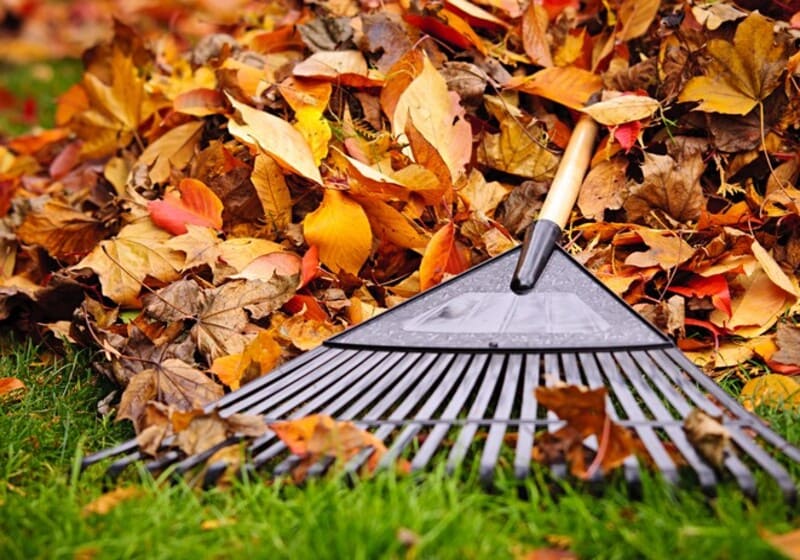
The air is crisp and the trees are changing colors. That must mean fall is here! Even if your yard isn’t fully blanketed in crunchy leaves just yet, you can still start on these essential fall lawn care tasks. 1. Rake the leaves. It turns out that the quintessential fall chore really is the most important one. If you love the look of a blanket of fall leaves, you’ll want to listen up. They may be pretty and fun for kids to play in, but a covering of damp autumn leaves is awful for your grass. Not only do leaves block sunlight, they also trap moisture, leading to a soggy, decaying mess come spring. There’s no need to cut into your fall fun too much, though. You can always rake leaves as you see them, dividing a couple afternoons’ worth of work into more manageable 10- or 15-minute tasks. 2. Don’t winterize the sprinkler just yet. It’s a myth that cooler weather means your lawn needs less water—it might even need more! It’s true that there’s less evaporation in cooler weather, but dew and rainfall isn’t always sufficient for keeping grass healthy. Just like in summer, you’ll need to pay
Getting into gardening doesn’t have to be intimidating. The right plants can add beauty to your lawn, boost curb appeal, and even put fresh food on your table.
The classic American home is most often imagined as a nice colonial or Cape Cod house with a white picket fence and a pristine, freshly-cut lawn, all lined up in a cul-de-sac filled with homes taken care of with the exact same attention to detail. There are many aspects of the modern home that are tough to divorce from that classic picture, but despite this fact, one modern movement is attempting to hit the reset button on what a lawn should be. The so-called, “Anti-Lawn Movement” advocates for the removal of a traditional all-grass, low diversity lawn in favor of a more natural option instead. Rather than the uniform, finely-trimmed grass and hedgerow, this means wildflowers, clovers, and a landscape that matches the local region. For many, the results of the Anti-Lawn Movement may feel like an untidy excuse to cut down on regular maintenance, but there may be plenty of other benefits that come with this type of seismic change! To get a better idea of why someone would want to move away from their grass lawns, let’s discuss where today’s lawn came from in the first place and why a change may be in store. Where Did the
One major challenge that can come from moving into a new neighborhood involves transforming your new house into your new home. As we’ve discussed recently, a great way to become comfortable with a new city or a new area is to invest in relationships with your neighbors! Becoming familiar with (and hopefully liking) your neighbors often sounds nice in concept, but breaking through that initial comfortability barrier can be tough. The good news is this: there are many underutilized strategies that new homeowners and long-time homeowners alike can employ to make their neighborhood of strangers feel much more like a community. As homeowners, learning how to be a little more self-sufficient is smart. Challenging yourselves with progressively difficult DIY projects should give you an excuse to spend some more time outside and break the ice while meeting new neighbors. For a beginner-level DIY project that can be as simple or complex as your experience allows, nothing works quite as well as starting a Little Library. What is a Little Library?Also known as Little Free Libraries, Library Boxes, or just Neighborhood Book Exchanges, Little Libraries have been popping up more and more in coffee shops, apartment buildings, and neighborhoods all around
Spring is back again! With the excitement of the new season comes inspiration for projects around your home. If you’re looking for a way to get out and enjoy the beautiful weather, then a vegetable garden is just what you need. Choosing Where to Plant Deciding on a spot to start your vegetable garden is the first step. If you’ve never done a garden before, you may be unsure about where to start. Before you break ground, study your yard. Watch the way the sun and shadows move around, how water flows, and what type of soil your yard mainly consists of. Once you’ve picked a spot that provides the perfect balance, measure out your plot. For beginners, it’s best to start small so you don’t overwhelm yourself. Picking Your Vegetables Now comes the time to decide what to plant. Some of the easiest plants are carrots, zucchinis, tomatoes, green beans, and beets. To avoid wasting plants and money, choose vegetables you typically eat in the correct amount for your family (this quick guide can help you calculate how many of each to plant). Bonus tip: You’ll save money by choosing plants that your local grocer doesn’t always stock. If
A man-made pond can transform your yard into your own personal oasis. They offer a place for you to relax after a long day and make the perfect spot to entertain guests. As the temperature starts to drop, you might not use your pond as often. To ensure it’s ready come springtime, here’s what you should do. Should You Turn Your Pond Off? A frozen pond can look just as beautiful as one in full effect. Especially if you have a large waterfall feature, icicles and snow make the perfect wintery backdrop. However, they can also take a toll on your pond. Ice build-ups make it harder for water to flow through the system and can crack the piping. A pond de-icer or pond heater can help break up these ice dams, but generally it’s better for your pond overall to shut it off for the season if you live where the temperature can hit zero. If you experience more mild winters (50 degrees or above), you’ll likely be fine leaving your pond running. Clean and Keep Leaves Out Leaves can turn your beautiful pond into a puddle of muck. In addition, they can also ruin your pond’s pump system
April is Lawn and Garden Month, so what better time to start a new landscaping project? A simple garden can add curb appeal to your home, and it’s a fun hobby for warm days. But sometimes it’s frustrating if you seem to have more of a brown thumb than a green one. Try out these tips to turn your yard into a colorful explosion of flowers this spring and break your “cultivating curse.” Know what’s in the ground around you. Mixing your garden’s soil to just the right combination of fertilizer, mulch, and other nutrients is like a balancing act. So how do you get to the sweet spot for optimal plant growth? The first step is knowing what’s in your soil naturally. Clay, sand, silt, and loam are the four main soil types, and each has their own effect on growing. Figuring out your soil’s pH balance also plays a big role in how well your plants grow. You can perform a pH test yourself, and they’ll help you gauge what other organic substances to add. You might have to experiment a bit with different mulches and compost, but when you strike soil gold you’ll be growing in no
Creating a safe home extends to the furry friends that you have under your roof. Your yard is their playground, and making sure that it’s properly secured is necessary in keeping them out of harm’s way–you never know what lengths they might go to to chase that squirrel. Picking the right fence design is important in providing your pet their own safe place. Why Does “Buddy” Break Out? There are several common reasons why your dog turns into a “hound-dini” and disappears out of your yard: • Boredom or frustration• Anxiety• Fear• High hunting instinct• Disobedience• Breed type Luckily, you can be proactive to reduce your dog’s urge to run off. Regularly exercising, training, and playing with your dog can help alleviate the reasons for these conditions with canines. But letting your dog enjoy some fun in the sun while you’re away is still a nice treat. The Paw-fect Match Just as there are multiple reasons for your dog running away, there’s a variety of choices when it comes to the style of fencing. You should try to get to the bottom of what it is that’s causing your dog to get out, as fences are not a one size
Composting can be a little intimidating if you’re new to the game. The good news is that it’s definitely not as hard as it looks. If you’re interested in starting to compost at home but haven’t tried it yet, we’ll tell you everything you need to know. Composting 101At its heart, composting is a process of controlled decomposition. Start with a pile of the waste your household naturally creates—stuff like kitchen scraps, paper, coffee grounds and more (we’ll go further into this later)—and eventually you’ll end up with a batch of rich fertilizer you can use to keep your garden plants growing healthy. Here’s where things get trickier. It matters how you store your compost pile, what you include in the pile and in what ratio, and how often you turn the pile. Technically speaking, you don’t need any special tools to get started with composting. However, if you (or your neighbors) don’t really want to spend your days looking at a pile of compost in your yard, you can buy a container that will hide the potential eyesore. Besides hiding your compost pile, many containers are designed to allow for easier turning of the pile, which speeds up the
Just because your home doesn’t have a perfectly sunny spot for plants, doesn’t mean you can’t keep any. Adding greenery to your space is doable no matter how low your lighting is—it’s all about choosing the right plants for the space you have. Make no mistake: having plants is still a responsibility, even with low-key species. You’ll have to put in a little effort to make it work, like watering and rotating plants and keeping the lights on for a certain amount of time each day. If this doesn’t sound like your cup of tea, the good news is that artificial plants have come a long way, and you’ll still be able to enjoy the look if you want to—without the accountability. 1. Snake PlantSnake plants have a reputation for being one of the most tolerant species. In fact, you can neglect them for weeks at a time without much visible change or permanent damage (not that we’d recommend doing that). Snake plants survive well in low lighting, only need watered every two to six weeks and they can even improve your home’s indoor air quality by removing toxins. 2. IvyLike snake plants, ivy is highly forgiving. This no-fuss houseplant
The air is crisp and the trees are changing colors. That must mean fall is here! Even if your yard isn’t fully blanketed in crunchy leaves just yet, you can still start on these essential fall lawn care tasks. 1. Rake the leaves. It turns out that the quintessential fall chore really is the most important one. If you love the look of a blanket of fall leaves, you’ll want to listen up. They may be pretty and fun for kids to play in, but a covering of damp autumn leaves is awful for your grass. Not only do leaves block sunlight, they also trap moisture, leading to a soggy, decaying mess come spring. There’s no need to cut into your fall fun too much, though. You can always rake leaves as you see them, dividing a couple afternoons’ worth of work into more manageable 10- or 15-minute tasks. 2. Don’t winterize the sprinkler just yet. It’s a myth that cooler weather means your lawn needs less water—it might even need more! It’s true that there’s less evaporation in cooler weather, but dew and rainfall isn’t always sufficient for keeping grass healthy. Just like in summer, you’ll need to pay