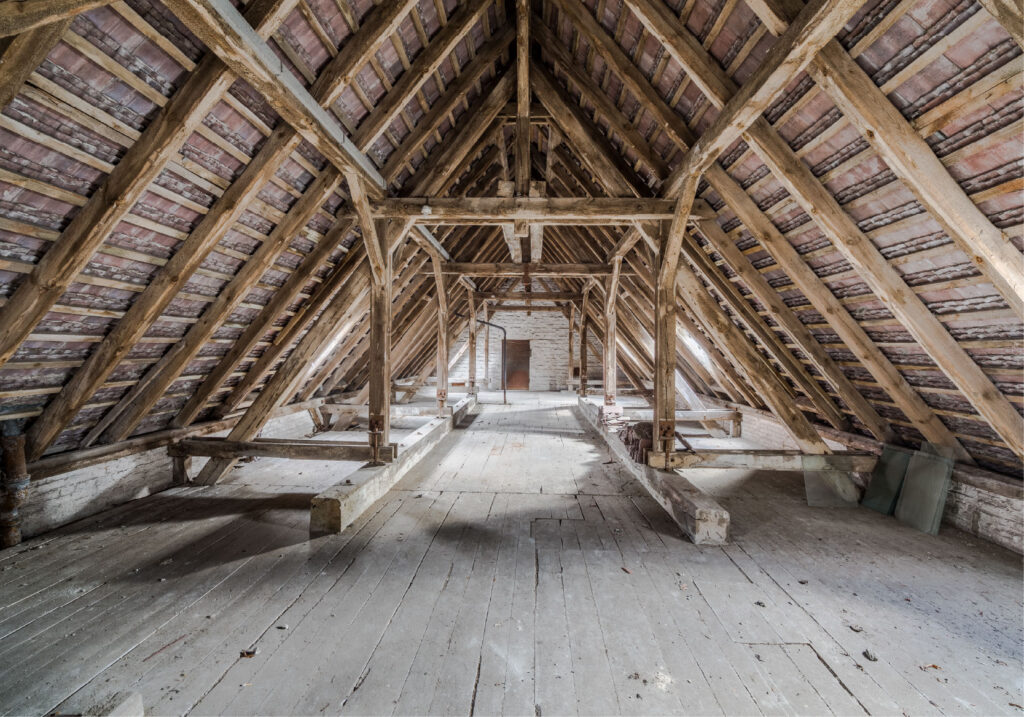
Inspector Insights: The Most Common Issues Found in Your Attic
Because attics are rarely used, homeowners often overlook them entirely. Many become cluttered storage spaces, making access difficult and sometimes even dangerous.

Because attics are rarely used, homeowners often overlook them entirely. Many become cluttered storage spaces, making access difficult and sometimes even dangerous.
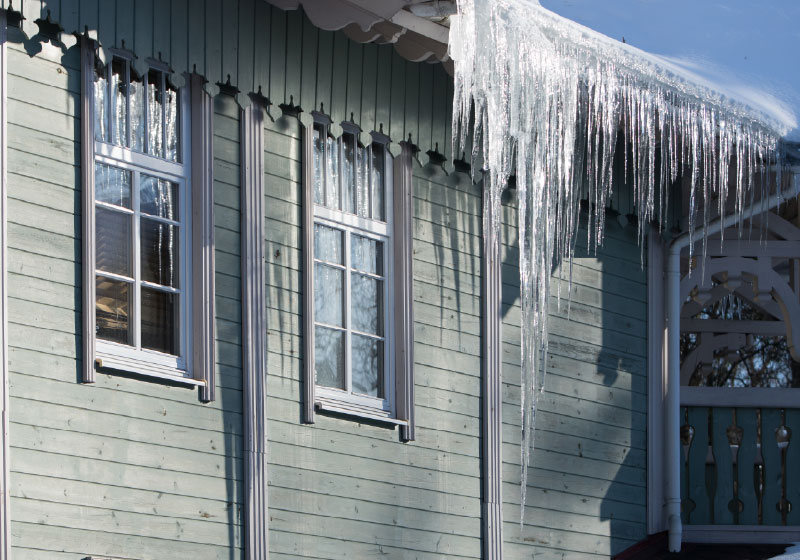
Homeowners commonly find icicles hanging off of their roofs and gutters, but most aren’t aware of the serious hazards they pose to themselves and their homes.
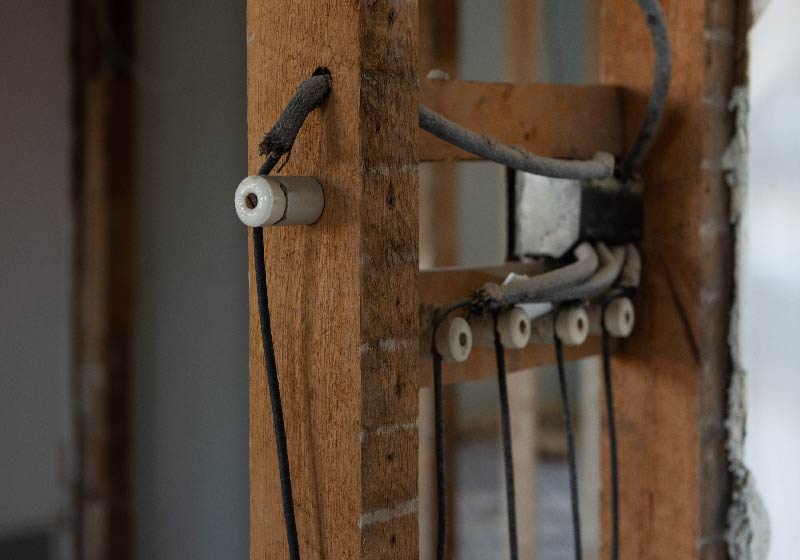
In today’s Inspector Insights article, we’re going to key in on one of these old school home features that was once ubiquitous between 1880 and the 1940s: knob and tube wiring.

The human being is known to have five senses: sight, hearing, taste, touch, and smell. While many might consider sight to be the most important sense for people in their everyday lives, scientists actually recognize smell as the “strongest sense.” This is because, as writers like Colleen Walsh at the Harvard Gazette acknowledge, smell is the sense that is most linked with emotion and memory. Have you ever smelled a favorite dish and were instantly transported to a memory of your childhood home or a trip to grandma’s house? The phenomena you’re experiencing is your olfactory senses doing what it does best by reaching through your limbic system (with a quick pit-stop by your amygdala and/or hippocampus) and tossing out one of those cozy core memories. Just as we enjoy these trips down memory lane, smells can also remind us of moments we might rather forget, whether from visiting the home of a frequent smoker, or a friend with a few too many cats. Houses can develop odor for many different reasons, so if you’ve found yours smelling a bit off lately, let’s discuss a few of the more common (and often misdiagnosed) causes. #1: Take Out the TrashThe first
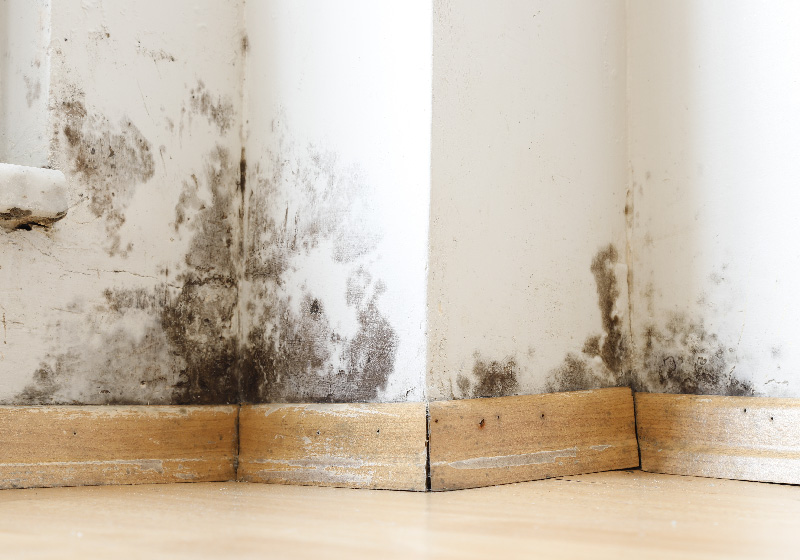
Everyone has run into mold from time to time in their bathrooms, in their kitchens, or around leaking appliances. While mold can actually come in many different colors and varieties, the dark fuzzy spots that crop up inside homes are usually easy to take care of without much issue, especially when addressed quickly. However, when left unaddressed, mold can damage and permanently discolor materials that they’ve attached to, as well as negatively impact the health of anyone in the home. In fact, according to healthcare professionals over on Healthline, overexposure to mold can lead to infection, lung inflammation, and other symptoms. Mold thrives in dark, moist, and warm environments, which means that issues in certain lesser trafficked areas of the home can easily get out of hand. If you experience any of the following, schedule a mold inspection to find the root of the problem: Homeowners can keep mold at bay by reducing humidity in their homes, maintaining good ventilation, and cleaning spills quickly. In addition, check and clean out these areas to cover some of mold’s best hiding spots inside the home: Contact your local NPI home inspector to schedule a mold inspection!
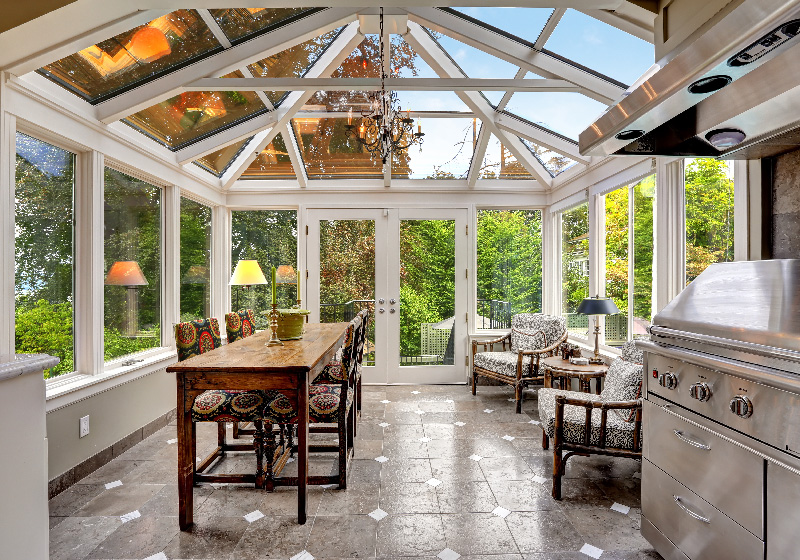
Everyone wants to find their dream home. Sometimes, that dream house might be out of reach because of price or location. Other times, that dream house just doesn’t exist – yet! If your family is expanding beyond their current space, or if changes in your lifestyle require more from your home, the answer may not necessarily be to find a new place to live. Instead, additions are a great way for homeowners to expand their homes into a space that better fits their needs. If you just love your neighborhood or you want to create your dream home without moving, here are the five steps to consider for planning a home addition. Step 1: Ask Yourself Why You’d Like to Add On to Your HomeWhile there are many great reasons to plan a home addition, the process comes with its fair share of drawbacks. First is the cost, which can vary widely depending on the type of addition and sometimes even approach the original price of the home. Additionally, the process of building a home addition can take a lot of time, some of which will include moving out temporarily or sharing space with building crews throughout the day. If
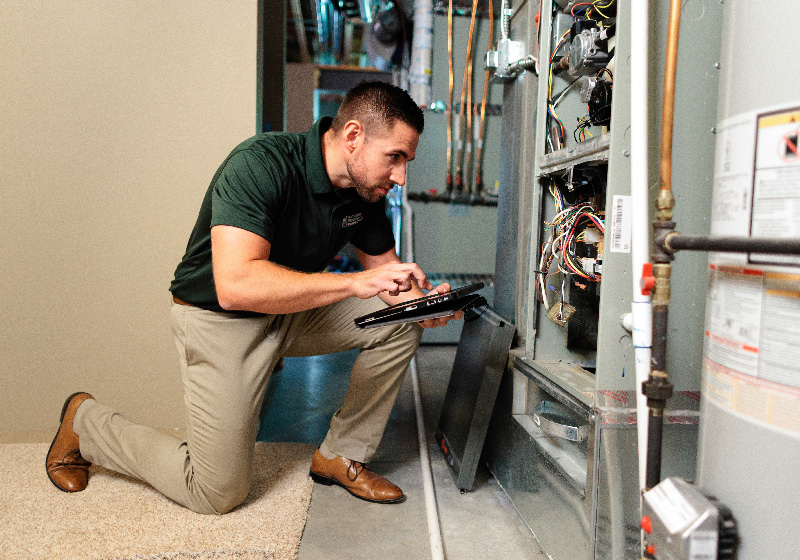
Purchasing a home can be one of the most simultaneously exciting and stressful processes anyone will go through. Considering the sizable investment and the long-reaching impact that a closing negotiation can have on both the buyer and the seller, it is completely understandable to lose a couple winks of sleep while worrying about each odd detail of a home’s sale. In these instances, buyers (especially first-time homebuyers) who learn about the need of a home inspection can get a bit antsy through the process, viewing the inspection as a roadblock to their homeownership. This is where a frequently answered question comes into play: How long does a home inspection take? While there may be a typical range of time to expect for a general home inspection, there are a wide array of factors that make this question tough to answer point blank. However, in the interest of easing any concerns, we will take some time today to discuss how long a home inspection takes, what can extend or shorten the process, and why a good home inspector needs this time. To begin, let’s review what a home inspection is and why it is a necessary part of every home’s sale.
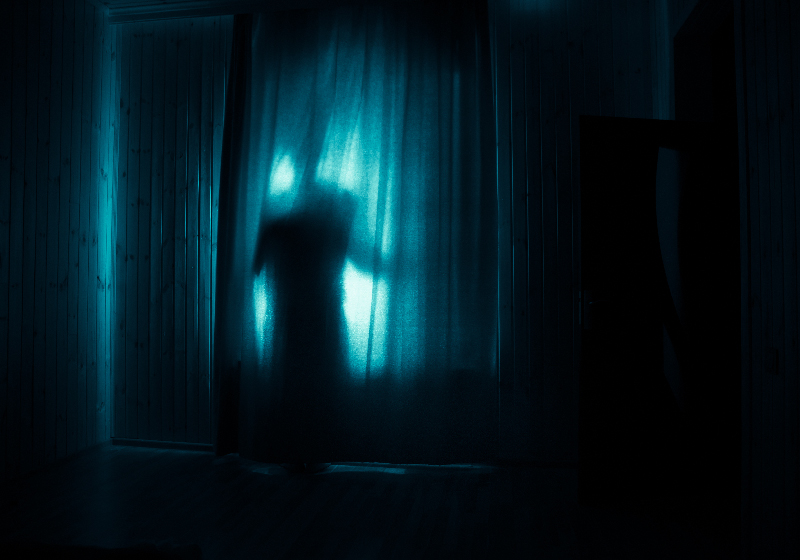
October has officially arrived and, as we march closer and closer to the spookiest day of the year, it’s natural for our minds to focus in on the strange and obscure. If this was your first year in your new home, you may have noticed some of its more interesting quirks or “features.” Some houses seem to groan when the wind hits them just right, others might creak whenever the mood is right. These are just “house noises” that you’re slowly growing accustomed to…right? Many odd occurrences in the home can be explained away with a little bit of investigation, but when attempts at rationality come up short, it can be difficult to brush off the unexplained. As we all know, the Halloween season is best known as one time each year that the barrier between the material world and the spiritual world is its thinnest. In other words, if you have your suspicions that your house just might be haunted, you better figure it out now. To aid you in your investigation, we’ve placed our best paranormal researchers on the job to identify the surefire evidence that proves your house is haunted. Reader beware: only proceed if you want
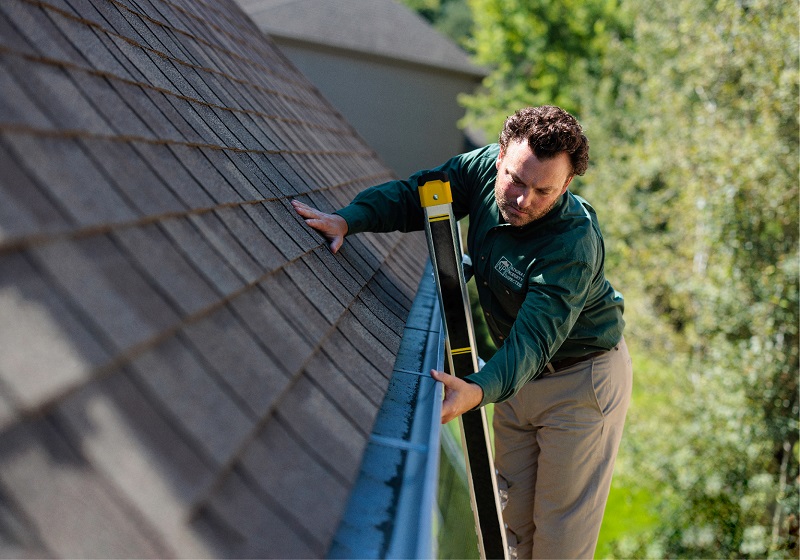
Home inspectors and other real estate professionals know the truth that every new homebuyer will have to swallow: no home is perfect. Each house has a unique array of attractions and eye-catching features sure to draw in families. At the same time, there isn’t a home that doesn’t have its share of warts or bruises as well. Your local home inspector is the key to identifying building and property maintenance issues while keeping the weight of each concern in perspective. To review the differences between which features should be addressed as soon as possible and which can be put off until later on, here are your home maintenance priorities post-inspection. How Is The Condition of the Roof?One of the top priorities of every new homeowner should be to understand the condition of their roof. Roofing is considered one of the main cornerstones of home systems for a few reasons. The roof is the home’s primary defense against weather and the elements. Without solid integrity, leaks are just the start of a slew of problems including the potential for mold and energy inefficiency. All roofs have a natural lifespan until shingles begin deteriorating beyond the point of serving their use. Since
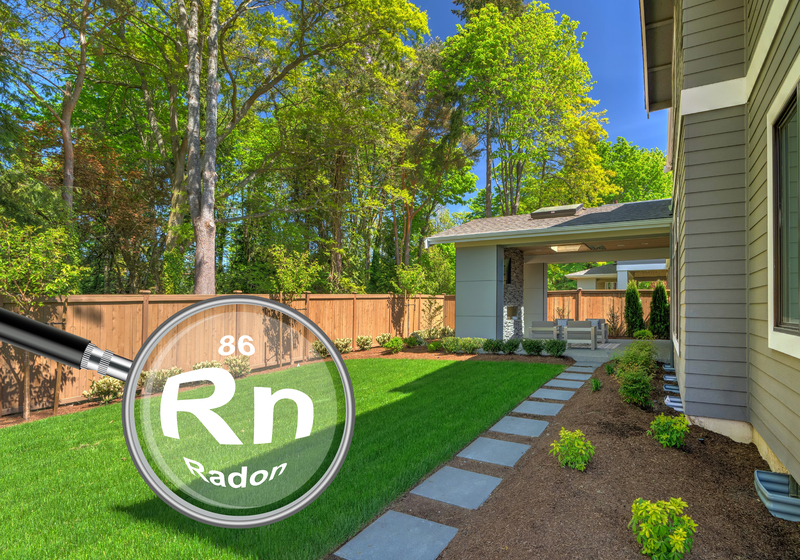
If you aren’t familiar with radon yet, now is the time to learn about this potentially deadly natural gas. Outside of smoking, radon is the number one cause for lung cancer in the US and Canada. One thing that separates radon from other lethal gases, however, is its uniquely subtle nature. radon is an odorless and colorless gas, created through a natural process of uranium deterioration in the soil. Everyone is affected by radon gas, but outside and in the open air, radon has room to freely dilute down to non-hazardous levels. Too frequently though, homes can restrict the space that radon needs to dilute into these safe levels. For Canada, the World Health Organization warns that homes with over 200 Bq/m3 of radon are unsafe and require immediate radon remediation. In the US, this guideline is even lower, at 4 pCi/L (or ~150 Bq/m3). (Check out the WHO’s recent coverage of the topic here.) While not all homes experience the same average volume of radon dilution, the US’s Environmental Protection Agency has published a zone map so that homebuyers can be aware of the overall trends in their area. Only a certified professional can be relied upon for an
Because attics are rarely used, homeowners often overlook them entirely. Many become cluttered storage spaces, making access difficult and sometimes even dangerous.
Homeowners commonly find icicles hanging off of their roofs and gutters, but most aren’t aware of the serious hazards they pose to themselves and their homes.
In today’s Inspector Insights article, we’re going to key in on one of these old school home features that was once ubiquitous between 1880 and the 1940s: knob and tube wiring.
The human being is known to have five senses: sight, hearing, taste, touch, and smell. While many might consider sight to be the most important sense for people in their everyday lives, scientists actually recognize smell as the “strongest sense.” This is because, as writers like Colleen Walsh at the Harvard Gazette acknowledge, smell is the sense that is most linked with emotion and memory. Have you ever smelled a favorite dish and were instantly transported to a memory of your childhood home or a trip to grandma’s house? The phenomena you’re experiencing is your olfactory senses doing what it does best by reaching through your limbic system (with a quick pit-stop by your amygdala and/or hippocampus) and tossing out one of those cozy core memories. Just as we enjoy these trips down memory lane, smells can also remind us of moments we might rather forget, whether from visiting the home of a frequent smoker, or a friend with a few too many cats. Houses can develop odor for many different reasons, so if you’ve found yours smelling a bit off lately, let’s discuss a few of the more common (and often misdiagnosed) causes. #1: Take Out the TrashThe first
Everyone has run into mold from time to time in their bathrooms, in their kitchens, or around leaking appliances. While mold can actually come in many different colors and varieties, the dark fuzzy spots that crop up inside homes are usually easy to take care of without much issue, especially when addressed quickly. However, when left unaddressed, mold can damage and permanently discolor materials that they’ve attached to, as well as negatively impact the health of anyone in the home. In fact, according to healthcare professionals over on Healthline, overexposure to mold can lead to infection, lung inflammation, and other symptoms. Mold thrives in dark, moist, and warm environments, which means that issues in certain lesser trafficked areas of the home can easily get out of hand. If you experience any of the following, schedule a mold inspection to find the root of the problem: Homeowners can keep mold at bay by reducing humidity in their homes, maintaining good ventilation, and cleaning spills quickly. In addition, check and clean out these areas to cover some of mold’s best hiding spots inside the home: Contact your local NPI home inspector to schedule a mold inspection!
Everyone wants to find their dream home. Sometimes, that dream house might be out of reach because of price or location. Other times, that dream house just doesn’t exist – yet! If your family is expanding beyond their current space, or if changes in your lifestyle require more from your home, the answer may not necessarily be to find a new place to live. Instead, additions are a great way for homeowners to expand their homes into a space that better fits their needs. If you just love your neighborhood or you want to create your dream home without moving, here are the five steps to consider for planning a home addition. Step 1: Ask Yourself Why You’d Like to Add On to Your HomeWhile there are many great reasons to plan a home addition, the process comes with its fair share of drawbacks. First is the cost, which can vary widely depending on the type of addition and sometimes even approach the original price of the home. Additionally, the process of building a home addition can take a lot of time, some of which will include moving out temporarily or sharing space with building crews throughout the day. If
Purchasing a home can be one of the most simultaneously exciting and stressful processes anyone will go through. Considering the sizable investment and the long-reaching impact that a closing negotiation can have on both the buyer and the seller, it is completely understandable to lose a couple winks of sleep while worrying about each odd detail of a home’s sale. In these instances, buyers (especially first-time homebuyers) who learn about the need of a home inspection can get a bit antsy through the process, viewing the inspection as a roadblock to their homeownership. This is where a frequently answered question comes into play: How long does a home inspection take? While there may be a typical range of time to expect for a general home inspection, there are a wide array of factors that make this question tough to answer point blank. However, in the interest of easing any concerns, we will take some time today to discuss how long a home inspection takes, what can extend or shorten the process, and why a good home inspector needs this time. To begin, let’s review what a home inspection is and why it is a necessary part of every home’s sale.
October has officially arrived and, as we march closer and closer to the spookiest day of the year, it’s natural for our minds to focus in on the strange and obscure. If this was your first year in your new home, you may have noticed some of its more interesting quirks or “features.” Some houses seem to groan when the wind hits them just right, others might creak whenever the mood is right. These are just “house noises” that you’re slowly growing accustomed to…right? Many odd occurrences in the home can be explained away with a little bit of investigation, but when attempts at rationality come up short, it can be difficult to brush off the unexplained. As we all know, the Halloween season is best known as one time each year that the barrier between the material world and the spiritual world is its thinnest. In other words, if you have your suspicions that your house just might be haunted, you better figure it out now. To aid you in your investigation, we’ve placed our best paranormal researchers on the job to identify the surefire evidence that proves your house is haunted. Reader beware: only proceed if you want
Home inspectors and other real estate professionals know the truth that every new homebuyer will have to swallow: no home is perfect. Each house has a unique array of attractions and eye-catching features sure to draw in families. At the same time, there isn’t a home that doesn’t have its share of warts or bruises as well. Your local home inspector is the key to identifying building and property maintenance issues while keeping the weight of each concern in perspective. To review the differences between which features should be addressed as soon as possible and which can be put off until later on, here are your home maintenance priorities post-inspection. How Is The Condition of the Roof?One of the top priorities of every new homeowner should be to understand the condition of their roof. Roofing is considered one of the main cornerstones of home systems for a few reasons. The roof is the home’s primary defense against weather and the elements. Without solid integrity, leaks are just the start of a slew of problems including the potential for mold and energy inefficiency. All roofs have a natural lifespan until shingles begin deteriorating beyond the point of serving their use. Since
If you aren’t familiar with radon yet, now is the time to learn about this potentially deadly natural gas. Outside of smoking, radon is the number one cause for lung cancer in the US and Canada. One thing that separates radon from other lethal gases, however, is its uniquely subtle nature. radon is an odorless and colorless gas, created through a natural process of uranium deterioration in the soil. Everyone is affected by radon gas, but outside and in the open air, radon has room to freely dilute down to non-hazardous levels. Too frequently though, homes can restrict the space that radon needs to dilute into these safe levels. For Canada, the World Health Organization warns that homes with over 200 Bq/m3 of radon are unsafe and require immediate radon remediation. In the US, this guideline is even lower, at 4 pCi/L (or ~150 Bq/m3). (Check out the WHO’s recent coverage of the topic here.) While not all homes experience the same average volume of radon dilution, the US’s Environmental Protection Agency has published a zone map so that homebuyers can be aware of the overall trends in their area. Only a certified professional can be relied upon for an